

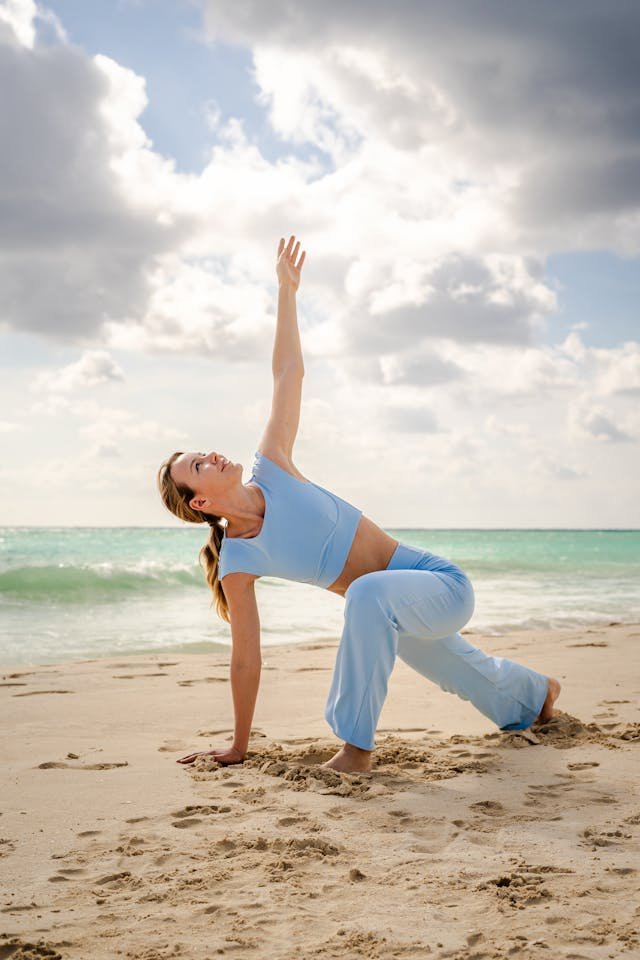
Spring is in the air! The sun is shining, the birds are chirping, and the great outdoors is calling. Whether you’re an avid gardener, a weekend hiker, or simply love taking strolls, spring activities demand a certain level of physical preparedness. And guess what? Your core plays a starring role. That’s why we’re diving deep into the importance of core stability and how it can significantly enhance your spring adventures.
Understanding Your Core: More Than Just Abs
You might be thinking, “My core? Isn’t that just my abs?” Well, yes and no. Your core is so much more than just your “six-pack.” It’s a complex network of muscles that stabilize your spine and pelvis, acting as the foundation for all your movements. Think of it as the powerhouse of your body. And when this powerhouse is strong and stable, everything else falls into place. Let’s explore 6 ways a strong core can improve your spring activities.
1. Improve Core Stability for Enhanced Balance and Coordination
Imagine you’re navigating a rocky trail on a spring hike. Or you’re planting flowers in your garden, and need to extend with a reach to different spots. These activities require balance and coordination. A strong core is your secret weapon here. Your core muscles act as stabilizers, ensuring you remain steady and grounded, even on uneven terrain. This is where we want to improve core stability. Check out why using the “spine sparing’ technique is important if you have Osteopenia or Osteoporosis.
The Impact of Core Stability on Proprioception
When your core is weak, your balance suffers. You’ll find yourself wobbling, struggling to maintain your footing, and potentially risking falls. By strengthening your core, you enhance your proprioception – your body’s ability to sense its position and movement. This translates to smoother, more controlled movements, whether you’re hiking, gardening, or simply enjoying a walk in the park.
Efficient Force Transfer and Fluid Movement
Core stability helps you transfer force efficiently from your lower to upper body. When you bend to pick up a heavy pot of soil, your core engages to support your spine and prevent injury. Enhanced coordination means you can move fluidly and confidently, making your spring activities more enjoyable and less strenuous.
2. Core Strength for Enhanced Performance
Are you looking to take your spring activities to the next level? A strong core is your key to unlocking peak performance. Whether you’re training for a spring marathon, playing a round of golf, or participating in a local cycling event, core strength is essential.
The Core as the Body’s Kinetic Chain Center
Your core is the center of your body’s kinetic chain. When it’s strong, it allows you to generate and transfer force more effectively. This means you can run faster, jump higher, and swing harder with less effort. A strong core allows you to get more out of every movement.
3. Injury Prevention Through Improved Core Stability
Spring activities can sometimes lead to injuries if you’re not properly prepared. Strains, sprains, and back pain are common culprits. However, a strong core can act as a natural shield, protecting you from these potential setbacks.
Your core muscles act as a natural brace for your spine, providing support and stability during movement. When your core is weak, your spine is more vulnerable to injury. Activities like gardening, which involve bending, lifting, and twisting, can put significant stress on your back if your core isn’t up to the task.
Distributing Load and Reducing Strain
By strengthening your core, you create a protective barrier around your spine, reducing the risk of strains and sprains. A strong core also helps distribute the load evenly across your body, preventing excessive stress on any one area. This is why we need to improve core stability.
4. Achieving Better Posture with a Strong Core
Good posture is often overlooked, but it plays a crucial role in your overall health and well-being. A strong core is the foundation of good posture. When your core muscles are strong and engaged, they naturally pull your shoulders back and align your spine. This not only improves your appearance but also reduces strain on your neck, shoulders, and back. Imagine how much more comfortable you’ll feel after a day of gardening or hiking when you’re not battling back pain from poor posture!
Counteracting Problems Caused by Poor Posture
Poor posture can lead to a host of problems, including muscle imbalances, chronic pain, weakened bladder, and even breathing problems. By strengthening your core, you can counteract these issues and maintain an upright, aligned posture. This is a very important part of how we improve core stability.
5. Boosted Energy Levels Through Core Stability
Feeling sluggish and tired? A strong core can boost your energy levels, allowing you to fully enjoy your spring activities. When your core is strong, your body functions more efficiently, requiring less energy for basic movements.
Weak core stability forces other muscles to compensate, leading to fatigue and decreased energy. By strengthening your core, you reduce this unnecessary strain, allowing your body to conserve energy for the activities you love.
Sustaining Activity Levels Throughout the Day
With better core stability, you can move more efficiently, reducing the amount of energy required for each movement. This means you can stay active for longer periods without feeling drained. Whether you’re hiking, biking, or simply enjoying a leisurely walk, a strong core will help you maintain your energy levels throughout the day.
6. Improved Sleep Quality Linked to Core Stability
Believe it or not, a strong core can even improve your sleep quality. Regular core exercises can help reduce pain and discomfort, leading to more restful nights. When your body is comfortable and supported, you’re more likely to fall asleep quickly and stay asleep throughout the night.
Chronic pain and discomfort can disrupt your sleep, leaving you feeling tired and groggy. By strengthening your core, you can alleviate these issues, leading to improved sleep quality. A strong core supports your spine and reduces strain on your muscles, allowing you to relax and unwind at the end of the day.
Promoting Relaxation and Restorative Sleep
Core exercises can help release tension in your back and shoulders, promoting relaxation and reducing stress. This can lead to a more peaceful and restorative sleep. Additionally, improved posture from a strong core can reduce nighttime discomfort, further enhancing your sleep quality.
Incorporating Core Exercises Into Your Routine
Now that you understand the importance of core stability, how can you incorporate core exercises into your routine? Here are a few simple yet effective exercises to get you started:
- Plank: This classic exercise engages all your core muscles. Hold the position for 10 seconds to 1 minute, gradually increasing the duration as you get stronger. Give yourself options. For example, keeping the knees down as you lift onto your forearms will help to give your back some support. Begin by drawing the navel to the spine while “scooping” your abs inward. This will help you to activate your core muscles. Add a side plank as well!
- Bird-Dog: This exercise improves core stability and balance. Start on your hands and knees, then extend your right arm forward and your left leg back, holding for a few seconds before switching sides. Ask a fitness professional how to engage your muscles properly during this exercise to maximize the benefits to strengthen your Core.
- Dead Bug: This exercise strengthens your deep core muscles. Lie on your back with your arms extended towards the ceiling and your knees bent at 90 degrees. Lower your right arm and left leg towards the floor, keeping your lower back pressed against the floor.
- Pilates Table Top: Lie on your back with your arms to your side. Raise one knee and bring one leg to table top position (bent leg/90 degrees). While raising your leg to a tabletop position, engage your core muscles. Then, draw the other knee up so both legs are in the table top. Slowly lower one leg, then the other while keeping your core muscles engaged. Repeat this movement.
- Pelvic Tilts: Lie on your back with your knees bent and your feet flat on the floor. Gently tilt your pelvis forward , engaging your core muscles. Think of pressing your lower back into the floor gently while scooping upward. Learning ways to incorporate your breath (inhale and exhale) with core engagement is essential for women of all ages to assist in strengthening their core and pelvic floor muscles. These are good exercises to begin with and seek a fitness professional to learn ways to get the most out of your core.
Embrace the Spring Season with a Strong Core
Spring is a time of renewal and rejuvenation. By strengthening your core, you can enhance your spring activities and fully embrace the season. A strong core will provide you with the stability, balance, and energy you need to enjoy all that spring has to offer.
Personalized Fitness For You is passionate about empowering you to live your best, most vibrant life. Remember, core stability is a journey, not a destination. Be patient, consistent, and celebrate your progress along the way. With a strong core, you’ll be well-equipped to tackle any adventure that comes your way.
Introductory special 6 sessions for $199! Virtual or at the Studio, she is ready when you are!
Ready to bloom into spring with enhanced stability and energy? Call Joy and schedule your core strengthening consultation today!