


Why Bone Strengthening Activities Are Essential for Your Physical Fitness
How do bone strengthening activities improve your physical fitness? These activities place controlled stress on bones, stimulating new bone tissue growth and increasing density. This process benefits more than just your skeleton; it builds muscle, improves balance, boosts metabolism, and reduces your risk of falls and fractures. During weight-bearing and resistance exercises, muscles pull on bones, signaling them to become stronger. The result is a more resilient, confident body that maintains independence as you age.
Your bones are living tissue that adapt to exercise by becoming denser and stronger. Strong bones and muscles create a foundation for everything from daily chores to outdoor adventures. These activities also help manage weight and reduce symptoms of chronic conditions like arthritis and heart disease. For women navigating midlife, these exercises offer a whole-istic approach to wellness that addresses physical, mental, and functional health.
I’m Joy, a Certified Personal Trainer and Bone Health Instructor with over 20 years of experience. I’ve seen how these activities improve physical fitness for women. My approach uses evidence-based exercise to create sustainable, personalized programs that support your unique journey.
The Core Connection: How Strong Bones Fuel Overall Fitness
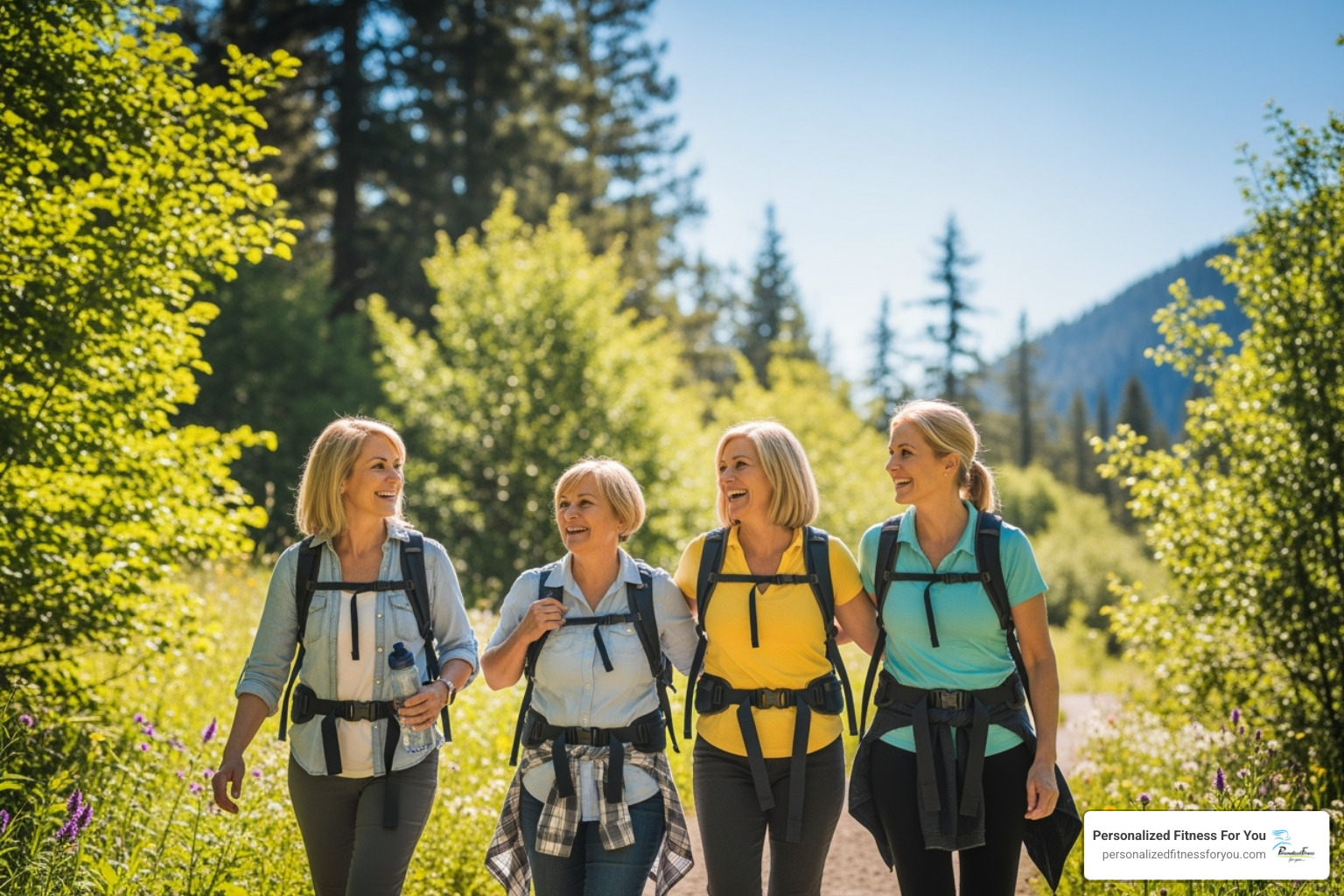
The link between strong bones and overall fitness is profound. Your bones are living tissue that adapt to use, and the benefits of strengthening them extend far beyond fracture prevention. When muscles contract, they pull on bones, signaling them to become denser and stronger. This muscle-bone relationship builds functional strength for daily tasks like carrying groceries or lifting a grandchild, relying on both strong muscles and bones.
Resistance and weight-bearing exercises also fire up your metabolism. Building lean muscle through these activities creates a more efficient calorie-burning machine, supporting weight management and boosting daily vitality.
Research shows strength training can reduce symptoms of conditions like arthritis, back pain, heart disease, and diabetes. This is crucial for women in midlife, as hormonal changes can affect muscle and bone density. It’s about actively building a foundation for long-term wellness.
The Surprising Benefits Beyond the Skeleton
The benefits of bone-strengthening activities ripple out in surprising ways, helping you become more capable and confident.
A strong, stable body improves quality of life. Daily tasks like carrying groceries, climbing stairs, or getting up from a chair become easier, and you can pursue hobbies and enjoy activities without fatigue.
A key benefit is better balance and a dramatically reduced risk of falls. Maintaining stability is crucial as your body changes. Resistance training and stability exercises train your body to react effectively to unexpected slips or trips. Learning the proper ways to “hinge” when picking things up off the floor or carrying items is super important for spine health. Please contact me if you would like to learn ways to stay and build your functional fitness. I provide the basics and teach the proper form to carry out your daily activities to keep you functionally fit!
These activities also help with increased muscle mass preservation, counteracting the natural age-related loss. Strong muscles and bones work together to keep you moving confidently through every stage of life.
Building a Resilient Body for Life
Building resilience creates the physical capability for long-term independence. Strong bones and muscles allow you to participate fully in life on your own terms.
Research links physical capability to longevity. The ability to perform tasks safely allows you to remain independent and engaged, free to travel, garden, or pursue hobbies without physical limitations.
These activities also help in managing symptoms of arthritis by easing pain and improving mobility. They support heart health and aid in diabetes management by improving how your body uses insulin.
At Personalized Fitness For You, we believe fitness is about feeling capable and confident. Our whole-istic approach addresses the needs of active aging, from bone density to muscle strength, honoring your unique journey. For a deeper look at how strength training transforms health, the Mayo Clinic offers an excellent resource.
Building Your Framework: Key Types of Bone-Strengthening Exercises
To understand how do bone strengthening activities improve your physical fitness, let’s explore the key exercises. It’s about moving strategically to create stress that signals your body to grow stronger.
The main categories are weight-bearing exercise, resistance training, and balance and coordination work. Each builds resilience, guided by the principle of progressive overload—gradually increasing the challenge so your body continues to adapt and improve.
The Power of Weight-Bearing Exercises
Weight-bearing exercises are foundational for bone health. By working against gravity, you create beneficial stress on your bones. This prompts specialized cells called osteoblasts to build new bone tissue, increasing bone density.
The intensity of bone stimulation depends on the impact. High-impact activities like jogging or running send a strong signal for bone growth. Moderate-impact options like dancing or stair climbing offer great benefits with less joint stress, making them ideal for many women in midlife. Low-impact options like brisk walking are gentle yet effective, especially if you’re new to exercise or have joint concerns. The key is to stay active with enjoyable activities, as inactivity leads to bone loss.
If you have been diagnosed with Osteopenia or Osteoporosis, it’s a good idea to meet with a trained fitness professional or health care provider to learn the proper form as well as a personalized approach that is specific to you.
Moderate-impact exercise is generally safe even with lower bone density, but always consult a healthcare professional. Many weight-bearing activities also provide cardiovascular health benefits. Brisk walking, jogging, and dancing improve heart and lung function, making them a cornerstone of whole-istic fitness. The National Institute of Arthritis and Musculoskeletal and Skin Diseases also offers valuable insights into Exercise for Your Bone Health.
Resistance Training: The Key to Bone Density and Muscle Strength
Resistance training is key for bone density and muscle strength. It involves moving muscles against resistance. As muscles strengthen, they pull on bones, signaling the body to reinforce them. Your bones adapt to demand; when muscles pull on them, they respond by building new tissue. This is the essence of muscle-strengthening work for skeletal health.
Resistance training is versatile. Bodyweight exercises like squats and push-ups build functional strength. Free weights (dumbbells, kettlebells) engage stabilizing muscles to improve strength and balance. Resistance bands are portable, inexpensive, and great for all fitness levels.
The most effective method is progressive muscle resistance training, gradually increasing the workload. For bone health, using lighter resistance for 8 to 12 repetitions until fatigue is effective for stimulating growth. Proper form is essential to prevent injury and maximize benefits. If you’re new to resistance training, working with a qualified instructor is highly recommended. The American Academy of Orthopaedic Surgeons also provides excellent guidance on Exercise and Bone Health.
Enhancing Stability with Balance and Coordination Work
While other exercises build bone density, balance and coordination work is your protective shield. Its main role is fall prevention, which is critical for protecting the bone strength you’ve built. Falls are a leading cause of fractures, and balance exercises improve postural stability—your ability to control your body and react to unexpected movements.
These exercises sharpen proprioception (your body’s spatial awareness). Challenging your balance strengthens the systems that keep you steady. Pilates improves balance and posture through core strength and controlled movements. Single-leg stands and dynamic balance movements like walking heel-to-toe train your body to maintain equilibrium during movement. Research confirms that balance activities are a critical part of fall prevention programs and can dramatically reduce the risk of falls.
How Do Bone Strengthening Activities Improve Your Physical Fitness Across Life’s Stages?
Bone-strengthening activities are a lifelong investment in health. Whether building your foundation or maintaining it, these exercises contribute to physical fitness, independence, and a high quality of life at every stage.
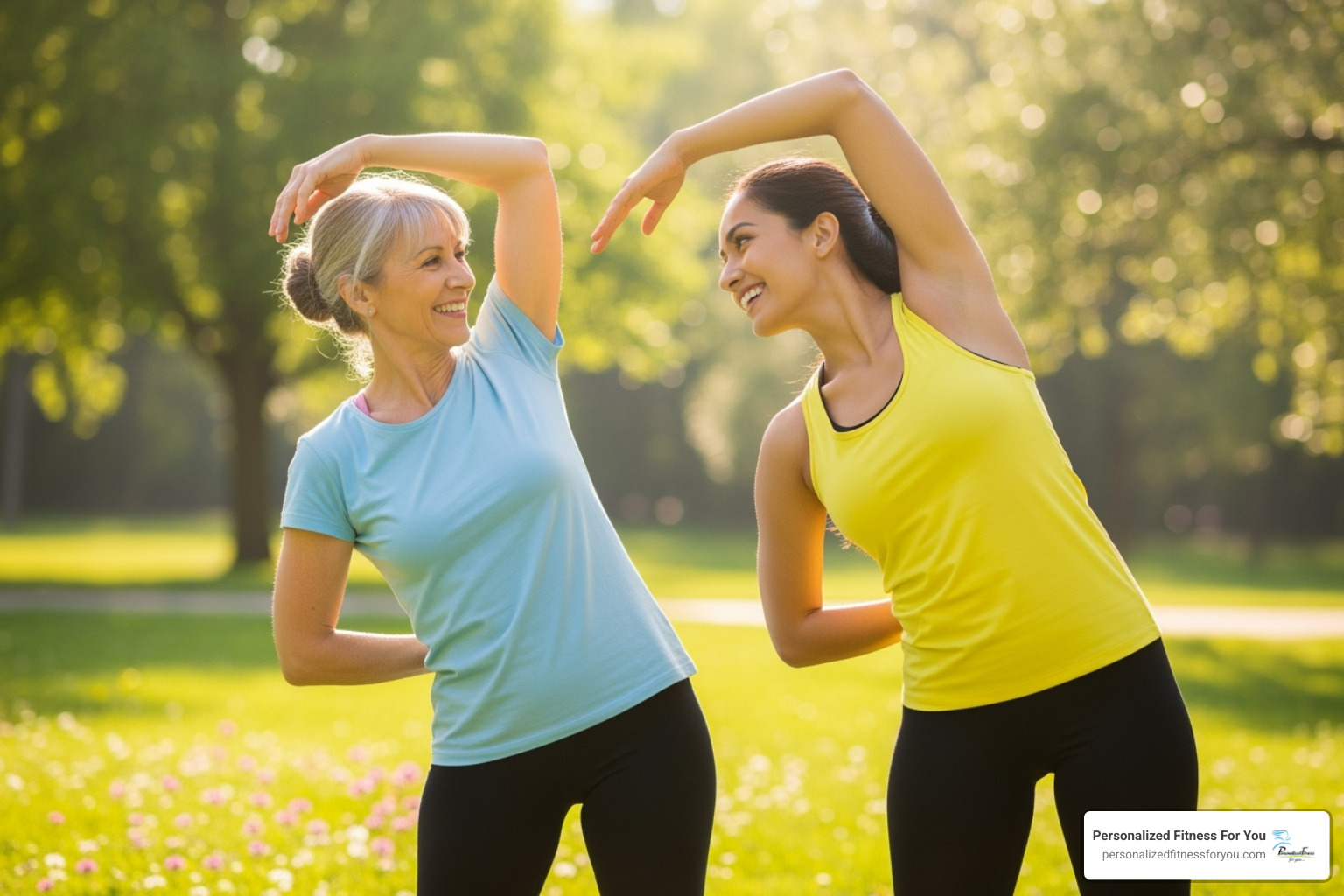
In our younger years, these activities are crucial for building peak bone mass. A strong foundation built early on is like a health savings account for later life. In midlife and beyond, the focus shifts to maintaining bone mass and slowing its natural decline. Consistency is key. Regular activity sustains vitality, keeping our bodies resilient for activities we love.
For women in midlife, these activities are critical. Hormonal changes can affect bone density, so prioritizing exercises that strengthen the skeleton is essential for maintaining independence and living life on your own terms. This commitment translates into a better quality of life at every age.
How do bone strengthening activities improve your physical fitness for daily life?
The most tangible benefit is improved functional fitness: the ability to perform everyday tasks with ease and without pain. Simple acts like carrying groceries, climbing stairs, or getting up from a chair become effortless. These movements require the strength, balance, and support that healthy bones and muscles provide.
These are expressions of independence. Moving without struggle provides a sense of freedom. These activities build the strength and endurance needed for daily life. A noticeable benefit is increased energy. A strong, supported body handles tasks without fatigue, leaving you with energy for things you enjoy. This capability builds confidence in movement and reduces fear of injury. Knowing your body is strong and capable allows you to move with assurance, confident in the foundation you’ve built.
How do bone strengthening activities improve your physical fitness and mental well-being?
The mind-body connection is undeniable. Bone-strengthening activities offer a whole-istic approach to wellness, nurturing spirit, mind, and body.
Regular physical activity is linked to improved cognitive function. Research suggests it can improve thinking and learning skills, leading to sharper memory and better focus. Exercise is also a powerful tool for mood improvement and stress reduction. Physical activity releases endorphins, natural mood elevators that can alleviate anxiety. The routine and accomplishment of a workout contribute to mental well-being.
This leads to greater body confidence—not about appearance, but about celebrating your body’s strength and capability. This confidence transforms how you carry yourself and approach challenges. The whole-istic benefits create a positive feedback loop: improved physical fitness boosts your mental state, which motivates you to continue.
Getting Started Safely: Integrating Bone Health into Your Routine
Starting a bone-strengthening journey is an exciting step toward a more vibrant you. It’s important to approach it safely. A sustainable program respects your current abilities while supporting your goals. This means embracing safe practices, listening to your body, and seeking professional guidance when needed.
Before starting a new routine, a conversation with your doctor is essential, especially if you’ve been inactive or have health conditions like heart disease, joint concerns, or diabetes. Your doctor can assess your health and guide you toward safe and effective exercises.
If you have lower bone density or osteoporosis, exercise is one of your most powerful tools. It helps protect your spine, slow bone loss, and build muscle to reduce fall risk. The key is to adapt your approach to your body’s specific needs. Resources like WebMD’s overview of Exercises to Build Stronger Bones can offer practical insights as you begin.
Tips for Safely Adding Exercises to Your Current Plan
Integrating these activities into your life is about making gradual changes that become part of your rhythm.
- Start every workout with a warm-up of five to ten minutes of light movement. An equally important cool-down with slower movement and gentle stretching aids recovery and improves flexibility.
- Proper technique is everything. Good form prevents injury and ensures effectiveness. If you’re uncertain, seek guidance from a qualified fitness professional. Practicing spinal sparing techniques daily is essential for better bone health.
- Accept gradual progression. Your body needs time to adapt. Start slowly and build intensity, duration, or resistance over weeks and months to create sustainable strength.
- Consistency is the special sauce. Aim for muscle-strengthening activities at least twice a week and weight-bearing activities on most days. Practicing the proper “hinge” while lifting things and moving throughout your day helps to protect and strengthen your spine. Regular effort is more important than intensity.
- Listen to your body. Mild muscle soreness is normal, but sharp pain is a signal to stop. Learning your body’s language is part of the journey.
Special Considerations and Modifications
Every woman’s body is different. For those with specific health concerns like lower bone density, personalized guidance is essential.
Consulting with a professional trained in bone health is transformative. A physical therapist or a specialized Certified Personal Trainer can design a custom program, identifying movements to modify or avoid. This expertise ensures you build strength safely and with confidence.
If high-impact exercises aren’t appropriate, low-impact alternatives like brisk walking or stair climbing provide meaningful benefits. They are gentler on joints while still signaling bones to stay strong.
For exercise modifications for osteoporosis, certain movements require care. Avoid significant forward bending or twisting under load to protect your spine. Focus on a neutral spine and core strength. Pilates can be effective when guided by an instructor who understands bone health.
Guidance from qualified fitness professionals is key. A knowledgeable trainer can teach you correct lifting techniques, appropriate resistance levels, and exercise adaptations to protect vulnerable areas. At Personalized Fitness For You, our mission is to empower you to improve your bone health and physical fitness in a sustainable, uplifting way. We offer specialized support for women ready to take charge of their bone health.
Conclusion
You now see how bone strengthening activities improve your physical fitness beyond just your skeleton. They build denser bones, increase muscle, sharpen balance, and boost metabolism, giving you the capability to move with confidence. The benefits improve your quality of life, thinking, and mood, supporting a whole-istic approach to health that honors body, mind, and spirit.
Your bones are living tissue that respond to demand. By engaging in weight-bearing, resistance, and balance work, you’re telling your body to get stronger and thrive. This journey is about empowerment through fitness—actively building resilience, reducing fall risk, and owning your health in a supportive, shame-free environment.
At Personalized Fitness For You, we help women find what their bodies can do. We reject cookie-cutter programs because every journey is unique. We create custom solutions to meet your specific goals, whether it’s building bone density, improving balance, or moving with more joy. Our programs honor your goals, body, and life.
Taking the first step is easier with guidance. Get expert knowledge and a personalized plan just for you from Joy today! She offers both in-person and virtual training to fit your lifestyle:
- Explore our in-person training programs for hands-on guidance at our Winona Lake studio.
- Discover our virtual fitness options for personalized coaching from home.
You deserve to feel strong and confident. Let’s create a plan that delivers sustainable results.
Schedule a consultation with Joy and start building your most resilient self today.