

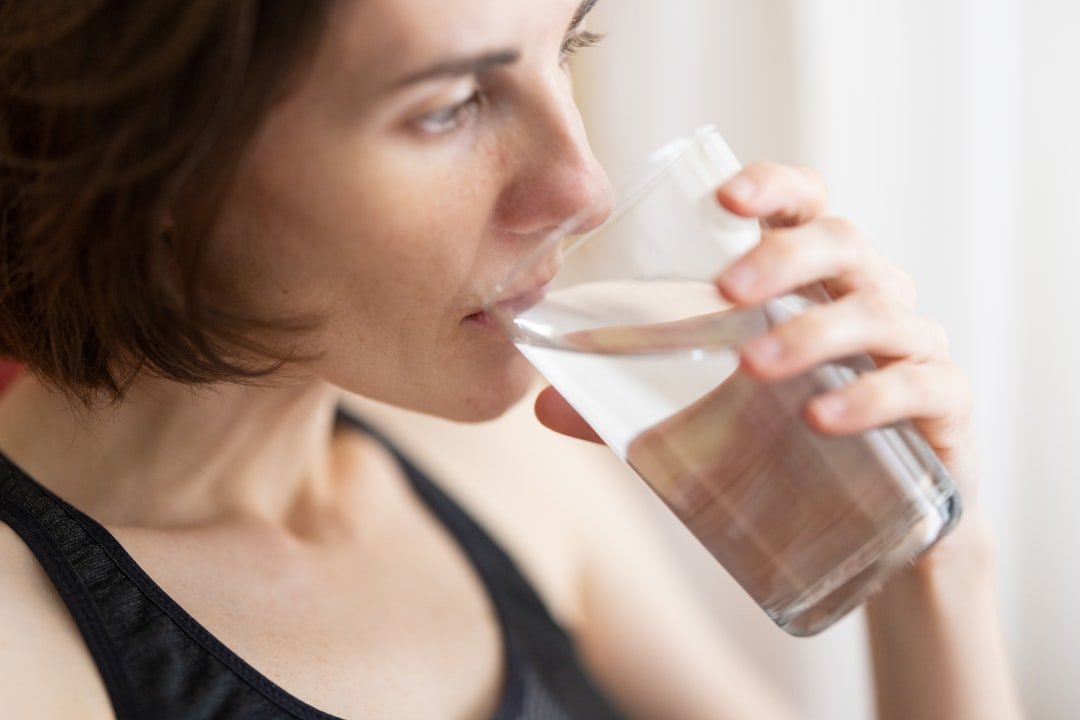
Why Hydration Is the Foundation of Every Healthy Body
The importance of hydration becomes especially clear in all seasons of our lives, when changes in activity, body composition, temperature regulation, and thirst cues can affect your daily fluid needs. Water makes up roughly 50 to 65 percent of your body weight and is present in everything from your blood and saliva to your joints and bones. Every single cell in your body depends on it to function. When your fluid intake falls short, normal functions such as temperature regulation, digestion, circulation, and physical performance may become less efficient.
Here is why staying well hydrated matters for your health every single day:
- Energy and focus — Even mild dehydration can reduce energy levels and make it harder to think clearly, affecting your mood, memory, and concentration.
- Joint and muscle function — Water lubricates your joints and helps your muscles contract and recover efficiently, which is especially important during and after exercise.
- Heart health — When you are well hydrated, your heart pumps blood more efficiently and your muscles work with less strain.
- Temperature regulation — Your body relies on water to manage heat through sweating, preventing overheating during physical activity or warm weather.
- Organ and kidney health — Adequate fluid intake helps your kidneys flush waste and may significantly reduce the risk of kidney stones and urinary tract infections.
- Healthy aging — NIH-supported research found that higher serum sodium levels in middle age were associated with greater risks of chronic disease and accelerated biological aging. The findings show an association and do not prove that drinking more water prevents these conditions.
- Digestive health — Water supports healthy digestion and helps prevent constipation by keeping things moving through your gastrointestinal tract.
- Skin health — Increasing daily water intake has been shown to improve skin hydration, particularly in those who are not drinking enough to begin with.
The importance of hydration may increase with advancing age because thirst cues can become less reliable, making consistent hydration habits increasingly valuable. That is why building intentional hydration habits matters more, not less, as the years go on.
Personalized Fitness for You is a one-on-one Personal Training studio based in Winona Lake, Indiana. With over 20 years of experience working with women through clinical and community-based settings, I have seen how the importance of hydration is often overlooked in conversations about fitness and healthy aging. In the sections ahead, I will walk you through everything you need to know — from how much water your body actually needs to practical strategies that fit into a full and busy life.
Why the Importance of Hydration Increases as Your Body Changes

Although the importance of hydration remains consistent, the amount of fluid a person needs may change throughout life. Body size, growth, physical activity, hormonal changes, health conditions, medications, and changes in body composition can all influence fluid balance.
Children and teenagers may need additional attention to hydration because they are often active, spend time outdoors, and may not recognize early signs of thirst. Encouraging regular water breaks can be especially helpful during sports, school activities, and warm weather.
Adults may experience changing fluid needs depending on their work environment, exercise habits, pregnancy, breastfeeding, climate, and overall health. Someone who works outdoors or exercises regularly may lose more fluid through sweat than someone completing less strenuous activities indoors.
The importance of hydration also becomes particularly noticeable during pregnancy and breastfeeding because the body requires additional fluid to support increased blood volume, milk production, and other physical demands. Individual recommendations should always come from a qualified healthcare professional.
As people grow older, total body water may gradually decrease and thirst cues can become less reliable. Certain medications and health conditions may also affect fluid balance. For that reason, older adults may benefit from drinking fluids consistently rather than relying entirely on thirst.
Regular fluid intake supports normal circulation, kidney function, digestion, temperature regulation, and movement at every age. You can explore these benefits further in our guide to the 10 Essential Benefits of Drinking Water to Help You Thrive.
How Much Water Do You Actually Need Every Day?
How much water should you drink each day? It is a simple question with no single answer. There is no single daily amount that is appropriate for everyone. Fluid needs vary with body size, activity, climate, health, pregnancy, and other factors.
General guidelines suggest that healthy adult women receive approximately 11.5 cups, or 2.7 liters, of total water each day. Healthy adult men may need approximately 15.5 cups, or 3.7 liters. These amounts include hydration in foods, especially fruit rather than plain drinking water alone. You can read more about these baseline figures directly in the Mayo Clinic guide, Water: How much should you drink every day?. Read this article from Mayo clinic to learn more.
When we design whole-istic programs for our clients, we look at several key factors that influence your unique hydration needs:
- Physical activity — If you engage in movement that causes sweating, you must increase your fluid intake. Exercise-related fluid needs vary with sweat rate, workout duration, temperature, and intensity. People completing prolonged or high-sweat activity may benefit from individualized hydration guidance.
- Environmental conditions — Hot, humid weather increases sweat rates, while high-altitude environments can speed up your breathing and cause you to lose more moisture through respiration.
- Overall health status — Illness can change fluid needs, but heart conditions, kidney conditions, certain medications, and other medical factors may require individualized guidance or fluid limits.
- Pregnancy and breastfeeding — Women who are pregnant or nursing require additional fluids to support their body’s increased metabolic demands.
The Importance of Hydration for Joint Health and Mobility
If you experience joint stiffness or discomfort when waking up, the importance of hydration cannot be overstated. Cartilage, the slippery connective tissue that cushions your joints, is made up of approximately 80 percent water. Cartilage contains a high proportion of water, and adequate hydration supports normal joint function. However, joint pain or stiffness should not be attributed to hydration alone.
To keep your joints moving smoothly, we combine proper hydration habits with targeted, low-impact exercise. If you are looking to build strength without straining your joints, we invite you to experience our studio training in Winona Lake, Indiana.
In the studio, we often utilize specialized equipment to support active aging. Our Pilates Reformer training is an excellent way to improve flexibility, core strength, and spinal alignment while remaining gentle on your joints. Consistent hydration can support normal joint and muscle function alongside appropriate exercise, mobility work, and recovery.
The Importance of Hydration for Brain Health and Cognitive Function
We often associate dehydration with physical fatigue, but its impact on the brain is just as profound. Even mild fluid deficits may affect attention, mood, perceived fatigue, and short-term cognitive performance in some people. It can also trigger headaches, increase feelings of anxiety, and contribute to brain fog.
To understand the deeper physiological connection between water and mental clarity, we can look to the National Institutes of Health. Their comprehensive review, Water, Hydration and Health – PMC – NIH, states that adequate hydration supports circulation, temperature regulation, and normal cellular function, all of which are relevant to cognitive performance.
For our busy clients who manage full schedules or prefer to exercise from the comfort of home, we offer highly personalized virtual training options. Our virtual coaching sessions, available throughout the continental United States, integrate physical exercise with cognitive health coaching. Sipping water throughout any workout is important! Or getting adequate hydration before or after any workout is key!
Recognizing the Signs and Risks of Dehydration
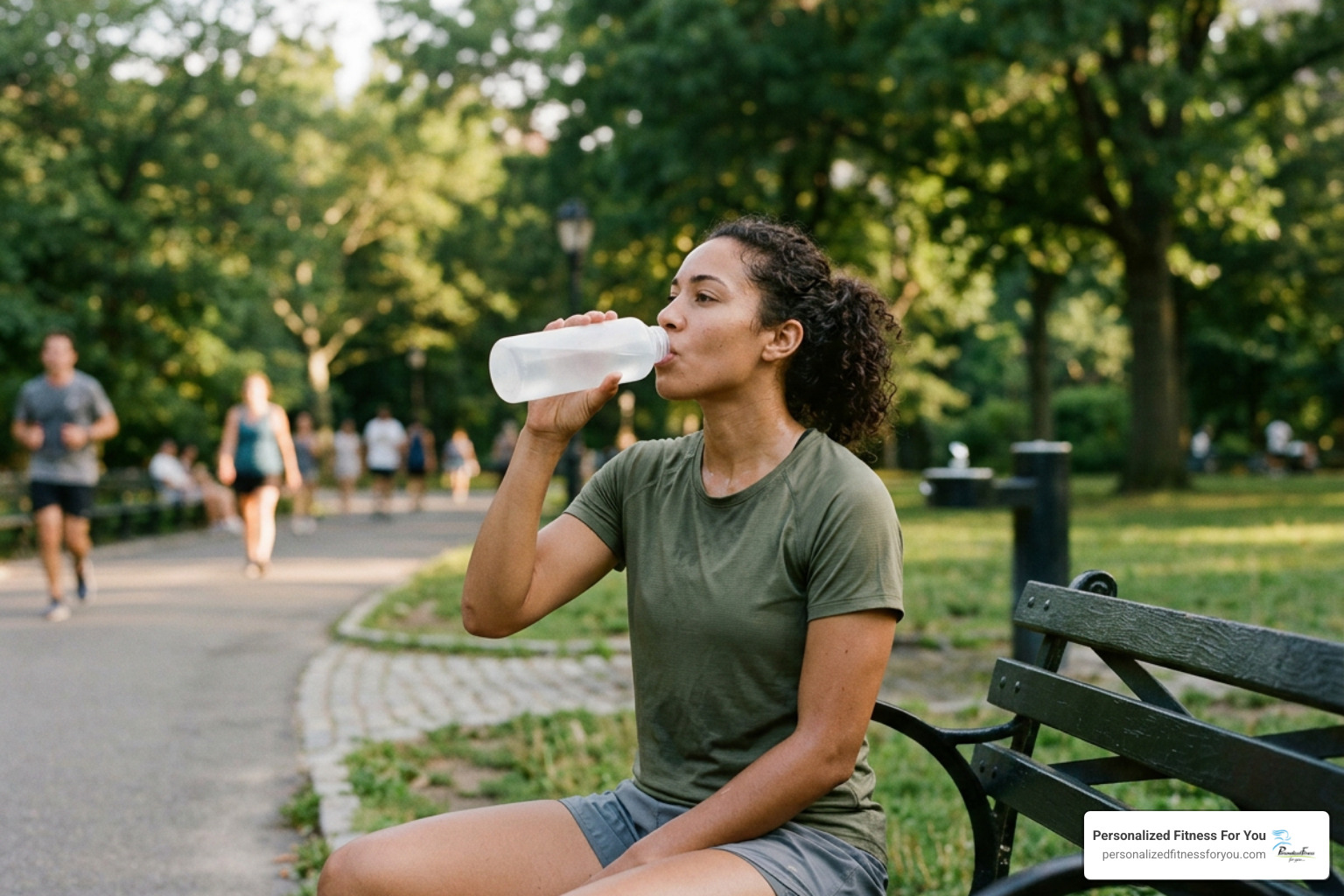
When you are out walking in the fresh air of Warsaw, Indiana, or enjoying outdoor activities in Kosciusko County, pay close attention to how your body feels. Waiting until your mouth is dry or you feel extremely thirsty means your body is already running low on essential fluids. The early signs of mild dehydration include:
- Changes in urine color — Your urine should ideally be pale yellow or straw-colored. Dark or concentrated urine can be one sign that you need more fluid, although foods, supplements, medications, and medical conditions can also affect urine color and odor.
- Physical fatigue and dizziness — A drop in fluid volume reduces your blood pressure, which can make you feel lightheaded, sluggish, or unusually tired.
- An elevated heart rate — With less water in your bloodstream, your heart has to beat faster to pump oxygen and nutrients to your muscles and organs.
- Headaches and muscle cramps — Dehydration can contribute to headaches, fatigue, dizziness, and muscle cramps, particularly during heat exposure or physical activity.
To learn more about how fluid loss impacts your physical performance, review the MedlinePlus guide on common symptoms of dehydration and when medical attention may be necessary.
If dehydration is left unaddressed, it can escalate into a serious medical issue. Severe dehydration can cause confusion, fainting, rapid breathing, and an inability to urinate. Severe dehydration can become a medical emergency. Seek prompt medical care for confusion, fainting, an inability to keep fluids down, or very limited urination.
Whole-istic Strategies to Stay Hydrated Throughout the Day
Staying hydrated does not mean you have to carry a massive water jug everywhere you go or force yourself to drink plain water continuously. A whole-istic, sustainable approach to hydration looks at your entire lifestyle, including your nutrition, daily habits, and beverage choices.
One of the most effective ways to support your hydration is through clean eating. Approximately 20 percent of our daily water intake actually comes from the food we eat. Incorporating water-rich foods into your meals is an excellent way to hydrate while feeding your body essential vitamins and minerals. Watermelon, strawberries, cucumbers, celery, tomatoes, and spinach all have a high water content and can contribute to total daily fluid intake.
Additionally, maintaining adequate protein intake is crucial at any stage of life to preserve muscle mass. Pair balanced meals with regular fluid intake, especially when increased activity or warm conditions lead to greater sweat loss.
If you do not enjoy the taste of plain water, staying hydrated does not have to feel like a chore. You can make water more appealing by adding fresh fruit, sliced cucumber, herbs, or a splash of citrus. Lemon, lime, oranges, berries, mint, basil, and ginger can add refreshing flavor without relying on sugar-sweetened beverages. Sparkling water and caffeine-free herbal tea can also contribute to your daily fluid intake. Experiment with different combinations until you find an option you look forward to drinking, because the best hydration habit is one you can maintain consistently.
If you find it challenging to build these habits on your own, a health coach can help you turn hydration goals into consistent routines that fit your schedule, activity level, and broader wellness plan. We invite you to read our guide on choosing a health coach to learn how personalized accountability can help you navigate these lifestyle shifts with ease and confidence.
A Simple Detox Water Recipe to Support Daily Hydration
Detox water is simply water infused with fresh fruits, vegetables, or herbs. While no drink can “detox” the body on its own, infused water can make plain water more appealing and help you drink consistently throughout the day. This makes it a refreshing way to support the importance of hydration and build healthier daily habits. Make drinking water refreshing by adding lemon or lime to your H20.
Cucumber, Lemon, and Mint Detox Water
Ingredients:
- 6 to 8 cups of cold water
- ½ cucumber, thinly sliced
- ½ lemon, thinly sliced
- 6 to 8 fresh mint leaves
- Ice, if desired
Instructions:
- Add the cucumber, lemon, and mint to a large pitcher.
- Pour the water over the ingredients and stir gently.
- Refrigerate for at least one hour to allow the flavors to infuse.
- Serve chilled and enjoy throughout the day.
- Discard the fruit and herbs after 24 hours and prepare a fresh batch as needed.
This recipe is naturally refreshing and contains no added sugar. You can also customize it with strawberries, oranges, berries, basil, or ginger based on your preferences. The best hydration choice is one you enjoy enough to make part of your regular routine.
Frequently Asked Questions About Hydration
Can you drink too much water?
While it is far more common to drink too little water, it is indeed possible to drink too much. This condition is known as overhydration or water intoxication, and it can lead to a potentially life-threatening state called hyponatremia.
Hyponatremia occurs when you consume an extreme amount of water in a short period, overwhelming your kidneys’ capacity to excrete fluid. Hyponatremia can occur when water intake outpaces the body’s ability to eliminate it, particularly when large volumes are consumed rapidly or medical factors impair fluid balance. If you exceed this limit, the excess water dilutes the essential sodium levels in your bloodstream. Sodium is critical for regulating the fluid balance inside and outside your cells, and when sodium levels drop too low, it can cause your cells to swell, leading to symptoms like confusion, headaches, nausea, and in severe cases, seizures.
To prevent overhydration, we recommend spacing your fluid intake evenly throughout the day rather than drinking massive quantities all at once. During prolonged or high-sweat exercise, fluid and electrolyte needs vary. Seek individualized guidance rather than assuming an electrolyte product is necessary for every workout.
Do You Need Electrolyte Drinks?
Most people do not need an electrolyte drink for routine daily activities or shorter, lower-intensity workouts. Water and balanced meals are often sufficient.
Electrolyte needs may increase during prolonged exercise, heavy sweating, extreme heat, illness, or other circumstances involving substantial fluid loss. The importance of hydration includes recognizing that water and electrolyte needs vary depending on the situation.
Choose electrolyte products carefully, as some contain significant amounts of added sugar, caffeine, or sodium. A qualified healthcare or fitness professional can help you determine what is appropriate for your needs.
Conclusion
The importance of hydration extends across every age and stage of life. From supporting digestion and temperature regulation to contributing to normal physical and cognitive function, consistent fluid intake plays an essential role in everyday wellness.
Hydration does not need to be complicated. Drink regularly, adjust your intake based on activity and environment, include water-rich foods, and choose beverages you enjoy. Pay attention to how your body responds and seek individualized medical guidance when health conditions, medications, pregnancy, or other factors affect your fluid needs.
At Personalized Fitness For You, we believe wellness is a whole-istic journey that honors the spirit, mind, and body. We provide a supportive and shame-free environment where clients can improve strength, mobility, confidence, and everyday habits. Whether you train at our studio in Winona Lake, Indiana, or connect through virtual coaching, we are here to provide personalized guidance for your wellness journey.
Ready to make the importance of hydration part of a sustainable wellness routine? Schedule your Personalized Fitness Assessment with Joy at Personalized Fitness For You to create a practical plan for your movement, health, and daily habits.
Philippians 4:13