

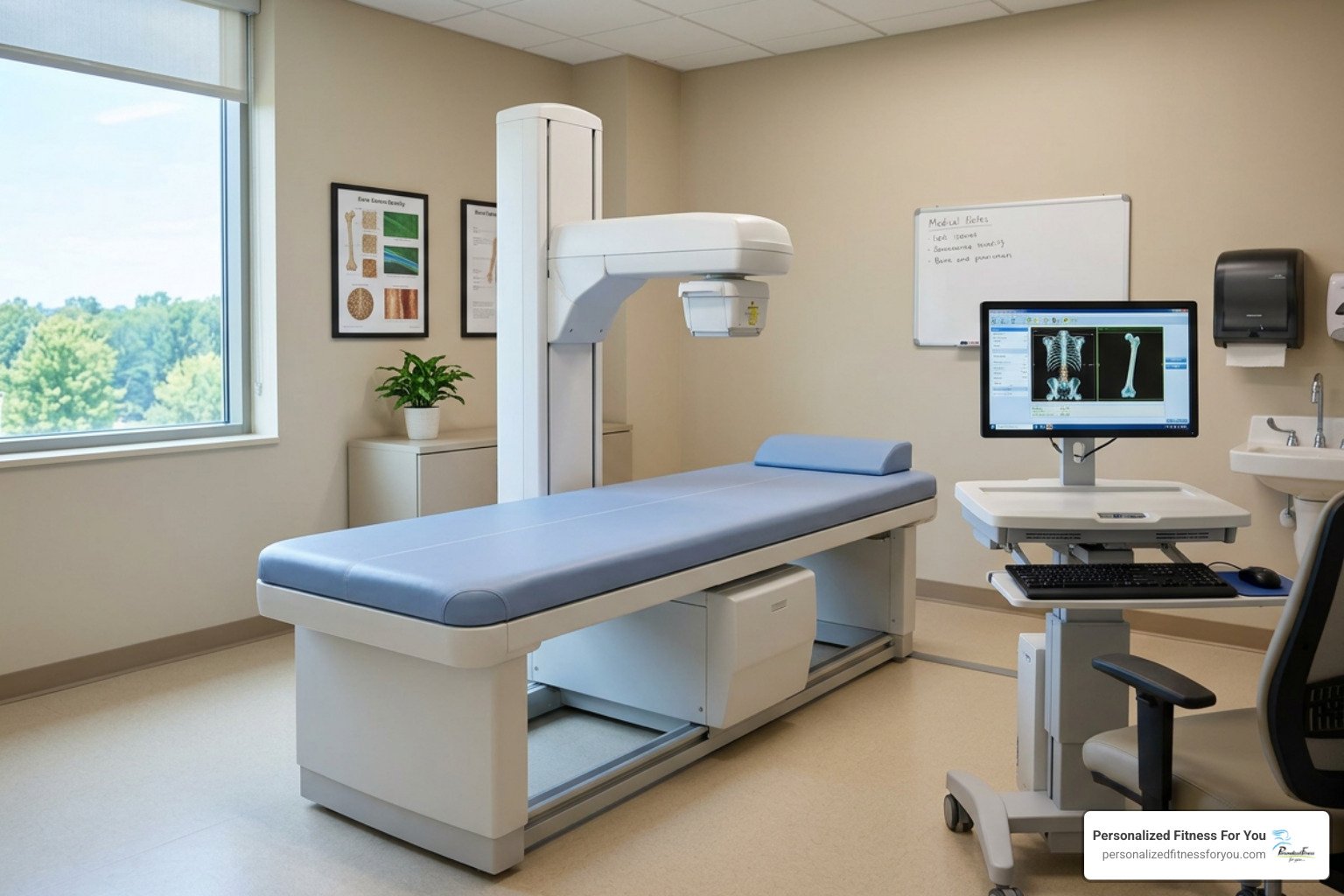
What Is a DEXA Scan and Why It Matters for Your Bone Health
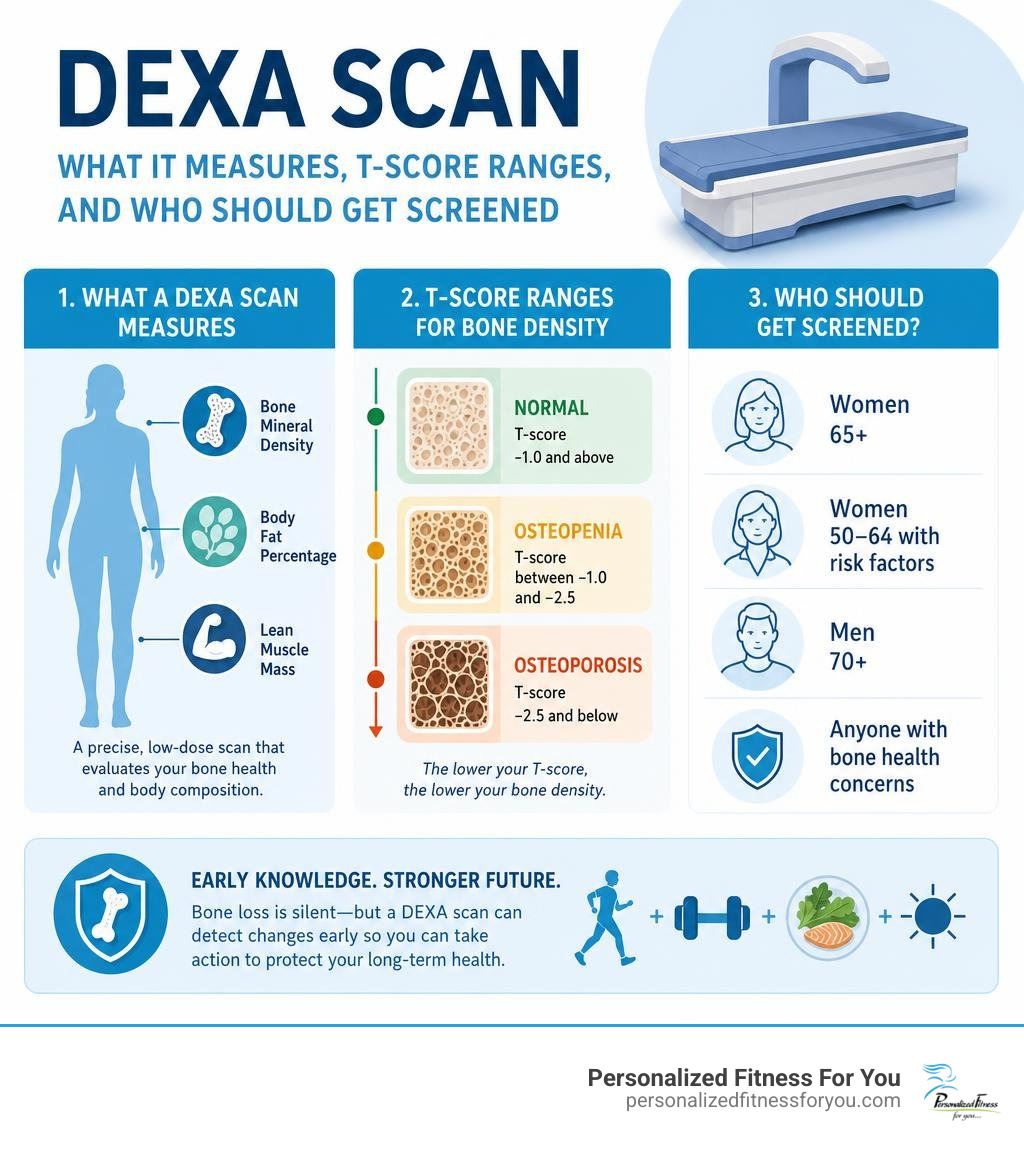
A DEXA scan, also called a DXA scan, is a quick, noninvasive imaging test primarily used to measure bone mineral density and assess osteoporosis and fracture risk. Certain whole-body DEXA protocols can also estimate body fat and lean mass. Here is a quick overview of what you need to know:
| Key Fact | Detail |
|---|---|
| What it measures | Bone mineral density, body fat, and lean muscle mass |
| Primary use | Diagnosing osteoporosis and osteopenia; assessing fracture risk |
| Who it’s for | Women aged 65+, postmenopausal women younger than 65 who are determined to be at increased fracture risk, and others referred for testing by a healthcare provider. Can be used prior to 65 years of age. |
| How long it takes | Approximately 10–30 minutes from start to finish |
| Radiation exposure | Extremely low — less than one-tenth of a standard chest X-ray |
| Results | Reported as a T-score and Z-score for bone density classification |
What makes this test so valuable — especially as your body changes through midlife — is that bone loss is almost entirely silent. Bone loss often progresses without noticeable symptoms and may not be discovered until a screening test or fracture brings it to light. The 2025 USPSTF recommendation advises osteoporosis screening for women age 65 and older and for postmenopausal women younger than 65 who are determined to be at increased fracture risk. For women navigating the hormonal shifts of perimenopause and beyond, that reality deserves serious attention.
Understanding what a DEXA scan measures—and how to discuss the results with your healthcare provider—can help you make informed decisions about your long-term bone health.
Hi, I’m Joy, founder of Personalized Fitness For You and a certified Bone Health and Osteoporosis Instructor with over 20 years of experience working with women through every stage of active aging. Understanding how a DEXA scan works and what the information it reveals to us is important as we design our workout plan.
Understanding the DEXA Scan and How It Works
A DEXA scan uses two low-dose X-ray beams to measure bone mineral density, making central DXA the established standard for diagnosing osteoporosis. Unlike a traditional X-ray that simply captures a flat shadow of your anatomy, dual-energy X-ray absorptiometry sends two distinct low-dose radiation beams through your body. One beam is easily absorbed by soft tissue like muscle and fat, while the other is absorbed by denser bone mineral tissue.
By measuring the difference in how these two spectral energy beams pass through your body, the scanner estimates bone mineral density at the measured sites and reports standardized results that help clinicians evaluate bone loss and fracture risk. The results provide information about bone mineral density and relative fracture risk, usually reported through T-scores and Z-scores.
If you want to dive deeper into the clinical mechanics of this technology, you can explore the Scientific research on dual-energy X-ray absorptiometry through the National Institutes of Health.
At our studio, we believe that data is only as good as the action you take with it. Knowing your bone density is the first step toward protecting your mobility, maintaining your active lifestyle, and enjoying long-term vitality. If you are ready to take a proactive step, we invite you to Book a Personalized Fitness Assessment with us today so we can begin building a safe, supportive plan tailored specifically to your body’s needs.
Who Needs a Bone Density Test and When to Get Screened
As we transition through midlife, estrogen levels naturally decline. This hormonal shift accelerates postmenopausal bone loss, which significantly increases the risk of developing osteopenia or osteoporosis. Because bone thinning happens without any outward symptoms, regular screening is essential to protect your skeletal health.
According to the official CDC guidelines on bone density scans, routine bone density testing is recommended for all women aged 65 and older. However, for postmenopausal women younger than 65, clinicians should first evaluate osteoporosis risk factors and then use a clinical risk-assessment tool when appropriate. These risk factors include a family history of hip fractures, a history of smoking, a lower-than-average body weight, or the long-term use of certain medications like corticosteroids.
To help you understand how medical professionals classify bone health based on your DEXA scan results, we have put together this simple reference table:
| T-Score Range | Bone Health Classification | What It Means |
|---|---|---|
| -1.0 or higher | Normal Bone Density | Your bones are considered healthy and strong. |
| Between -1.0 and -2.5 | Osteopenia | You have low bone mass, which increases your risk of osteoporosis. |
| -2.5 or lower | Osteoporosis | Your bones have lost significant density, making them fragile and prone to fracture. |
If your results fall into the osteopenia or osteoporosis range, please know that you are not powerless. Appropriate exercise can support bone health, improve muscular strength and balance, and help reduce fall risk as part of a broader plan developed with your healthcare team. You can read More info about bone density management to learn how we help women navigate these changes with confidence.
How to Prepare for Your Scan and What to Expect
Preparing for a DEXA scan is incredibly simple, but there are a few important steps you should take to ensure your results are as accurate as possible.
Follow the preparation instructions from your imaging facility. Many facilities advise avoiding calcium supplements for at least 24 hours before a DEXA scan. Calcium supplements may interfere with the image, which is why many facilities ask patients to pause them before the exam.
Second, you should wear loose, comfortable, metal-free clothing on the day of your test. Zippers, metal buttons, snaps, underwires, and jewelry can interfere with the X-ray beams, so choosing activewear with an elastic waistband is always your best bet. If you have recently had a medical test involving contrast dye or a barium study, tell the imaging facility if you recently had a barium exam, CT contrast injection, or radioisotope scan; you may be asked to wait approximately 10 to 14 days.
When you arrive for your appointment, the entire procedure is quick, painless, and completely non-invasive. You will lie flat on a padded table while a mechanical scanning arm slowly passes over your body. The technician will typically focus on your lumbar spine and your hips, as these are the most common sites for fractures.
The active scan itself only takes about 10 to 15 minutes, and the entire appointment is usually completed within 30 minutes. The DEXA scan is generally painless, and most people can return to their normal activities immediately afterward.
Once you have your results, we can help you understand how to move your body safely. For guidance on protecting your joints and spine, you can find More info about navigating bone loss on our blog. If you have been diagnosed with low bone mass, we also offer More info about osteopenia strength training to help you build functional strength without risking injury.
Finding the Best DEXA Scan Providers Near Warsaw, Indiana
For our local community members, we are incredibly fortunate to have excellent medical facilities right here in Kosciusko County and the surrounding areas. You do not have to travel far to get a high-quality, clinical-grade DEXA scan.
Most hospitals offer a DEXA scan. Contact the hospital or speak with your referring healthcare provider for current appointment instructions. They provide comprehensive, professional imaging services that will give you and your doctor a clear picture of your current skeletal health.
If you are willing to look slightly outside of Warsaw, Indiana, or if you reside in neighboring areas like Columbia City, Nappanee, or Plymouth, you can search for other certified DEXA Scan locations in Indiana to find a facility that fits your schedule.
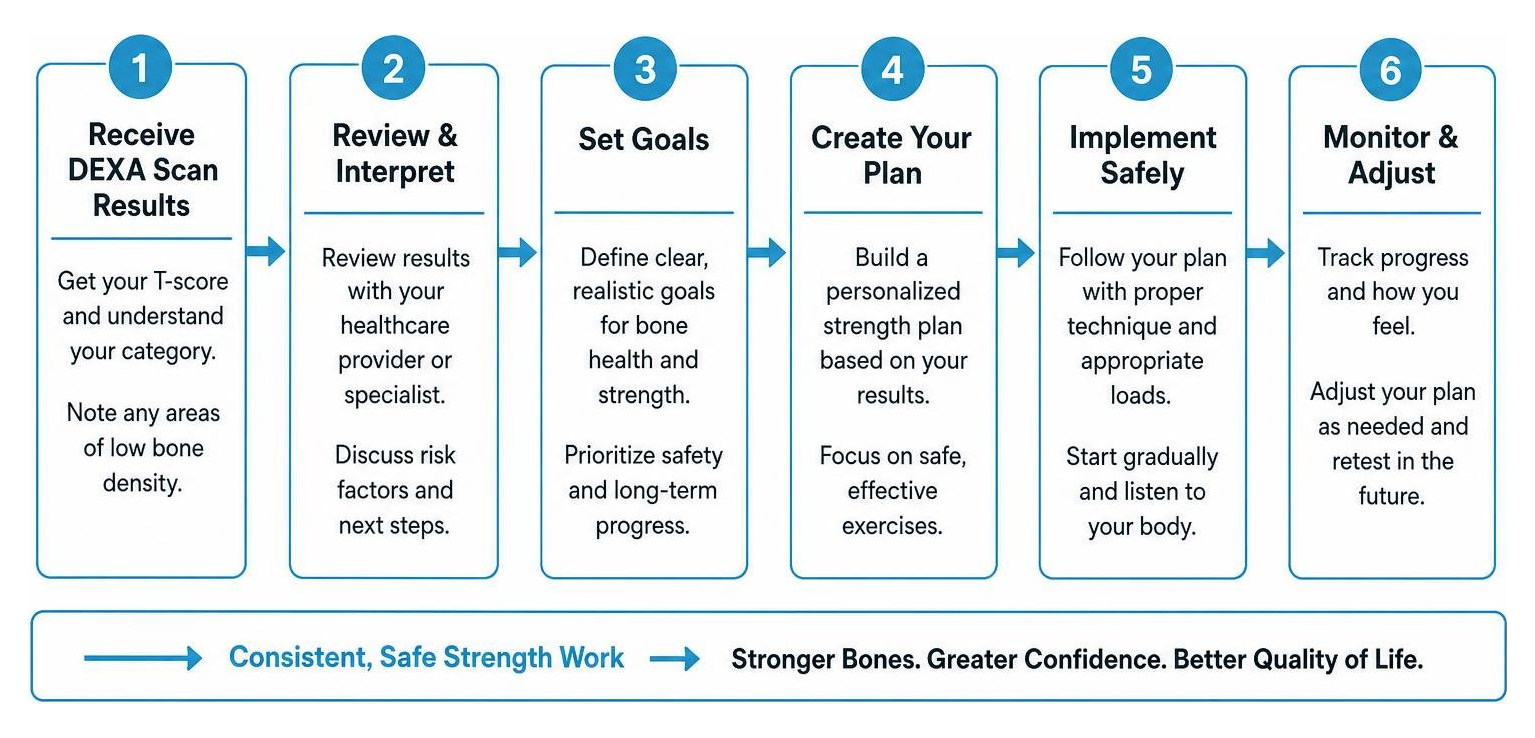
After your healthcare provider interprets your DEXA scan results, Personalized Fitness For You can help translate the resulting movement recommendations into a safe, personalized fitness plan. At Personalized Fitness For You, we take those clinical numbers and translate them into a personalized, real-world action plan. Whether you choose to train with Joy in the studio in Winona Lake, Indiana, or prefer the convenience of our virtual coaching throughout the continental United States, we are here to support you every step of the way.
Translating Your Results Into a Whole-istic Strength Plan
At our studio, we look at bone health through a whole-istic wellness lens, which means we address the spirit, mind, and body as one connected system.
Building stronger bones requires a combination of proper nutrition and targeted exercise. From a dietary perspective, Nutrition that supports bone health typically includes adequate protein and key nutrients, with individual recommendations discussed with a qualified healthcare professional or registered dietitian.
When it comes to movement, your bones respond directly to mechanical stress. Weight-bearing activity and progressive resistance training can support bone health, but the safest type and intensity should reflect your diagnosis, fracture risk, experience, and healthcare guidance. However, we must always prioritize safety and avoid movements that put excessive, unaligned pressure on your spine or joints.
To help you get started, we have put together several comprehensive guides on our website. You can explore More info about osteoporosis and strength training to understand how resistance work safely stimulates bone remodeling.
Frequently Asked Questions About Bone Density Testing
How often should I repeat a DEXA scan to monitor bone loss?
There is no single repeat-testing interval for everyone. Your healthcare provider should determine when to repeat a DEXA scan based on your baseline results, age, fracture risk, treatment status, and medical history. This timeframe gives your bones enough time to respond to your strength training routine, dietary changes, or medical treatments, allowing your doctor to measure significant changes.
If you are actively tracking body composition changes rather than bone density, some fitness professionals suggest scanning more frequently. Some patients are monitored at approximately two-year intervals, while others may wait longer; follow the schedule recommended by the clinician managing your bone health. You can review the Updated practice guideline for dual-energy X-ray absorptiometry (DXA) to see how international bone health societies approach long-term monitoring.
What is the difference between a T-score and a Z-score?
A DEXA scan T-score compares your bone mineral density with the peak bone density of a healthy young adult of the same sex. T-scores are generally used to classify bone density in postmenopausal women and men aged 50 and older.
Your Z-score, on the other hand, compares your bone density to what is typically expected for someone of your same age, gender, and ethnic background. This score helps your healthcare provider determine if there is an underlying medical condition, other than natural aging, causing your bone loss.
To learn more about how these scores are calculated and interpreted, you can visit the Bone density scan (DEXA scan) – NHS overview page.
Conclusion
Your bones are the literal foundation of your active life. Learning that your bone density has changed can feel challenging, but the results give you and your healthcare team useful information for planning your next steps. With the right guidance, a nourishing clean-eating plan, and a safe, progressive strength training routine, you can protect your mobility, cultivate vibrant energy, and continue doing all the things you love.
At Personalized Fitness For You, we specialize in helping women navigate these midlife changes with grace, strength, and joy. We are here to help you design a whole-istic, shame-free movement plan that respects your joints, protects your spine, and lifts your spirit. Whether you join us in the studio in Winona Lake, Indiana, or connect with us through our virtual coaching throughout the continental United States, you will find a supportive and welcoming environment.
After your healthcare provider has reviewed your DEXA scan results, the right movement plan can help you approach your bone health with greater confidence. Personalized Fitness For You creates safe, supportive fitness programs designed around your current abilities, personal goals, and healthcare recommendations. Whether you train with Joy in Winona Lake or connect virtually, you will receive guidance that respects your body and supports long-term strength, balance, and mobility. Schedule your Personalized Fitness Assessment today to begin building a personalized path forward.


