


Stress Management Matters for Your Whole-istic Well-being
Stress management is your body’s ability to respond to life’s demands in a way that protects your physical health, emotional balance, and spiritual peace. For women in the Winona Lake and Warsaw area, that often means finding solutions that fit a busy schedule, honor joint comfort, and support safe, sustainable routines as your body changes. Leading health organizations, including the American Heart Association, the National Institutes of Health, and the Mayo Clinic, note that chronic stress can affect heart health, brain function, immune response, sleep, and quality of life. When you strengthen your spirit, mind, and body together, you build steady resilience that lasts.
Stress is a normal part of life, but when it becomes constant, it can wreak havoc on your well-being. Your body’s natural alarm system, known as the “fight-or-flight” response, was designed to protect you from immediate threats. When your brain perceives danger, your hypothalamus signals your adrenal glands to release hormones like adrenaline and cortisol. These hormones increase your heart rate and blood pressure, preparing you to face the challenge. This response is incredibly useful in true emergencies, but the nonstop demands of modern life can keep this alarm system on high alert, leading to chronic stress that disrupts nearly every system in your body.
The impact of chronic stress is far-reaching. Physically, it can weaken your immune system, making you more susceptible to illness. It increases your risk for heart disease and high blood pressure, disrupts your digestion, and interferes with quality sleep. Mentally, chronic stress can lead to anxiety, depression, difficulty concentrating, and memory problems. You might experience headaches, body aches, stomach problems, or skin conditions. Over time, poorly managed stress can lead to unhealthy coping behaviors and serious health complications.
But there is hope, and it is grounded in both practical wisdom and spiritual truth. In Matthew 11:28-30, Jesus extends an invitation that speaks directly to the heart of stress management: “Come to me, all you who are weary and burdened, and I will give you rest. Take my yoke upon you and learn from me, for I am gentle and humble in heart, and you will find rest for your souls. For my yoke is easy and my burden is light.” When you address stress from a spirit, mind, and body perspective, you create a foundation for true, lasting peace and vitality.
This guide will provide practical stress management techniques for women in the Winona Lake and Warsaw area and beyond. You will learn how stress affects your endocrine system, heart, and brain, find in-the-moment relief strategies, and explore lifestyle changes that build long-term resilience. You will also understand when it is time to seek professional support and how personalized guidance can meet your unique needs.
I’m Joy Grout, a Certified Health Coach and Functional Aging Specialist with more than 20 years of experience helping women integrate spirit, mind, and body practices for whole-istic wellness, including effective stress management strategies. My work is rooted in the belief that you can build resilience and reclaim your peace through personalized, sustainable approaches to movement, nutrition, and rest.
Ready to discover a fitness plan that works with your unique needs? Book your complimentary Personalized Fitness Assessment today!
Understanding Stress: The Mind, Body, and Spirit Connection
When we talk about stress management, understand that stress isn’t just “in your head.” It’s a powerful force that impacts every part of your being – your mind, your body, and even your spirit. For women navigating midlife in the Winona Lake and Warsaw area, understanding this connection is the first step toward reclaiming your peace and vitality.
How Stress Impacts Your Physical and Mental Health
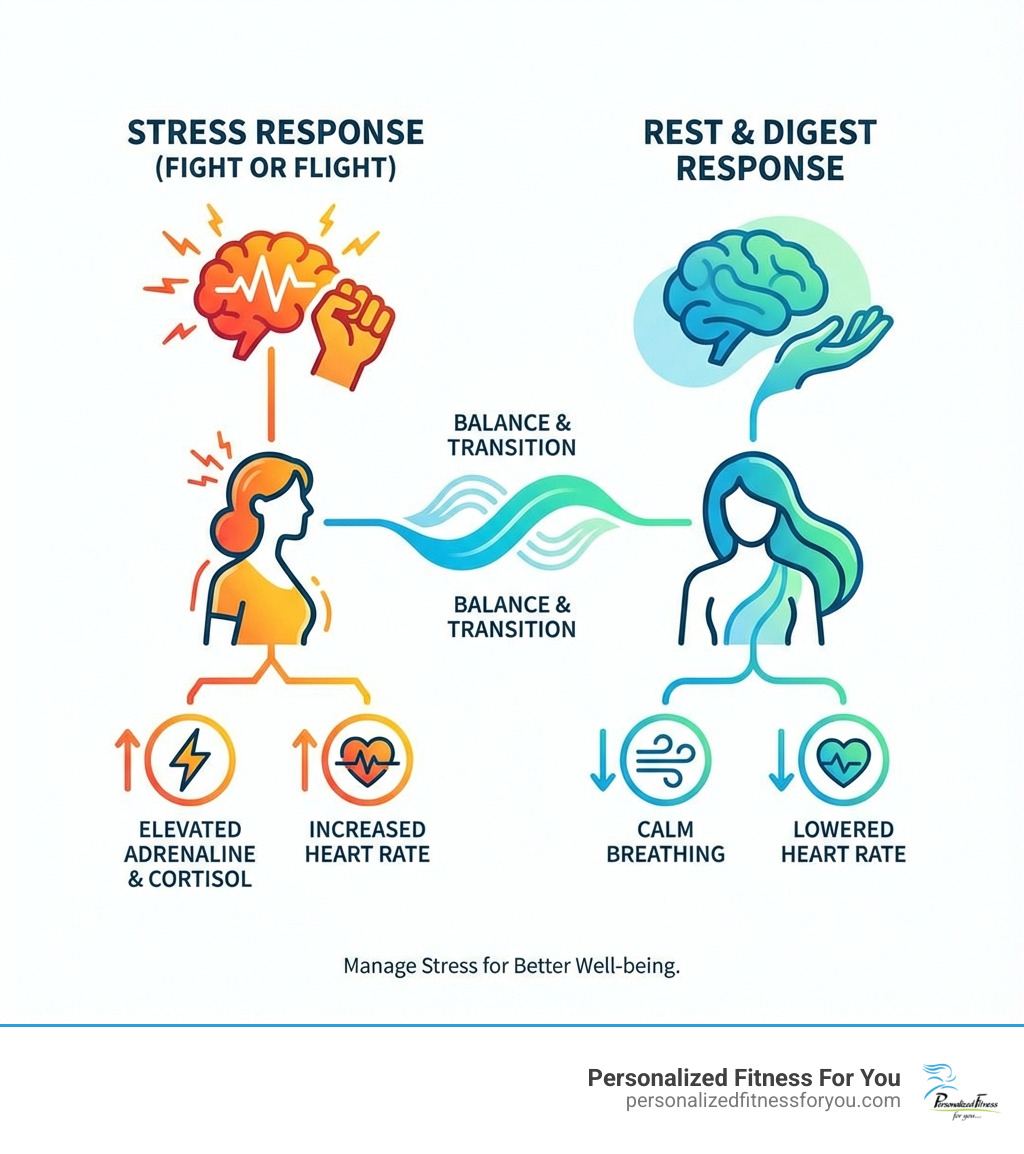
Our bodies have a built-in alarm that turns on when we feel pressure or danger. This “fight-or-flight” response helps you act fast. Your body releases stress hormones like adrenaline and cortisol. Adrenaline speeds up your heart, raises blood pressure, and gives you a quick burst of energy so you can respond. Cortisol helps keep you alert and fuels your muscles. To save energy, your body also pauses things that are not urgent, such as digestion and some immune activity.
This system is helpful in short bursts. But when it stays on too long, it can leave you tense, tired, and unfocused. Over time, constant stress may disrupt your sleep and digestion and put extra strain on your heart and overall health.
While this response is vital for acute danger, its chronic activation in modern life, due to ongoing pressures, can be detrimental. Over time, constant stress can weaken your immune system, making you more vulnerable to illness and slowing down healing. It significantly impacts your heart health, contributing to high blood pressure, chest pain, and an increased risk of heart disease. Research from leading health organizations highlights the critical link between stress and heart health, emphasizing that how much stress you experience and how you react to it can lead to a wide variety of health problems.
Beyond the physical, chronic stress wreaks havoc on your mental and emotional well-being. It can narrow your ability to think clearly, function effectively, and enjoy life. You might experience anxiety, depression, or even panic attacks. Your brain health suffers, leading to impaired concentration, difficulty making decisions, and even memory problems. The constant mental load can manifest in physical symptoms like persistent headaches, body pains, stomach problems, or skin rashes. Many women find that chronic stress can worsen existing health problems and mental health conditions. It can also lead to unhealthy coping behaviors, such as increased use of alcohol or substances, or changes in eating habits. Understanding these profound effects is crucial for effective stress management.
This isn’t just about taking a break; it’s about shifting your perspective and finding inner peace. When we anchor ourselves in this spiritual truth, we learn to release burdens that are not ours to carry, fostering a sense of calm even amidst life’s storms. Incorporating practices like gratitude and positive thinking can reinforce this foundation. Gratitude, for instance, has been shown to reduce stress and improve overall well-being. By consciously acknowledging the good in our lives, we can shift our focus away from stressors and cultivate a more peaceful mindset. This spiritual grounding is a powerful component of effective stress management, allowing us to pursue a deep, restorative rest that goes beyond mere physical repose.
Practical Stress Management Techniques for Everyday Life
When life feels overwhelming, having immediate tools for stress management can make all the difference. This section provides actionable strategies you can use right away to calm your nervous system and regain a sense of control when you feel overwhelmed. These techniques are accessible and can be practiced anywhere, offering quick relief when you need it most.
In-the-Moment Stress Relief Strategies
One of the most powerful tools for immediate stress management is deep breathing. Our breath is directly connected to our nervous system, and by consciously controlling it, we can activate the body’s relaxation response.
- Diaphragmatic Breathing. Also known as “belly breathing,” this technique involves inhaling deeply through your nose, allowing your abdomen to balloon out, and then exhaling slowly through your mouth. This deep, rhythmic breathing signals your body to calm down, reducing heart rate and blood pressure.
- Box Breathing. This simple technique involves inhaling for a count of four, holding your breath for a count of four, exhaling for a count of four, and then holding your breath again for a count of four. Repeat this cycle several times to reset your nervous system.
- 4-7-8 Breathing. This technique involves inhaling quietly through your nose for a count of four, holding your breath for a count of seven, and then exhaling completely through your mouth with a gentle whoosh for a count of eight. This rhythm promotes relaxation and can help with sleep.
- Reach out to others. Call a friend to connect. Sign up for counseling to learn how to identify the true source of stress. Consider reaching out to your local church for groups that may be of interest to you. Look for organizations you believe in that you would like to partner with! Positively connecting with others is important and vital for our health. We were created to connect in healthy ways.
Beyond breathing, grounding techniques can bring you back to the present moment when stress pulls your attention away. Engage your senses by noticing five things you can see, four things you can feel, three things you can hear, two things you can smell, and one thing you can taste. This simple practice helps redirect your focus away from anxious thoughts.
Quick physical releases, such as gentle stretching or a brief walk, can also provide immediate relief. Even a few minutes of movement can help release pent-up tension and shift your mental state.
Identifying and Navigating Your Personal Stress Triggers
Effective stress management begins with self-awareness. To truly manage stress, we must first understand what causes it. Keeping a stress journal is an excellent way to identify your personal stress triggers. For a week or two, make a note of situations that make you feel angry, tense, worried, or irritable. Document how you felt, how you reacted, and what you did to try and feel better. This practice can reveal patterns in your habits, attitude, and even the excuses you make, helping you pinpoint what is really creating stress.
Once identified, we can navigate these triggers using a framework known as the 4 A’s of stress management:
- Avoid. Not all stress is avoidable, but some is. Learn to say no to unnecessary commitments, avoid people who consistently cause stress, and take control of your environment by removing known stressors.
- Alter. If you cannot avoid a stressful situation, try to alter it. Express your feelings openly and respectfully, be willing to compromise, and be assertive in communicating your needs.
- Adapt. Sometimes, we cannot change the stressor, but we can change our reaction to it. Reframe problems from a more positive perspective, adjust your standards by letting go of perfectionism, and practice gratitude.
- Accept. For stressors that cannot be avoided, altered, or adapted to, acceptance is key. Let go of what you cannot control, look for the upside in challenging situations, and practice forgiveness.
- Pray, connect, meditate, or journal. Find ways to reach outside of the stress box you may be settling into. If stress continues to rise, seek out professional help and counsel.
Setting boundaries is a powerful act of self-care and a vital component of stress management. Protect your time, energy, and emotional space. Pair this with simple time-management steps by prioritizing tasks, breaking large projects into smaller steps, and delegating when helpful. This four-part approach is widely used by health professionals and aligns with practical, everyday skills that reduce overwhelm.
Building Resilience: A Whole-istic Approach to Long-Term Stress Management
Building long-term resilience against stress requires a whole-istic approach, integrating consistent lifestyle habits that nurture your spirit, mind, and body. This section explores the foundational pillars of movement, nutrition, and rest, which are key to sustainable stress management.
The Role of Physical Activity in Effective Stress Management

Physical activity is a powerful tool for stress management, offering both immediate relief and long-term resilience. When you engage in exercise, your body releases endorphins that improve mood and support a steady sense of well-being. Regular movement also helps regulate stress hormones like cortisol and adrenaline over time, allowing your nervous system to return to balance.
For women in midlife and beyond, rhythmic exercises such as brisk walking, cycling, swimming, or dancing can be especially supportive. These movements provide a consistent, soothing rhythm that helps quiet the mind and refocus attention away from daily worries. Personalized guidance ensures your routine considers joint comfort, previous injuries, and energy levels. If you prefer hands-on support, explore in-person training. If you want expert coaching from home, our virtual training option offers the same personal attention.
A sustainable routine is essential for long-term success. Generic workouts rarely account for unique needs, which is why a tailored plan makes such a difference. Our personalized approach ensures that your fitness plan supports your goals and lifestyle, making it an enjoyable and consistent part of your stress management strategy. Regular physical activity not only improves your mood and energy but also supports cognitive function and emotional well-being.
Fueling Your Body to Fight Stress
What you eat profoundly impacts your ability to manage stress. A clean eating approach, focusing on whole, unprocessed foods, provides consistent energy and the nutrients your body needs to function well. Choosing lower-glycemic carbohydrates helps stabilize blood sugar to reduce energy spikes and crashes that can intensify stress. Prioritize protein from sources such as fish, poultry, legumes, and nuts to support muscle and bone health and to provide building blocks for mood-regulating neurotransmitters. A health coach can help you develop a nutrition strategy that aligns with your stress management goals as part of your customized wellness plan.
The Importance of Rest and Connection
Adequate sleep is a cornerstone of stress management. During sleep, your brain and body recharge, process emotions, and consolidate memories. Most adults benefit from 7 to 9 hours of quality rest each night. Establish a relaxing bedtime routine, dim evening light, and reduce screens to signal your body that it is time to wind down. Trusted health organizations emphasize sleep as a pillar of overall wellness, especially for heart and brain health.
Connection with others is also powerful. Social contact supports hormones that counter the fight-or-flight response, while hobbies you enjoy create space for recovery. Whether it is a walk with a friend, a community group, or quiet time with music or reading, these moments build resilience. If you would like expert support designing a movement plan that fits your life, you can work with us in person or from home.
When to Seek Professional Guidance for Stress
It is a sign of strength to ask for support when stress becomes challenging to manage. There are dedicated professionals who can help you navigate these challenges with tools and strategies shaped around your unique situation. Recognizing when you need help is a crucial step in your stress management journey.
How a Health Coach Can Help
Sometimes, despite your best efforts, stress can feel overwhelming. You might notice persistent feelings of anxiety or low mood, or find yourself turning to unhelpful coping mechanisms like excess alcohol, overeating, or withdrawal. These are signs that professional support could be helpful.
A health coach, like myself, plays a unique role in stress management. We work with you to identify the root causes of your stress, develop personalized strategies, and provide the accountability needed to make lasting changes. We don’t just offer general advice; we create a personalized plan that fits your lifestyle, taking into account your schedule, joint comfort, and any post-operative or medical recommendations. Whether it is refining your nutrition, optimizing your fitness routine, or building stronger coping skills, a health coach provides compassionate, expert guidance.
Additional Support and Resources
For chronic or severe stress, professional counseling and therapy can be invaluable. Therapists can help you develop practical strategies that change how you respond to stressors and support your long-term well-being. Many mental health professionals specialize in stress-related conditions and can provide evidence-based treatments that complement your whole-istic wellness approach.
If you are experiencing a crisis or feel unsafe, please reach out immediately. You are not alone, and help is available. If you are in crisis, contact the Suicide and Crisis Lifeline by dialing 988. You can also speak with your primary care provider for referrals or consult national helpline resources for treatment and support.
Conclusion
Stress management is a learnable skill and a continuous journey of integrating spirit, mind, and body practices. It’s about understanding your unique responses to life’s demands and equipping yourself with effective tools to navigate them with grace and resilience. We often feel like stress controls us, but the truth is, you have more control than you think. By adopting proactive strategies, nurturing your physical health, and grounding yourself spiritually, you can transform your relationship with stress.
At Personalized Fitness For You, we believe in a whole-istic approach to wellness, customized specifically for women. We can be your partner in this journey, helping you build sustainable habits that foster peace and vitality. If you’re ready to build a life with less stress and more vitality, let’s create a personalized plan together. Schedule your complimentary consultation with me, Joy, today by visiting our contact page and start your journey toward whole-istic well-being.