

Bone Loss Exercise: 3 Safe, Powerful Steps
Understanding Bone Loss and the Power of Movement
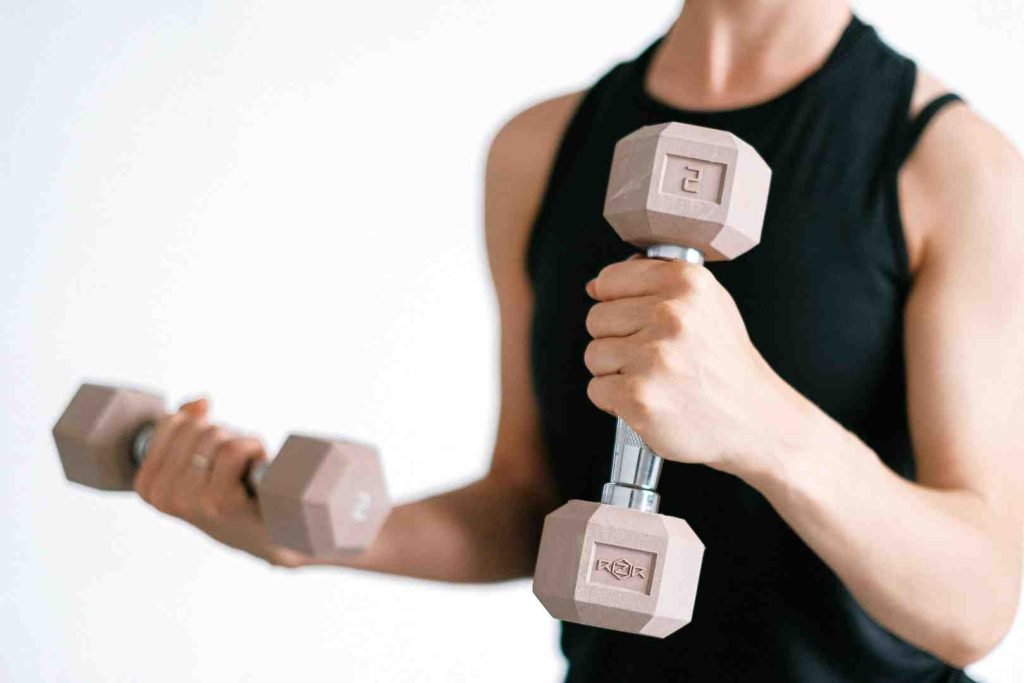
Bone loss exercise is a targeted approach to physical activity that helps maintain and improve bone density by applying mechanical stress to your skeleton through weight-bearing movements, progressive resistance training, and balance work. The most effective bone loss exercise programs combine activities like brisk walking or stair climbing with strength training using weights or resistance bands, performed consistently at least two to three times per week, while incorporating balance exercises to reduce fall risk and protect against fractures.
Safe Exercises for Bone Loss:
- Weight-bearing activities: Brisk walking, dancing, stair climbing (forces bones to work against gravity)
- Progressive resistance training: Bodyweight exercises, resistance bands, free weights (builds muscle that pulls on bones)
- Balance training: Static holds, dynamic movements, Pilates-based exercises (prevents falls and fractures)
- Recommended frequency: At least 150 minutes of moderate-intensity activity weekly, plus muscle-strengthening exercises 2-3 times per week. Meet yourself where your are and build slowly. Don’t let a recommended frequency number determine whether or not you will adhere to a program. Start where you are, and build slowly and you will see and feel the difference from your efforts.
- Key principle: Start slowly and progress gradually with proper form and technique
As your body changes, maintaining strong bones becomes essential for staying active, independent, and engaged in the life you love. Bone loss—whether you’re navigating early changes called osteopenia or more advanced osteoporosis—affects millions of women, but the encouraging truth is that your bones are living tissue that responds positively to the right kind of physical activity. This process of bone loss naturally begins to accelerate for many of us as our bodies change, but research shows that people who exercise consistently experience significantly less bone loss than those who don’t, and combining different types of exercise can reduce bone loss by more than three times compared to staying sedentary.
Here in the Winona Lake and Warsaw area, I often hear individuals concerned about bone health, but they aren’t sure where to start, or worry that exercise might be risky if they already have low bone density. The reality is quite different: when done correctly, exercise is one of the most powerful tools we have to strengthen bones, improve balance, and reduce fracture risk, addressing multiple health factors that medications alone cannot touch. Your bones respond to mechanical stress by becoming stronger and denser, and your muscles, balance, and coordination all improve together, creating a comprehensive shield against the consequences of bone loss.
I’m Joy Grout, owner of Personalized Fitness For You, and with over 20 years of experience, I’ve had the opportunity to guide women through safe, effective bone-strengthening exercise programs custom to their unique needs and current bone health status. My whole-istic approach focuses on building strength, confidence, and long-term wellness—not just managing a diagnosis, but encouraging you through the process. As a certified trainer and specialist in functional aging, I love what I do, and I am ready when you are! You are capable of amazing things! You truly are!
Understanding How Exercise Builds Stronger Bones
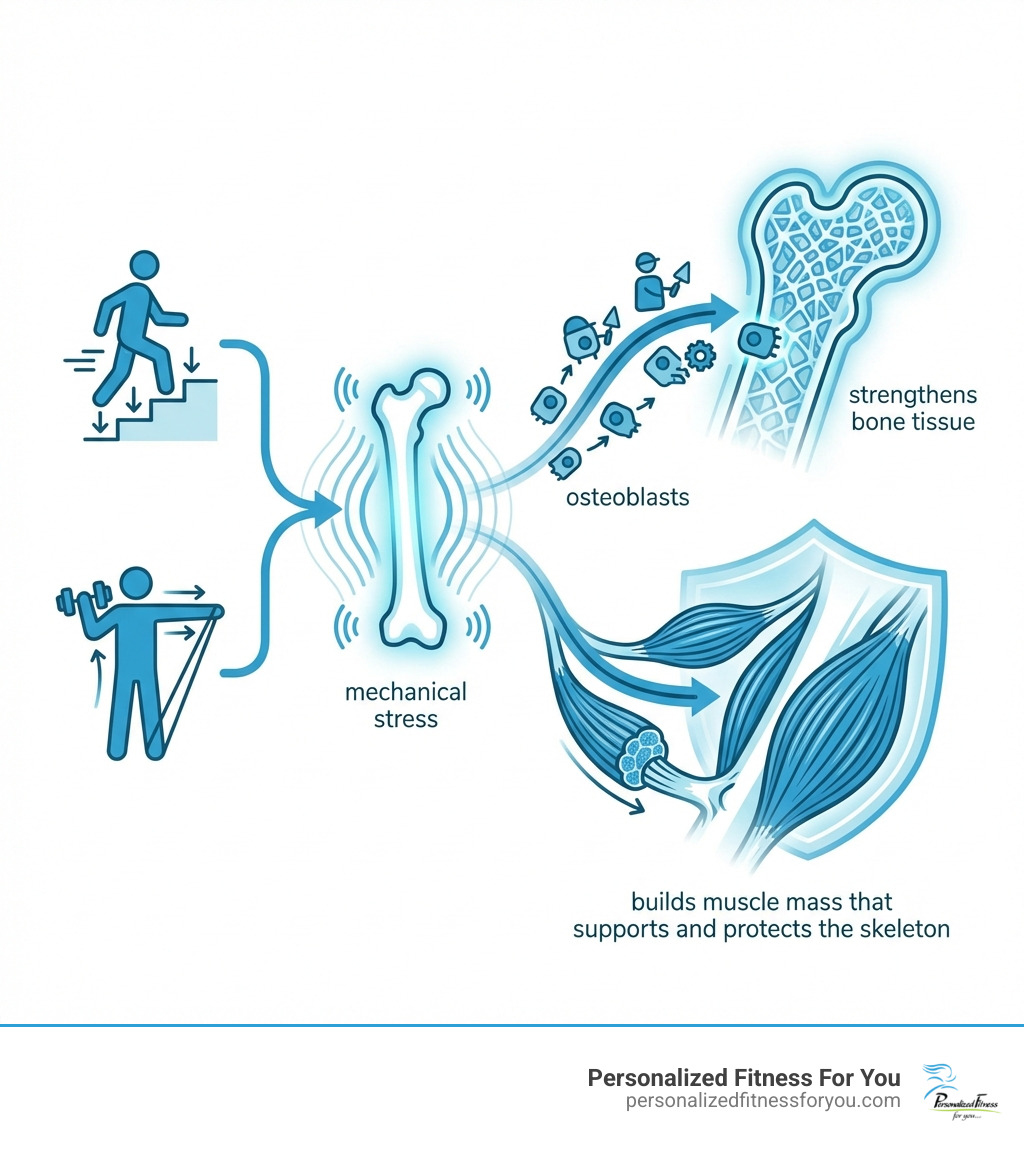
Exercise specifically benefits bone health and density by applying mechanical stress, which signals your bones to become stronger. Bone loss, often referred to as osteopenia in its early stages and osteoporosis when more severe, occurs when the rate of old bone breakdown outpaces the formation of new bone. This imbalance leads to weaker, more brittle bones that are susceptible to fractures. This process naturally begins to accelerate for many of us as our bodies change, with a gradual decline in bone mineral density each year. Factors like hormonal shifts, nutritional deficiencies, certain medications, and a sedentary lifestyle all contribute to this decline.
The good news is that our bones are incredibly adaptive living tissues. When your muscles pull on your bones, it creates a stimulating force that encourages them to renew and strengthen themselves, a principle often referred to as Wolff’s Law. This mechanical loading activates specialized bone-building cells called osteoblasts, which lay down new bone tissue, increasing bone mineral density and improving overall bone architecture. This bone loss exercise process is crucial; it maintains existing strength while stimulating new growth to reduce fracture risk. Studies, including those summarized by the National Institute on Aging, consistently show that individuals who engage in regular, appropriate exercise experience significantly less bone loss compared to those who do not. For instance, people who exercised had, on average, 0.85% less bone loss at the spine and 1.03% less bone loss at the hip than those who remained sedentary. This means that exercise acts as a powerful counterbalance to age-related bone degradation.
Beyond just increasing bone density, exercise also improves muscle strength, balance, and coordination, all of which are vital for preventing falls—the leading cause of fractures in active aging women. As we build stronger muscles, they provide better support and stability for our skeletal system. For women in the Winona Lake and Warsaw area, understanding this fundamental connection between movement and bone health is the first step towards a proactive strategy for longevity and well-being.
Ready to start an osteoporosis exercise plan tailored to your lifestyle? Book your complimentary Personalized Fitness Assessment today.
The Best Types of Bone Loss Exercise Programs
The most effective types of exercises for improving bone health are those that apply mechanical stress to the bones, specifically weight-bearing activities, muscle-strengthening exercises, and balance training. Combining these different modalities offers a comprehensive strategy to not only maintain or increase bone mineral density but also to improve overall physical function and reduce the risk of falls and fractures. Scientific research on exercise for bone health consistently supports a multi-modal approach, showing that people who engaged in combinations of exercise types had, on average, 3.2% less bone loss at the spine than those who did not exercise at all. This integrated approach aligns perfectly with our philosophy of personalized fitness plans, ensuring that every woman receives a program custom to her unique needs and goals.
Foundational Weight-Bearing Exercises
Foundational weight-bearing exercises are those where your feet and legs support your body’s weight, forcing your bones to work against gravity. This stress on the bones is what stimulates bone-building cells to lay down new tissue, making your bones stronger and denser. These types of activities are particularly effective for strengthening the bones in your hips, spine, and legs.
For many active aging women, effective weight-bearing options include:
- Brisk Walking: More than just a stroll, brisk walking lifts your heart rate and puts beneficial impact on your bones. Walking 3 to 5 miles a week can significantly contribute to bone health. To maximize the impact, consider incorporating a “walk and stomp” routine: every 10 steps or so, stomp each foot two or three times, imagining you’re trying to crush a can. This adds a greater jolt to your bones. Walking outdoors on natural ground can be more beneficial than using a treadmill, as it requires more active engagement from your leg muscles and joints.
- Dancing: Whether it’s ballroom, Zumba, or simply dancing around your living room, the varied movements and impacts involved in dancing make it an excellent weight-bearing activity. It also offers the added benefit of improving balance and coordination.
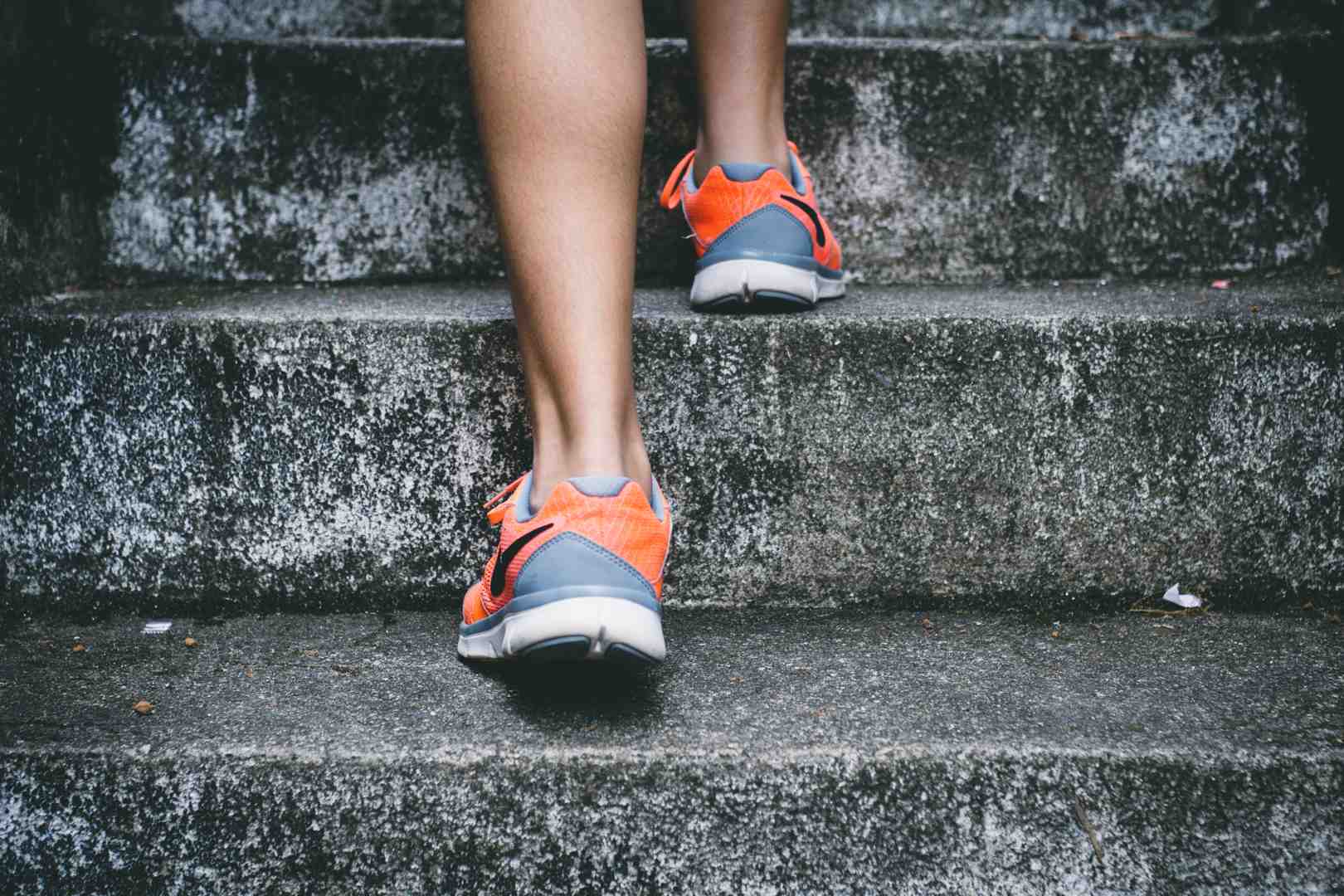
- Stair Climbing: This is a powerhouse for bone density, especially for the hips and spine, as it forces your body to resist gravity with each step. Incorporating stair climbing into your routine, perhaps even adding a gentle stomp at the top of each step, can further amplify the bone-strengthening effects.
- Jump Roping: If jump roping is appropriate for you, try a ropeless jump rope! Yes, they exist! This way, you can concentrate on jumping without tripping on a rope!
For those navigating more significant bone loss or joint concerns, low-impact weight-bearing alternatives like brisk walking can be a gentle yet effective starting point. The key is safe progression, gradually increasing the duration and intensity as your strength and confidence grow.
Your Key to Bone Density: Progressive Muscle-Strengthening Bone Loss Exercise
Progressive muscle-strengthening exercises are a cornerstone of any effective bone loss exercise program because they directly stimulate bone growth through the pull of contracting muscles on your skeleton. This type of training is essential for increasing bone mineral density and improving overall bone strength. As muscles get stronger, they pull harder on the bones they attach to, sending powerful signals for bone renewal and strengthening.
The key principle here is “progressive overload,” meaning that over time, you gradually increase the challenge to your muscles. This can be achieved through:
- Bodyweight Exercises: Starting with exercises like wall push-ups, squats (sit-to-stands), lunges, and modified planks, uses your body’s own weight to provide resistance. These are excellent for building foundational strength and can be easily modified to suit your current fitness level.
- Resistance Bands: These versatile tools offer adjustable resistance and are a fantastic way to introduce more challenge without heavy weights. You can use bands for exercises like rows, bicep curls, overhead presses, and leg movements. They are particularly useful for those new to resistance training or for adding variety.
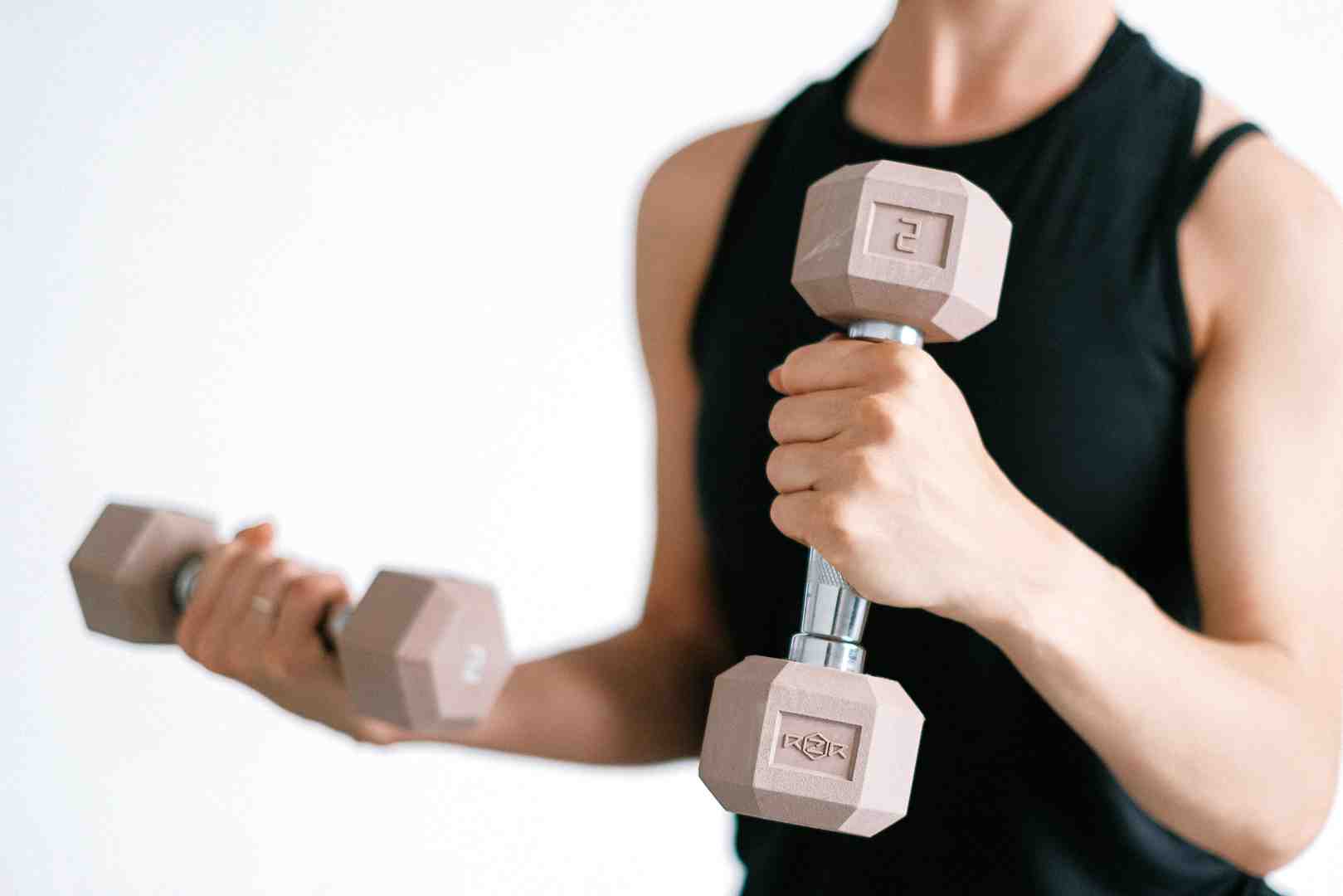
- Free Weights: Dumbbells and kettlebells provide a more direct form of resistance and allow for greater progression as your strength improves. Exercises like bicep curls, overhead presses, squats, and bent-over rows with light weights are highly effective.
- Mobility and Stability exercises: Learning ways to improve your balance with core training. This increases your confidence and decreases your risk of falling.
- Specific presses designed to strengthen the spine: Seek a health professional trained in specific exercises for Bone health to achieve the results from this exercise. Contact me and set up your free consultation today.
The goal is to perform exercises with enough resistance that your muscles feel fatigued after 8 to 12 repetitions, while maintaining good form. As your muscles adapt and grow stronger, you’ll find that movements become easier. This is your cue to gradually increase the weight, resistance, or the difficulty of the exercise. For personalized guidance on progressive muscle-strengthening, our In-Person Training and Virtual Training programs are designed to help you build strength safely and effectively. This type of training is vital for supporting your bones and reducing fracture risk, especially as your body changes.
The Protective Role of Balance and Flexibility in Your Bone Loss Exercise Routine
Balance and general flexibility work play an indispensable role in a comprehensive bone loss exercise routine, not directly by increasing bone density, but by significantly reducing your risk of falls and subsequent fractures. For active aging women, improving balance and flexibility is a proactive step that improves safety, mobility, and overall quality of life.
Falls are a major cause of fractures, especially hip fractures, which can have devastating long-term consequences. By incorporating balance training, we can sharpen your body’s ability to maintain stability and react quickly to unexpected shifts. This includes:
- Static Balance Exercises: Holding steady positions, such as standing on one leg (using a counter or wall for support if needed) or performing heel-to-toe walks.
- Dynamic Balance Exercises: Movements that challenge your stability while in motion, such as walking backwards, side-stepping, or performing controlled lunges and step-ups.
- Pilates-based Movements: These exercises are excellent for improving core strength, which is fundamental to good balance, and enhancing body awareness. They focus on controlled movements and proper alignment, building strength and stability from the inside out. Our Womens Fitness Pilates Reformer classes are specifically designed to address these needs.
Coupled with balance, general flexibility work is crucial for maintaining a full range of motion in your joints and muscles. This helps prevent stiffness that can impair movement and increase fall risk. Gentle stretching, performed after your muscles are warmed up, can improve posture and make everyday activities easier and safer. By focusing on both balance and flexibility, we build a robust protective layer around your bones, making your body more resilient and less prone to the injuries that bone loss can exacerbate.
Creating Your Safe and Effective Bone Health Routine
To create a safe and effective bone health routine, understand the recommended frequency, duration, and intensity of exercise, always prioritizing proper form and gradual progression. For most women, general guidelines suggest aiming for at least 150 minutes (2.5 hours) a week of moderate-intensity exercise OR at least 75 minutes a week of vigorous-intensity exercise. In addition, muscle-strengthening activities of at least moderate intensity should be performed at least twice a week. These guidelines provide a solid foundation for maintaining overall health and, crucially, for supporting bone density.
When it comes to bone loss exercise, the specifics of your routine should be carefully considered:
- Frequency: For bone-strengthening benefits, consistency is key. Aim for weight-bearing and muscle-strengthening exercises 2-3 times per week, allowing for rest days in between to facilitate muscle and bone recovery. Balance and flexibility can be incorporated daily or on most days.
- Duration: Each session of muscle-strengthening or weight-bearing activity can range from 20 to 60 minutes, depending on the intensity and number of exercises. Breaking up your weekly minutes into shorter, more frequent sessions (e.g., 30 minutes, 5-7 days a week) can be just as effective and sometimes more manageable.
- Intensity: This is where progressive overload comes into play. For muscle strengthening, aim for an intensity where you can complete 8 to 12 repetitions before your muscles are too fatigued to perform another repetition with good technique. For weight-bearing activities, “moderate-intensity” means you can talk but not sing, while “vigorous-intensity” means you can only say a few words at a time. The Rate of Perceived Exertion (RPE) scale can also be a helpful tool, where a 5-6 out of 10 is moderate and a 7-8 is vigorous.
- Proper Form: Executing exercises with correct technique is paramount to maximize benefits and prevent injury. Incorrect form can negate the positive effects on bone and potentially lead to strains or fractures, especially when managing bone loss.
- Gradual Progression: Start with a manageable level and slowly increase the challenge—whether it’s adding more repetitions, increasing resistance, or extending duration. This phased approach allows your bones and muscles to adapt safely over time.
Determining the appropriate intensity and progression for your individual needs is best done with expert guidance. A certified specialist can assess your current fitness level, bone health status (from a bone density scan, for example), and any other health considerations to design a truly personalized and safe exercise plan. This custom approach ensures that your bone loss exercise routine is not only effective but also enjoyable and sustainable for the long term. For customized plans that evolve with you, explore our Custom Fitness Training options.
Movements to Modify When You Have Osteoporosis
When navigating osteoporosis or significant bone loss, certain movements must be modified or avoided to prevent fractures, particularly in the spine. While exercise is crucial for bone health, performing the wrong movements can increase risk. Our primary goal is always safety and effectiveness, ensuring that your bone loss exercise routine supports, rather than compromises, your bone integrity.
The movements that generally require modification or avoidance include:
- Spinal Flexion (Bending Forward at the Waist): Activities that involve rounding your back, especially when combined with lifting or resistance, can put excessive compressive force on your vertebral bodies. For individuals with osteoporosis, this greatly increases the risk of vertebral compression fractures. Examples to avoid include traditional sit-ups, toe touches, or bending over to lift heavy objects from the floor with a rounded back.
- Loaded Twisting at the Waist: Rotational movements of the spine, particularly when carrying weight or performed forcefully, can also be risky. Activities like golf swings, tennis serves, or even certain household chores that involve twisting and lifting should be approached with caution or modified. For example, when reaching for something to your side, pivot your entire body rather than just twisting your torso.
- High-Impact Jarring Movements: While some impact is beneficial for bones, high-impact activities like jumping, running, or high-intensity aerobics can be too forceful for fragile bones and may increase the risk of fractures. The goal is controlled impact that stimulates bone without overwhelming it.
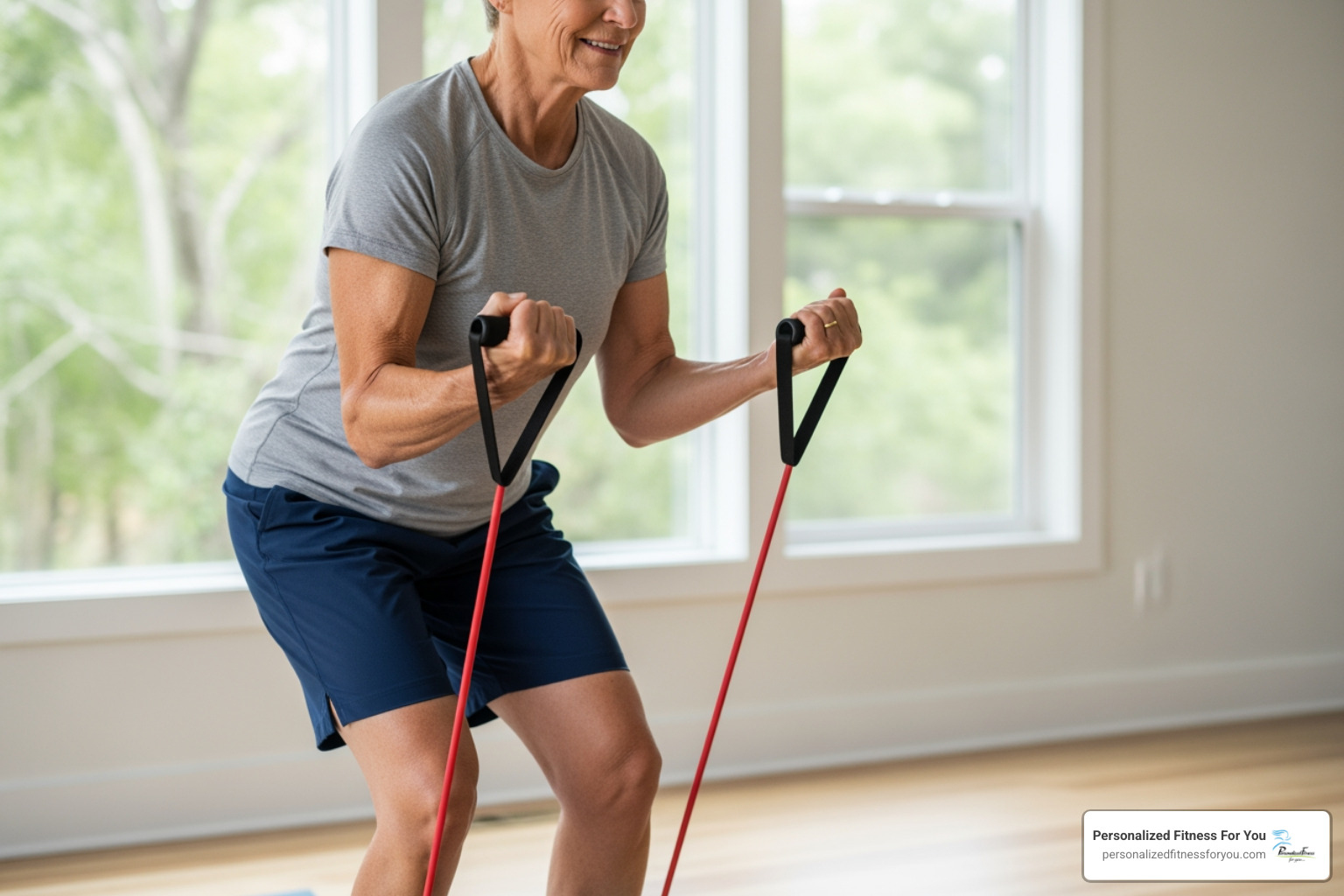
Instead of avoiding exercise entirely, the focus shifts to safe modifications and expert guidance. For instance, instead of sit-ups, we teach core-strengthening exercises that maintain a neutral spine, such as pelvic tilts or planks. For lifting, the emphasis is on hinging at the hips with a straight back, engaging your leg muscles, rather than bending from the waist. Activities like swimming and cycling, while excellent for cardiovascular health, do not provide the necessary weight-bearing load for bone stimulation, so they should be complemented with appropriate bone loss exercise activities.
Our approach to strength training for osteoporosis and osteopenia always begins with a thorough assessment to understand your specific bone health status. This allows us to tailor an exercise plan that incorporates safe, bone-strengthening movements while carefully modifying or avoiding those that pose a risk. We empower you with the knowledge and techniques to move confidently and effectively, protecting your bones while building strength and vitality.
Take the Next Step Toward Stronger Bones
We’ve explored how crucial bone loss exercise is for active aging women, not just to prevent further bone density decline but to actively build stronger, more resilient bones. From understanding the science behind how exercise stimulates bone growth to identifying the best types of weight-bearing and muscle-strengthening activities, and learning how to safely modify movements, we hope you feel empowered and informed.
Our whole-istic approach at Personalized Fitness For You is designed to support your journey towards proactive wellness and long-term health. We understand that navigating bone loss can feel daunting, but with the right guidance and a personalized plan, you can significantly impact your bone health, improve your balance, and reduce your risk of fractures. Our programs are thoughtfully crafted to integrate physical fitness with mental well-being and accountability, ensuring a supportive and encouraging environment as your body changes.
Whether you’re in the Winona Lake and Warsaw area looking for hands-on support, or prefer the convenience of working with us from anywhere through our virtual offerings, we are here to help you thrive. Our expertise in bone health and functional aging means you’ll receive a program custom specifically to your needs, helping you build strength, confidence, and a vibrant future.
Investing in your bone health is a commitment to your future independence and vitality. Whether you are navigating a new diagnosis or looking to stay proactive as you age, expert guidance ensures your routine is both safe and effective.
Schedule a consultation with Joy today to begin your journey toward stronger bones and a more active, confident you.