

Why a Beginner Exercise Program at Home is the Key to Longevity
A beginner exercise program at home is one of the most accessible and sustainable ways to start building strength, energy, and resilience — no gym membership, no commute, and no intimidating equipment required. If you are ready to begin moving your body in a way that fits your life, here is what a solid beginner home program looks like:
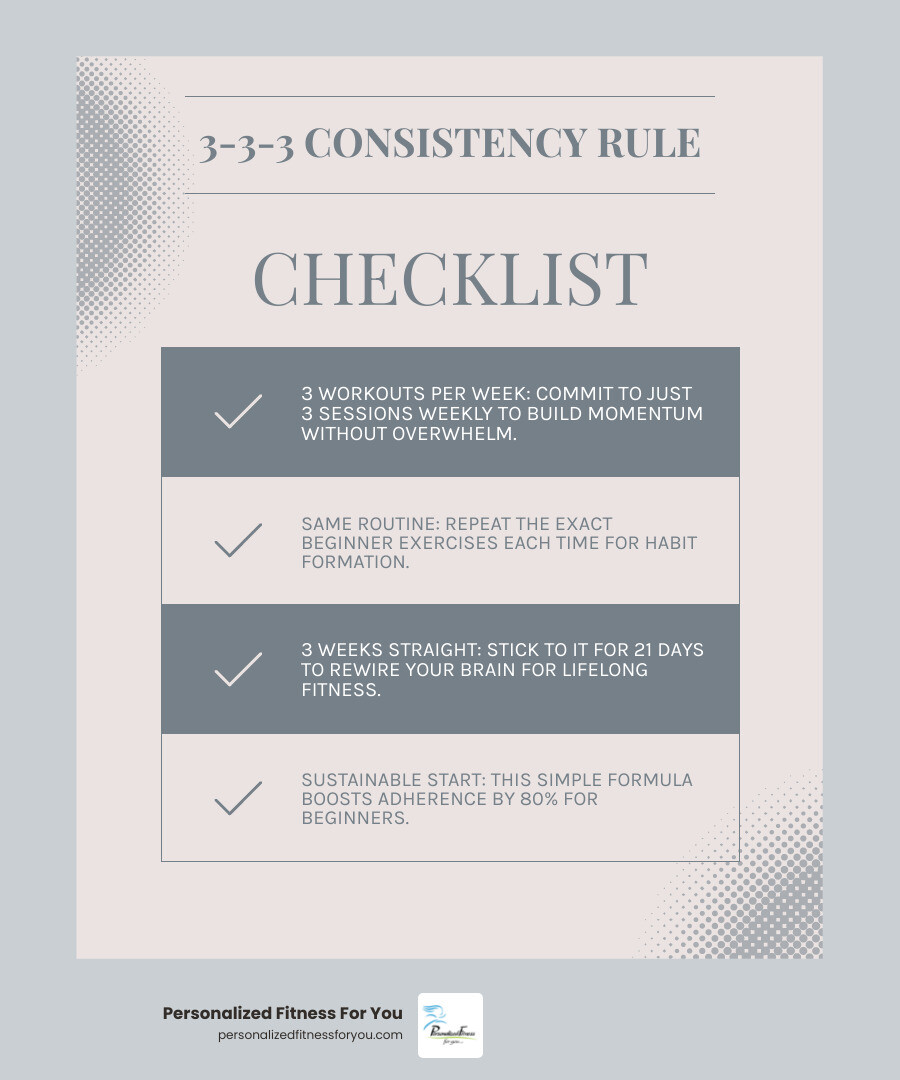
- Start with 3 days per week on non-consecutive days to allow your body to adapt and recover.
- Keep sessions to 20–30 minutes — long enough to be meaningful, short enough to stay consistent.
- Focus on foundational bodyweight movements such as squats, push-ups, lunges, glute bridges, and planks.
- Warm up dynamically for 5–7 minutes before each session to prepare your joints and circulation.
- Progress gradually by adding reps, slowing your tempo, or introducing light resistance bands as you grow stronger.
- Support your movement with adequate protein, quality sleep, and active recovery on rest days.
Getting started does not need to be complicated — consistency and intention matter far more than perfection or intensity.
Whether you live in Warsaw, Indiana, or anywhere across the country, the barriers to starting an exercise routine are real: a packed schedule, uncertainty about where to begin, or simply not knowing what your body needs at this stage of life. The good news is that moving at home — in your living room, your backyard, or a quiet corner of your space — is not a compromise. And for women navigating the demands of midlife, that kind of accessible, low-pressure entry point can make all the difference between starting and never quite getting around to it.
I’m Joy, a Certified Personal Trainer and Functional Aging Specialist with over 20 years of experience helping women build sustainable fitness habits — and designing a beginner exercise program at home that truly works for you is important to adhere to consistency. In the sections ahead, I’ll walk you through everything you need to start moving with confidence, from warming up and choosing the right exercises to progressing safely and supporting your body with smart recovery.
Beginner exercise program at home word roundup:
Starting a beginner exercise program at home helps build strength, mobility, and long-term health. During midlife, your body’s needs begin to change; maintaining physical activity becomes less about “burning calories” and more about preserving the quality of your years. Regular movement at home boosts your energy levels, enhances mobility, and plays a key role in maintaining long-term health. By engaging in consistent strength and flexibility work, you are actively supporting your cardiovascular health and metabolic function. Learning your movement patterns is key to getting started. Sign up for a movement pattern assessment to find out how you can improve your movement flow.
Beyond the physical, the connection between movement and brain health is profound. Exercise increases blood flow to the brain and stimulates the release of proteins that keep your neurons healthy. For many women, the home environment provides a sanctuary where they can manage stress effectively. Reducing cortisol levels through gentle movement is a key to protecting cognitive function and emotional balance. If you find yourself struggling to stay on track, exploring 7 ways to stay motivated on your spring journey can help you maintain that vital momentum.
Who This Plan Is Designed For
Whether you are managing a full professional schedule, caring for family, or dealing with common hurdles like joint discomfort, this routine is designed to meet you exactly where you are. We focus on low-impact, high-reward movements that respect your joints while building the functional strength needed for daily life. To make sure your routine fits your needs, we recommend booking a Personalized Fitness Assessment to set a safe, effective baseline.
The Whole-istic Benefits of Home Movement
The benefits of a home-based routine extend far beyond the muscles you can see. When we approach fitness from a “spirit, mind, and body” perspective, we recognize that movement is a form of mood elevation. Engaging in regular physical activity has been shown to reduce symptoms of anxiety and improve sleep quality. Furthermore, prioritizing exercise for brain health helps maintain focus and mental clarity as we age.
According to the Physical Activity Guidelines for Americans, adults should aim for at least 150 minutes of moderate-intensity aerobic activity per week, combined with muscle-strengthening activities at least two days a week. A home program makes meeting these benchmarks significantly more achievable by removing the friction of travel and gym crowds.

Essential Preparation and Equipment for Your Home Routine
One of the greatest advantages of a beginner exercise program at home is that you don’t need a room full of heavy machinery to see results. However, a few thoughtful preparations will ensure your safety and comfort. First and foremost, check your footwear. Even at home, wearing the right shoes for your workout provides the necessary arch support and stability to prevent slips or foot strain.
Hydration is another essential component; keep a water bottle nearby to sip throughout your session. While many exercises can be done with just your bodyweight, having a set of light resistance bands can eventually help you progress your strength safely. If you prefer guided support, virtual training is an excellent way to receive professional coaching from the comfort of your home, available throughout the continental United States.
Setting Up Your Movement Space
Your environment plays a significant role in your consistency. Find a spot in your home with ample natural light and good ventilation, as fresh air can make your movements feel more invigorating. Ensure the area is distraction-free—this is your time to connect your spirit and mind with your body. If you are participating in virtual personal training, make sure your camera is positioned so your coach can clearly see your form to provide real-time adjustments.
Warming Up Your Spirit, Mind, and Body
A 5-to-7-minute dynamic warm-up is essential for increasing circulation and lubricating your joints. Think of this as “priming the engine.” Movements like marching in place, gentle arm circles, and hip rotations prepare your nervous system for the work ahead. Use this time to focus on steady breathing and controlled movement. For those looking to protect their lower back and improve posture, our improve core stability guide offers excellent preparatory movements that can be integrated into any warm-up.
The Essential Beginner Exercise Program at Home Routine
A successful beginner exercise program at home focuses on foundational movements that mimic how your body moves in the real world. By mastering these “big five” movements, you build a base of functional strength that supports everything from carrying groceries to playing with grandchildren.
- Bodyweight Squats: These are crucial for lower body strength. Focus on keeping your chest up and sitting back as if into an invisible chair.
- Modified Push-Ups: You can start these against a wall or on your knees. They build essential upper body and core strength.
- Stationary Lunges: These improve balance and leg power. Use a sturdy chair for support if your balance feels a bit shaky.
- Glute Bridges: Lying on your back and lifting your hips helps activate the posterior chain and supports lower back health.
- Planks: A key move for core stability. Start with 15-20-second holds and focus on maintaining a straight line from head to toe. Place your hands against a counter or use the seat of a sturdy chair to begin. If protecting your shoulders is a concern, try the alternative core exercises.
For a structured approach to these movements, a simple 6-week workout plan can provide the week-by-week guidance many beginners find helpful.
Mastering the Movements of Your Beginner Exercise Program at Home
When performing these exercises, focus on proper form and controlled breathing. Avoid rushing through repetitions; instead, feel the muscle engagement in every phase of the movement. If you find yourself holding your breath, it is a sign you may be pushing too hard. Our personalized fitness programs emphasize these technical nuances to ensure you are moving safely and effectively, minimizing the risk of strain.
Tracking Success with Your Beginner Exercise Program at Home
Consistency is the most important metric for any beginner. Rather than focusing on a number on a scale, track how you feel. Are your energy levels higher? Is it easier to walk up the stairs in your Warsaw, Indiana home? Use the Rate of Perceived Exertion (RPE) scale, where 1 is sitting on the couch and 10 is an all-out sprint. For beginners, aiming for an RPE of 5 or 6 is the “sweet spot” for building a base without burnout. For deeper support in staying on track, our accountability coaching complete guide provides strategies to help you turn these movements into a lifelong habit.
Navigating Progression and Form for Lasting Results
Once the basic movements feel comfortable, it is time to introduce “progressive overload.” This doesn’t mean you have to lift heavy weights; it simply means giving your body a slightly new challenge to keep it adapting. You can progress your beginner exercise program at home by increasing the number of repetitions, slowing down the tempo of each move to increase “time under tension,” or reducing the rest time between exercises. Our custom fitness training is specifically designed to help you navigate these progressions so you never hit a plateau.
Moving from Beginner to Intermediate
Transitioning to an intermediate level often involves introducing light resistance, such as bands or small dumbbells. You might also move from stable bilateral movements (like a squat) to more challenging unilateral movements (like a split squat) that test your balance. Continuing to follow personalized fitness programs ensures that as your strength grows, your routine evolves to keep you challenged and engaged.
Avoiding Common Beginner Pitfalls
The most common mistake beginners make is doing too much, too soon. Overtraining can lead to fatigue and injury, which stalls your progress. Listen to your body; muscle soreness (DOMS) that peaks 24–48 hours after a workout is normal, but sharp or persistent joint pain is a signal to stop and reassess. Working with one-on-one fitness coaching can help you distinguish between “good” work and potential injury, providing the expert eye needed to keep your form impeccable.
Whole-istic Recovery: Nutrition, Brain Health, and Stress Management
Exercise is only one part of the longevity puzzle. To see the best results from your beginner exercise program at home, you must support your body through nutrition and recovery. We advocate for a clean eating approach that focuses on whole foods and an awareness of the glycemic index to maintain stable energy levels throughout the day.
High-quality protein is essential for muscle repair, especially as our bodies change in midlife. Furthermore, prioritizing exercise and brain health means recognizing that sleep is when the real transformation happens. Aim for 7–9 hours of quality sleep to allow your nervous system and muscles to recover fully.
The Role of Nutrition in Strength
Think of nutrition as the fuel for your home movement. Balancing your macros—proteins, healthy fats, and complex carbohydrates—ensures you have the energy to complete your workouts and the nutrients to rebuild afterward. If you feel overwhelmed by dietary choices, choosing a health coach can provide the clarity and personalized plan you need to align your eating habits with your fitness goals.
Rest Days and Active Recovery
Rest days are not “days off” from health; they are days dedicated to recovery. On these days, focus on active recovery. This might include general flexibility work, Pilates, or a gentle 20-minute walk through your neighborhood in Winona Lake, Indiana, or your local area. Walking is one of the most underrated forms of exercise, offering significant cardiovascular and mental health benefits. Explore the top 8 benefits of walking to see how this simple activity complements your strength routine perfectly.
Frequently Asked Questions about Home Workouts
How long should a beginner workout session last?
For most beginners, 15 to 30 minutes is a good place to start. This includes your warm-up and cool-down. Shorter, consistent sessions are much more effective for habit formation than infrequent, hour-long workouts that leave you feeling exhausted.
How often should I work out each week?
We recommend starting with three days per week. This schedule allows for a “day on, day off” rhythm, giving your muscles and joints 48 hours to recover between strength sessions. As you become more conditioned, you can add a fourth day or increase the intensity of your active recovery days.
What should I do if I experience joint pain?
If you experience sharp, stabbing, or localized pain in your joints, stop the exercise immediately. Check your form or try a more supported variation (like using a chair for squats). If the pain persists, consult with a specialist. Our programs focus on functional movement to help strengthen the muscles around the joints, which often helps alleviate chronic discomfort over time. It is important to listen to your body’s cues.
Conclusion
Embarking on a beginner exercise program at home is a courageous step toward a life of longevity, strength, and empowerment. By focusing on your spirit, mind, and body, you are doing more than just moving your muscles—you are improving energy levels and supporting long-term health. Whether you are just starting out or returning to fitness after a long break, every small effort counts.
At Personalized Fitness For You, we are here to support you every step of the way. Whether you prefer training at the studio in Warsaw, Indiana, or you want to train virtually from anywhere in the continental United States, we have the expertise to help you move with confidence and joy.
Ready to start a beginner exercise program at home that fits your life? Contact Joy today to build a personalized plan designed for your body, your schedule, and your long-term health.