

Why the Health Benefits of Chia Seeds Deserve a Place in Your Wellness Routine
The health benefits of chia seeds are more impressive than most people expect from something so small. Here is a quick overview of the nutrients in chia seeds and the health areas they may support as part of a balanced diet:
- Digestion: One ounce provides approximately 10 grams of fiber, which can support stool regularity and overall digestive health when paired with adequate fluid.
- Heart health: Much of the fat in chia seeds is alpha-linolenic acid, a plant-based omega-3 that can contribute to a heart-healthy eating pattern.
- Blood sugar control: The fiber in chia seeds may slow digestion and help moderate the rise in blood glucose after a meal.
- Bone strength: A single ounce delivers 179 mg of calcium and 95 mg of magnesium, two minerals essential for bone density.
- Weight management: Chia seeds form a gel when mixed with liquid, and their fiber may help meals feel more satisfying.
- Antioxidant protection: They contain antioxidant compounds that help the body manage oxidative stress.
- Complete protein: Chia seeds contain all nine essential amino acids, although a typical serving provides a modest amount of total protein.
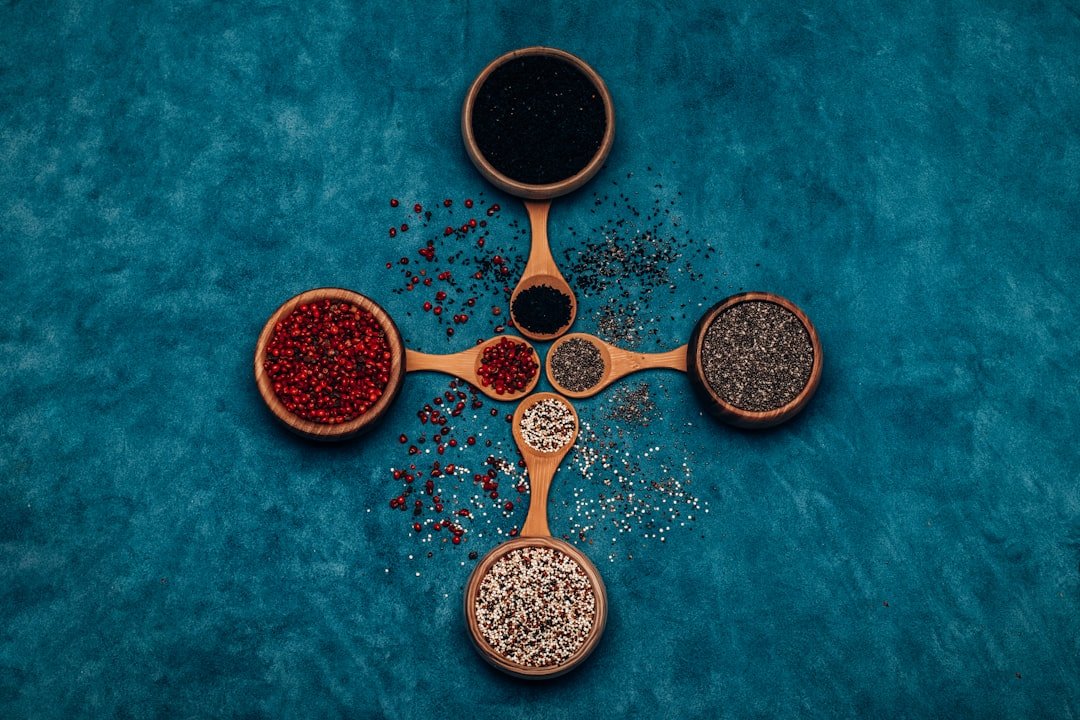
Chia seeds come from Salvia hispanica, a flowering plant in the mint family native to Central America, and they have been a dietary staple for over 5,000 years. Read more below to learn about the mighty Chia seed.
What Are Chia Seeds and Their Nutritional Profile?
Before exploring the health benefits of chia seeds, it helps to understand their nutritional profile. If you are ready to take control of your wellness journey and want personalized guidance on nutrition and functional movement, you can book a Personalized Fitness Assessment with us today.
Chia seeds are harvested from Salvia hispanica, a resilient plant belonging to the mint family, native to Central America. Historically, they served as an essential crop for ancient Aztec and Mayan civilizations. These cultures recognized them as an ancient superfood capable of providing sustained energy for long journeys and intense physical work.
Today, nutritional research helps explain why chia seeds remain a useful addition to many balanced eating patterns. Chia seeds are a nutritional powerhouse, especially for women navigating midlife and active aging.
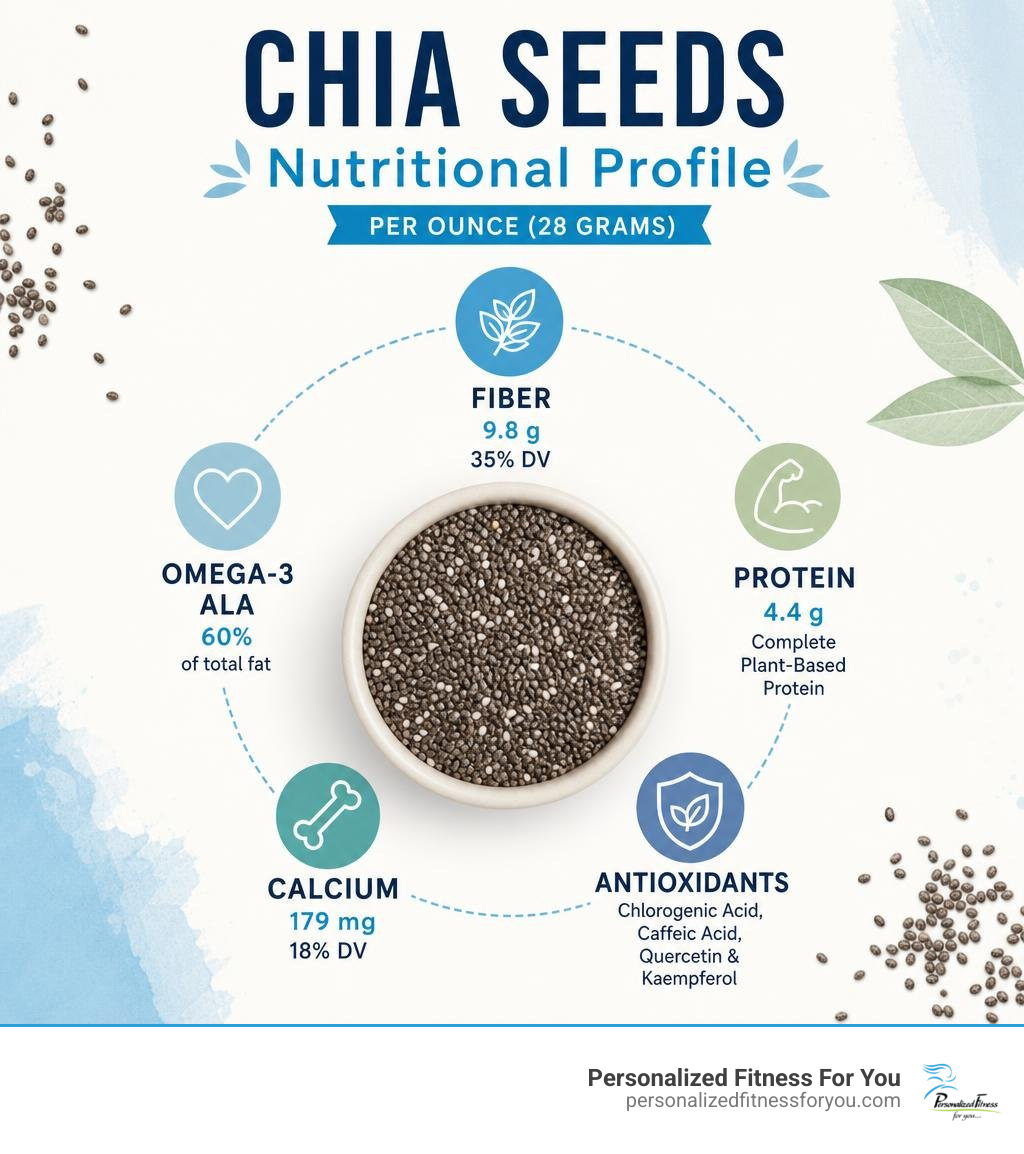
One of the most remarkable aspects of their nutritional profile is that they are a complete protein. This means they contain all nine essential amino acids that our bodies cannot produce on their own. This amino acid profile makes chia seeds a useful supplementary source of plant-based protein.
Additionally, they are packed with:
- Dietary Fiber: A single ounce (about 28 grams or 2 to 3 tablespoons) contains roughly 9.8 grams of fiber, which meets about 35% of your recommended daily intake.
- Omega-3 Fatty Acids: Chia seeds are a concentrated plant-based source of alpha-linolenic acid.
- Minerals for Bone Density: They are loaded with essential minerals, providing 179 mg of calcium (14% of the Daily Value), 95 mg of magnesium (23% of the Daily Value), and 244 mg of phosphorus per ounce.
- Essential Trace Elements: They deliver vital portions of zinc, iron, copper, and manganese to support cellular repair and metabolic health.
According to the Cleveland Clinic’s guide on chia seed nutrients, these tiny seeds provide an exceptional concentration of nutrients per serving, making them one of the most efficient ways to boost your daily vitamin and mineral intake. Incorporating these nutrient-dense options into your meals is a fantastic step toward managing chronic inflammation. To learn more about how dietary choices impact your joints and cellular health, explore our guide on clean eating and inflammation.
Ancient Origins of Salvia Hispanica
The historical use of Salvia hispanica dates back thousands of years. Chia seeds were cultivated and consumed in Mesoamerica long before becoming a modern pantry staple.
In these ancient Mesoamerican cultures, chia was not merely an agricultural staple; it was so highly valued that it was used as currency, presented as tribute to nobility, and integrated into sacred religious ceremonies. The endurance and strength associated with these civilizations were directly linked to this small but mighty seed.
Chia Seeds vs. Flaxseeds: A Whole-Istic Comparison
When women in Kosciusko County ask us how to optimize their nutrition, they often wonder whether they should choose chia seeds or flaxseeds. Both are incredible additions to a whole-istic lifestyle, but they have distinct differences in how they behave in your kitchen and how your body absorbs their nutrients.
| Nutrient / Feature | Chia Seeds (Per Ounce / 28g) | Flaxseeds (Per Ounce / 28g) |
|---|---|---|
| Dietary Fiber | ~9.8 grams (mostly insoluble) | ~7.8 grams (balanced soluble/insoluble) |
| Omega-3 (ALA) | ~5.0 grams | ~6.4 grams |
| Protein | ~4.7 grams (Complete protein) | ~5.1 grams (Incomplete protein) |
| Calcium | 179 mg (14% DV) | 71 mg (5% DV) |
| Preparation | Can be eaten whole or ground; forms a gel | Must be ground to absorb nutrients fully |
| Shelf Life | Very stable due to high antioxidant content | Prone to oxidation; must be stored in fridge |
Chia seeds can be more convenient than whole flaxseeds because they can be used without grinding. Because they do not require grinding to release their nutrients, you can sprinkle them onto your meals. Their ability to form a thick gel when mixed with liquids also makes them highly versatile for baking and cooking, serving as an excellent vegan thickening agent or egg substitute. Both flaxseed and Chia seeds are great to incorporate in any diet!
Exploring the Health Benefits of Chia Seeds for Active Aging
As our bodies change during midlife, our nutritional needs shift. Active aging is all about maintaining high energy levels, protecting our joints, keeping our hearts strong, and supporting digestive comfort. The health benefits of chia seeds are uniquely aligned with these exact goals, offering a gentle, natural way to navigate these physical transitions.
According to Harvard Health on the health benefits of chia seeds their combination of fiber, unsaturated fat, protein, and minerals can contribute to a balanced eating pattern that supports long-term health. However, because chia seeds absorb a significant amount of liquid, it is absolutely essential to stay properly hydrated when consuming them. To understand the critical role water plays in your digestion and overall vitality, read our article on the benefits of drinking water.
How Chia Seeds Support Bone Health and Joint Mobility
For women over 40, maintaining bone mineral density is a top priority. As estrogen levels naturally decline, the risk of osteopenia and osteoporosis increases. To keep our bones strong, we need a steady intake of highly bioavailable minerals, paired with safe, targeted movement.
Chia seeds are an exceptional source of calcium, magnesium, and phosphorus—the key structural building blocks for our skeletal system. Chia seeds also provide calcium, magnesium, and phosphorus, nutrients involved in maintaining normal bone structure.
At our studio in Winona Lake, Indiana, we always emphasize that nutrition and movement go hand in hand. While nourishing your body with bone-supporting minerals is vital, you also need to stimulate those bones through safe strength training and low-impact movement. Combining balanced nutrition with appropriately programmed strength and mobility work can support long-term function and independence. To see how we help women build strength and protect their joints, read about our Pilates Reformer training.
The Cardiovascular and Blood Sugar Health Benefits of Chia Seeds
Another major milestone in midlife wellness is protecting our heart health and maintaining stable blood sugar. Fluctuations in hormones can sometimes lead to changes in blood pressure, cholesterol levels, and insulin sensitivity.
The health benefits of chia seeds offer powerful support for your cardiovascular system. A review of chia-seed research summarizes potential cardiovascular effects, although outcomes vary across studies.
Additionally, the gel-forming soluble fiber in chia seeds slows down the breakdown of carbohydrates in your digestive tract. This may help moderate the rate at which glucose enters the bloodstream after a meal. When you pair chia seeds with a clean eating plan, you make it much easier for your body to maintain a balanced blood sugar profile. For a deeper understanding of how different sweeteners and carbohydrates affect your body, check out our guide on sugar and health.
How to Safely Incorporate Chia Seeds Into Your Daily Routine
If you are new to eating chia seeds, the golden rule is to start slowly and prioritize hydration. Because these seeds are incredibly efficient at absorbing water, introducing too much fiber too quickly can lead to temporary digestive side effects like bloating or mild abdominal discomfort.
A common food serving is approximately 1 to 2 tablespoons, but people who are new to high-fiber foods may prefer to begin with less. If your digestive system is not accustomed to a high-fiber diet, start with just 1 teaspoon per day and gradually increase the amount over a few weeks.
Consume chia seeds with adequate liquid or mix them into moist foods such as oatmeal, yogurt, or smoothies. This is especially important for young children or anyone with swallowing sensitivities, as dry chia seeds can expand in the esophagus and present a choking hazard. For more ideas on how to enjoy clean, nutrient-dense foods throughout your busy day, take a look at our favorite clean eating snacks.
Simple Recipes to Experience the Health Benefits of Chia Seeds
Incorporating chia seeds into your daily routine is incredibly easy. Here are some simple, delicious ways to start enjoying the health benefits of chia seeds today:
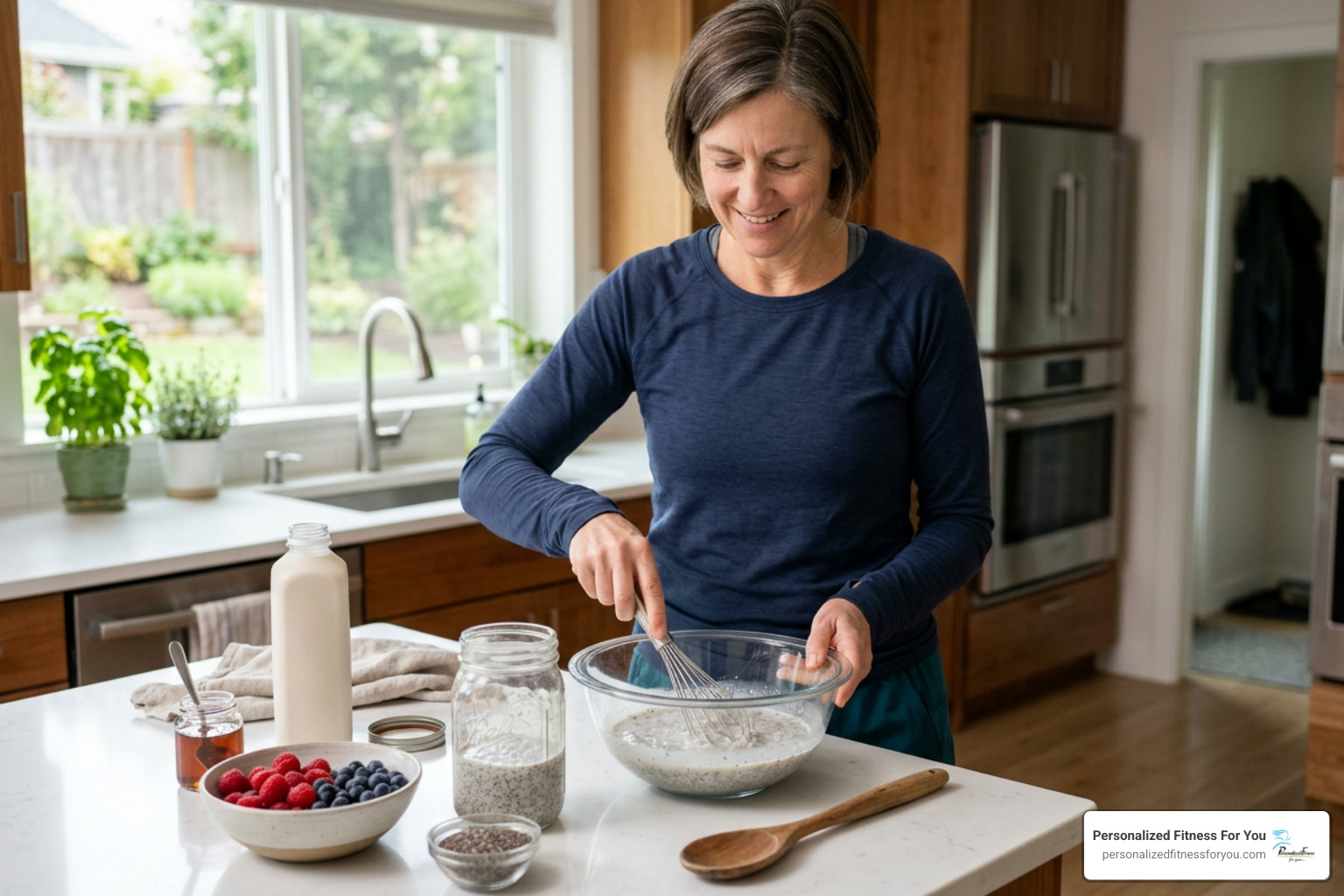
- Classic Chia Seed Pudding: Mix 2 tablespoons of chia seeds with 1/2 cup of unsweetened almond milk or coconut milk. Add a dash of cinnamon and a touch of pure maple syrup. Stir thoroughly, let it sit for 5 minutes, stir again to prevent clumping, and refrigerate overnight. Top with fresh berries in the morning.
- Protein-Packed Overnight Oats: Combine 1/3 cup of rolled oats, 1 tablespoon of chia seeds, 1/2 cup of your favorite milk, and a scoop of high-quality plant-based protein powder. Let it soak overnight for a quick, grab-and-go breakfast.
- Nutrient-Boosted Smoothies: Toss 1 tablespoon of chia seeds directly into your blender with spinach, wild berries, protein powder, and water before blending to add healthy fats and fiber to your morning routine.
- Whole-Istic Baking & Egg Substitute: To replace one egg in your favorite healthy baking recipes, mix 1 tablespoon of finely ground chia seeds with 3 tablespoons of water. Let it sit for 5 to 10 minutes until it forms a thick, gelatinous egg substitute.
Frequently Asked Questions About Chia Seeds
Can you eat chia seeds raw, or do they need to be soaked?
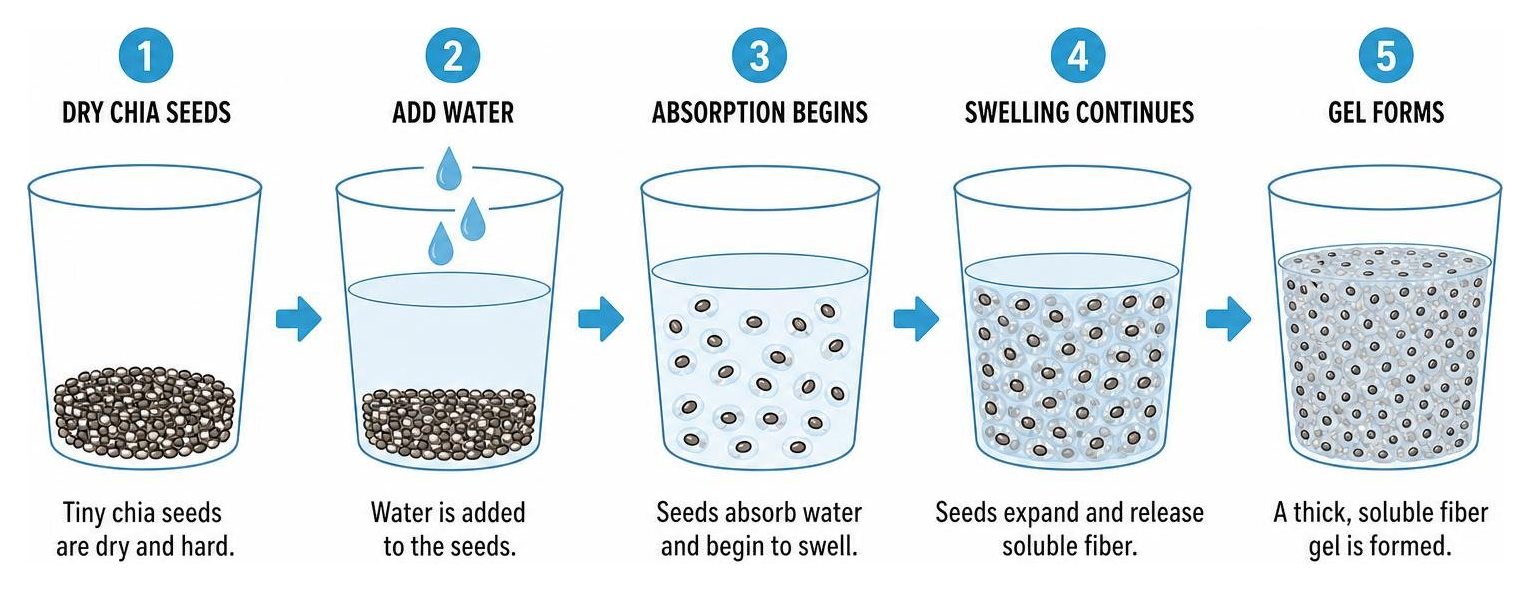
Chia seeds can be eaten soaked or unsoaked, but soaking creates a softer gel texture that some people find easier to eat. When you soak chia seeds in water, juice, or milk for about 20 minutes, they release their soluble fiber, forming a thick gel. Soaking changes the texture and makes the seeds easier to incorporate into puddings, drinks, and soft foods.
Do chia seeds help with weight management and satiety?
Chia seeds may make some meals more filling because they contain fiber and protein. However, current research does not show that chia seeds alone reliably produce weight loss.
Are there any side effects or medication interactions with chia seeds?
While chia seeds are incredibly safe for the vast majority of people, there are a couple of things to keep in mind. Because chia seeds may modestly affect blood pressure or post-meal glucose in some people, anyone taking related medications should discuss major dietary changes with a qualified healthcare professional. Additionally, to avoid temporary digestive discomfort like gas or bloating, always start with small amounts and drink plenty of water.
Conclusion
Embracing the health benefits of chia seeds is a beautiful, simple way to show your body love and respect as you navigate the changes of midlife. Whether you are looking to support your bone health, improve your digestion, or enjoy sustained, natural energy throughout your day, these tiny seeds offer incredible whole-istic support.
At Personalized Fitness For You, we believe that true wellness is a journey of the spirit, mind, and body. Joy is here to provide the compassionate, expert guidance you deserve. Whether you prefer to train with Joy in the studio in Winona Lake, Indiana, or access our Virtual Health Coaching and Virtual Fitness Training throughout the continental United States, we are committed to helping you build strength, mobility, and confidence. We are ready whenever you are!
Personalized guidance can help you turn nutrition knowledge into habits that support your strength, energy, and daily routine.
Understanding the health benefits of chia seeds is a helpful first step, but lasting wellness comes from building nutrition and movement habits around your individual needs. Personalized Fitness For You provides individualized health coaching and fitness guidance in Winona Lake and Warsaw, Indiana, as well as virtually throughout the continental United States. Schedule a personalized health and fitness assessment to begin building a sustainable plan for greater strength, energy, and confidence.


