

Why GLP-1 and Exercise Belong Together
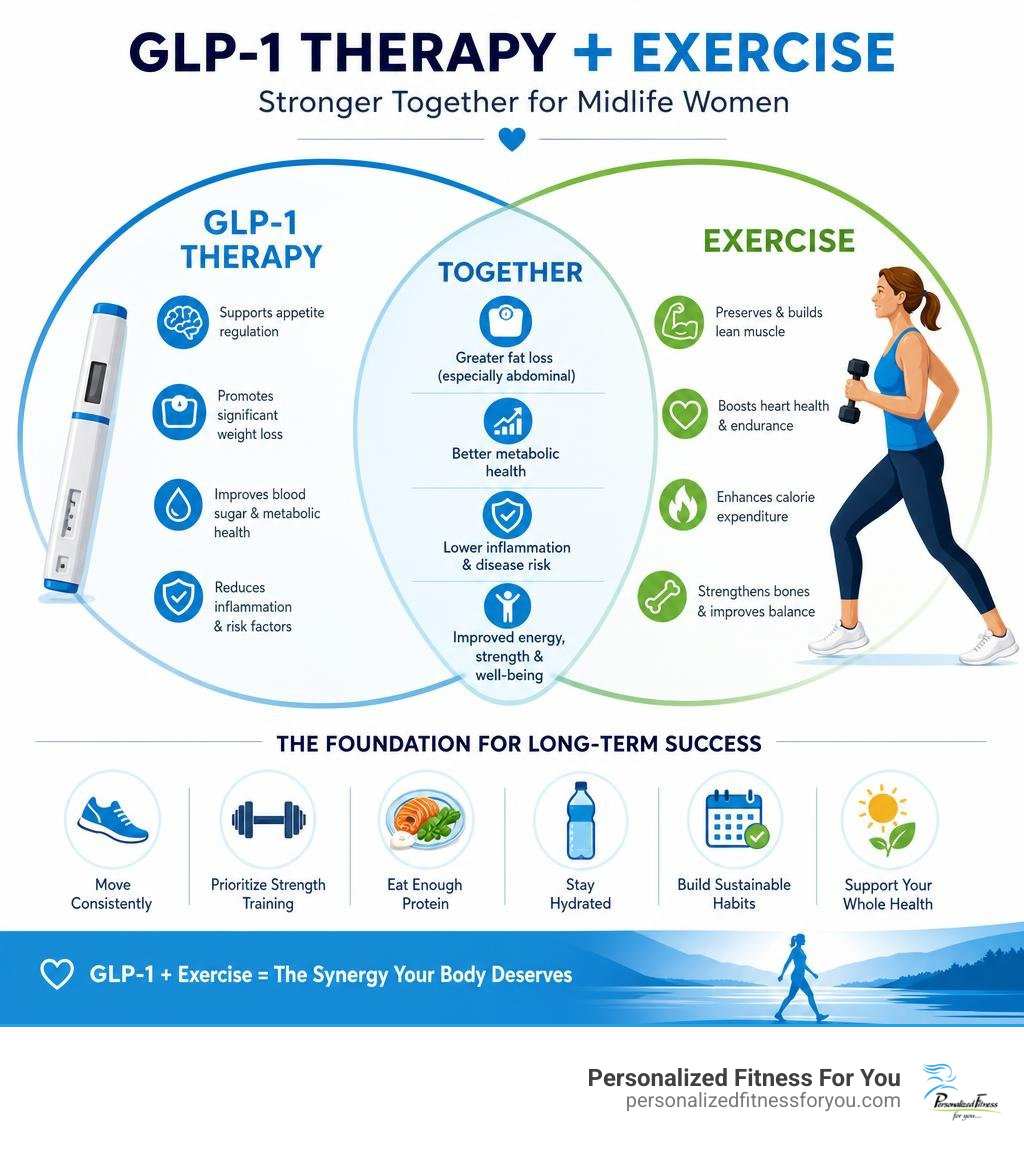
GLP-1 and exercise are two of the most talked-about tools in midlife weight management right now and for good reason. GLP-1–based medications include semaglutide and liraglutide, while tirzepatide activates both GIP and GLP-1 receptors. These medications can support substantial weight reduction, although individual results vary. But here is what the research is now making unmistakably clear: the medication alone is only part of the picture. It is important to investigate and to do your research, and seek counsel and advice from your healthcare provider while taking this medication, while taking the steps to move and strengthen your body.
Did you know? Preliminary research presented at ENDO 2026 found that participants with available Fitbit data took fewer daily steps and completed fewer minutes of moderate-to-vigorous activity after beginning GLP-1 treatment. Weight loss, in other words, DID NOT automatically lead to moving more. For women in midlife, where muscle mass, bone density, and metabolic health are already shifting, that decline in movement carries real consequences. This is important to know as we definitely want to increase our movement.
Clinical trials reinforce why this matters. In a STEP 1 body-composition analysis, lean mass decreased by approximately 9.7% from baseline while total fat mass decreased by approximately 19.3%. A SURMOUNT-1 body-composition substudy estimated that approximately one-quarter of the weight lost was lean mass, a category that includes more than skeletal muscle alone. Weight regain is common after GLP-1 treatment ends. Separate research involving liraglutide suggests that completing a supervised exercise program during treatment may improve weight and body-composition maintenance after discontinuation.
Here is a brief overview of what the evidence tells us about combining GLP-1 therapy with structured movement:
- Exercise does not happen automatically when you lose weight on a GLP-1. It must be intentionally built into your routine. Begin a program from the get-go or sign up to meet with a personal trainer to help you with consistency and motivation.
- Resistance training is an important component of preserving strength, function, and lean mass during GLP-1–associated weight loss.
- Combining GLP-1 therapy with exercise yields additive benefits for metabolic syndrome, abdominal fat, and inflammation compared with either approach alone.
- Aerobic exercise improves cardiorespiratory fitness and can support insulin sensitivity, but more research is needed to determine whether it directly improves the body’s response to GLP-1 medication. Some reports from individuals have found the right dosage is important as to avoid lightheadedness or dizziness.
- Structured exercise before stopping GLP-1 medication is one of the strongest predictors of long-term weight maintenance after discontinuation.
- Protein intake and hydration are critical nutritional priorities when pairing movement with GLP-1 therapy. This is sometimes difficult, as you may not feel hungry and may find yourself reaching for unhealthy carbs rather than high-quality protein.
Whether you are living in Warsaw, Indiana, exploring options in Winona Lake, Indiana, or anywhere across the country, understanding how to move well while on a GLP-1 is one of the most important steps you can take for your long-term health.
As the founder of Personalized Fitness For You and with over 20 years of experience working with women of all ages, I’ve recently seen how essential purposeful movement is when paired with GLP-1 and exercise programs. Let’s walk through exactly what the science says and how to put it into practice in a way that feels sustainable, encouraging, and genuinely right for your body. Being in contact
The Science of GLP-1 and Exercise: A Whole-istic Approach
To truly appreciate why prescribed GLP-1 and exercise are such a powerful combination, we must look at how they work together at a cellular level. When we take a whole-istic wellness perspective—one that nurtures the spirit, mind, and body- we see that weight management is not merely about a number on a scale. It is about reducing overall cardiometabolic risk, improving insulin sensitivity, and protecting our vital organs.
While GLP-1 receptor agonists are highly effective at reducing appetite and slowing down how quickly your stomach empties, they do not inherently improve your physical capacity or cardiorespiratory fitness. This is where structured movement steps in. When we engage in regular physical activity, we release specialized proteins called myokines from our skeletal muscles. These myokines, such as interleukin-6 (IL-6), act as natural chemical messengers that travel through the bloodstream to reduce systemic low-grade inflammation, lower oxidative stress, and help clear fat from around our internal organs.
Exercise provides complementary improvements in fitness, strength, insulin sensitivity, and daily function that medication alone may not provide. A scientific review examined possible interactions between exercise and GLP-1 signaling, but the clinical significance of these mechanisms remains under investigation. In individuals with metabolic challenges, the body’s natural sensitivity to GLP-1 is often diminished, frequently due to gut microbiota dysbiosis and excess visceral fat. Regular exercise may influence the gut microbiome and other metabolic pathways, although researchers have not established that these changes improve an individual’s response to GLP-1 medication.
Combining GLP-1 and exercise can address different aspects of metabolic health, including weight management, physical fitness, strength, and insulin sensitivity. For instance, while a GLP-1 medication helps lower blood glucose, adding aerobic and resistance training may improve insulin sensitivity beyond the changes achieved through medication alone. Exercise also improves cardiorespiratory fitness and functional capacity, benefits that GLP-1 treatment alone may not provide. For more details on protecting your cardiovascular system, read about the 10 Surprising Benefits of Exercise for the Heart.
How GLP-1 and Exercise Interact in the Body
When we look deeper into the nervous system, we find that GLP-1 and exercise may influence some overlapping pathways involved in appetite, energy balance, and brain health. Both physical movement and GLP-1 receptor agonists influence the hypothalamus, the region of the brain responsible for regulating appetite, energy balance, and cravings.
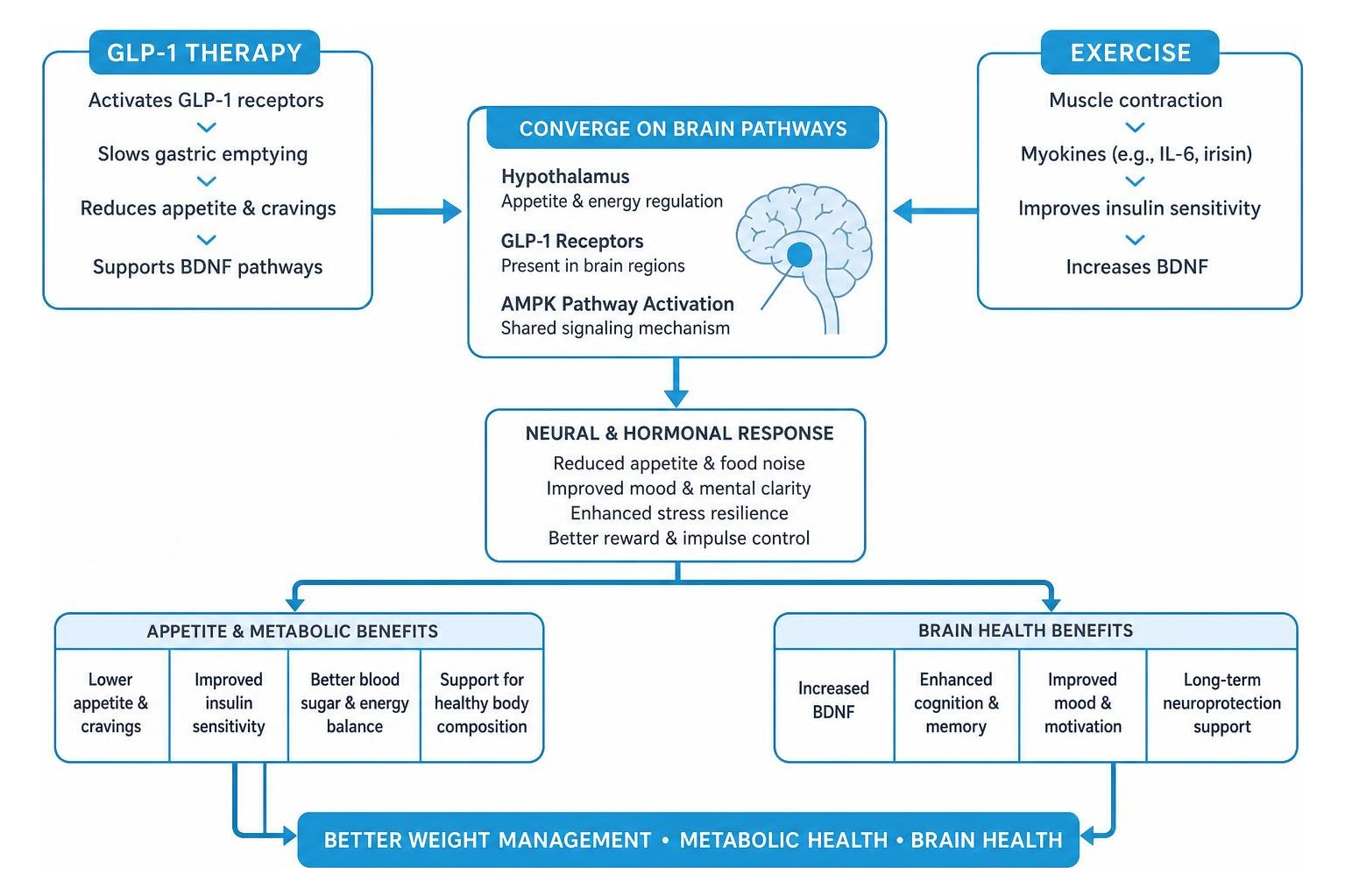
During exercise, our muscles produce a hormone called irisin, which stimulates the release of Brain-Derived Neurotrophic Factor (BDNF) in the brain. BDNF is often described as “natural fertilizer” for our brain cells, supporting cognitive function, memory, and emotional well-being. Exercise is associated with benefits for mood and cognitive health. Some GLP-1 users also report reduced appetite-related thoughts, although the underlying neurological mechanisms are still being studied. Stay informed on the latest research, as there is still a lot to be discovered while taking a GLP-1. This shared pathway is one of the reasons why physical activity can dramatically improve your mood and mental clarity during weight loss.
At the cellular level, the interaction between GLP-1 and exercise is heavily driven by the adenosine monophosphate-activated protein kinase (AMPK) pathway. Preclinical research suggests that GLP-1 receptor signaling may affect AMPK activity and skeletal-muscle remodeling, but these findings should not be treated as confirmed human training outcomes.
This pathway is responsible for:
- Enhancing glucose uptake by moving GLUT4 transporters to the cell membrane.
- Promoting glycogen synthesis so your muscles have readily available energy.
- Triggering mitochondrial biogenesis, which essentially builds more energy-producing powerhouses within your muscle cells.
- Supporting cellular adaptations associated with endurance in preclinical models.
This means that while a GLP-1 agonist sets the biological stage for muscle remodeling, you must actually perform the physical work to trigger these pathways. Without the mechanical stimulus of exercise, your muscles cannot utilize this cellular signal to rebuild and strengthen.
Overcoming the Physical Activity Decline on GLP-1 Therapy
Despite these incredible biological benefits, real-world data shows a surprising trend: many people actually move less after starting GLP-1 therapy. As highlighted in a notable Endocrine Society study on physical activity decline, objective tracking data shows a significant drop in daily steps and moderate-to-vigorous physical activity once medication begins.
The study did not determine why physical activity declined. Fatigue, gastrointestinal symptoms, pain, reduced energy intake, and other individual factors may contribute for some people. Instead, it is a natural response to the side effects of rapid weight loss and the medication itself. When you drastically reduce your caloric intake, your body’s energy levels naturally dip. Many women also navigate uncomfortable side effects like mild nausea, fatigue, and muscle soreness. Furthermore, if you are carrying extra weight, existing joint pain can make the idea of starting an exercise routine feel incredibly daunting.
To combat this, we must shift our focus towards an active lifestyle and sustainable functional movement. Rather than trying to force yourself through exhausting workouts, the goal should be consistent, low-impact daily movement. Start with realistic goals. Tracking your steps can be a wonderful, low-pressure way to monitor your baseline activity and encourage gradual progress. If you would like to learn more about setting realistic movement goals, check out The Ultimate Guide to Daily Step Count for Health.
We always encourage starting exactly where you are with no shame or negative talk. Meet yourself where you are and move forward, strengthening. Just one day at a time! If you are experiencing fatigue or joint discomfort, breaking your movement into short, manageable blocks, such as a ten-minute stroll after meals, can help you maintain your physical activity without overwhelming your system.
Preserving Muscle and Bone Health During Midlife Weight Loss
One of the most critical discussions surrounding GLP-1 medications in midlife wellness is the preservation of lean muscle mass and bone mineral density. When our bodies undergo rapid weight loss, we do not just lose fat tissue. Without protective measures, a substantial portion of the weight lost comes from skeletal muscle and bone.
For women experiencing the natural hormonal transitions of midlife, this is a double challenge. Estrogen levels naturally decline during menopause, which accelerates bone loss and increases the risk of osteopenia and osteoporosis. At the same time, we naturally lose muscle mass and strength over time, so it is important to incorporate strength exercises in your weekly routine.
Clinical studies report varying reductions in lean mass during GLP-1–associated weight loss. Lean mass includes muscle as well as other nonfat tissues, so the terms should not be used interchangeably. In real-world settings where individuals may not be receiving structured lifestyle guidance, that number can climb even higher, with some reviews indicating that lean mass can make up to 40% of the total weight lost.
Losing muscle can reduce strength, physical function, and the amount of metabolically active tissue in the body. Muscle is highly active metabolic tissue; it burns calories even when you are resting. When you lose muscle, your basal metabolic rate drops, making it much easier to regain weight in the future. Furthermore, rapid weight reduction without weight-bearing exercise has been linked to decreased bone density in the hips and spine, which increases the risk of fractures.
To protect your body, a structured fitness plan is essential. A balanced plan that includes resistance training, weight-bearing activity, adequate recovery, and appropriate nutrition can help protect strength and function during weight loss. Additionally, adopting a clean eating pattern rich in whole foods helps manage systemic inflammation, which further supports tissue recovery and cellular health.
Tailoring Your Routine: GLP-1 and Exercise for Active Aging
When designing a movement program for active aging, it must be personalized. Be realistic and personalized in your approach. Following a cookie-cutter workout can be counterproductive. A practical GLP-1 and exercise plan often combines resistance training, aerobic conditioning, balance, mobility, and recovery, with adjustments based on the individual’s health and medication response. Watching your heart rate when starting an exercise program is a good idea too!
For women in the midlife season, we highly recommend focusing on progressive overload. This simply means gradually increasing the challenge on your muscles over time, whether by adding a little more resistance, performing an extra repetition, or slowing down the movement to increase time under tension. General activity guidelines recommend muscle-strengthening exercise on at least two days each week. Some individuals may progress to three sessions when recovery, health status, and experience allow. Be realistic and personalize a workout plan that is just right for you!
In addition to resistance work, incorporating Pilates and general flexibility work is incredibly beneficial. Pilates is outstanding for building deep core strength, improving posture, and supporting pelvic floor health, all of which are vital for those 40 and above. Mobility and stability work helps keep your joints mobile, reduces the risk of injury, improves muscular strength, and calms the nervous system. To learn more about creating a well-rounded fitness program, explore our Ultimate Personalized Fitness Guide.
To help you visualize how to balance your week, here is a comparison of how different types of exercise support your body while on a GLP-1:
| Exercise Type | Recommended Frequency | Key Benefits for GLP-1 Users | Examples of Safe Movements |
|---|---|---|---|
| Resistance Training | 2–3 days per week | Preserves lean muscle mass, boosts resting metabolism, protects bone density. | Dumbbell squats, Compound movements with weights, wall push-ups. |
| Aerobic Conditioning | Work towards150 minutes per week (moderate) | Improves heart health, enhances insulin sensitivity, boosts daily energy levels. | Brisk walking, cycling, jogging, swimming etc. |
| Pilates & Flexibility | 2–3 days per week | Enhances core stability, improves joint mobility, reduces muscle stiffness and stress. | Core bracing, gentle stretching, Pilates mat work or the Pilates reformer |
Nutritional Foundations: Protein and Hydration
When you are eating less due to a medically prescribed GLP-1 medication, every single bite of food needs to deliver high-quality nutrition. A clean eating approach that focuses on whole, unprocessed foods with a low glycemic index is the perfect complement to your training.
Protein is an important nutritional priority for maintaining and repairing muscle, but individual needs should be discussed with a qualified healthcare or nutrition professional. Protein provides the essential amino acids your body needs to repair and maintain muscle tissue. When you are in a caloric deficit, your body will naturally look to break down muscle for energy. Choose protein sources that fit your dietary needs, such as poultry, fish, eggs, dairy, tofu, beans, lentils, or other foods recommended by your healthcare team. We always recommend eating your protein first during meals, before the medication’s satiety effect makes you feel too full to finish.
The second critical pillar is hydration. Nausea, vomiting, diarrhea, and reduced food or fluid intake can increase the risk of dehydration while using GLP-1–based medication. Dehydration worsens common side effects like nausea, headaches, and fatigue, and it significantly impairs your exercise performance and recovery.
To stay on top of your hydration:
- Set regular phone alarms throughout the day to remind yourself to drink water.
- Keep a reusable, insulated water bottle with you at all times.
- Focus on sipping water continuously rather than chugging large amounts at once, which can worsen nausea.
- Include clean, hydrating snacks like cucumbers, celery, or berries.
For a deeper look at how proper hydration supports your overall vitality, read our guide on the 10 Essential Benefits of Drinking Water to Help You Thrive. And if you are looking for healthy, blood-sugar-friendly snack ideas to fuel your workouts, explore The Ultimate List of Clean Eating Snacks for a Healthier You.
Designing Your Safe Movement Plan: Studio and Virtual Options
At Personalized Fitness For You, we believe that starting a fitness program should be an encouraging, uplifting experience. We specialize in working with women of all ages who want to build strength and improve their functional movement in a shame-free environment. Whether you are a young athlete, training for a triathlon, or a beginner, we are ready whenever you are! Reach out to learn more or to get started!
Whether you are navigating the seasons of life, recovering from a joint replacement, or managing osteopenia, we specialize in adapting every movement to meet your body exactly where it is today.

If you live locally in the Warsaw, Indiana or Winona Lake, Indiana area, we would love to have you train with Joy in the studio in Winona Lake, Indiana. Our private studio provides a calm, welcoming space free from the intimidation of traditional big-box gyms. For those who value the ultimate convenience or live outside our local area, we also offer highly personalized virtual coaching throughout the continental United States.
Our programs are designed to provide the perfect blend of expert physical instruction, whole-istic lifestyle coaching, and compassionate accountability. We understand that the seasons of life bring unique stressors, and we place an emphasis on stress management and nervous system regulation to support your heart and mind.
Frequently Asked Questions About GLP-1 and Exercise
Does regular exercise help prevent weight regain after stopping GLP-1 medications?
Yes, establishing a regular exercise routine is one of the most effective strategies for preventing weight regain after stopping medically prescribed GLP-1 therapy. Clinical data show that many individuals regain up to two-thirds of their lost weight within a year of discontinuing the medication. A 2024 post-treatment analysis found that participants who had completed supervised exercise with liraglutide maintained weight and body composition better than participants who had received liraglutide alone. The study included 109 post-treatment participants and should not be generalized to every medication or population. Exercise maintains your metabolic rate, builds physical resilience, and establishes healthy habits that support long-term weight maintenance.
What are the best exercises to preserve bone density on GLP-1s?
To protect your bone mineral density during rapid weight loss, you should focus on progressive resistance training and weight-bearing cardiovascular activities. Weight-bearing exercises include activities where your body works against gravity, such as brisk walking, climbing stairs, or hiking. Resistance training with dumbbells, resistance bands, or bodyweight exercises places a healthy mechanical stress on your bones, which stimulates them to rebuild and stay strong. Additionally, incorporating Pilates is highly effective for building core strength, improving balance, and reducing the risk of falls, which is a key component of protecting your bones as you grow wiser.
How do I manage nausea and fatigue while exercising on GLP-1s?
Managing side effects like nausea and fatigue requires a mindful, compassionate approach to your body. Always and foremost, contact your healthcare provider to let your physician know what you are experiencing with the medically prescribed GLP-1 medication. For some helpful tips: First, prioritize consistent hydration throughout the day, as dehydration is a primary trigger for nausea. Second, workout timing is individual. Begin with lower-intensity activity when symptoms are controlled, and discuss recurring nausea, dizziness, or blood-sugar concerns with your prescribing provider. Make sure quality nutrition is a part of the equation and figuring out the best timing of this pre-workout. Third, always listen to your body and permit yourself to lower the intensity of your workout on days when your energy is low. Finally, managing your overall stress levels is crucial, as high stress can worsen gastrointestinal side effects. For helpful strategies on calming your nervous system, explore our resources on Stress Management.
Conclusion
Prioritizing exercise and functional movement is one of the most powerful, whole-istic decisions you can make for your health, longevity, and vitality during the seasons of life. While GLP-1 medications are highly effective tools for weight reduction, structured movement supports strength, fitness, mobility, and cardiovascular health in ways that complement medication-assisted weight management. Finding a personalized exercise program that supports you in moving and strengthening is an important step for your overall health.
By focusing on a whole-istic, “spirit, mind, and body” philosophy, you can navigate this season of change with confidence, strength, and grace. With the right professional guidance, you can build a resilient body that allows you to enjoy life to the absolute fullest.
At Personalized Fitness For You, Joy is dedicated to helping you move safely, progress your fitness appropriately, and feel supported at every step. Whether you want to train with Joy at the studio in Winona Lake, Indiana, or prefer the flexibility of virtual coaching from anywhere in the country, we are here to walk beside you.
Ready to build a safe, personalized strength training program while using a doctor-prescribed GLP-1 medication? Contact Personalized Fitness For You to schedule a Personalized Fitness Assessment and create an exercise plan tailored to your goals, current fitness level, medication response, and your healthcare provider’s guidance. Train with Joy at the studio in Winona Lake, Indiana, or receive personalized virtual support from anywhere in the continental United States.