

Why Breathing Exercises Are the Foundation of Whole-istic Wellness
Breathing exercises are a simple, often overlooked practice that may support relaxation, breathing control, and whole-person wellness through any stage of life and beyond. The average person takes approximately 22,000 breaths each day, usually without consciously thinking about the process.
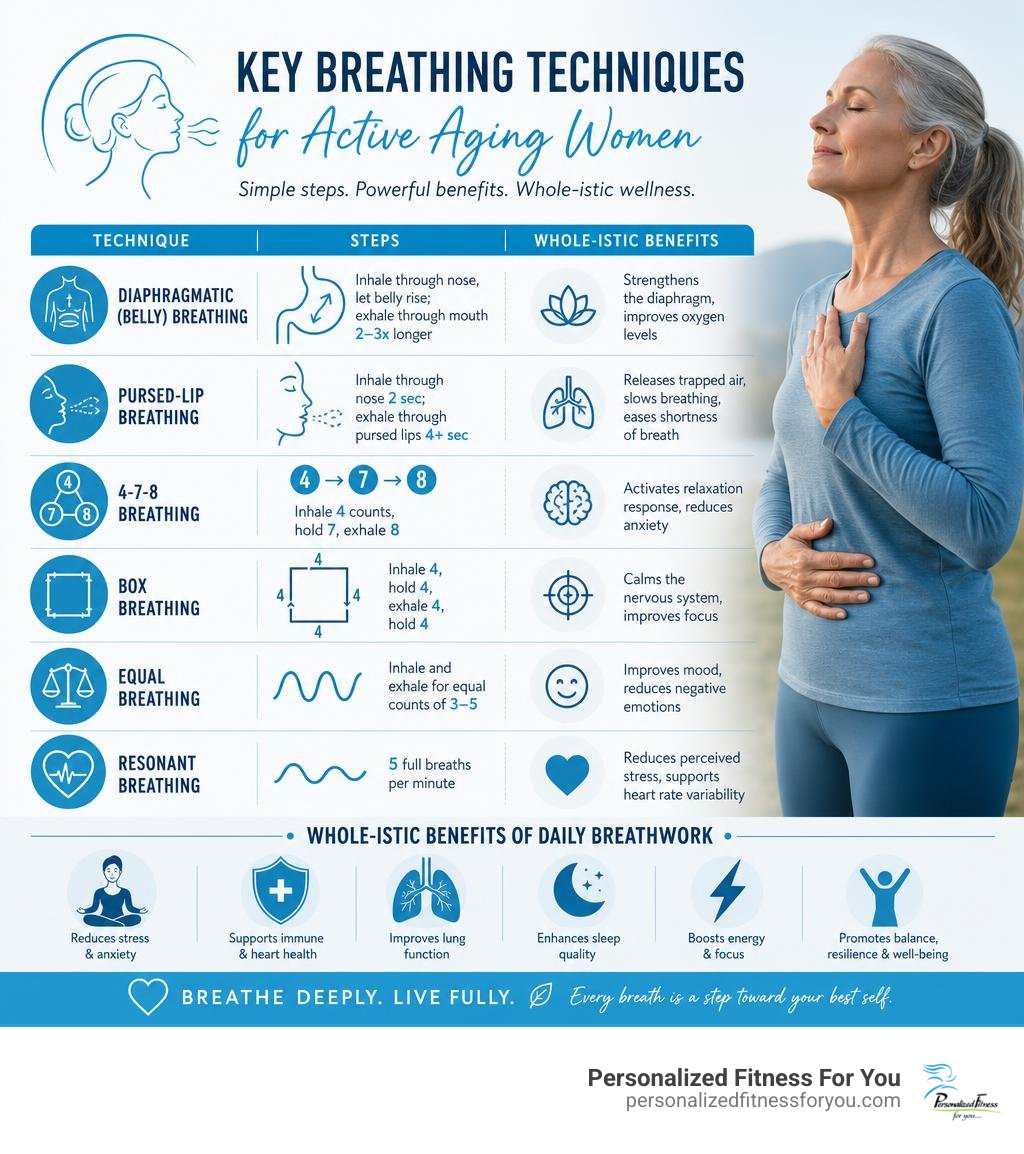
Here is a quick overview of several commonly used breathing techniques and the goals each one may support:
| Technique | How It Works | Primary Benefit |
|---|---|---|
| Diaphragmatic (Belly) Breathing | Inhale through nose, let belly rise; exhale through mouth 2-3x longer | Strengthens the diaphragm, improves oxygen levels |
| Pursed-Lip Breathing | Inhale through nose 2 sec; exhale through pursed lips 4+ sec | Releases trapped air, slows breathing, eases shortness of breath |
| 4-7-8 Breathing | Inhale 4 counts, hold 7, exhale 8 | Activates relaxation response, reduces anxiety |
| Box Breathing | Inhale 4, hold 4, exhale 4, hold 4 | Calms the nervous system, improves focus |
| Equal Breathing | Inhale and exhale for equal counts of 3-5 | Improves mood, reduces negative emotions |
| Resonant Breathing | 5 full breaths per minute | Reduces perceived stress, supports heart rate variability |
Practicing these breathing exercises for five to ten minutes may improve breathing awareness, encourage greater diaphragm use, and help some people manage breathlessness more effectively. Whether you are navigating the demands of a busy career, supporting your cardiovascular health, managing everyday stress, or recovering from a health challenge, there is a breathing technique that meets you exactly where you are.
As the founder of Personalized Fitness For You in Winona Lake, Indiana, and with over 20 years of experience working with women across clinical and community-based settings, I have seen how targeted breathing exercises can help clients feel calmer, more aware of their breathing patterns, and more confident in their wellness routines. In this guide, I’ll walk you through everything you need to know, from the science behind each technique to safe, practical steps for making breathwork a sustainable part of your daily routine.
The Whole-istic Benefits of Daily Breathing Exercises
Our bodies go through significant changes during midlife, and the way we respond to stress plays a massive role in our overall physical fitness and longevity. When we experience stress, our sympathetic nervous system takes over, triggering a cascade of stress hormones like cortisol that can disrupt our sleep, digestion, and energy levels.
Slow breathing exercises may support parasympathetic activity, including pathways involving the vagus nerve, which can help the body shift toward a calmer state. This shift may support the body’s ‘rest and digest’ response and help reduce perceived stress. To learn more about how to navigate these lifestyle stressors, you can explore The Ultimate Guide to Stress Management.
Incorporating simple breathwork into your daily routine is a gentle, accessible way to support your physical fitness and manage the physical tolls of active aging. It requires no special equipment, can be done anywhere, and serves as a beautiful foundation for a whole-istic approach to wellness.
How Breathing Exercises Lower Blood Pressure and Protect the Heart
Cardiovascular wellness becomes increasingly important as we navigate midlife changes. When we experience chronic stress, our bodies remain in a constant state of low-grade tension, which can lead to an elevated heart rate and increased arterial stiffness. Slow breathing exercises may support relaxation and contribute to modest improvements in heart rate or blood-pressure regulation for some individuals.
Harvard Health reports that, for some people with high blood pressure, practicing slow, deep breathing for about 15 minutes daily may reduce systolic blood pressure by as much as ten points. This drop occurs because prolonged exhalations trigger a sensory reflex that widens our blood vessels and lowers our heart rate.
Furthermore, these practices support heart rate variability, which is the measure of the variation in time between each heartbeat. Greater heart rate variability is often associated with stronger autonomic adaptability, although an individual reading should be interpreted within the person’s broader health context. To understand how stress directly impacts your cardiovascular system, we recommend reading An Essential Guide to the Effects of Stress on the Heart.
Calming the Mind: Breathing Exercises for Stress and Anxiety
The benefits of controlled breathing extend far beyond our physical cardiovascular pathways; they are also deeply linked to our mental well-being and cognitive function. Shallow, rapid breathing can occur during stress and may reinforce the physical sensations associated with anxiety or mental fatigue.
By shifting to slow, deep diaphragmatic breathing, we signal safety to the brain, which helps quiet mental chatter and restores a sense of calm. A 2023 randomized study found that five minutes of daily controlled breathwork improved mood and reduced anxiety, with cyclic sighing producing the greatest improvement in positive mood among the techniques tested. For more structured guidance on managing daily stress, you can refer to the NHS guide on breathing exercises for stress.
Intentional breathwork may support mental clarity by promoting relaxation, focused attention, and greater awareness of physical stress responses. To discover how physical movement and structured wellness support your mental clarity, you can read our Brain Health Exercise Guide and learn how to Exercise Your Right to a Better Brain.
Core Breathing Techniques for Active Aging
As our bodies mature, our respiratory muscles can lose some of their natural elasticity, which often leads to shallower breathing patterns. Retraining these muscles through targeted breath control is essential for maintaining respiratory efficiency and physical stamina.
We often integrate these foundational breathing patterns into our customized movement sessions, including general flexibility work and Pilates reformer training. If you are interested in how focused breathing pairs with targeted muscle engagement, you can read about our Pilates reformer training offered at the studio in Winona Lake, Indiana.
Diaphragmatic Breathing (Belly Breathing)
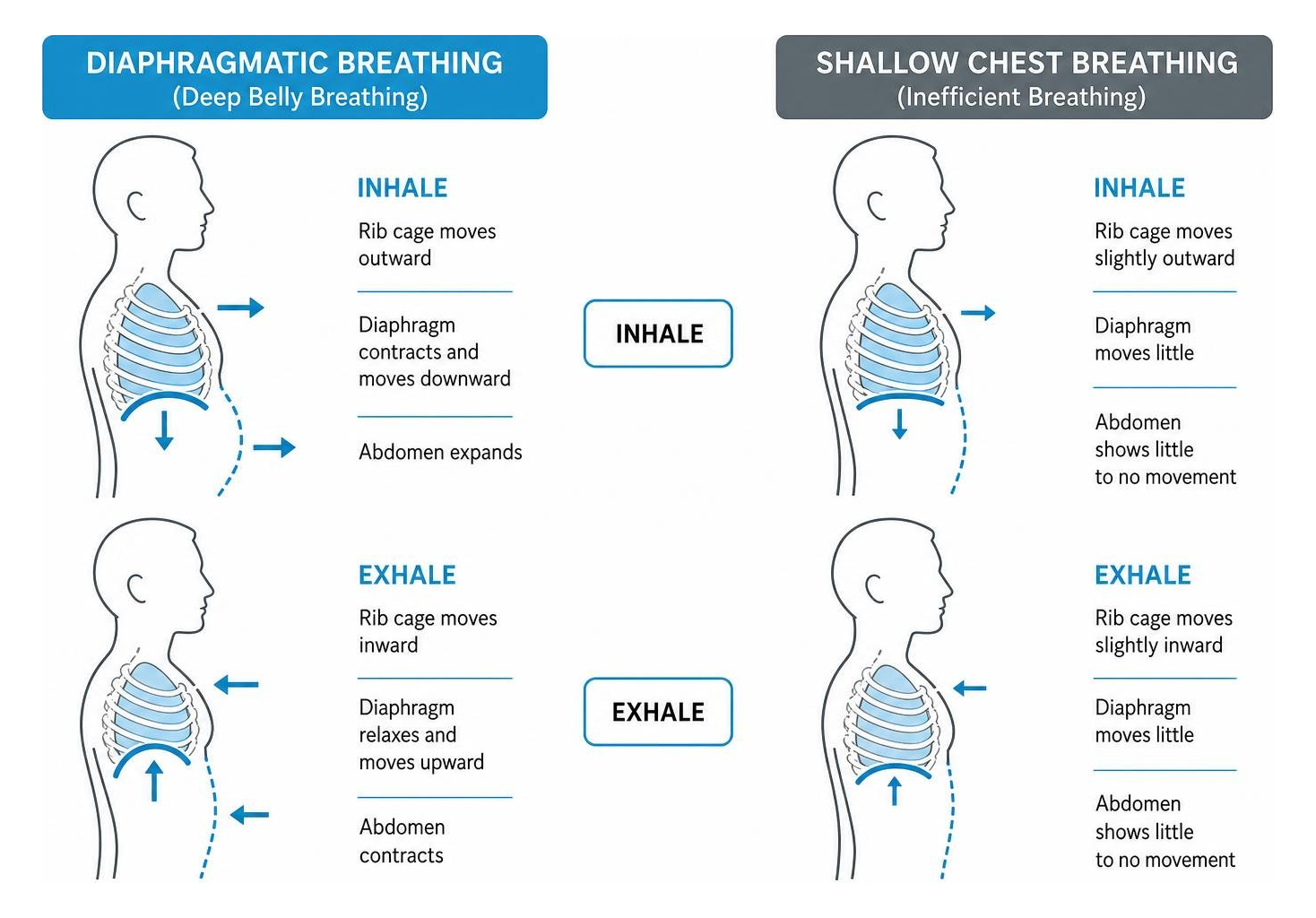
The diaphragm muscle is a large, dome-shaped muscle located at the base of your lungs, and it is designed to do about 80% of the physical work of breathing. However, many of us develop a habit of shallow chest breathing, which overuses the accessory muscles in our neck, shoulders, and upper back. This inefficient pattern can lead to chronic muscle tension and reduced oxygen exchange.
To practice diaphragmatic breathing, we recommend finding a comfortable position lying on your back with your knees bent. You can place one hand on your upper chest and the other hand on your abdomen just below your rib cage. As you inhale slowly through your nose, focus on sending the air deep into your torso so that your bottom hand rises while your top hand remains completely still. When you exhale through your mouth, gently contract your abdominal muscles to help push the air out.
For a detailed breakdown of this technique and its clinical benefits, you can explore the Cleveland Clinic guide on diaphragmatic breathing. Regular practice may improve breathing mechanics, encourage diaphragm use, and reduce reliance on accessory muscles in the neck and shoulders.
Pursed-Lip Breathing
For those who experience occasional shortness of breath during physical exertion, pursed-lip breathing is an incredibly simple yet effective tool. This technique is designed to create a small amount of backpressure in your airways, which keeps them open longer and makes it easier for your lungs to release trapped air.
To perform pursed-lip breathing, you should first relax your neck and shoulder muscles. Inhale slowly through your nose for a count of two, keeping your mouth closed. Next, purse your lips as if you were going to whistle or gently blow out a candle, and then exhale slowly and smoothly through your pursed lips for a count of four or more.
The golden rule of this technique is to always make your exhalation at least twice as long as your inhalation. You can learn more about how this practice improves oxygen exchange by reviewing the Cleveland Clinic guide on pursed-lip breathing.
The 4-7-8 Relaxing Breath and Box Breathing
Paced breathing patterns are excellent for inducing a rapid relaxation response and restoring mental clarity when you feel overwhelmed. Two of the most popular structured methods are the 4-7-8 technique and Box Breathing, both of which rely on counting breaths to anchor your attention in the present moment.
For the 4-7-8 technique, you begin by emptying your lungs completely. You then inhale quietly through your nose for a count of four, hold your breath for a count of seven, and exhale audibly through your mouth for a count of eight. This counting pattern may help slow your breathing, focus your attention, and promote a sense of relaxation.
Box Breathing, which is frequently used by high-stress professionals to maintain focus, involves a four-part equal box: you inhale for four seconds, hold your breath for four seconds, exhale for four seconds, and hold your lungs empty for four seconds. To explore additional variations of these paced patterns, you can read this Stanford Medicine study on five-minute breathing exercises,
Restoring Lung Function and Supporting Post-Rehabilitation Recovery
After illness, surgery, or periods of limited activity, some people may benefit from clinician-approved breathing exercises that support breathing control and respiratory recovery. When stale air becomes trapped, it limits the amount of fresh, oxygen-rich air that can enter, which can leave us feeling fatigued and short of breath during daily tasks.
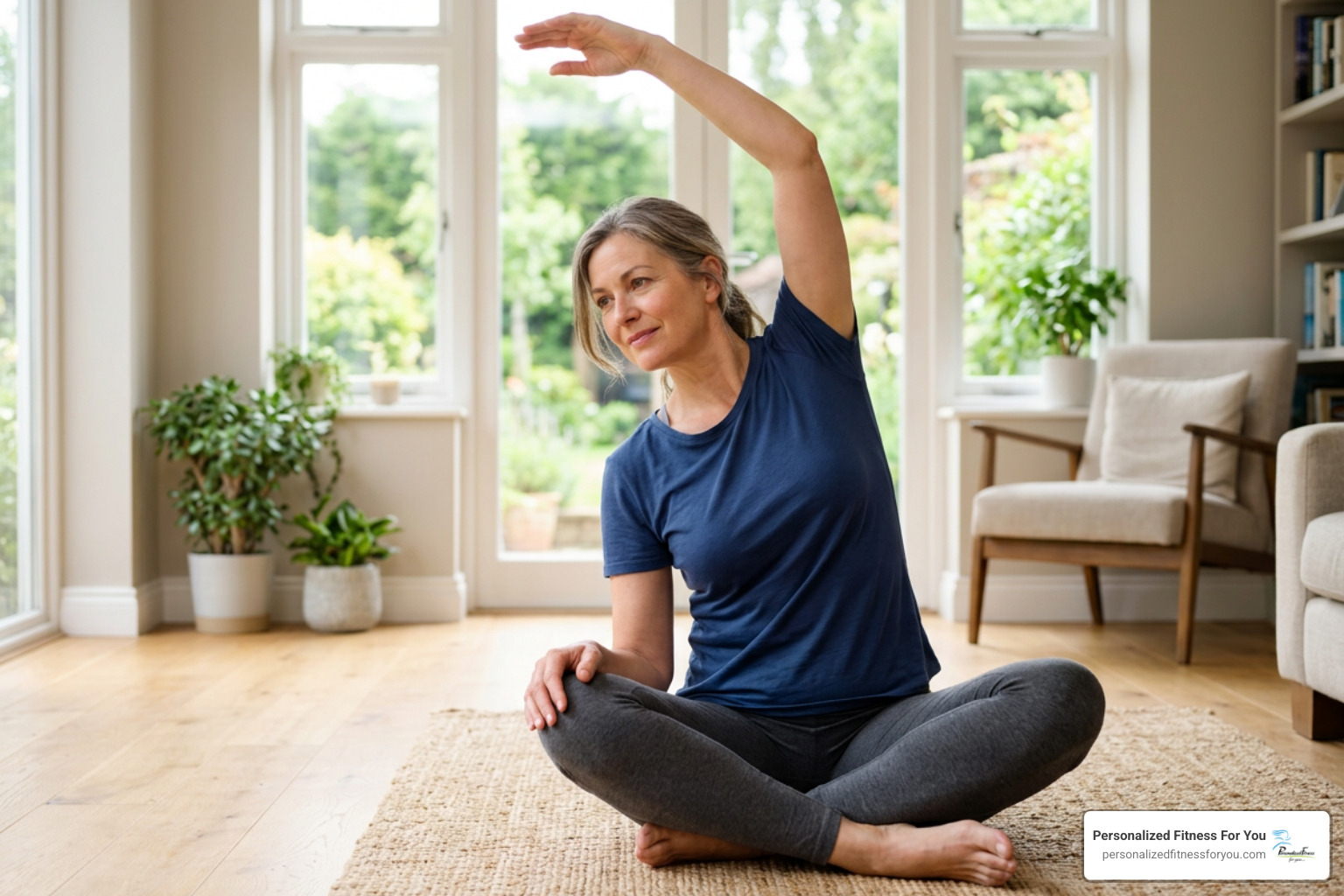
During post-operative recovery or rehabilitation, clinician-approved breathing exercises may help maintain breathing control, encourage gentle respiratory movement, and support a gradual return to activity. This recovery process is also heavily supported by proper hydration, which keeps the mucosal linings of our airways moist and helps clear secretions. You can read about how proper hydration supports your recovery in our article on the 10 Essential Benefits of Drinking Water to Help You Thrive.
By combining targeted breathwork with gentle, restorative movements, we can support our body’s natural healing processes and regain our physical stamina safely and comfortably.
How Beginners Can Safely Practice Breathwork
Starting a new wellness practice should always feel welcoming and free of strain. When you are first learning breathing exercises, we highly recommend practicing them while sitting comfortably in a supportive chair or lying down on a comfortable mat.
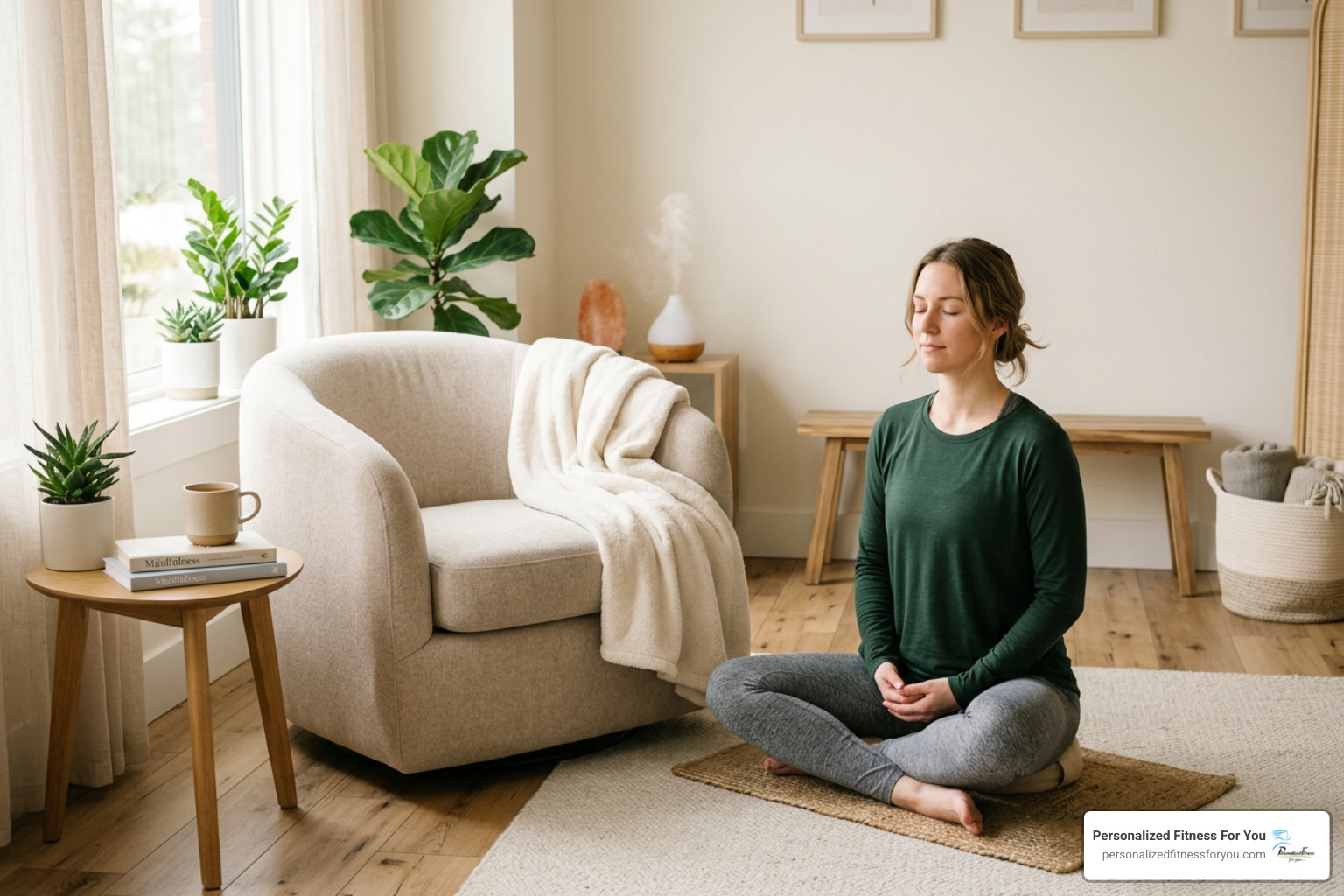
To build a sustainable daily routine, you can start with just two to five minutes of practice once or twice a day, ideally when you are already feeling relaxed. It is much easier to learn these techniques when your breathing is normal rather than trying to use them for the first time during a moment of acute shortness of breath.
As you practice, maintain a keen sense of body awareness and avoid forcing your breath. If you ever begin to feel lightheaded or dizzy, simply stop the exercise, allow your breathing to return to its natural rhythm, and rest for a few moments. A safe progression is always more effective than pushing yourself too quickly.
Frequently Asked Questions About Breathing Exercises
How often should I practice breathing exercises?
To experience the lasting benefits of breathwork, daily consistency is key. We recommend starting with five to ten minutes of practice each day, which can easily be integrated into your morning routine or used as a way to unwind before bed. Over time, as you build these healthy habits, you can gradually increase the duration of your sessions to fifteen or twenty minutes.
Can breathing exercises help with joint pain or physical alignment?
Breathing exercises may indirectly support posture and movement quality by reducing unnecessary tension and improving awareness of the rib cage, diaphragm, and core. Controlled breathing may help reduce muscle tension and support relaxation, which can make it easier to maintain comfortable posture and body awareness. Furthermore, focusing on deep, diaphragmatic breathing encourages better whole-body alignment and posture, which reduces uneven wear and tear on your joints and works beautifully alongside a structured fitness program for active aging women.
When should I consult a healthcare professional before starting?
Gentle breathing exercises are generally well- tolerated, but techniques involving prolonged breath holds or forceful breathing may not be appropriate for everyone. If you experience any red-flag symptoms during practice, such as sudden chest pain, severe shortness of breath, or persistent dizziness, you should stop immediately and consult a healthcare professional.
Conclusion
At Personalized Fitness For You, we believe that true wellness is a whole-istic journey that unites the spirit, mind, and body. As your body changes through midlife, learning how to incorporate breathing into your routine can help reduce anxiety while strengthening the heart, mind, and soul.
Whether you prefer to train with Joy in the studio in Winona Lake, Indiana, or enjoy the convenience of our virtual coaching services throughout the continental United States, we are here to provide a supportive, shame-free environment tailored to your unique needs. We serve local communities, including Warsaw, Indiana, and the surrounding Kosciusko County area, and we are ready to meet with you.
Schedule your Personalized Fitness Assessment to explore how breathing exercises, purposeful movement, and recovery-focused fitness can work together in a plan designed for your spirit, mind, and body.
Acts:17:25