

Why Understanding Clean Eating Matters for Your Health
Clean eating is the practice of choosing whole, unprocessed foods that help your body reduce chronic inflammatory responses. According to respected organizations such as the National Institutes of Health and the American Heart Association, persistent, low-grade inflammation is linked to heart disease, type 2 diabetes, and cognitive decline. For women in the Winona Lake and Warsaw area, understanding how food choices influence inflammation is a powerful step toward long-term, whole-istic wellness for your spirit, mind, and body.
Ready to discover a fitness plan that works with your unique needs? Book your complimentary Personalized Fitness Assessment today!
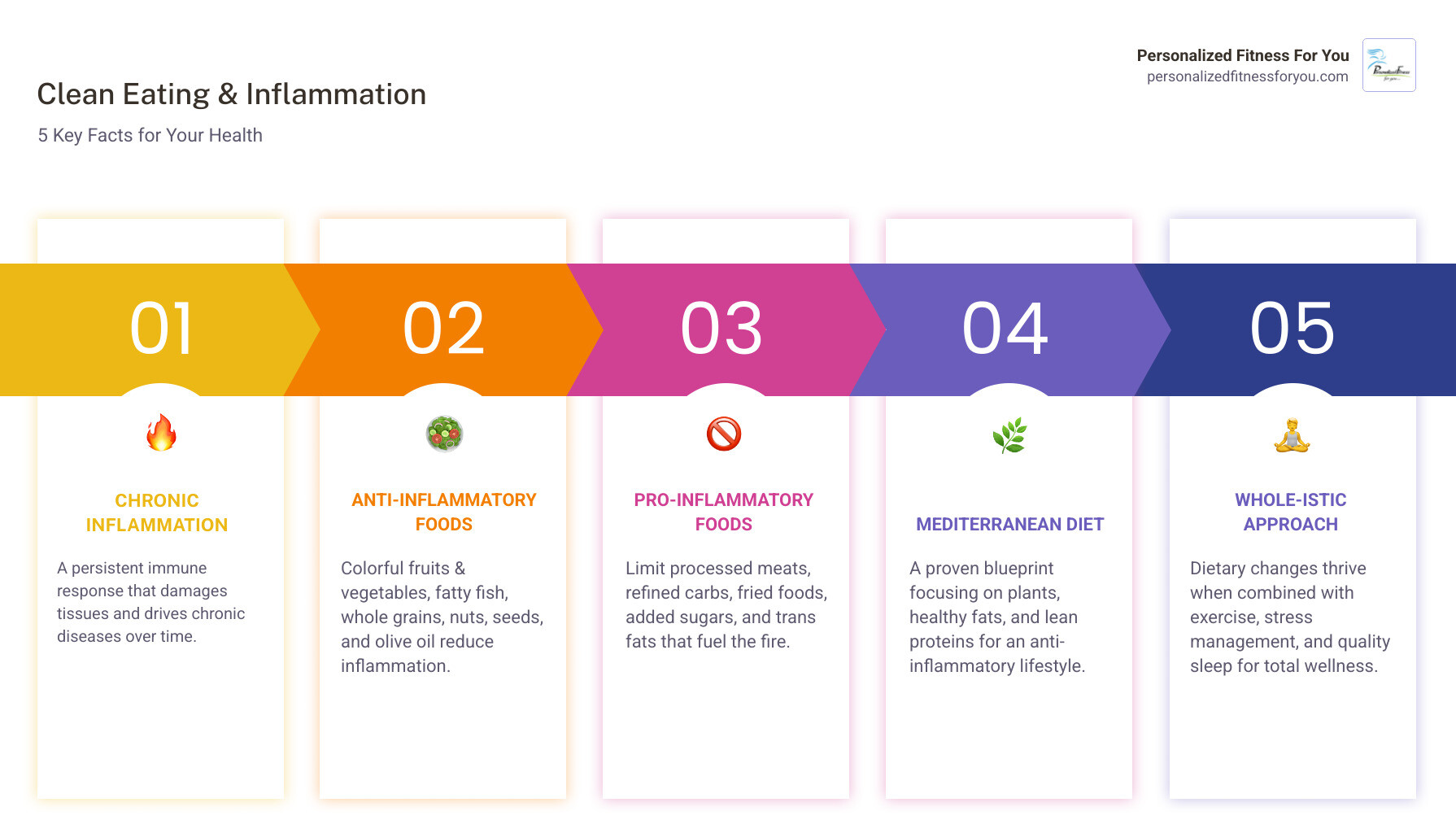
Inflammation is your body’s natural defense system. Acute inflammation helps you heal after a cut or a cold. The challenge arises when inflammation becomes chronic and persists for months or years, gradually damaging healthy tissues. Your daily food choices can calm or fuel that response. Emphasizing colorful fruits and vegetables, fatty fish rich in omega-3s, whole grains, beans, nuts, seeds, and extra virgin olive oil supports an anti-inflammatory environment. Limiting processed meats, refined carbohydrates, fried foods, excessive added sugars, and trans fats helps lower inflammatory signals.
A Mediterranean-style pattern is a proven, approachable blueprint for anti-inflammatory eating. It highlights plant-forward meals, healthy fats, and lean proteins. This way of eating pairs best with consistent movement, stress management, and quality sleep for a whole-istic approach that honors your spirit, mind, and body.
As your body changes, you might notice joint stiffness, a busier schedule, or uncertainty about which routines are safe for old injuries. A compassionate, expert-guided plan helps you navigate these seasons with confidence. Clean eating for inflammation reduction is not about rigid rules. It is about sustainable choices that fit your life and protect your long-term energy, independence, and cognitive health.
For women in the Winona Lake and Warsaw area seeking to maintain their health and prevent future issues, understanding the connection between diet and inflammation offers a path to greater well-being. Whether you are experiencing joint discomfort, managing a chronic condition, or simply want to age gracefully while maintaining your energy and independence, the principles of anti-inflammatory eating provide a solid foundation for your wellness journey.
I’m Joy Grout, owner of Personalized Fitness For You. For over 20 years I have been helping women navigate the intersection of fitness, nutrition, and long-term wellness, including how clean eating strategies can transform health outcomes. As a Certified Health Coach and Functional Aging Specialist, I am passionate about empowering women to make sustainable changes that honor their bodies and support their goals for vibrant, active aging.
The Diet-Inflammation Connection: How Food Choices Impact Your Body
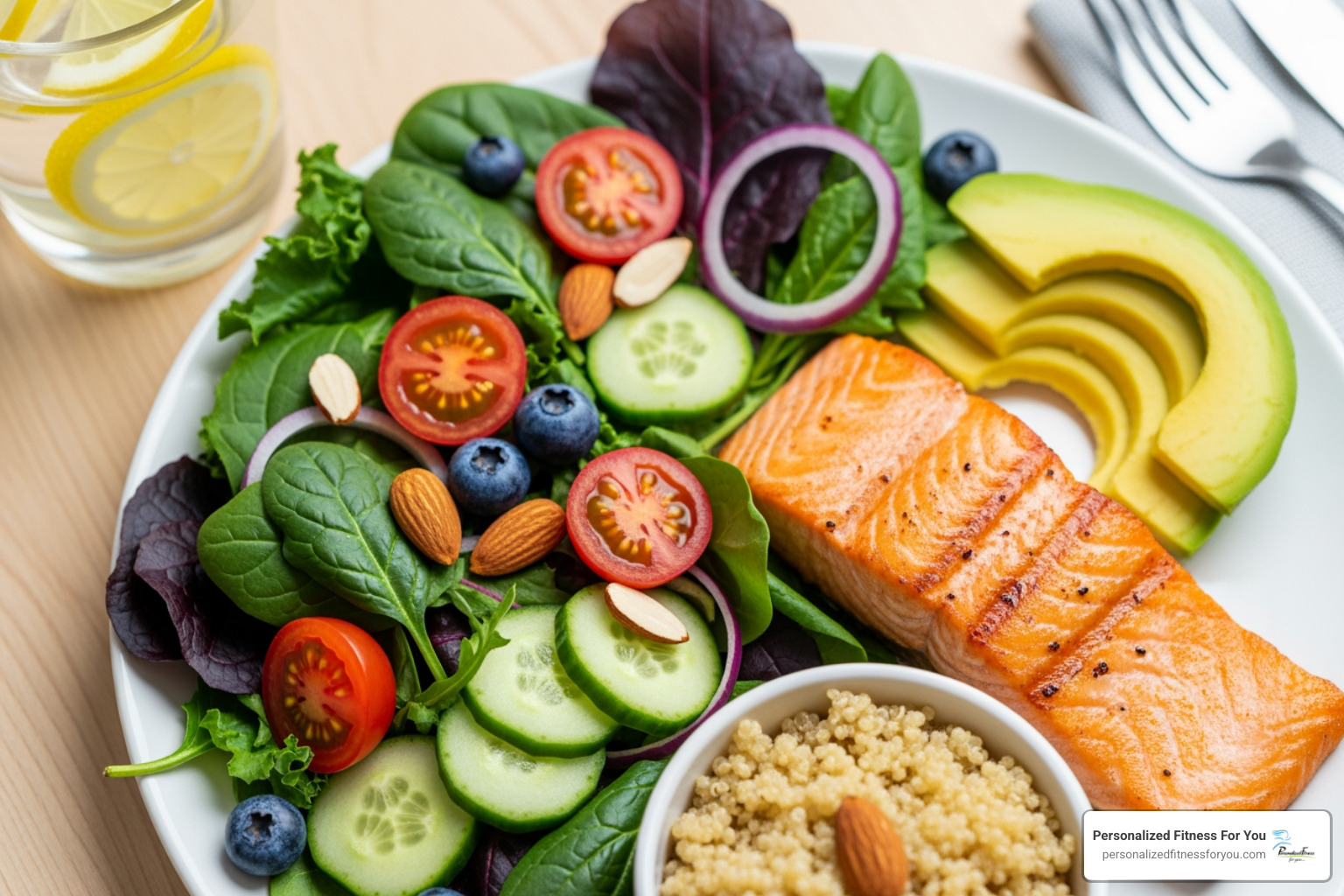
Our bodies are intricate systems, and what we feed them directly influences their internal environment. Diet stands as a primary driver of inflammation, with certain food choices either triggering or calming the body’s inflammatory responses. Chronic, systemic inflammation is a factor in a wide array of prevalent conditions, including obesity, metabolic syndrome, prediabetes, type 2 diabetes, heart disease, inflammatory bowel disease, certain cancers, arthritis, and Alzheimer’s disease. In fact, research suggests that over 60% of all chronic diseases could potentially be prevented through a healthy diet.
Pro-inflammatory foods, unfortunately, are staples in many modern diets, particularly in the typical American diet. This dietary pattern is often characterized by a low intake of fruits, vegetables, and fiber, alongside a high consumption of refined grains and processed meats. This imbalance is thought to disrupt the gut microbiota, alter the intestinal environment, and negatively impact the immune system, all contributing to chronic inflammation.
Let’s explore some of the key culprits:
-
Ultra-processed foods: Convenient options like packaged sweets, sweetened cereals, energy drinks, and some deli meats tend to be high in refined starches, added sugars, sodium, and industrial oils while being low in fiber. When these crowd out whole foods, studies often find higher inflammatory markers and weight gain. Use them as occasional add-ons, and build most meals from minimally processed ingredients.
-
Excess omega-6 fatty acids: Omega-6 fats are essential, but a wide gap between omega-6 and omega-3 intake may tilt the body toward a more inflammatory state. An imbalance of omega-6 to omega-3 fatty acids is common in modern diets. Rather than cutting all omega-6s, add more omega-3 sources like salmon, sardines, walnuts, chia, and flax to bring your ratio into better balance.
-
Saturated fats: Foods rich in saturated fat, including high-fat meats, full-fat dairy, and many pastries, can raise LDL cholesterol and, in some studies, inflammatory markers. Swapping some saturated fat for extra-virgin olive oil, nuts, seeds, and fatty fish tends to improve those markers. Portion size and overall eating pattern matter more than any single food.
-
Sugar and refined grains: Added sugars and refined grains digest quickly, causing sharp rises in blood sugar and insulin. Over time, frequent spikes can promote visceral fat gain and higher inflammatory markers like C-reactive protein. Sugar can also contribute to Advanced Glycation End Products (AGEs), compounds linked to oxidative stress. Enjoy sweets mindfully and favor fiber-rich carbs such as oats, beans, and intact whole grains. The average American consumes about 17 teaspoons (68 grams) of added sugar daily, so even small cutbacks help.
-
Red and processed meats: Red meat can fit in a balanced diet, but frequent large portions and high-heat cooking (grilling, frying) can increase compounds associated with inflammation. Processed meats like hot dogs and deli meats also bring sodium and preservatives linked with poorer cardiometabolic health. Choose smaller portions, lean cuts, gentler cooking methods, and rotate in fish or plant proteins during the week.
-
Food additives: Most approved additives, including MSG and aspartame, are considered safe for the general population. A small number of people notice symptoms they attribute to certain additives. If you see a pattern, check labels and opt for simpler ingredient lists; otherwise, focus on overall diet quality, which has a much larger impact on inflammation.
Conversely, anti-inflammatory foods work to counteract these processes. They are rich in compounds that protect our cells and modulate immune responses. Antioxidants, found abundantly in fruits and vegetables, play a crucial role by fighting off free radicals—unstable molecules that cause oxidative stress and cellular damage, a key trigger for inflammation. Fiber, a form of carbohydrate, is essential for gut health and has been shown to lower C-reactive protein (CRP) levels. Unfortunately, most women only get about half of their recommended daily fiber intake.
Empowering ourselves with this nutritional knowledge is a key step towards fostering a resilient and healthy community in the Winona Lake and Warsaw area. By understanding how food impacts our bodies, we can make choices that support our long-term wellness and vitality.
Building Your Anti-Inflammatory Plate: Foods to Accept

Creating an anti-inflammatory plate is about abundance and variety. We focus on whole, nutrient-dense foods and the power of food synergy, where nutrients work better together.
The Power of Plant-Based Foods for Clean Eating
Plant foods deliver antioxidants, vitamins, minerals, and fiber that help quiet inflammation.
- Fruits and vegetables are packed with carotenoids, flavonoids, and fiber that reduce inflammation. Aim for a generous mix of colors each day.
- Berries offer polyphenols and anthocyanins that support healthy inflammatory markers.
- Tart cherries have shown particular promise in reducing exercise-induced inflammation.
- Dark leafy greens and cruciferous vegetables like spinach, kale, collards, and broccoli provide powerful antioxidants.
- Alliums such as garlic and onions add flavor and support a healthy immune response.
- Spices including turmeric, ginger, rosemary, and cloves are natural anti-inflammatories.
- Sea vegetables like nori and wakame also supply unique protective compounds.
Healthy Fats: Omega-3s and Monounsaturated Oils
Not all fats are equal. The right fats help regulate inflammation.
- Fatty fish such as salmon, mackerel, tuna, and sardines supply omega-3s that reduce inflammatory proteins like C-reactive protein (CRP) and interleukin-6 (IL-6, an inflammatory signal). Include at least two fish meals per week when possible.
- Plant-based omega-3s from flax seeds, chia seeds, and walnuts are helpful additions.
- Extra virgin olive oil contains monounsaturated fats and oleocanthal, a natural compound that supports joint comfort and heart health. Using two to three tablespoons daily in meals can support healthy inflammatory balance.
- The importance of a healthy omega-6 to omega-3 ratio: many processed foods skew this balance. Increasing omega-3 intake and choosing fewer ultra-processed foods helps reset a more balanced response.
Protein: The Anchor Nutrient for Muscle and Bone Health
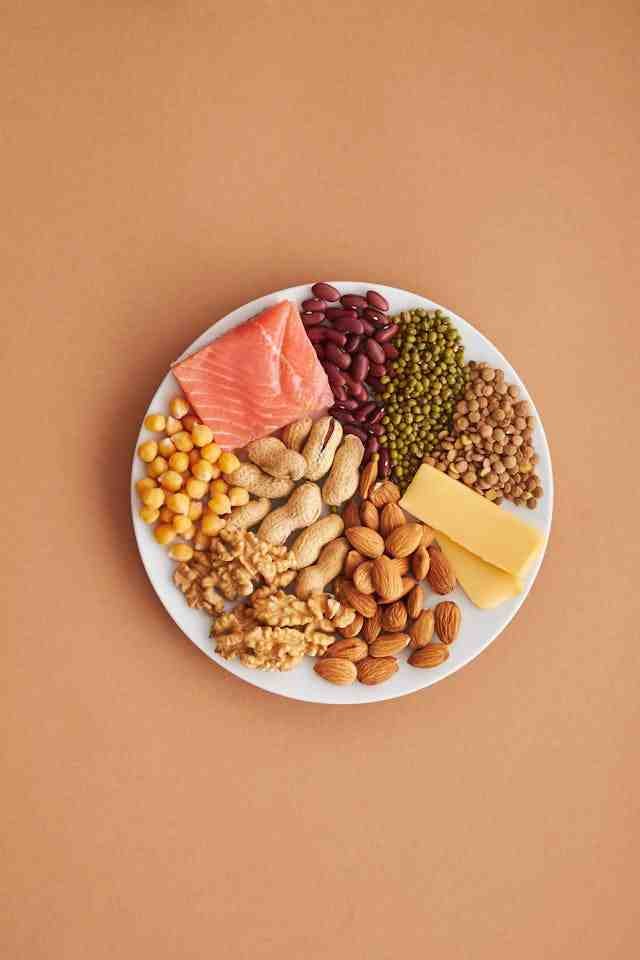
Protein supports muscle maintenance, bone strength, and recovery—key goals during active aging. Include a source of high-quality protein at most meals and snacks. Options include fish and seafood, poultry, eggs, tofu or tempeh, Greek yogurt or cottage cheese, beans, and lentils. Spreading protein across the day can make it easier for your body to use it well, which is especially important for strength, balance, and resilience in daily life.
Fiber-Rich Whole Grains and Legumes
Whole grains and legumes offer steady energy and fiber that supports gut health and lowers CRP.
- Intact whole grains, such as oats, quinoa, brown rice, barley, and millet, retain the bran and germ. These layers provide vitamin E, selenium, and fiber that help calm inflammation.
- Legumes, including beans, lentils, and soy foods, deliver protein and fiber with minimal fat, supporting healthy weight and lower inflammatory markers. Isoflavones in soy can be especially supportive for women.
- Glycemic index awareness: choosing lower-glycemic carbohydrates—like intact grains, beans, and most whole fruits—helps keep blood sugar steady. Stable blood sugar reduces insulin spikes that can promote inflammatory responses.
Foods That Fuel the Fire: What to Limit for Clean Eating
While we emphasize adding nourishing foods, understanding what to limit is equally important for clean eating. Our approach is mindful and sustainable, not restrictive, and it includes learning how to read labels to spot hidden inflammatory ingredients.
The Impact of Processed Foods and Sugars
- Ultra-processed foods, including many commercial baked goods, sugary cereals, and frozen dinners, can promote inflammatory signals throughout the body and are linked with higher body fat, which itself contributes to inflammation.
- Refined grains made from white flour digest quickly and can spike insulin. Frequent spikes promote fat storage and can raise C-reactive protein (CRP), a marker of inflammation.
- Added sugars contribute to the formation of harmful compounds called Advanced Glycation End Products (AGEs). These compounds can damage tissues and increase inflammation. Keeping added sugars to less than 6% of daily calories is a practical target.
Unhealthy Fats, Red Meats, and Alcohol
- Saturated fats in fatty cuts of meat, high-fat dairy, and some baked goods can increase inflammatory markers and may blunt the anti-inflammatory benefits of HDL cholesterol.
- Trans fats, often found in fried foods and some shelf-stable snacks, are strongly linked to inflammation. Avoid partially hydrogenated oils on labels.
- Fried foods are often cooked in oils high in omega-6 fatty acids, which may promote an imbalanced inflammatory response.
- Red and processed meats contain compounds that can increase inflammation. Choosing plant-based proteins more often can support a healthier inflammatory profile.
- Alcohol can irritate tissues and disrupt the gut microbiome. Limiting alcohol to one drink or less per day is a supportive choice for most women.
Your Practical Guide to an Anti-Inflammatory Lifestyle
Starting a journey to reduce inflammation is a powerful step toward long-term wellness. This is not about overnight changes. It is about progress, not perfection, and it honors your spirit, mind, and body.
If you want expert support custom to your goals, Book your complimentary Personalized Fitness Assessment today!
Transitioning with Ease: Meal Planning and Prep
Small steps add up. Begin by upgrading one meal a day or making one simple swap.
- Instead of French fries, try baked sweet potato wedges with turmeric and paprika.
- Swap a charcuterie plate for crisp vegetables with hummus.
- Replace heavy, cream-based sauces with extra virgin olive oil, vinegar, and fresh herbs.
- Try grilled portobello mushrooms or eggplant as a flavorful main.
- Satisfy a sweet craving with dark chocolate and fresh berries.
- Trade sugary sodas for sparkling mineral water with citrus or unsweetened herbal tea.
Plan meals and snacks in advance so nourishing options are ready when life gets busy. When cooking, choose baking, steaming, or quick stir-frying over deep-frying or high-heat grilling to limit the formation of AGEs.
Here are some easy anti-inflammatory snack ideas:
- A handful of walnuts or almonds
- Fresh berries with a sprinkle of chia seeds
- Vegetable sticks with a blended white-bean dip
- A small bowl of oatmeal with fruit
- Edamame pods
The Mediterranean Diet: A Blueprint for Success
A Mediterranean-style pattern emphasizes vegetables, fruits, whole grains, legumes, nuts, extra virgin olive oil, frequent fish and seafood, and herbs and spices for flavor. This approach supports healthy inflammatory markers, heart health, and brain function. It is practical, flexible, and easy to personalize for your tastes and schedule.
Beyond the Plate: A Whole-istic Approach to Wellness
Food is only one pillar. Regular, mindful movement lowers chronic inflammation and supports longevity, bone health, balance, and cognitive function. Strength training and Pilates reformer work can be especially joint-friendly while building lean strength and core stability. Consistent stress management practices, such as simple breathing routines or a brief gratitude practice, calm your nervous system and support healthier inflammatory responses. Quality sleep helps your body repair and restore.
Personalization is the key to lasting results. A one-on-one plan with a certified specialist ensures your program accounts for your schedule, joint comfort, and any post-op or medical considerations, so you can progress safely and confidently. Explore our In-Person Training or get started from home with our Virtual Training. If you are unsure where to start, Book your complimentary Personalized Fitness Assessment today!
We understand that your body is unique, and a one-size-fits-all plan falls short. Whether you want to improve bone strength, move with less joint discomfort, or support sharp thinking and memory, we will help you navigate the path with expert guidance custom to you.
Conclusion
Embracing clean eating strategies is a key to unlocking a healthier, more vibrant life. By choosing foods that calm inflammation and limiting those that fuel it, you protect your long-term well-being. This journey is about a whole-istic approach that respects the connection between your spirit, mind, and body.
At Personalized Fitness For You, we are dedicated to guiding you with expert, compassionate coaching. With the right knowledge, support, and a personalized plan, you can navigate the changes that come with midlife with strength, vitality, and grace.
Schedule your complimentary consultation with Joy today by visiting our contact page.


