

Why Healthy Apple Recipes Belong in Your Wellness Routine
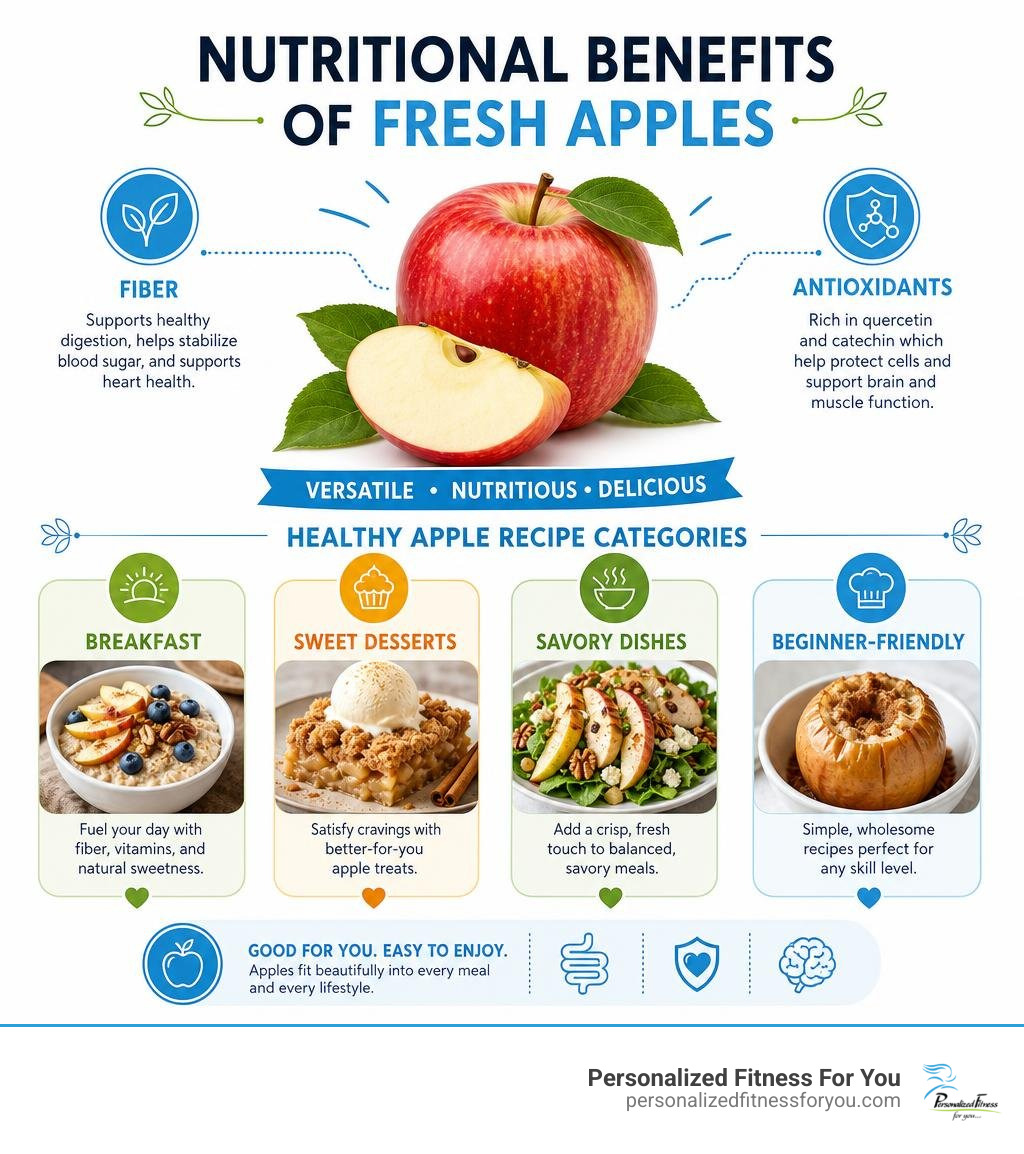
Healthy apple recipes are one of the simplest, most versatile ways to nourish your body with real, whole food — whether you are fueling a busy morning, satisfying a sweet craving, or rounding out a protein-rich dinner. Here is a quick look at some of the best ways to use apples in healthy cooking:
- Breakfast: Apple cinnamon baked oatmeal, whole wheat apple muffins, Bircher muesli with apple and blueberries, and overnight oats topped with sautéed apples
- Sweet Desserts: Grain-free apple crisp, flourless apple cake, baked cinnamon apple slices, and naturally sweetened apple crumble
- Savory Dishes: Harvest chicken salad with apples, crisp apple coleslaw, skillet pork chops with apples, and apple and white bean stew
- Beginner-Friendly: 3-ingredient cinnamon baked apples (oven or crockpot), 5-ingredient flourless apple cake, and simple baked apple chips
- Dietary Needs: Most recipes can be adapted to be gluten-free, vegan, or dairy-free using oat flour, flaxseed eggs, and coconut oil
Apples are a versatile whole-food ingredient that can be used in breakfasts, snacks, desserts, salads, and savory meals. Apples provide dietary fiber, including soluble fiber, which supports digestion and can contribute to more gradual blood-sugar changes when included in a balanced meal. They also contain antioxidants like quercetin, which has natural anti-inflammatory properties, and catechin, which supports both brain and muscle function. Their portability and long refrigerated storage life also make apples easy to incorporate into everyday meals and snacks.
What makes apples especially valuable from a whole-istic wellness perspective is their flexibility. Whether you prefer sweet or savory, baked or raw, simple or elaborate, there is an apple recipe that fits your lifestyle and your health goals. Sweet apple dishes may be familiar, but savory preparations such as slaws, stuffed squash, and roasted meats offer additional ways to use the fruit.
If you are ready to eat with more intention and bring more nourishing, real-food meals into your week, this guide is for you. I’m Joy, a Certified Health Coach and personal trainer with over 20 years of experience helping women navigate active aging through healthy apple recipes and whole-food nutrition as part of a balanced spirit, mind, and body wellness plan. Let’s walk through everything you need to know, from choosing the right apple variety to building meals that genuinely support your energy, vitality, and long-term health.
1. Selecting and Storing the Best Apples for Baking and Snacking
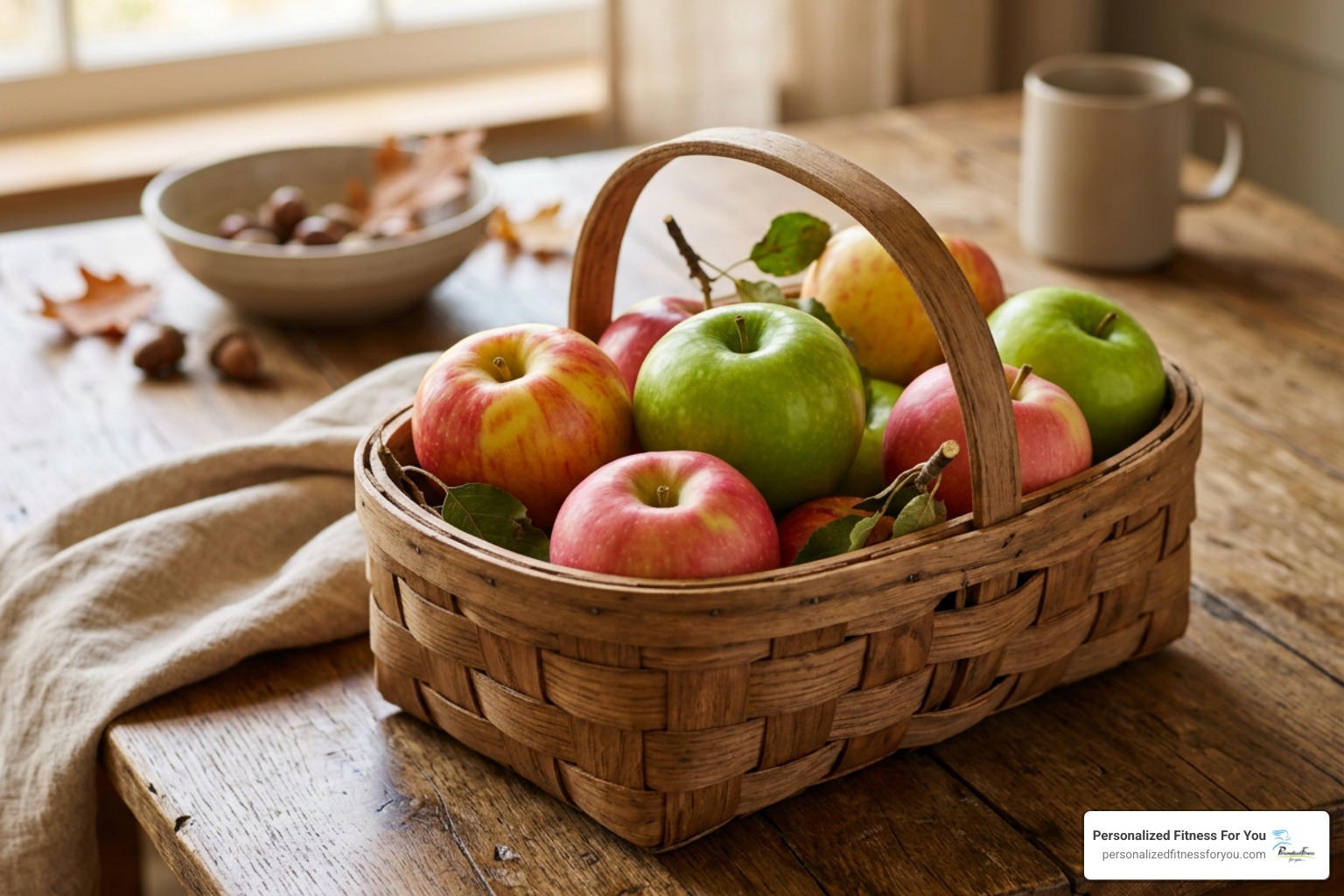
Choosing the right apple variety makes all the difference when you are preparing healthy apple recipes. While it might be tempting to buy whatever looks shiny at the grocery store, different apple varieties possess distinct texture and sweetness profiles that make them better suited for either raw snacking or high-heat baking.
For raw snacking, crisper, juicier varieties with higher natural sugars are ideal. For raw snacking, crisp and juicy varieties such as Honeycrisp, Gala, Pink Lady, Fuji, and Opal are popular choices. Pink Lady, Fuji, and Opal are also exceptional choices. Their natural sweetness allows you to satisfy your sweet tooth without needing added sweeteners.
When it comes to baking, you need firm apples that maintain their structural integrity under heat without turning into mush. Tart, firm varieties such as Granny Smith provide a useful contrast to warm spices and generally maintain their shape during baking. Other outstanding baking choices include Jonagold, Braeburn, Mutsu, Winesap, and Pink Lady. Apples already on hand may work in some recipes, but firm varieties generally produce a more consistent baked texture. However, avoiding softer snacking apples like Gala, Fuji, or Red Delicious in baked goods will keep your crisps and muffins from becoming watery or mushy.
When shopping or visiting an orchard, choose apples that feel firm and heavy for their size and are free from bruises or soft spots. The skin should show vibrant coloring, and the stem area should smell clean and sweet.
Once home, store your apples unwashed inside the crisper drawer of your refrigerator. Refrigeration slows ripening and generally preserves apple quality longer than room-temperature storage. Keep them away from strong-smelling foods, as apples absorb surrounding odors, and promptly remove any piece that shows signs of soft spots or browning to prevent spoiling the rest.
Including whole apples in balanced meals adds fiber and natural sweetness, especially when they are paired with protein or healthy fat. If you are looking to align your nutrition with a whole-istic exercise routine tailored to your specific physical needs, take the next step and schedule a personalized fitness assessment with me today.
2. Healthy Apple Recipes for Nourishing Breakfasts and Morning Energy
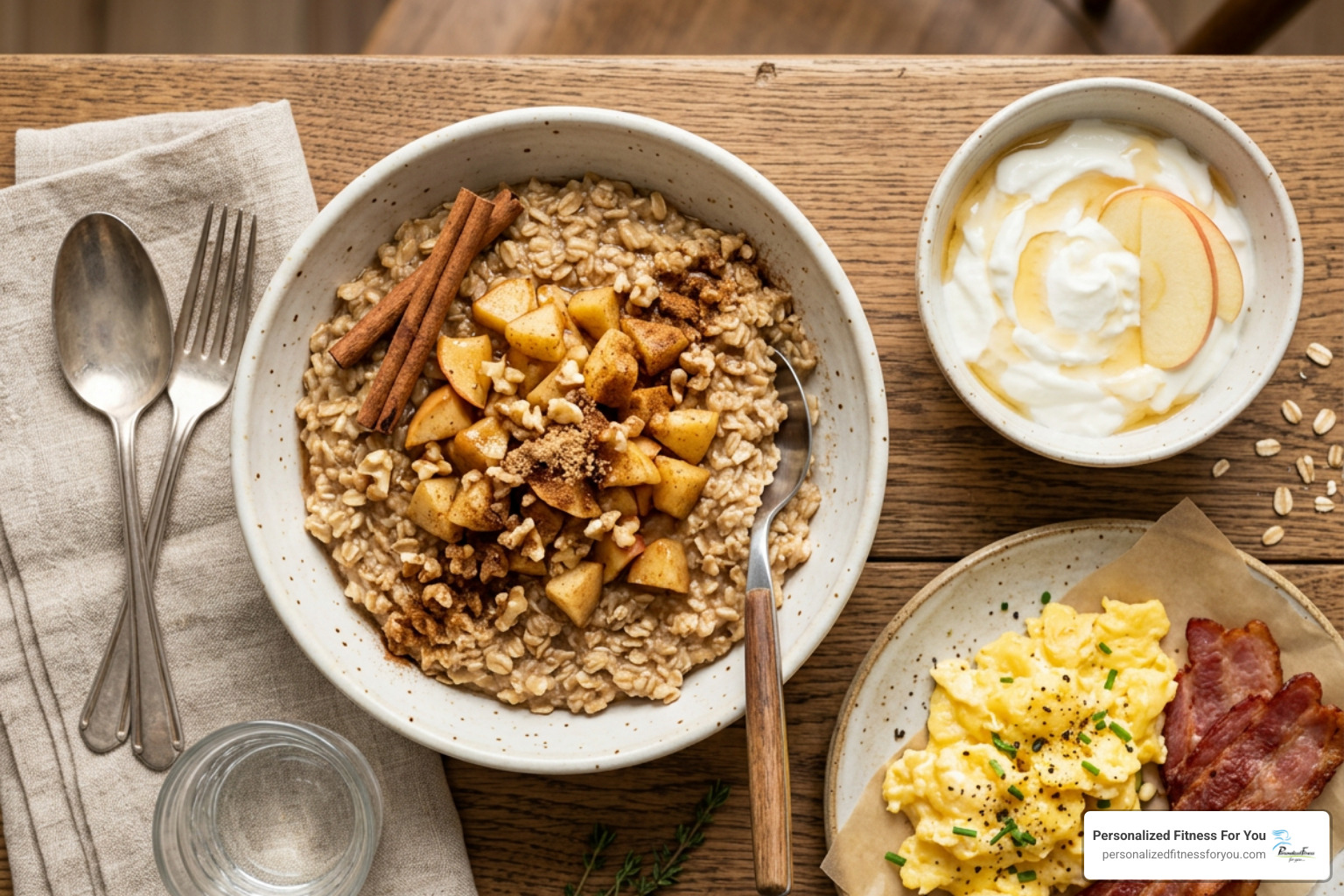
Breakfast-focused healthy apple recipes can combine fiber-rich fruit, whole grains, and protein to support steady morning energy. Incorporating fresh fruit into whole-grain breakfast dishes allows you to enjoy warm, comforting morning meals while maintaining a clean-eating lifestyle.
During this apple-picking season, try a morning staple of apple-cinnamon baked oatmeal. Combining whole rolled oats with diced fresh apples, unsweetened applesauce, egg whites or flaxseed meal, ground cinnamon, and a splash of unsweetened almond milk yields a comforting dish you can easily prep over the weekend. Pair baked oatmeal with Greek yogurt, eggs, or another protein source for a more balanced breakfast that may help you remain satisfied through the morning.
Another fantastic option is a warm batch of whole wheat apple muffins. Many bakery-style muffins contain refined flour and substantial added sugar, while homemade versions can emphasize whole grains, fruit, and moderate sweetness. By swapping white flour for whole wheat flour or oat flour, and substituting refined sugars with pure maple syrup or natural applesauce, you create a dense, nutrient-rich treat. Combining grated apple, diced apple chunks, and applesauce into the batter infuses maximum moisture and flavor naturally.
Whole-grain apple muffins are one of the easiest healthy apple recipes to prepare ahead for busy mornings. Include the full ingredient list and baking instructions directly in this section.
For those busy mornings when baking isn’t on the schedule, simple preparations like overnight oats soaked in almond milk with chia seeds, topped with fresh apple slices sautéed in a teaspoon of coconut oil and cinnamon, provide a cozy, gourmet feel in under five minutes. If you want individual guidance on structuring your nutrition and exercise around a demanding schedule, you can easily explore virtual training options to work directly with me throughout the continental United States from home.
3. Wholesome Sweet Apple Desserts and Low-Sugar Crumbles
Apple desserts can fit within a balanced eating pattern when they emphasize whole fruit and thoughtfully chosen ingredients. With a few intentional ingredient swaps, traditional heavy autumn desserts can be transformed into whole-food treats that nourish your body while delivering rich, warm comfort.
A classic apple crisp or crumble is naturally one of the easiest desserts to adapt for health-conscious living. Traditional recipes rely on heavy amounts of white sugar and refined flour in both the filling and the streusel topping. To create a wholesome, lower-glycemic version, core and thinly slice firm apples such as Honeycrisp or Granny Smith, keeping the skins intact to preserve fiber. Toss the slices with lemon juice, ground cinnamon, nutmeg, vanilla extract, and a small amount of arrowroot starch or cornstarch to thicken the natural fruit juices as they bake.
For the crumble topping, replace white flour and processed white sugar with a blend of rolled oats, almond flour, chopped walnuts or pecans, ground cinnamon, and a modest drizzle of pure maple syrup or raw honey. Work cold butter or coconut oil into the oat-and-nut mixture until coarse crumbs form, then bake until the topping is crisp and lightly browned. You can find a complete step-by-step guide to this comforting dish with this Healthy Apple Crisp Recipe.
If you are looking for a grain-free or flourless cake option that keeps glycemic impact low, simple ingredient combinations are surprisingly powerful. A flourless apple cake can combine skyr or Greek yogurt, eggs, ground almonds, cinnamon, and sliced apples for a protein-containing dessert with a soft texture. Check out this quick, minimal-ingredient recipe for a Quick 5-Ingredient Apple Cake to see how easy flourless baking can be.
Serve warm baked apples with plain Greek yogurt or unsweetened coconut cream for added creaminess.
4. Savory Apple Dishes for High-Protein Dinners and Sides
While sweet baked goods receive plenty of attention during fall, savory apple preparations are an incredible way to bring natural sweetness, crisp texture, and vital nutrients to your lunch and dinner table. The natural tartness and acidity of apples complement savory herbs, lean meats, and roasted winter vegetables exceptionally well.
One effortless way to introduce raw apples into dinner is through a harvest chicken salad. Combining diced chicken breast with crisp diced red apples, sliced celery, toasted walnuts, and a light dressing made from plain Greek yogurt, lemon juice, and Dijon mustard creates a protein-packed, high-fiber meal prep option. The natural crunch of the fruit elevates the dish while eliminating the need for heavy, mayonnaise-laden dressings.
Apples also make a phenomenal base for refreshing side dishes and slaws that pair seamlessly with lean proteins. A shredded cabbage-and-apple slaw dressed with apple cider vinegar, olive oil, mustard, and sea salt adds crisp texture and bright acidity to lean proteins.
For a warm, comforting weeknight dinner, skillet pork chops with braised apples and onions offer a classic combination rich in lean protein and dietary fiber. Searing lean pork chops in a cast-iron skillet, then braising sliced Pink Lady apples and yellow onions in a splash of apple cider and chicken bone broth, creates a savory sauce packed with flavor without requiring heavy creams or butter. Include a complete skillet pork chop recipe here, with ingredients, cooking time, safe internal-temperature guidance, and numbered steps.
Pairing fruit with protein, fat, and other fiber-rich ingredients can produce a more balanced and satisfying meal.
5. Easy Dietary Adaptations: Gluten-Free, Vegan, and Beginner Apple Treats
One of the best qualities of working with whole fruit is how easily it accommodates various dietary requirements, whether you follow a gluten-free, vegan, or dairy-free lifestyle—or are simply a beginner looking for effortless recipes.
For beginners, three-ingredient baked cinnamon apples are one of the simplest healthy apple recipes to prepare. Simply slice firm apples into uniform wedges, toss them in a baking dish with fresh lemon juice and generous ground cinnamon, cover tightly, and bake at 350°F for 35 to 45 minutes (or cook on low in a slow cooker for 4 hours). As the apples bake, their natural sugars caramelize into a gooey, sweet sauce without needing any added refined sugar or oil. You can explore a simple version of this cozy dish with this Simple Baked Apples Recipe.
Adapting standard apple baked goods for specialized dietary needs is equally simple once you know the right whole-food substitutions:
- Gluten-Free Substitutions: Replace traditional whole wheat flour with certified gluten-free 1-to-1 baking flour, almond flour, or homemade oat flour made by blending certified gluten-free rolled oats in a blender.
- Vegan Modifications: Swap chicken eggs for flaxseed eggs (1 tablespoon of ground flaxseed meal mixed with 3 tablespoons of warm water, allowed to sit for 5 minutes until gelled).
- Dairy-Free Options: Substitute dairy butter with cold-pressed coconut oil, and replace milk with unsweetened almond milk, oat milk, or cashew milk.
These substitutions can add fiber, plant-based fats, and varied textures while accommodating specific dietary preferences.
If you are navigating personal dietary shifts alongside new fitness goals, having expert guidance makes all the difference. You can learn about in-studio training in the studio in Winona Lake, Indiana, where I help you build sustainable habits that fit your exact season of life.
6. Smart Kitchen Prep Tips to Maximize Fiber and Antioxidants
Small preparation choices can help preserve texture, fiber, and flavor in healthy apple recipes. From preserving delicate antioxidants to mastering proper baking chemistry, thoughtful cooking habits make healthy food taste better and work harder for your body.
First and most importantly, keep the skin on your apples whenever possible! Apple peel contributes fiber and contains a concentrated share of several plant compounds, so leaving it intact can preserve nutrients and texture. The skin is also where the highest concentrations of quercetin and catechin reside. Apple peels contain plant compounds such as quercetin and catechin that researchers continue to study for their antioxidant and broader health-related properties. Unless a specific recipe strictly requires smooth applesauce, leaving the skin intact adds beautiful color, pleasant texture, and superior nutritional value.
When baking whole-grain muffins or breads with whole wheat or oat flour, measuring your dry ingredients accurately is critical to prevent dense, heavy results. Scooping flour directly from the bag can compress it and result in more flour than the recipe requires.
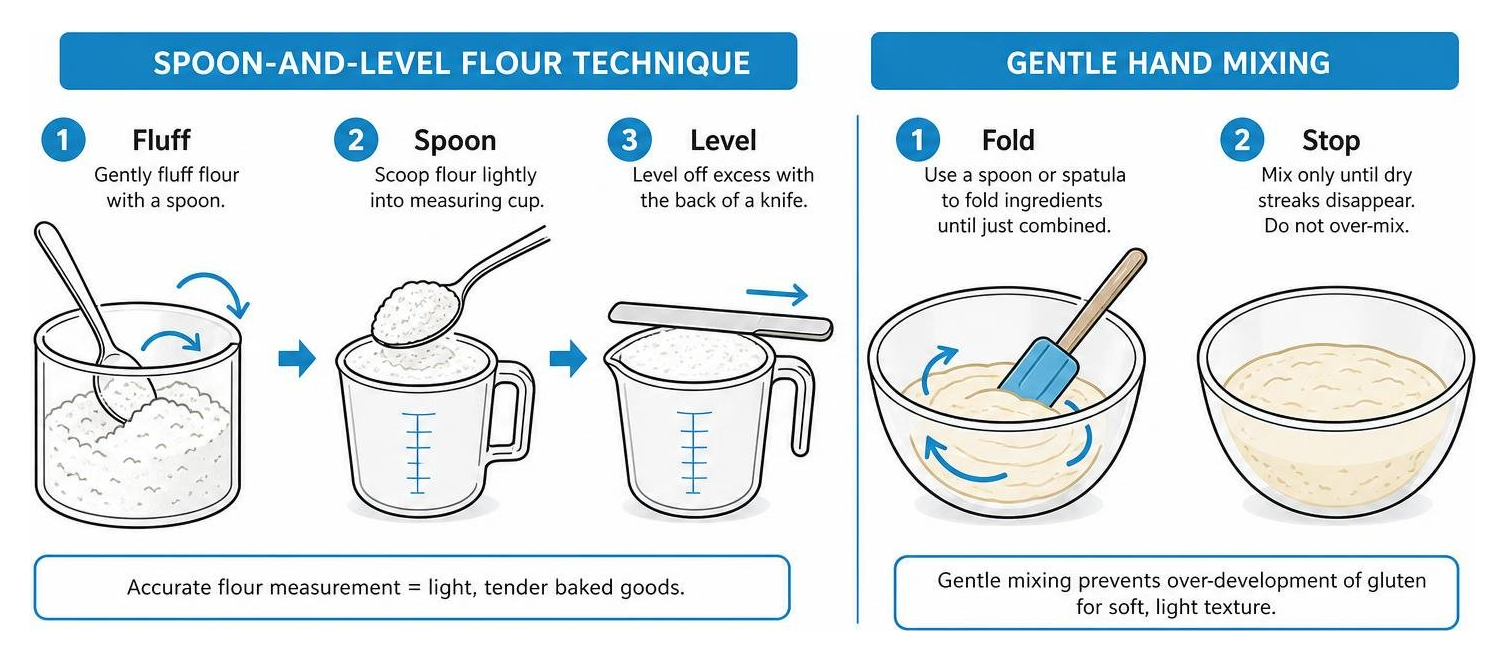
Always use the spoon-and-level method: gently fluff your flour with a spoon, scoop it loosely into your measuring cup, and level off the top with the flat edge of a butter knife. Furthermore, always mix your wet and dry ingredients gently by hand with a spoon or spatula rather than using an electric mixer. Over-mixing whole-grain batters over-develops gluten proteins, leading to tough, rubbery muffins rather than light, tender crumbs.
If you want comprehensive accountability across nutrition, exercise, and active lifestyle habits, consider Choosing a Health Coach to guide your wellness journey. Furthermore, pairing proper clean eating with low-impact functional exercise like Pilates is an exceptional way to protect your joints and build core strength. For individualized support with nutrition, movement, and sustainable routines, explore Personalized Fitness For You’s health coaching services.
Frequently Asked Questions About Cooking with Apples
What health benefits do apples provide as your body changes?
Apples offer exceptional whole-body health benefits as your body changes through different life stages. They are rich in soluble fiber (pectin), which aids in lowering LDL cholesterol and stabilizing blood sugar levels, as well as insoluble fiber, which supports healthy digestion. Furthermore, apples contain quercetin, an antioxidant that helps reduce system-wide inflammation, and catechin, which supports cognitive function and muscle health. Whole apples contain fiber, and eating them as part of a balanced meal may support a more gradual blood-sugar response than consuming fruit juice or highly refined sweets.
How can I make healthy apple recipes gluten-free and vegan?
You can easily adapt most healthy apple recipes to be gluten-free by swapping traditional wheat flours for certified gluten-free oat flour, almond flour, or a 1-to-1 gluten-free baking blend. To make recipes vegan, replace dairy butter with cold-pressed coconut oil or extra virgin olive oil, swap dairy milk for unsweetened plant-based milk (such as almond or oat milk), and replace eggs with flaxseed eggs (1 tablespoon ground flaxseed meal stirred into 3 tablespoons water).
What are the most popular healthy apple recipes for dessert?
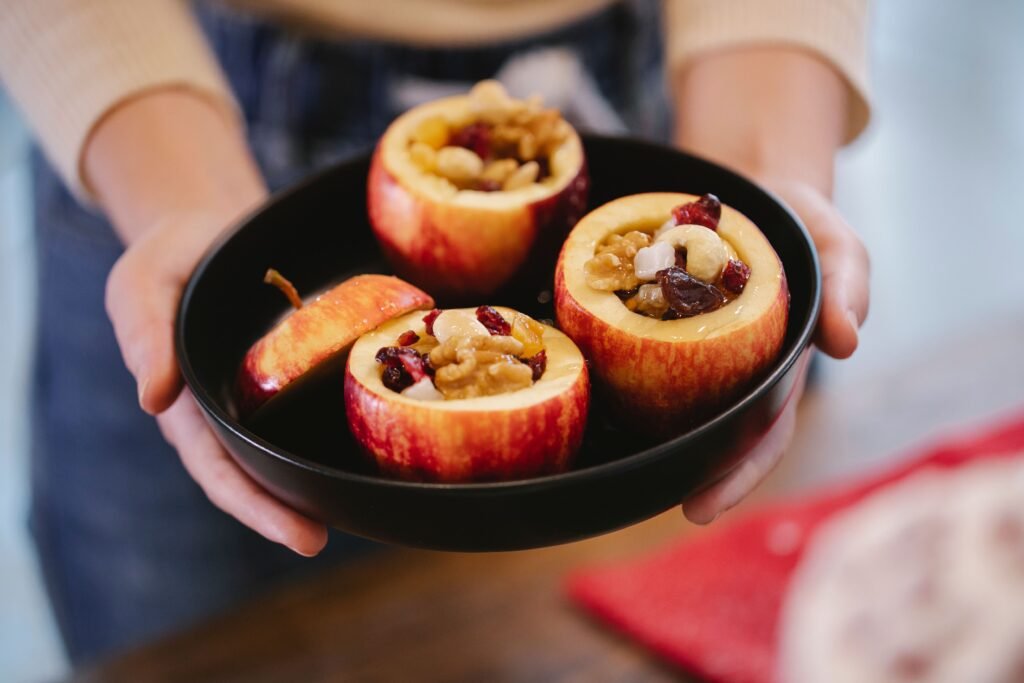
The most popular healthy apple desserts include grain-free apple crisp topped with rolled oats and walnuts, naturally sweetened baked cinnamon apple slices, flourless skyr apple cake, slow cooker applesauce made without added refined sugar, and baked apples stuffed with oats, cinnamon, and chopped nuts. These options provide warm, nostalgic autumn flavors while keeping refined sugars minimal and dietary fiber high.
Whole-Body Health and Sustainable Nutrition with Personalized Fitness For You
At Personalized Fitness For You, I believe that true wellness is never about restrictive quick fixes, extreme diets, or punishing exercise routines. As a Certified Health Coach, Orthopedic Specialist Instructor, Functional Movement Specialist, and Brain Health Trainer, I help clients build sustainable routines around nutrition, movement, and accountability.
Whether you choose to train with me in the studio in Winona Lake, Indiana, serving surrounding communities like Warsaw, Indiana, and Kosciusko County, or prefer customized virtual coaching throughout the continental United States, I meet you exactly where you are in your current season of life. As your body changes, joint-friendly strength work, functional mobility, and balanced nutrition can help support an active lifestyle.
Nourishing your body with vibrant, real food—like these delicious healthy apple recipes—is a wonderful first step toward honoring your health. When paired with individualized movement programs tailored to your specific joint considerations, posture, and wellness goals, you unlock a sustainable lifestyle that keeps you feeling strong and capable for years to come.
Ready to build sustainable eating and movement habits that fit your goals? Contact Personalized Fitness For You to discuss personalized health coaching with Joy.