

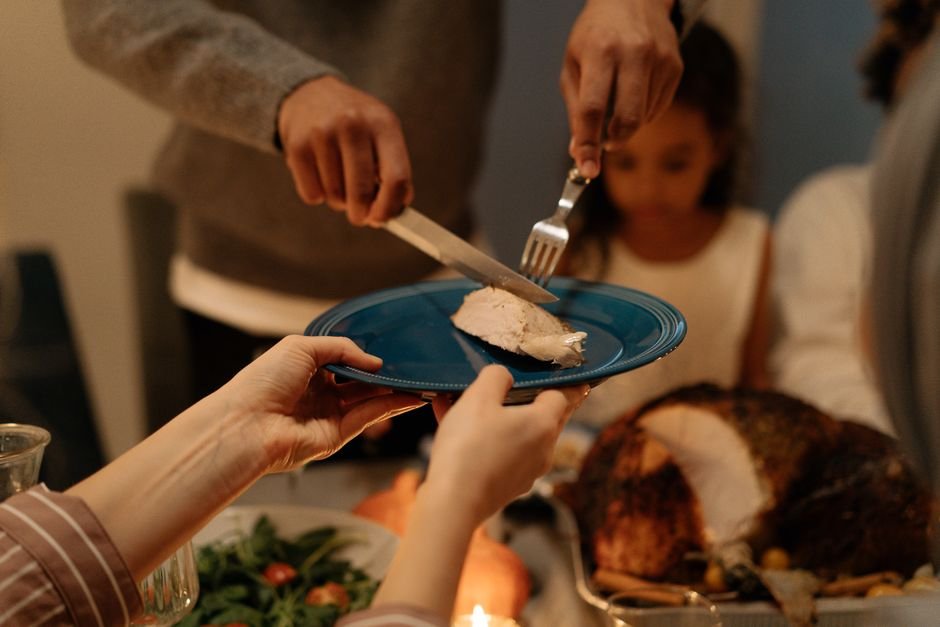
Enjoy Thanksgiving Without Food Guilt
You can enjoy Thanksgiving without food guilt by choosing moderation over restriction. Let yourself have the foods you truly enjoy, eat at a comfortable pace, and return to your usual meals afterward rather than trying to “make up for” one holiday dinner. A slice of pie, a second helping, or a meal that is fuller than usual does not erase your healthy habits.
Food guilt is the uneasy feeling that you have done something wrong by eating a certain food or amount of food. It often grows from rules that label foods as “good” or “bad,” pressure to eat perfectly, and messages that connect body size or self-worth to food choices. Thanksgiving can bring all of those pressures to the table, along with family traditions, comments about dieting, and abundant foods that may only appear once a year.
Through personalized health coaching and wellness guidance, I encourage women to take a whole-istic view of food, movement, rest, and long-term health. Your body benefits more from regular nourishment, enjoyable movement, rest, and self-kindness than from punishing restriction after a celebration. This Thanksgiving, you can notice hunger and fullness, savor what matters to you, and make room for the connection that makes the meal meaningful. Focus on a word of gratitude rather than the food itself.
I am Joy Grout, founder of Personalized Fitness For You, and I bring more than 20 years of experience in clinical and community-based wellness settings to supporting women with practical, compassionate health habits. My work around food guilt focuses on helping clients build sustainable routines that support the spirit, mind, and body without turning food or movement into punishment.
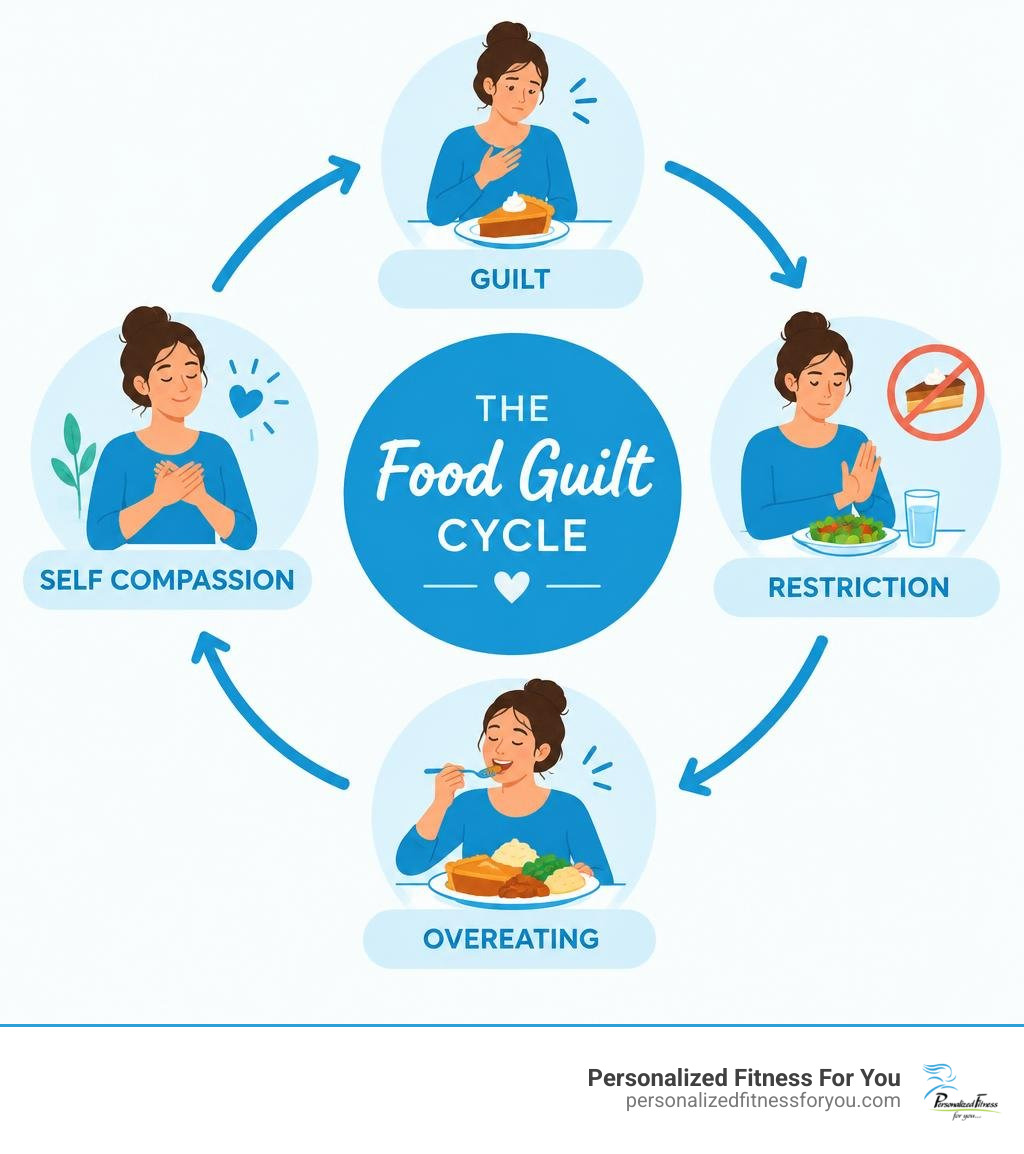
Understanding Food Guilt and the Holiday Eating Trap
Holiday gatherings often bring unspoken expectations to our dinner plates. When we sit down for Thanksgiving dinner in the Midwest or gather with family in Winona Lake, Indiana, we often bring years of internal rules with us. Food guilt occurs when we believe eating certain dishes makes us bad, undisciplined, or unworthy. Food guilt can create emotional distress because food often accompanies celebration, while internal rules may tell us that enjoying certain foods is wrong.
Food guilt often grows from the belief that a single meal can undo months of healthy habits. We tell ourselves that because we ate mashed potatoes or stuffing, our entire wellness routine is ruined. This all-or-nothing mindset causes needless anxiety and distracts us from the love and connection around the table. If you find yourself overwhelmed by food rules every holiday season, you can book a Personalized Fitness Assessment with us to build a supportive, sustainable path forward.
Root Causes of Food Guilt: Culture, Family, and Rules
Food guilt does not appear out of thin air. It is a learned behavior shaped by cultural messaging, family traditions, and internal perfectionism. From a young age, many women absorb messages from diet culture that equate thinness with health and discipline. Pervasive media messaging teaches us that enjoying food requires earning it first or burning it off later.
Family environments also shape how we view the dinner table. Growing up with comments about body shape or being told to clear our plates can create confusing rules that carry into our adult lives. When perfectionism enters the picture, any deviation from our self-imposed dietary rules feels like a personal failure. Research has found associations between food-related guilt, emotional responses, and perceived control around eating, although experiences vary from person to person. Recognizing that these beliefs were learned means you can unlearn them and choose a more balanced perspective.
Food Guilt vs. Guilt Eating: Key Distinctions
It is common to confuse food guilt with guilt eating, but they represent two different parts of the emotional eating spectrum. Food guilt is the emotional distress and regret that happens after you eat something you believe was off-limits. Guilt eating is the behavioral act of eating because you feel guilty, stressed, or inadequate about something in your life.
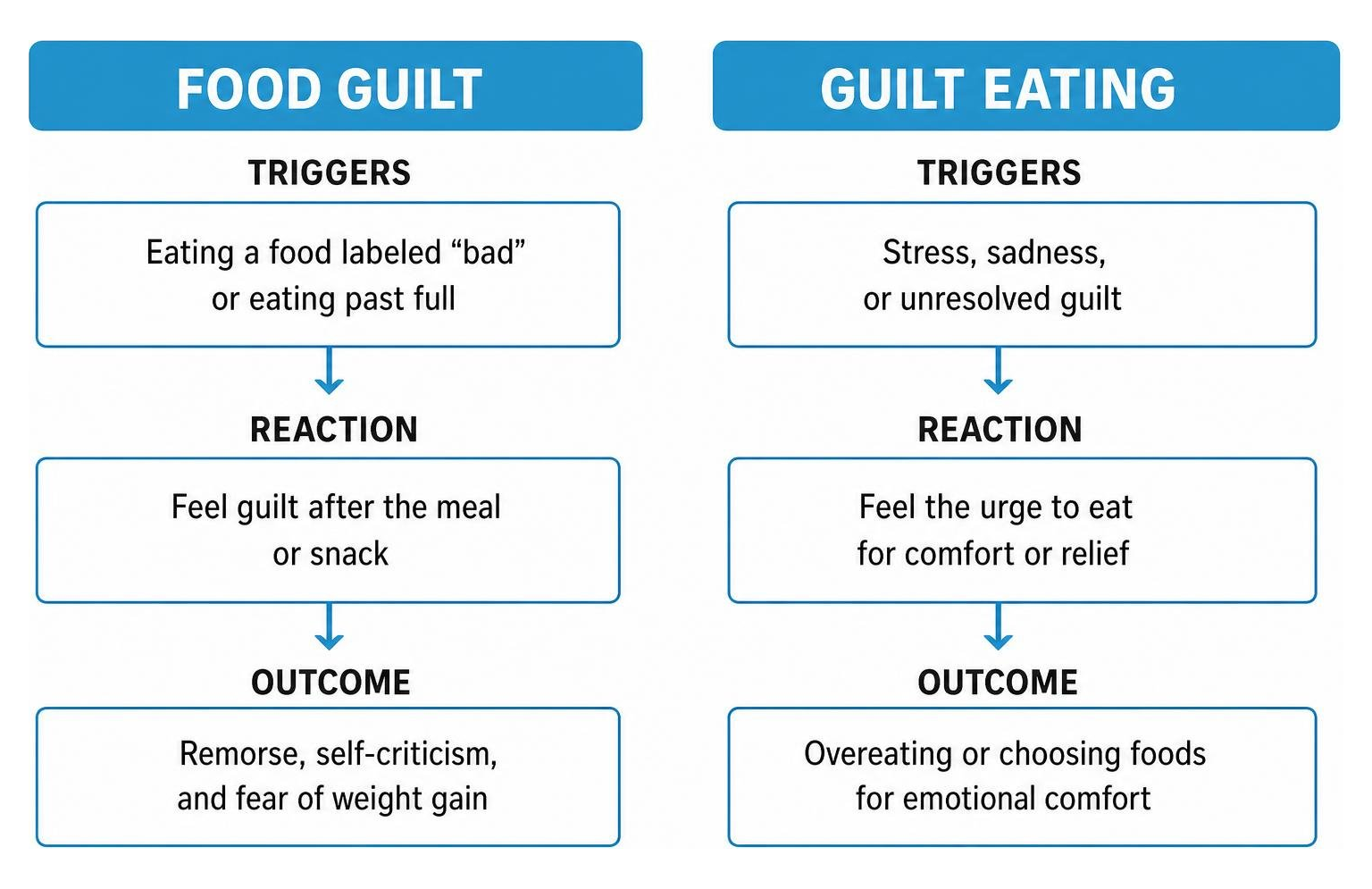
| Aspect | Food Guilt | Guilt Eating |
|---|---|---|
| Primary Trigger | Eating a food categorized as “bad” or eating past full | Experiencing stress, sadness, or unresolved guilt |
| Timing of Emotion | Occurs after the meal or snack | Occurs before eating and drives the desire to consume food |
| Core Sensation | Remorse, self-criticism, and fear of weight gain | Craving emotional comfort, distraction, or numbing |
| Common Response | Strict dietary restriction or punishing exercise | Eating past fullness to soothe distressing feelings |
Understanding this distinction allows us to address the true root of our behaviors. When you notice whether you are feeling remorse after eating or seeking comfort to numb difficult emotions, you can respond with clarity instead of self-judgment.
The Physical and Emotional Toll of Post-Meal Regret
Persistent stress and self-criticism surrounding food can affect emotional well-being and may contribute to broader stress-related symptoms. Repeated anxiety and self-criticism around eating can contribute to ongoing stress rather than helping you build sustainable habits. Major health organizations, including the Mayo Clinic and the National Institutes of Health, emphasize that sustained psychological stress negatively influences blood pressure, sleep quality, and long-term vitality.
When your body stays in a stressed state, you may experience elevated tension that worsens joint discomfort and drains your daily energy. Learning mindfulness to manage stress helps calm your central nervous system, keeping your spirit, mind, and body centered through the busiest seasons of life. Reach out to a friend, pray, meditate, listen to music- finding ways to manage stress is important.
The Restrictive Mindset and the Binge Cycle
When food guilt sets in after a meal, you may feel tempted to restrict food the next day. We skip breakfast or eliminate carbohydrates entirely to balance out the feast. Strict restriction can intensify hunger, preoccupation with food, and the urge to overeat for some people.
Restricting food after an indulgent meal can disrupt normal hunger patterns and reinforce an unhealthy restrict-and-overeat cycle. This restrictive mindset increases cravings and leads to an inevitable appetite rebound. For some people, restriction can increase hunger and make overeating more likely later. Practicing foundational clean eating 101 means choosing whole foods that nourish you while allowing room for your favorite dishes, keeping your blood sugar stable, and helping you move away from a restrict-and-overeat pattern.
Hormonal Reactions: Cortisol, Ghrelin, and Digestion

Food guilt can add stress to the eating experience, making it harder to eat with awareness and respond calmly to hunger and fullness cues. When we feel anxious about our plate, our adrenal glands release cortisol. Stress can affect digestion and may contribute to symptoms such as stomach discomfort or bloating.
Our thoughts and emotions can also influence how we experience hunger, satisfaction, and eating. Fascinating research on food guilt and appetite regulation highlights that how we view a meal alters ghrelin, the hunger hormone. Eating with guilt or distraction can make it harder to focus on the sensory experience of the meal and recognize hunger and fullness cues. When digestion slows down due to holiday stress, taking a few slow, deep breaths before eating helps restore your body to a restful state where it can digest comfortably.
Navigating the Thanksgiving Feast with Moderation Over Restriction
Instead of letting food guilt turn Thanksgiving into an all-or-nothing decision, approach the meal with flexibility and moderation. Thanksgiving is a single day of celebration, not a disruption to your entire wellness routine. Moderation means enjoying meaningful foods while honoring how your body feels.
Building a balanced plate can help you maintain energy without feeling deprived. A balanced Thanksgiving plate might include foods that provide protein and fiber alongside the holiday dishes you genuinely enjoy. Pair it with colorful vegetables rich in fiber, and add moderate portions of your favorite holiday casseroles and desserts. Learning how to maintain a healthy sugar balance helps you savor sweet holiday treats without dealing with sharp energy crashes later in the day.
Mindful Eating and Neutralizing Food Labels
One practical step toward reducing food guilt is to stop assigning moral labels such as ‘good’ and ‘bad’ to individual foods. Food provides fuel, micronutrients, cultural connection, and pleasure. A slice of pumpkin pie carries carbohydrates and fats, not moral failure.
When you sit down to eat, slow down and engage all of your senses. Notice the warm aroma of cinnamon, appreciate the vibrant colors on the table, and chew slowly to savor the textures and spices. This guide on enjoying food without guilt explains how taking time to appreciate your food cultivates satisfaction, allowing you to stop naturally when you feel pleasantly full.
Practical Ways to Overcome Food Guilt in Social Settings
Family gatherings can sometimes bring unwelcome commentary about portion sizes, dieting, or weight. Navigating these conversations requires clear, kind personal boundaries. You do not owe anyone an explanation for what you choose to put on your plate.
If a family member comments on your meal, you can redirect the conversation with grace:
- “Everything looks wonderful today, and I am really enjoying this holiday meal.”
- “I am focusing on enjoying our time together as a family rather than discussing diets.”
- “My body feels great with this balance, thank you for checking in.”
Reframing holiday conversations around family memories, gratitude, and shared stories keeps the atmosphere uplifting. Practicing comprehensive stress management will help you protect your peace of mind and handle sensitive family dynamics calmly.
Rebuilding Your Relationship with Food Through Self-Compassion

True healing from food guilt begins with self-compassion. If you eat past the point of comfortable fullness on Thanksgiving, treat yourself with the exact same kindness you would offer your closest friend. Self-criticism does not motivate healthy habits; it only produces shame and exhaustion.
Approach your habits with curiosity instead of judgment. Rather than saying, “I have no self-control,” gently ask yourself, “Was I overly hungry before dinner, or was I seeking comfort because the room felt overwhelming?” This mindset allows you to learn from your experiences and support your everyday wellness with confidence.
Shifting from Punishment to Joyful Movement
Food guilt should not turn movement into punishment for what you ate. When we exercise solely to burn off holiday calories, we turn physical activity into a chore. Regular physical activity supports overall health, mobility, and well-being; it does not need to be used to compensate for a holiday meal.
Instead of grueling compensatory workouts, choose movement that brings you joy and refreshes your body:
- Enjoy an easy walk through the neighborhood with your loved ones to assist digestion.
- Engage in gentle Pilates or general flexibility work to release muscle stiffness and ease joint pain.
- Participate in restorative strength sessions that build functional strength and protect joint health.
Moving with gratitude celebrates what your body can do in every season of life. When you work with us to build customized wellness routines, we design safe, enjoyable fitness programs that build strength without punishing your joints.
Knowing When to Seek Professional Guidance
Eating more than usual on occasion can happen, especially during celebrations. Recognizing these warning signs is an important step toward reclaiming your health.
If food guilt involves severe restriction, purging, binge eating, intense anxiety, or compulsive exercise, speak with a qualified healthcare or mental health professional. Health coaching can complement appropriate care by supporting sustainable day-to-day wellness habits when it falls within the coach’s scope of practice. Exploring our guide on choosing a health coach can help you find a qualified mentor who respects your unique needs and supports your physical and emotional well-being.
Frequently Asked Questions About Food and Holiday Stress
Is feeling guilty after eating a sign of an eating disorder?
Feeling guilty after eating is very common in our culture, but it is not an eating disorder on its own. However, persistent guilt can be an early indicator of disordered eating patterns. If that guilt leads to extreme food restriction, intense anxiety around social gatherings, or compulsive exercise to burn calories, it is important to speak with a healthcare professional or clinical counselor for an evaluation.
How can I stop obsessing over calories during holiday celebrations?
To reduce calorie obsession, shift your attention away from numbers and toward the social and sensory experience of the holiday. Focus on catching up with relatives, listening to stories, and tasting the unique flavors of seasonal dishes. Keeping your plate balanced with quality protein and fiber will help stabilize your blood sugar, keeping your energy steady so you can stay fully engaged in the celebration.
What is the quickest way to reset after eating past fullness?
After eating past comfortable fullness, offer yourself grace and return to your usual routine rather than trying to compensate. Stay hydrated, choose gentle movement if it feels good, and wait for natural hunger before your next regular meal. Eat your next regular, balanced meal when you feel natural hunger return, without skipping meals or attempting extreme cleanses.
Conclusion
Overcoming food guilt is a journey of extending grace to yourself and embracing moderation over restriction. Thanksgiving is meant to be a time of gratitude, connection, and joy. Savoring your favorite holiday dishes does not derail your hard work; it simply reflects a balanced, full life. With supportive health coaching, you can work toward sustainable wellness habits that make room for nourishment, movement, enjoyment, and real life.
Food guilt does not have to define your relationship with eating, movement, or wellness. At Personalized Fitness For You, our personalized health coaching approach helps you build sustainable habits that support your spirit, mind, and body without relying on guilt or punishment. If you are ready for practical guidance designed around your goals and lifestyle, contact Personalized Fitness For You today to get started.