


Stress management: Ultimate 4 A’s for Calm
Why Stress Management Matters for Your Whole-istic Wellness
Stress management is the practice of using various techniques and strategies to control your stress levels, improve how you react to challenging situations, and build resilience for long-term well-being. A comprehensive approach involves identifying your unique stressors, moving your body regularly, nourishing yourself with balanced meals, and connecting with others for support. When you effectively manage stress, you protect your emotional equilibrium, physical health, and brain function while maintaining the ability to think clearly, function effectively, and enjoy your life.
Every woman understands that stress is an unavoidable part of modern life. The demands on your time and energy are real—work pressures, family responsibilities, financial concerns, and the physical changes your body experiences as you age. When stress becomes chronic, it wreaks havoc on your well-being. Your body’s natural alarm system, designed to protect you from immediate danger through the fight-or-flight response, was never meant to remain constantly activated. Yet for many women in the Winona Lake and Warsaw area, this is exactly what happens.
The consequences of unmanaged stress extend far beyond feeling overwhelmed. Chronic stress narrows your ability to think clearly and make decisions. It disrupts your sleep, triggers physical symptoms like headaches and digestive problems, and can worsen existing health conditions. Research from institutions like the National Institutes of Health (NIH) shows that prolonged exposure to stress hormones like cortisol can increase your risk of heart disease, depression, obesity, and memory impairment. For women focused on active aging, stress also interferes with bone health, brain health, and your body’s ability to recover from exercise.
The encouraging truth is that you have far more control over stress than you might think. Stress management is not about eliminating all stressors from your life—that would be impossible. Instead, it’s about taking charge of your thoughts, emotions, environment, and the way you respond to challenges. It’s about building a whole-istic approach that honors the connection between your spirit, mind, and body.
As the owner and certified trainer of Personalized Fitness For You, I’ve had the opportunity to assist women in developing wellness programs that address the complete picture of health specific to their needs, including effective stress management tools that can be applied to different circumstances. Finding ways that help you whole-istically manage your health is important. Finding a balance that works for you is key. Every day and every week can be different, but each of us is capable of change and balance. Seeing health as a progression not perfection, is the first step towards improved wellness. I offer Health coaching, and I am ready when you are!
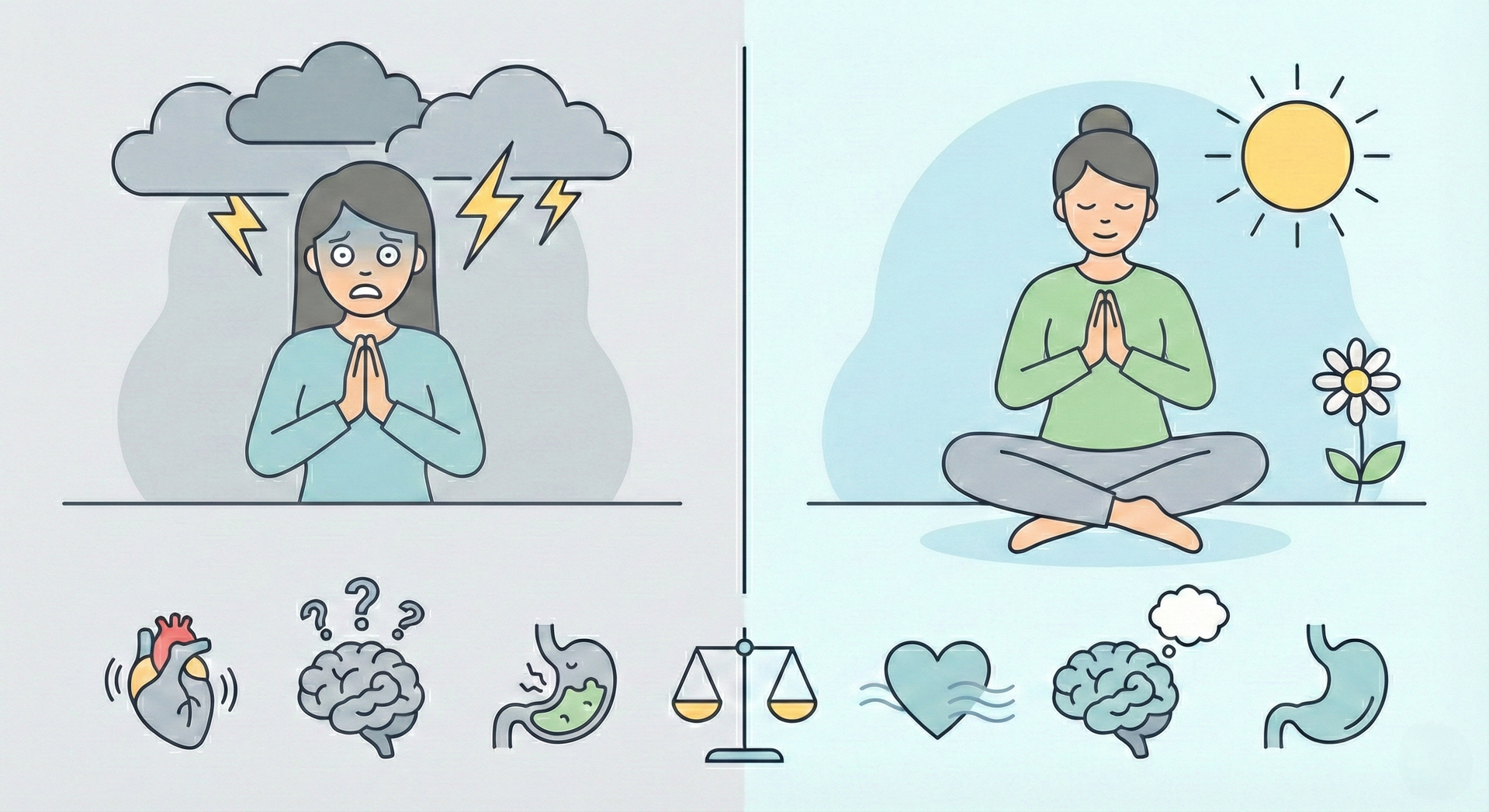
Understanding Stress and Its Impact on Your Well-being
Stress is your body’s physical and emotional response to new or challenging situations, acting as an automatic reaction to demands and competing priorities. While some stress can be a healthy motivator, prolonged or excessive stress can significantly impair your ability to function effectively and enjoy life.
Not all stress is detrimental; in fact, a certain level of stress can be beneficial, pushing us to achieve goals and perform our best. This is often referred to as eustress, or “good” stress. For example, the excitement of starting a new project or the focused energy before a presentation can be motivating. However, when the demands placed upon us exceed our resources to cope, stress transforms into distress, which is the “bad” stress that harms our well-being.
The impact of distress on everyday life is profound, affecting emotional equilibrium, physical health, and brain function. It can manifest as feelings of fear, anger, sadness, worry, or frustration. Physically, it can cause headaches, body pains, stomach problems, or skin rashes. Chronic stress can lead to serious health problems and worsen existing mental health conditions, sometimes leading to increased use of alcohol or other substances as unhealthy coping mechanisms.
We can understand the impact of stress through what we call the stress continuum, which describes how different levels of stress affect performance.
- Green Zone (Productive Stress): This is where low to moderate stress can be motivating and even improve performance. Think of it as the healthy tension that helps you meet a deadline or learn a new skill.
- Peak Performance: This is a temporary state of optimal functioning, but it’s not sustainable. Maintaining this level requires significant energy and must be followed by restorative breaks.
- Yellow Zone (Diminishing Returns): If stress continues without adequate breaks, fatigue and overwhelm set in. Performance begins to decline, and you might find it harder to concentrate or make good decisions.
- Orange/Red Zone (Anxiety, Burnout): This signifies excessive and prolonged stress, leading to anxiety, exhaustion, and burnout. In this zone, your body’s fight-or-flight response is constantly activated, making clear thinking and effective functioning nearly impossible.
Common causes of distress often stem from the actual or perceived loss of important mental health elements like connection, status, health, meaning, control, or identity. Individual resources and responses vary widely based on personality, mindset, and life experiences. For women navigating midlife in the Winona Lake and Warsaw area, these stressors might include career changes, family caregiving responsibilities, hormonal shifts, or concerns about future health. Identifying your personal triggers is the first crucial step toward effective stress management.
Understanding these dynamics is vital for building resilience and maintaining your well-being. If you’re ready to explore how a personalized approach can help you manage stress and improve your overall health, we invite you to take the next step. Ready to find a fitness plan that works with your unique needs? Book your complimentary Personalized Fitness Assessment today.
Proactive Stress Management: The 4 A’s Framework
Effectively navigating stress involves a proactive approach, and a powerful framework for this is the “4 A’s”: Avoid, Alter, Adapt, and Accept. This framework empowers you to take charge of your thoughts, emotions, environment, and how you deal with problems, rather than letting stress control you. Often, when feeling overwhelmed, we might fall into unhealthy coping mechanisms like increased alcohol use, sugar crashes from excessive consumption, or social withdrawal. These provide only temporary relief and can create new problems, making it even harder to manage stress in the long run. By consciously applying the 4 A’s, we replace these detrimental habits with constructive, healthy alternatives.
| Technique | Goal | Action Example |
|---|---|---|
| Avoid | Eliminate unnecessary burdens. | Learn to say “no” to over-commitments. |
| Alter | Change the situation. | Communicate your needs assertively. |
| Adapt | Change your perspective. | Practice positive reframing and gratitude. |
| Accept | Manage the unchangeable. | Focus on your response and practice forgiveness. |

Avoid Unnecessary Stress
The first step in proactive stress management is to identify and eliminate stressors that aren’t serving your well-being. This doesn’t mean avoiding all challenges, but rather learning to differentiate between necessary responsibilities and avoidable burdens. Learning to say ‘no’ is a powerful tool to prevent over-commitment. You can also set clear boundaries in relationships and manage your environment by minimizing exposure to stressful people or situations, such as limiting news consumption or choosing a different route to avoid heavy traffic. Paring down your to-do list by distinguishing between what “should” be done and what “must” be done can also significantly reduce feelings of overwhelm.
Alter the Situation
If a stressful situation cannot be avoided, consider how you can alter it. This involves changing the circumstances that are causing you stress. Expressing your feelings openly and respectfully, rather than bottling them up, can lead to constructive solutions. Assertive communication allows you to advocate for your needs without being aggressive. Sometimes, finding a compromise with others can resolve conflicts and reduce tension. Effective time management, including prioritizing tasks, breaking large projects into smaller steps, and delegating responsibilities, can also help you regain a sense of control over your schedule and reduce pressure.
Adapt to the Stressor
When you can’t change the situation itself, you can change your reaction to it. Adapting involves adjusting your perspective and mindset. Positive reframing allows you to view challenges from a more optimistic angle, perhaps seeing an obstacle as an opportunity for growth. Practicing gratitude daily can shift your focus to the positive aspects of your life, improving your physical and emotional well-being. Adjusting your standards and letting go of perfectionism can free you from immense self-imposed pressure. “Good enough” is often truly enough.
Accept the Things You Can’t Change
Some stressors are simply unavoidable and unchangeable. In these instances, the most empowering approach is acceptance. This means focusing your energy on what you can control—your attitude and response—rather than dwelling on what you cannot. Look for the upside or opportunities for personal growth within challenging situations. Learning to forgive, both yourself and others, and letting go of anger and resentments can release a significant emotional burden. Sharing your feelings with a trusted friend or therapist, even when there’s nothing to be done, can be incredibly cathartic and provide validation.
Building Resilience: Whole-istic Lifestyle Strategies
Building resilience against stress starts with daily habits that support your spirit, mind, and body. In practical terms, this means choosing self-care that feels kind and sustainable, not harsh or punishing. Self-care is not just an occasional spa day; it is the way you move, eat, rest, and connect every day so that your nervous system, hormones, and brain have what they need to stay steady. This foundation of healthy lifestyle choices and strong social connections forms the bedrock of effective stress management.
Resilience is especially important during midlife and active aging, when you may notice more joint aches, shifting hormones, and a body that does not bounce back as quickly from poor sleep or skipped meals. When you live in the Winona Lake and Warsaw area and juggle work, caregiving, and community roles, it can feel almost impossible to prioritize yourself. At Personalized Fitness For You, we help you create routines that fit real life rather than expecting you to fit into a rigid program. Our approach emphasizes a whole-istic perspective, recognizing that true wellness is interconnected and that your brain health, emotional balance, and physical strength rise together.
Organizations such as the National Institutes of Health (NIH) and Mayo Clinic highlight how lifestyle factors like physical activity, nutrition, and sleep directly influence stress hormones and brain function. We build on this evidence and translate it into simple, personalized steps you can actually follow.

The Role of Physical Activity in Effective Stress Management
Regular physical activity is one of the most reliable ways to lower stress and protect brain health. Exercise encourages your body to release endorphins, which are natural chemicals that improve mood and create a sense of calm. This change in your chemistry can reduce emotional intensity and clear your thoughts so you can navigate problems with more confidence and less reactivity.
Rhythmic exercises, such as walking, swimming, or cycling, are especially helpful because they combine gentle repetition with focused breathing. This combination can quiet a busy mind and support the parts of your brain that handle attention and memory. Research discussed by organizations such as the American Psychological Association and NIH shows that consistent movement improves brain health and memory, both of which can be harmed by chronic stress.
For women focused on active aging, regular physical activity also helps maintain bone density, supports hormonal balance, and improves everyday function so that daily tasks feel easier and safer. At Personalized Fitness For You, we design personalized fitness programs that match your unique history, including joint pain, previous injuries, or post-surgery needs, while always keeping stress reduction and brain health in view. Whether you prefer In-person training in the Winona Lake and Warsaw area or the flexibility of Virtual training, we can create a plan that helps you use movement as a key to calmer days and clearer thinking.
Nourish Your Body to Calm Your Mind
What you eat can either calm or amplify your stress response. A steady pattern of balanced meals gives your brain and nervous system the nutrients they need to function well, which makes it easier to stay grounded when life feels intense. A healthy diet that is rich in fruits, vegetables, lean protein, whole grains, and low-fat dairy provides the sustained energy your body needs to manage daily demands.
Clean eating and an awareness of the glycemic index help you limit large blood sugar swings that can leave you tired, irritable, or anxious. A meal or snack that combines protein with high-fiber carbohydrates can keep your energy more stable and reduce the jittery feeling that sometimes comes from too much caffeine or sugar. This stability is especially important as your body changes, because hormone shifts can already create natural ups and downs in mood and energy.
We advocate for principles of clean eating and awareness of the glycemic index so you can choose foods that support a calmer nervous system. Emphasizing adequate protein intake is particularly important for active aging women, because protein helps maintain muscle and bone health, which supports confident movement and reduces stress about falls or injuries. By focusing on nutrient-dense foods and limiting highly processed items, you provide your body with fuel that supports emotional equilibrium and resilience against stress. Understanding the effects of sugar on your body is a key step in this process.
The Power of Rest and Relaxation
Consistent rest and daily relaxation practices give your brain and body the recovery time they need to handle stress well. Adults generally benefit from 7 or more hours of quality sleep per night, because deep, consistent sleep helps regulate mood, sharpen attention, and lower stress hormones. When sleep is short or fragmented, even small stressors can feel overwhelming.
Prioritizing a gentle evening routine, dimming screens, and keeping a regular bedtime can make a noticeable difference in how calm and focused you feel the next day. At Personalized Fitness For You, we encourage clients to think of sleep as a cornerstone of their fitness plan rather than an optional bonus. Tools such as consistent wake times, relaxing music, or light stretching before bed can support this habit.
Beyond sleep, brief relaxation techniques during the day can help reset your nervous system. Simple practices like deep breathing or general flexibility work can lower your heart rate and calm your body between tasks. Spending time outdoors in green spaces, whether you are gently active or simply sitting, also supports stress relief. Research describes how even short visits to natural environments can improve mood, support memory, and reduce overall stress.
Connect with Others for Support
Strong social connections are a natural buffer against stress and a powerful support for brain health. When you spend time with people who understand and encourage you, your body often releases hormones that ease the fight-or-flight response and create a sense of safety. This effect can help you think more clearly, sleep better, and feel less alone when life feels heavy.
Building a support network might mean connecting with a friend for regular walks, joining a small group training session, or participating in a community or faith-based group. Talking through your concerns with trusted people can reduce the burden you carry internally and open up new solutions you may not have considered. This sense of community is a core part of our philosophy at Personalized Fitness For You.
For many women, having a consistent workout partner offers both accountability and emotional support, which in turn supports motivation, consistency, and joy. By combining movement, meaningful relationships, and thoughtful recovery, you create a whole-istic lifestyle that strengthens your resilience to stress day by day.
Quick Tips for Managing Stress in the Moment
When stress hits suddenly, having immediate, actionable strategies can make all the difference. These techniques help you regain composure and prevent the stress response from spiraling.
- Sensory Engagement: Engage your senses to ground yourself in the present moment. Look at a favorite photo, listen to calming music, focus on the texture of an object in your hand, or even enjoy a piece of gum. Experiment to find unique sensory experiences that work best for quick relief.
- Mindful Movement: Even a small, intentional movement can shift your focus. Take a short, slow walk, gently stretch your neck and shoulders, or simply shift your posture. These micro-breaks can interrupt the stress cycle.
- Positive Self-Talk: Challenge negative thoughts by consciously reframing them. Instead of “I can’t do this,” try “I will do my best.” This internal dialogue can significantly impact your emotional state.
- Deep Breathing: A few slow, deep breaths can rapidly activate your body’s relaxation response. Inhale deeply through your nose, hold for a few seconds, and exhale slowly through your mouth. This simple act can lower your heart rate and calm your nervous system.
These types of effective, 5-minute stress busters can provide rapid relief when you need it most.
Frequently Asked Questions about Stress Management
What is the difference between good stress and bad stress?
Good stress, known as eustress, is a positive and motivating force that can improve performance and focus. It’s the excitement before a new challenge or the energy that helps you meet a deadline. Bad stress, or distress, occurs when the demands placed upon you exceed your ability to cope, leading to feelings of overwhelm, anxiety, and a depletion of your physical and mental resources. While eustress can push you toward peak performance, distress can lead to diminishing returns and, if prolonged, to burnout.
How does exercise help reduce stress?
Exercise is a powerful tool for reducing stress due to several physiological and psychological benefits. Physical activity releases endorphins, which are natural mood elevators that can create a sense of well-being and act as a valuable distraction from daily worries. Regular exercise also helps to regulate stress hormones like cortisol, reducing their detrimental effects on the body. Furthermore, consistent movement improves sleep quality and provides protective and therapeutic effects against stress-induced memory impairment. It’s a key component in a unifying theory that links physical activity to improved emotional well-being and reduced sensitivity to stress. Our approach at Personalized Fitness For You helps you harness these benefits.
What is the fastest way to relieve stress?
The fastest way to relieve stress in the moment is to engage your senses and activate your body’s relaxation response through deep breathing or soothing movements. Taking a few slow, deep breaths can immediately calm your nervous system. Additionally, focusing on sensory input, such as looking at a pleasing object, listening to a favorite piece of music, experiencing a specific scent, or even feeling the texture of something in your hand, can quickly ground you and shift your attention away from the stressor. These immediate strategies, often referred to as 5-minute stress busters, can provide rapid relief.
Conclusion
Taking control of your stress management is one of the most empowering steps you can take for your overall well-being. It’s about recognizing that while life will always present challenges, you possess the capacity to choose how you respond. At Personalized Fitness For You, we champion a whole-istic approach, understanding that true health encompasses your spirit, mind, and body. We are dedicated to providing you with the expert guidance and personalized strategies you need to navigate life’s demands with greater resilience and joy.
We believe in encouraging women to live their fullest lives, fostering longevity, functional health, and a profound sense of well-being. By integrating smart physical activity, mindful nutrition, restorative sleep, and supportive connections into your daily routine, you can transform your relationship with stress and open up a more vibrant future. Find out how our specialized training and wellness coaching can support your journey toward everyday wellness and help you thrive. Finding ways to connect and balance your spirit, mind, and body.
Ready to start on a path to better stress management and a more balanced life? We invite you to connect with us. Schedule a consultation with Joy today by visiting our Contact Us page and create a personalized plan that honors your unique needs and empowers your spirit, mind, and body.
Isaiah 26:3


