


Why the Benefits of Exercise for the Heart Matter More Than You Think
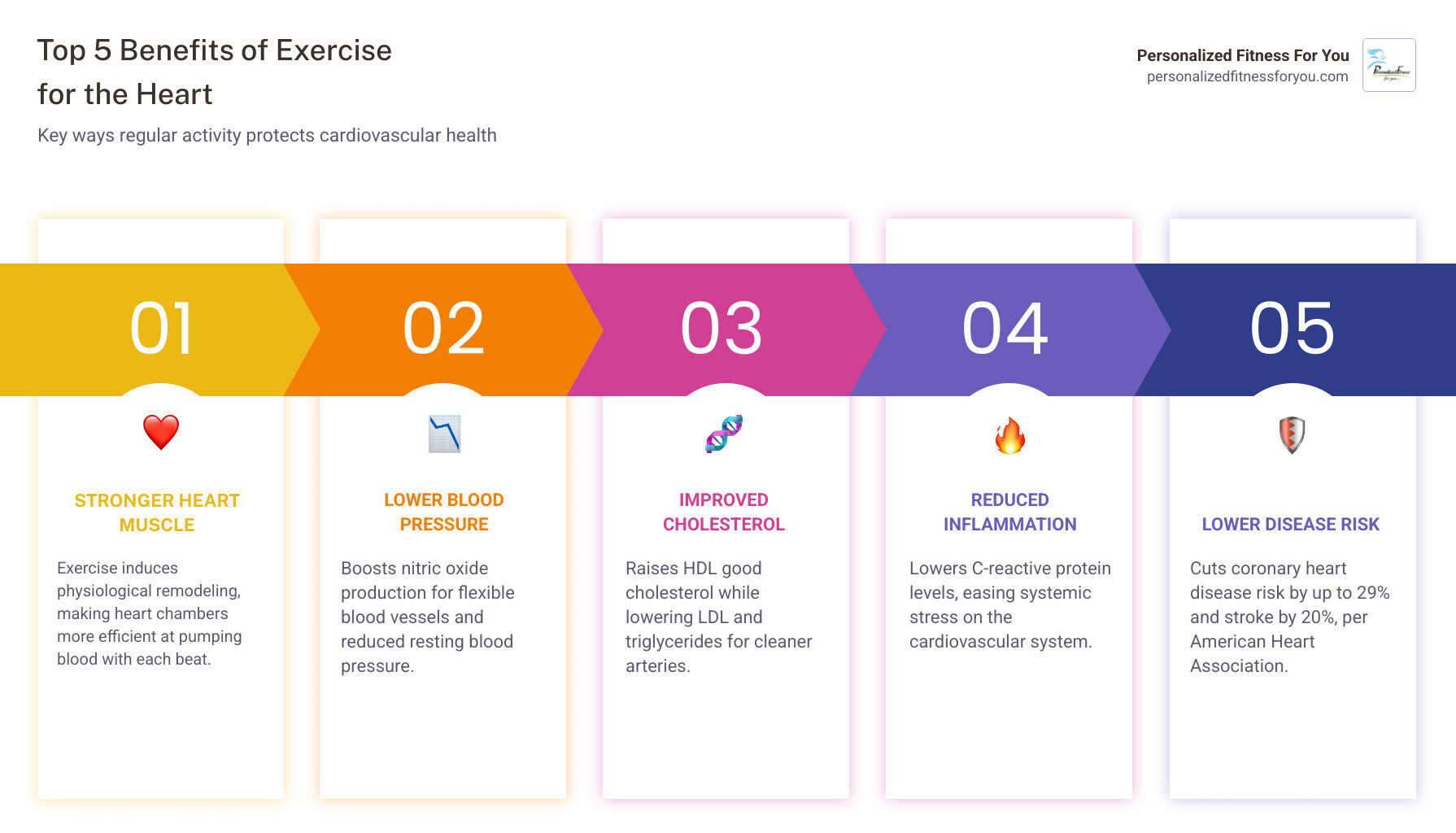
The benefits of exercise for the heart are well established, and consistent movement can improve cardiovascular health for women at every stage of life. According to the American Heart Association, regular physical activity can reduce the risk of coronary heart disease by up to 29% in women, lower the risk of stroke by 20%, and meaningfully reduce the chances of developing conditions like heart failure and atrial fibrillation. Here is a quick look at the core benefits:
- Stronger heart muscle that pumps blood more efficiently throughout your body
- Lower blood pressure through improved blood vessel flexibility and nitric oxide production
- Improved cholesterol levels, including higher HDL (“good”) cholesterol and lower LDL and triglycerides
- Better blood sugar control and improved insulin sensitivity, reducing the risk of type 2 diabetes
- Reduced inflammation, as measured by lower C-reactive protein (CRP) levels
- Lower risk of coronary heart disease, stroke, heart failure, and atrial fibrillation
- Improved mood, sleep quality, and cognitive function through endorphin release and brain-supporting compounds
- Healthier body composition, including reduced visceral fat that directly stresses the cardiovascular system
- Reduced all-cause mortality, with research showing that meeting activity guidelines can lower the risk of dying early by roughly 22%
- Better overall quality of life, with more energy for the activities and people you love
The evidence is clear: movement is one of the most powerful tools available for protecting your heart at every stage of life. Yet fewer than one in five adults and teens currently get enough exercise to maintain good health, according to the Physical Activity Guidelines for Americans. That gap between what we know and what we do is exactly what this guide is designed to close.
For women navigating midlife in the Winona Lake and Warsaw area, understanding how regular movement supports long-term cardiovascular health is especially important. As your body changes, the benefits of exercise for the heart become even more important, especially when your routine is personalized to your current needs.
Hi! As the owner of Personalized Fitness For You. With more than 20 years of experience helping women in clinical and community settings, I’ve seen how the benefits of exercise for the heart translate into more strength, stamina, and confidence in daily life. In the sections ahead, I’ll walk you through exactly how exercise strengthens your cardiovascular system, which activities deliver the greatest results, and how to build a sample routine that may help guide you with your heart health.
Understanding the Core Benefits of Exercise for the Heart
Regular physical activity strengthens the heart muscle and improves its ability to pump blood throughout your body, which is essential as you navigate midlife. When you engage in consistent movement, your heart undergoes a positive transformation often called “physiological remodeling.” Unlike the dangerous thickening caused by high blood pressure, this exercise-induced change makes the heart’s chambers more efficient, allowing it to move more blood with every single beat.
One of the most practical benefits of exercise for the heart is better stamina for everyday life and long-term wellness. Whether you are walking along the trails or participating in a local fitness group, these activities reduce the workload on your heart even when you are at rest. Research from the Mayo Clinic highlights that active individuals have a significantly lower risk of coronary heart disease and stroke. Specifically, the Physical Activity Guidelines for Americans suggest that adults need at least 150 minutes of moderate-intensity activity weekly to capture these life-saving rewards. Check out your local area for walking paths and trails. In the Winona Lake, Indiana area, there are a variety of options for getting outside on a greenway to walk, run, or bike.
Ready to discover a fitness plan that works with your unique needs? Book your complimentary Personalized Fitness Assessment today.
Maximizing the Benefits of Exercise for the Heart Through Consistency
To see the greatest improvements in your aerobic capacity and workout efficiency, consistency is more important than intensity. When you move regularly, your body becomes better at extracting oxygen from your blood. This means your heart doesn’t have to work as hard during daily chores like grocery shopping or gardening. Over time, you may notice a lower resting heart rate, which is a hallmark sign of a strong, healthy cardiovascular system.
If you are looking for inspiration on how to get started, we have compiled a list of 8 exercises for heart health that focus on sustainable, functional movements. By spreading your activity throughout the week, you ensure that your heart receives a steady “tune-up,” keeping your blood vessels supple and your energy levels high.
Why the Benefits of Exercise for the Heart Extend to Brain Health
At Personalized Fitness For You, we take a spirit, mind, and body approach, and the connection between movement, stress, and heart health is a strong example of that. When you exercise, your body releases endorphins—those wonderful “feel-good” chemicals that naturally reduce stress and anxiety. High stress levels are known to strain the heart, so by managing your mental well-being through movement, you are directly protecting your cardiovascular health.
Furthermore, physical activity stimulates the production of compounds that support cognitive function and brain health. For our clients who prefer the convenience of home or live outside of the studio area, we offer virtual training services that focus on these whole-istic benefits. Regular movement keeps the blood flowing to the brain, helping to prevent cognitive decline and keeping your mind as sharp as your heart is strong.
How Movement Improves Cardiovascular Function and Blood Flow
Exercise triggers the production of nitric oxide, which helps relax and widen your blood vessels to improve circulation and lower blood pressure. This process, known as vasodilation, is a key to keeping your arteries flexible and preventing the stiffness that often comes with aging. This whole-istic approach to fitness ensures that every organ receives the oxygen-rich blood it needs to function optimally.

Beyond widening existing vessels, regular exercise encourages the growth of new capillaries—the tiny blood vessels that deliver nutrients directly to your tissues. This increased vascular density means your body can remove waste products more efficiently. According to the American Heart Association Recommendations, moving more and sitting less is the first step toward achieving these physiological gains.
Managing Cholesterol and Lipid Profiles Naturally
One of the most impressive benefits of exercise for the heart is its ability to reshape your cholesterol profile. Physical activity has been shown to raise HDL (the “good” cholesterol) while simultaneously lowering triglycerides and LDL (the “bad” cholesterol). Regular aerobic exercise can improve cholesterol markers, especially when paired with consistent nutrition and strength work.
To support these internal changes, we often suggest looking at food swaps for heart health that focus on clean eating and the glycemic index. When you combine heart-pumping movement with a diet rich in whole foods, you create a powerful synergy that keeps your arteries clear and your blood flowing smoothly.
Enhancing Oxygen Extraction and Muscle Efficiency
As you become more fit, your skeletal muscles actually change at a cellular level. This process, often called mitochondrial biogenesis, increases the number of “power plants” in your cells, allowing your muscles to use oxygen more effectively. This improvement in metabolic rate means that even at a lower heart rate, your body can perform more work.
For those in Kosciusko County looking to dive deeper into these functional improvements, our in-person training services provide the expert guidance needed to monitor your progress. By training your muscles to be more efficient, you take the pressure off your heart, ensuring it stays healthy for years to come. Or if you live further away, check out our live virtual sessions, meeting one-on-one for a personalized fitness training session.
Reducing the Risk of Specific Heart Conditions for 50+years and beyond.
Engaging in regular movement can lower the risk of coronary heart disease by nearly 30 percent and significantly reduce the likelihood of experiencing a stroke or atrial fibrillation. As we navigate the changes that come with active aging, preventing these conditions becomes a top priority. Framing these activities as goals to be progressed toward gradually ensures you stay safe while building a stronger cardiovascular system.
Recent studies have shown that high-intensity interval training (HIIT) can even cut the incidence of atrial fibrillation (AFib) in half for regular exercisers. Additionally, regular movement helps prevent heart failure by keeping the heart muscle flexible and strong. To understand how stress plays into these risks, you can explore our essential guide to the effects of stress on the heart, which details the connection between emotional health and physical heart conditions.
| Activity Intensity | Examples of Movement | Heart Health Impact |
|---|---|---|
| Moderate-Intensity | Brisk walking, pickle ball, tennis, Pilates Reformer | Lowers BP, improves HDL |
| Vigorous-Intensity | Running, swimming laps, hiking uphill, stair stepping | Max efficiency, HIIT benefits |
Managing Risk Factors Through Whole-istic Wellness and Personalization
Physical activity is a key to managing systemic inflammation and reducing visceral fat, which are often overlooked factors in cardiovascular health. Visceral fat is the deep abdominal fat that surrounds your organs and releases inflammatory chemicals into your bloodstream. By focusing on spirit, mind, and body, you can navigate the changes in your body with confidence and grace.
Exercise also improves insulin sensitivity, helping your muscles process glucose more effectively. This is vital for preventing type 2 diabetes, a major risk factor for heart disease. Research published by the National Library of Medicine confirms that regular movement reduces C-reactive protein (CRP) levels, a primary marker of inflammation. At Personalized Fitness For You, we emphasize that these benefits are most effective when your program is tailored to your specific health history and goals.
Practical Steps to Improve Heart Health Through Activity
Starting a heart-healthy routine doesn’t have to be overwhelming. The key is to find activities you enjoy and can sustain over the long term. Here are some practical ways to get moving:
- Brisk Walking: Aim for at least 30 minutes on most days. It is low-impact and highly effective for blood pressure management.
- Pilates Reformer: Excellent for building core strength and improving circulation through controlled, mindful movements.
- Strength Training: Using resistance bands or light weights twice a week helps boost your metabolic rate and supports bone health.
- Daily Movement: Taking the stairs, gardening, or even active house cleaning all contribute to your weekly activity totals.
Frequently Asked Questions about Heart Health and Exercise
How much exercise is needed to see noticeable improvements in heart health?
While the standard recommendation is 150 minutes of moderate activity per week, you can start seeing benefits almost immediately. A single bout of exercise can lower your blood pressure for several hours afterward. With consistent training, many people begin to notice measurable improvements in stamina, recovery, and overall cardiovascular fitness over time. Take small action steps to increase your activity level for heart health benefits. Meet yourself where you are and strengthen beyond!
What precautions should be taken before starting a new exercise program?
If you have existing risk factors like high blood pressure or a history of heart issues, it is essential to consult with your healthcare provider first. We always recommend working with a specialist who can help you set a target heart rate and monitor for warning signs like unusual shortness of breath or dizziness. At Personalized Fitness For You, we prioritize safety by creating a gradual progression plan that respects your body’s current limits. Check with your healthcare professional for any necessary guidelines.
Can small amounts of activity throughout the day still provide heart benefits?
Absolutely! Research shows that “activity snacks”—short bursts of movement like a 10-minute walk after lunch—accumulate throughout the day. These small sessions can be just as effective as one long workout for improving your cardiovascular health. The goal is to move more and sit less, regardless of how you break up the time.
Conclusion
The benefits of exercise for the heart are vast, touching everything from your blood pressure and cholesterol to your mood and cognitive clarity. By incorporating regular, personalized movement into your life, you are investing in your longevity and your ability to enjoy every moment with energy and strength.
Personalized Fitness For You, led by Joy Grout, provides the specialized expertise needed to help you achieve your wellness goals through a compassionate and whole-istic approach. Whether you are in Kosciusko County, Whitley County, Indiana, or seeking virtual fitness training from anywhere in the continental US, our focus on lifestyle change and functional health ensures you can make a difference in any season of life- with strength and energy. Join us in the studio for a personalized fitness training session or meet virtually for your fitness appointment.
Ready to build a routine that supports your heart health? Contact Joy today to get started with personalized training or health coaching support.
2 Timothy 1:7


