

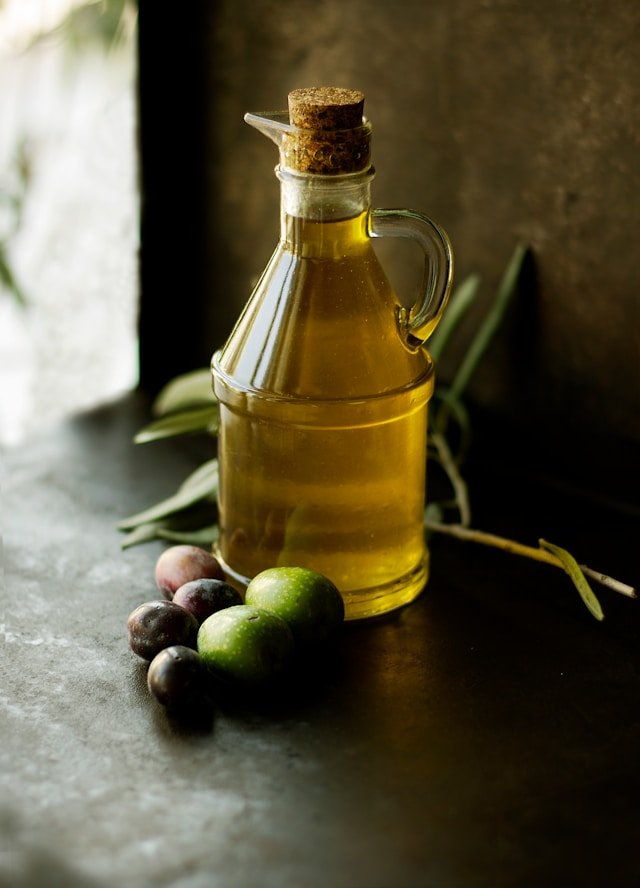
Cooking isn’t just about following a recipe; it’s an art that lets you express yourself and keep your body healthy. A crucial part of cooking tasty and nutritious meals is the healthy cooking oil you use. Different cooking oils have special qualities, flavors, and health benefits. Choosing the right healthy cooking oil can make your dishes even better. Let’s dive into five essential cooking oils—Olive Oil, Walnut Oil, Avocado Oil, Coconut Oil, and Flaxseed Oil—and see how each one can transform your meals.
Why the Right Healthy Cooking Oil Matters
The healthy cooking oil you use can make your food taste better and be better for you. Picking the right one can make your dishes delicious and give you nutrients that keep you healthy. Learning about different healthy cooking oils can help you make good choices in the kitchen.
Olive Oil
Origins and Production: Olive oil has been used in Mediterranean cooking for hundreds of years. It’s made by crushing olives, which are grown in places like Spain, Italy, and Greece. Extra-virgin olive oil is the best kind because it’s made with minimal processing. The process involves crushing the olives, pressing them to extract the oil, and then filtering out any impurities.
Health Benefits: Olive oil is full of healthy fats and antioxidants. It’s considered one of the best healthy cooking oils for your heart and can help reduce the risk of chronic diseases. A 2020 study found that incorporating more than half a tablespoon of olive oil into your daily diet could reduce the risk of heart disease. Additionally, olive oil’s anti-inflammatory properties make it a valuable healthy cooking oil for managing conditions like arthritis.
Best Uses: Use olive oil for salad dressings, drizzling over foods, and low-heat cooking. Its mild flavor works well with fresh ingredients. Try it on a Caprese salad or in homemade pesto. Olive oil is also fantastic for roasting vegetables, as it enhances their natural flavors.
Tips for Selection and Storage: Look for extra-virgin olive oil in dark bottles, which protect it from light. Store it in a cool, dark place to keep it fresh. Avoid buying large quantities if you don’t use it often, as it can go rancid over time.
Walnut Oil
Origins and Production: Walnut oil is made from English walnuts. The nuts are pressed to get the oil, often using cold pressing to keep their flavor and nutrients intact. This process involves cracking the walnuts, drying them, and then pressing them to extract the oil.
Health Benefits: Walnut oil has a unique nutty taste. It’s high in healthy fats and omega-3 fatty acids, which are good for your heart. It’s also rich in something called alpha-linolenic acid (ALA), a type of omega-3 fat. These fats can help reduce inflammation and improve brain health.
Best Uses: This healthy cooking oil is great for salad dressings and drizzling over grilled chicken or fish. Its nutty flavor is perfect in fall and winter salads. You can also use it in baking for a nutty twist. For example, try adding it to a walnut cake or banana bread recipe.
Tips for Selection and Storage: Choose cold-pressed walnut oil for the best benefits. Store it in the refrigerator to keep it from spoiling. Because walnut oil has a high polyunsaturated fat content, it can go bad quickly if not stored properly.
Avocado Oil
Origins and Production: Avocado oil comes from the flesh of avocados, usually grown in places like Mexico and California. The fruit is pressed to extract the oil. The process often involves removing the skin and pit, then pressing the soft green flesh to get the oil.
Health Benefits: Avocado oil is very versatile and healthy. It has a high smoke point, so it’s great for frying and grilling. It’s packed with healthy fats, vitamins, and antioxidants, which are good for your heart and reduce inflammation. Avocado oil is also beneficial for skin health and can be used in beauty products.
Best Uses: Use avocado oil for roasting vegetables, making salad dressings, or searing meats, like this Salmon Salad recipe. Its mild flavor won’t overpower your dishes. It’s also great in smoothies and homemade mayonnaise. You can even use it as a topping for popcorn or as a base for marinades.
Tips for Selection and Storage: Pick cold-pressed, unrefined avocado oil for the best quality. Keep it in a cool, dark place, tightly sealed to prevent it from going bad. Avocado oil can be more expensive than other oils, so buy it in smaller quantities if you don’t use it often.
Coconut Oil
Origins and Production: Coconut oil comes from the meat of coconuts, grown in tropical places like Southeast Asia. The oil is extracted by pressing the coconut meat. There are two main types: virgin coconut oil, which is minimally processed, and refined coconut oil, which has a more neutral taste.
Health Benefits: Coconut oil, known for its unique flavor and solid consistency at room temperature, is a valuable healthy cooking oil. It has a high smoke point, making it great for baking and sautéing. It’s rich in medium-chain triglycerides (MCTs), which are quickly used for energy and help brain health. Coconut oil can also help improve skin and hair health and is often used in natural beauty products.
Best Uses: Use coconut oil in curries, stir-fries, and desserts. Its sweet, nutty flavor goes well with tropical ingredients. Try it in place of butter in baking or as a moisturizer. It’s also great for making homemade granola or adding to coffee for a creamy texture.
Tips for Selection and Storage: Choose virgin coconut oil instead of refined coconut oil for the best benefits. Store it in a cool, dark place. It will solidify in cooler temperatures but melts easily. If you live in a warm climate, you might want to keep it in the fridge to prevent it from becoming too liquid.
Flaxseed Oil
Origins and Production: Flaxseed oil is derived from the seeds of the flax plant, predominantly cultivated in Canada and the United States. The oil is extracted through a pressing process and subsequently refined to eliminate impurities, ensuring prolonged freshness and stability.
Health Benefits: Flaxseed oil is renowned for its rich nutritional profile. It boasts a distinct, nutty flavor and is packed with beneficial omega-3 fatty acids, particularly alpha-linolenic acid (ALA), which supports heart health and reduces inflammation. Additionally, flaxseed oil contributes to improved cholesterol levels and is a fantastic option for those following plant-based diets.
Best Uses: Flaxseed oil is best used in cold dishes due to its low smoke point; it makes a delightful addition to salad dressings, smoothies, and dips. Its unique flavor profile enhances various dishes, from roasted vegetables to baked goods, providing a healthy twist without overwhelming other tastes.
Tips for Selection and Storage: When choosing flaxseed oil, opt for cold-pressed, organic varieties to ensure optimal quality. Store it in a cool, dark place in a tightly sealed container to preserve its freshness. Although flaxseed oil has a longer shelf life, it is recommended to consume it within six months for maximum health benefits.
The Importance of Variety
Using a variety of healthy cooking oils in your cooking lets you enjoy different flavors and health benefits. Use olive oil for dressings, walnut oil for nutty flavors, and avocado oil for high-heat cooking to make your dishes tasty and nutritious. Each healthy cooking oil brings something unique to the table, so don’t be afraid to experiment. Explore why variety matters in your diet.
More Recipes and Culinary Uses
Olive Oil: Besides salads and pesto, try using olive oil in Mediterranean dishes like hummus or as a finishing touch on soups. It’s also great for dipping bread or making garlic bread.
Walnut Oil: Walnut oil can be used in vinaigrettes, drizzled over roasted vegetables, or even added to oatmeal for a nutty flavor. It’s also perfect for making nutty sauces for pasta.
Avocado Oil: Use avocado oil in guacamole, as a base for creamy dressings, or in place of butter for baking. It’s also great for grilling seafood or making crispy fries.
Coconut Oil: Coconut oil is fantastic for making smoothies, coconut curry, or even popcorn. It can also be used in place of other fats in baking to add a coconut flavor.
Flaxseed Oil: Use flaxseed oil in your homemade energy bar snacks, salad dressings, smoothies, or dips. It is best used in cold dishes.
Conclusion
Choosing the right healthy cooking oil can make your meals delicious and healthy. Olive Oil, Walnut Oil, Avocado Oil, Coconut Oil, and Flaxseed Oil each have unique qualities that can enhance your cooking. Try using different healthy cooking oils in your cooking to enjoy a range of flavors and health benefits. Whether you love the strong taste of olive oil or the mild flavor of avocado oil, experimenting with these healthy cooking oils can open up new possibilities in the kitchen. Share your experiences with friends and family, and enjoy making meals that are tasty and good for you!
Looking to enhance your meals with the right healthy cooking oils and also invest in your well-being? Joy is here to help! Contact Joy now to sign up for personalized health coaching or fitness training and discover how the right healthy cooking oil and lifestyle choices can transform your health.
Introductory special 6 sessions for $199! Virtual or at the Studio, she is ready when you are!
Ready to make healthier choices? Have questions? Reach out to Joy and start your journey today!
Psalm 34:8


Leave A Comment