


Why Strong Bones Are Your Best Investment for Lifelong Vitality
Bone density exercises for women are essential for maintaining strength, preventing fractures, and preserving independence. The most effective exercises include:
Most Effective Bone Density Exercises:
- Weight-bearing exercises – Walking, dancing, stair climbing, jogging
- Resistance training – Squats, deadlifts, push-ups, rows with weights or bands
- High-impact activities – Jumping, hopping, tennis (when appropriate), or heel strikes
- Balance exercises – Single-leg stands, mobility and stability exercises, and strengthening poses
- Specific exercises instructed by a Bonefit professional.
Key Benefits: Stimulate bone formation, reduce fracture risk, improve posture and balance, and maintain independence.
Statistics show that more than half of women over age 50 have low bone mass. Without regular exercise, the average woman can lose 50% of her back muscle strength between the ages of 50 and 80. The empowering truth is that you have significant control over your bone health through targeted exercise.
Furthermore, studies show there is a muscle loss of 1-2% for women ages 65-89, as well as a 3% per year decrease in muscular power. Don’t take this too hard as change can happen, and there are ways to strengthen. Be encouraged today.
Your bones are living tissue that responds to demand. Weight-bearing and resistance exercises signal your body to build stronger, denser bone. This isn’t about bodybuilding; it’s about shifting from wanting to be “small and thin” to prioritizing mobility, strength, and power!
Women reach peak bone mass between ages 25 and 35. Declines accelerate around age 40 as dropping estrogen levels during perimenopause and menopause speed up bone loss. Regular physical activity can reduce falls by nearly a third in high-risk older adults, making exercise a powerful tool for independence.
I’m Joy Grout, a certified personal trainer and Bone Health and Osteoporosis Instructor with over 20 years of experience. At Personalized Fitness For You, I’ve seen how the right bone density exercises for women transform bone health, strength, balance, speed, and power.
Why Bone Density is a Critical Health Metric for Women
A woman’s bone health is deeply connected to her ability to live an independent, joyful life. When your bone foundation weakens, everything becomes more vulnerable.
Hormonal changes during menopause create unique challenges. About 30% of postmenopausal women have osteoporosis, and over half of women over 50 have some degree of bone loss.
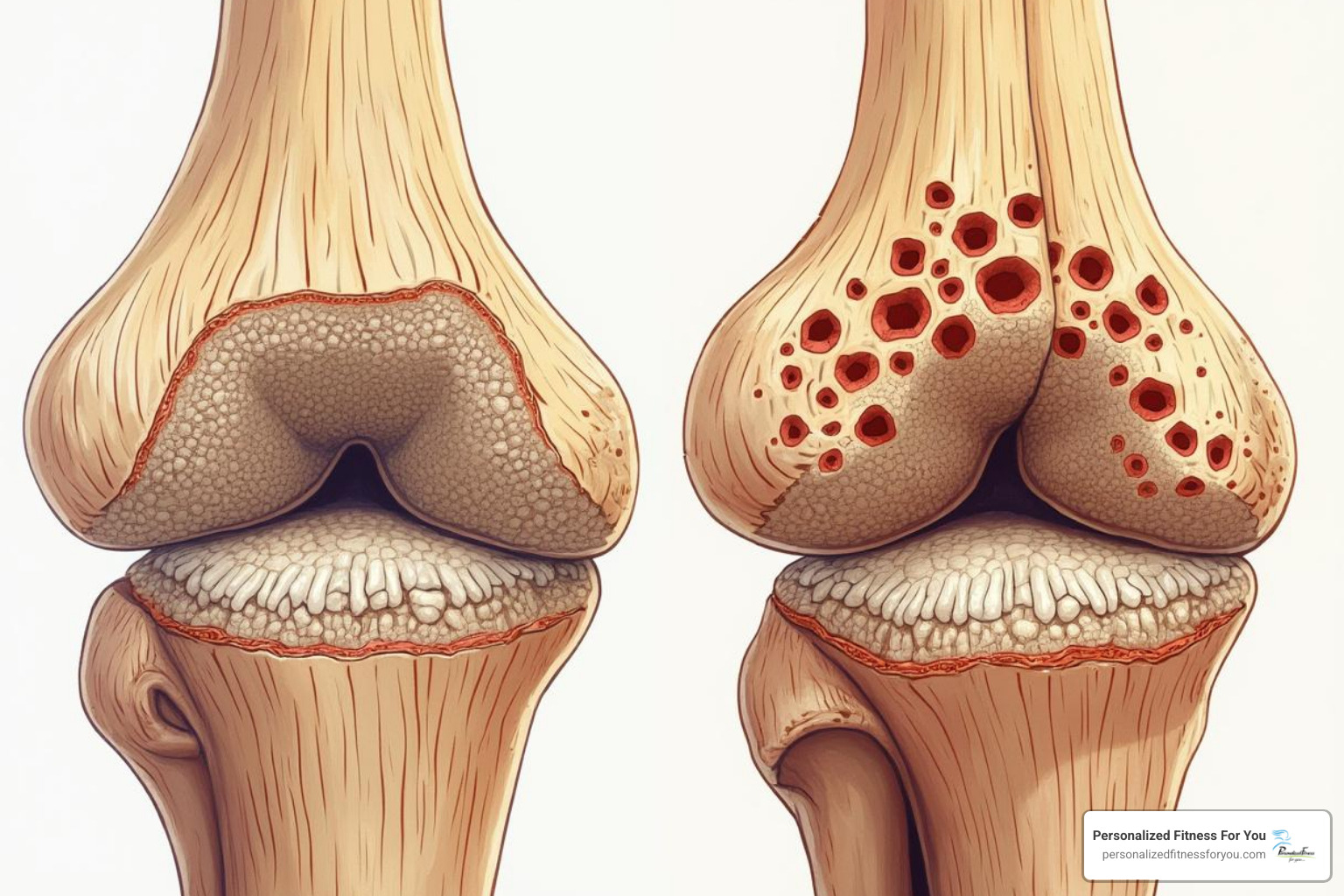
Understanding the difference between osteopenia and osteoporosis is key. Osteopenia is an early warning sign of weakening bones. Osteoporosis is when bone loss has progressed to the point where bones become fragile and prone to breaking.
The fracture risk from weakened bones can be life-altering. Hip and spine fractures can lead to chronic pain, disability, and a loss of independence.
For a deeper dive into protecting yourself, check out our guide: More info about Osteoporosis.
The Role of Estrogen and Menopause in Bone Health
Women face a unique challenge because of estrogen’s protective effect. This hormone helps balance bone breakdown and buildup. During the perimenopause transition (often starting in the 40s), estrogen levels fluctuate and then drop significantly at menopause. This can lead to accelerated bone loss.
While postmenopause risks are real, they aren’t inevitable. Understanding the protective role of estrogen highlights why bone density exercises for women are so crucial during this life stage.
Understanding Your “Bone Bank”: Peak Mass and Beyond
Think of your bones as a savings account. You build bone through your teens and twenties, reaching your peak bone mass between ages 25-35. This is the most you’ll have in your “bone bank.”
The importance of early habits like good nutrition and exercise can’t be overstated. After 35, the goal is to slow withdrawals. A slower decline with exercise helps you keep what you’ve built. It’s never too late to start protecting your bone bank.
The Dangers of Low Bone Density
Osteopenia as a warning sign is your chance to take action. When bone loss progresses to osteoporosis, the common fracture sites—your hip, spine, and wrist—become highly vulnerable.
Hip fractures can lead to long-term disability, while spinal fractures can cause chronic pain and a hunched posture. For more on these risks, the Mayo Clinic provides excellent guidance on hip and spine fractures. The good news is that the right exercise approach can significantly reduce your fracture risk.
The Best Bone Density Exercises for Women: A 3-Pronged Approach
Your bones are living tissue that adapts to stress. This process follows Wolff’s Law: bones grow stronger when you place mechanical stress on them. Exercise signals specialized cells called osteoblasts to lay down new bone tissue, making your skeleton denser and more resilient.
To maximize bone health, the most effective bone density exercises for women use a three-pronged approach. Each type of exercise serves a unique purpose in building and protecting your bones.
Weight-Bearing and Impact Exercises
These exercises use gravity’s role to your advantage, requiring you to support your body weight. This direct stress signals bones to grow stronger.
- Low-impact options: brisk walking, stair climbing, and dancing are accessible and effective.
- High-impact options: For those ready to progress, jogging, tennis, jump roping, and pickleball offer greater bone-building stimulus but require caution based on your current bone health.
While great for cardio, swimming and cycling are not weight-bearing. It’s essential to add land-based activities to your routine. Learn more about workout effectiveness in our guide on the benefits of compound exercises. Keep in mind all find something that you enjoy!
Progressive Resistance Training
When you lift weights, use resistance bands, or do bodyweight exercises, your muscles contract and pull on your bones. This action stimulates bone growth while building muscle mass.
Progressive resistance training involves gradually increasing the challenge as you get stronger. Aim for 8-12 repetitions for 2-3 sets. Free weights and resistance bands are excellent tools. Stronger muscles create stronger bones, a partnership that benefits your daily life. For an innovative approach, see why women should try TRX training.
Balance and Stability Exercises
Fall prevention through balance training is crucial, as strong bones are still vulnerable to fracture from falls. These exercises improve proprioception—your body’s awareness of its position in space.
Single-leg stands are a simple but effective challenge. Pilates incorporates balance while building core strength, which is essential for stability. A strong core supports proper posture and protects your spine. Build this crucial strength with our 9 core exercises for women.
Your Weekly Bone-Building Workout Plan: 7 Key Exercises
Here are practical examples to incorporate into your routine. Consistency and proper form are key to preventing injury. Aim for 2-3 resistance training sessions weekly, plus weight-bearing activities on most days.
For resistance exercises, aim for 3-4 sets of 8-12 repetitions. For impact exercises, short bursts are most effective. Always listen to your body and consider working with a qualified trainer if you’re unsure about form.
1. Squats (Bodyweight or Weighted)
Squats load the bones of your hips and spine, increasing bone mineral density in these crucial areas.
- How to Do It: Stand with feet shoulder-width apart, chest up, and back straight. Lower your hips as if sitting in a chair, keeping knees over your toes. Push through your heels to stand.
- Progression: Start with bodyweight squats, then add dumbbells or a goblet squat. Gradually increase weight.
2. Deadlifts (Modified or with Weights)
Deadlifts build full-body strength and load the spine, stimulating bone growth in your back, glutes, and hamstrings.
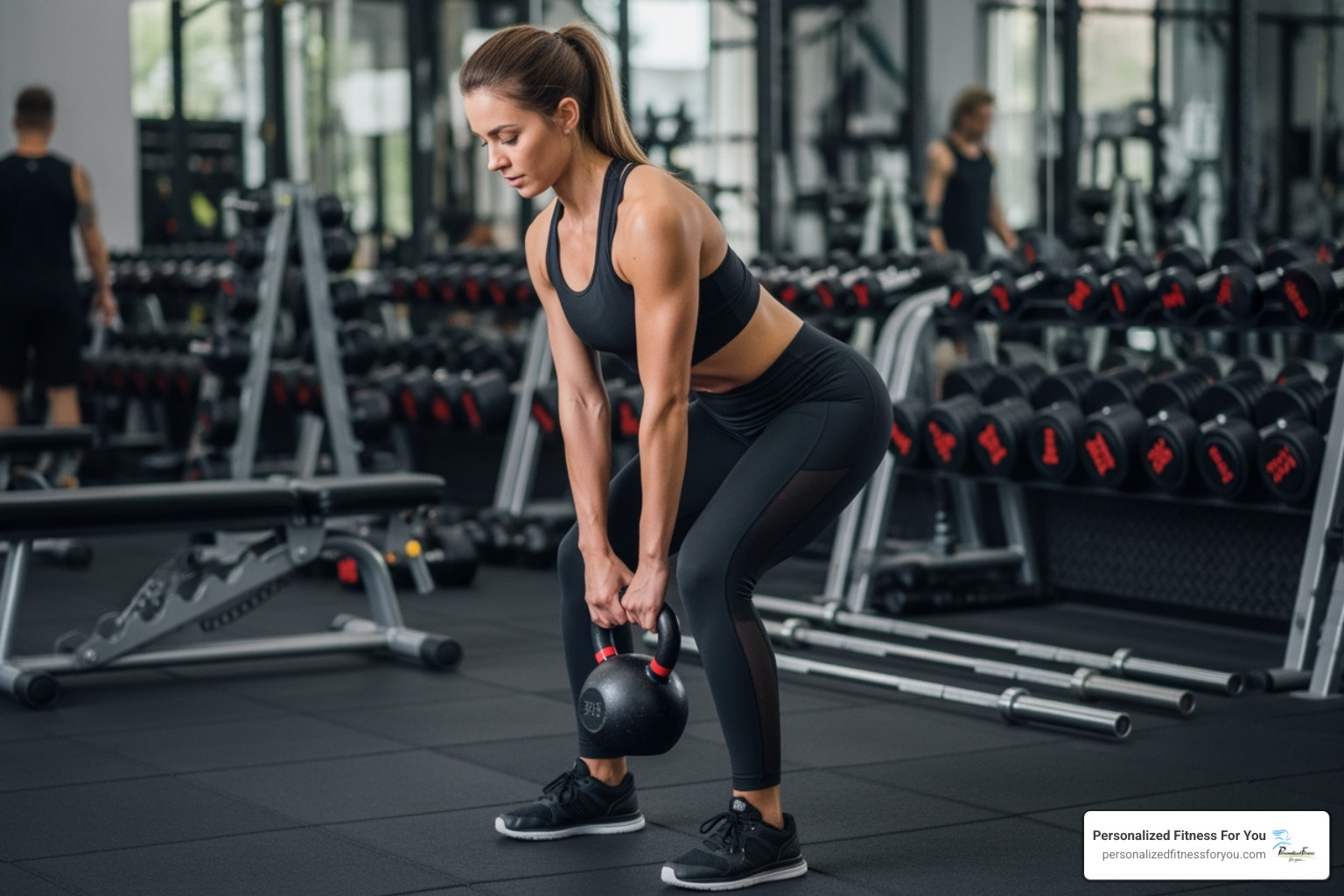
- How to Do It: With a light kettlebell or dumbbells, stand with feet hip-width apart. Hinge at your hips with a straight back and engaged core. Lower the weight, then push through your heels to stand, squeezing your glutes.
- Progression: Perfect the movement with bodyweight hip hinges before adding light weights.
3. Push-Ups (On Wall, Knees, or Toes)
Push-ups build upper body strength and load your wrists, arms, and shoulders—areas prone to fracture.
- How to Do It: Perform against a wall, on your knees, or on your toes, keeping your body in a straight line. Lower your chest toward the surface, then push back up.
- Progression: Start with wall push-ups, then progress to knee and standard push-ups.
4. Bent-Over Rows (Bands or Dumbbells)
This exercise strengthens upper back muscles, improving posture and protecting your spine by supporting your vertebrae.
- How to Do It: Hinge at your hips with a flat back. Holding a resistance band or dumbbells, pull the weight towards your chest, squeezing your shoulder blades together. Slowly lower.
5. Pogo Hops or Jump Rope
These high-impact activities provide excellent bone-stimulating force when done safely. Short bursts are highly effective.
- How to Do It: For pogo hops, push off the balls of your feet, hopping an inch or two. Land softly. For jump rope, keep jumps low and light.
- Progression: Start with small hops. Consult a provider before adding jumps if you have osteopenia or osteoporosis. Heel drops are a gentle alternative.
6. Lunges (Forward and Lateral)
Lunges target your hips and legs, contributing to hip bone density while improving balance and stability.
- How to Do It: For a forward lunge, step forward and lower your hips until both knees are at 90-degree angles. For a lateral lunge, step to the side, bending one knee while keeping the other straight. Push off to return to the start.
- Progression: Master with bodyweight, then add dumbbells.
7. Single-Leg Stance
This simple balance exercise is key to preventing falls and reducing fracture risk.
- How to Do It: Stand tall, shift your weight to one leg, and lift the other foot off the ground. Hold for 30-60 seconds, using support if needed. Progress to unsupported holds.
Safety First: Exercises to Modify or Avoid
For bone density exercises for women, especially with existing bone loss, a smart approach is crucial. The most important rule is to listen to your body. Stop immediately if an exercise causes sharp pain or dizziness. Differentiate between muscle fatigue and pain, and trust your body’s signals.
Professional guidance from a qualified trainer is invaluable for creating a safe, effective program. For more insights, explore our guide on Fitness After 50.
High-Impact Activities: When to Be Cautious
High-impact exercises are great bone builders but aren’t for everyone, especially with significant bone loss or a history of fractures. The risk of fracture increases when weakened bones face sudden, jarring forces.
Aggressive jumping or running on hard surfaces might be too stressful for compromised bones. When osteopenia is present, start with low-to-moderate impact activities like brisk walking or stair climbing. As your bones strengthen, you can gradually add more challenging movements. Progress should be patient and consistent.
The best bone density exercises for women with osteoporosis
With an osteoporosis diagnosis, certain movements require extra caution. Preventing fractures becomes equally important to strengthening bones.
Safe movement is the guiding principle. Avoid movements that put excessive pressure on the spine, especially spinal flexion (rounding forward) and forceful twisting. This includes traditional sit-ups, deep toe touches, and some yoga poses. Instead, focus on intelligent modifications like gentle core strengthening and safe hip flexibility work.
The Mayo Clinic provides excellent guidance on safe exercise for those with osteoporosis.
When to Consult a Healthcare Provider
Your safety is the top priority. Before starting any new exercise program, talk to your healthcare provider, especially if you have osteopenia, osteoporosis, or other health conditions.
If you experience any pain, dizziness, or unusual symptoms during exercise, don’t push through. Your provider can determine the cause. Asking for help is a sign of wisdom. We work collaboratively with your healthcare team to ensure you have the safest, most effective approach to building strong bones.
Frequently Asked Questions about Bone Density Exercises for Women
Here are answers to some of the most common questions about bone health and exercise.
How long does it take to improve bone density with exercise?
Bone remodeling is a slow process. While you’ll feel benefits like improved strength and balance much sooner, it typically takes 6-12 months or more to see measurable changes on a DEXA scan, especially for women over 50. Consistency is key; you’ll notice improved muscle strength, better balance, and a reduced risk of falls long before the scan numbers change, all of which contribute to your bone health.
Is swimming or cycling good for building bone?
Swimming and cycling are fantastic for cardiovascular health and are gentle on the joints, but they are non-weight-bearing activities. They don’t require your bones to work against gravity in a way that stimulates new bone growth. While they are excellent additions to a fitness routine, they must be supplemented with weight-bearing and resistance bone density exercises for women to be effective for bone health.
Can I still build bone density after menopause?
Yes, absolutely. While bone loss accelerates after menopause due to declining estrogen, you are not powerless. The right bone density exercises for women can significantly slow the rate of bone loss, help maintain existing bone mass, and in some cases, even lead to small increases in density. Research on postmenopausal women shows that resistance training and impact exercises can improve bone mineral density and physical function. It is never too late to start.
Conclusion: Take Control of Your Bone Health for a Stronger Future
By understanding and implementing bone density exercises for women, you can take charge of your future. This is about more than preventing fractures; it’s about maintaining the strength and independence to live life on your own terms.
We’ve covered the three pillars of bone health: weight-bearing exercises, resistance training, and balance work. Each is crucial for keeping your bones strong and your body resilient. These exercises offer lifelong benefits, building not just stronger bones but a stronger, more confident you.
At Personalized Fitness For You, our mission is to create safe, effective programs for women over 40. We meet you where you are, providing a shame-free environment to build strength in spirit, mind, and body. It’s never too late to invest in your “bone bank” for a healthier future.

Ready to build the strong foundation you deserve? Explore our Women’s Fitness Pilates Reformer programs and find how personalized fitness can transform your approach to aging with strength and grace.