

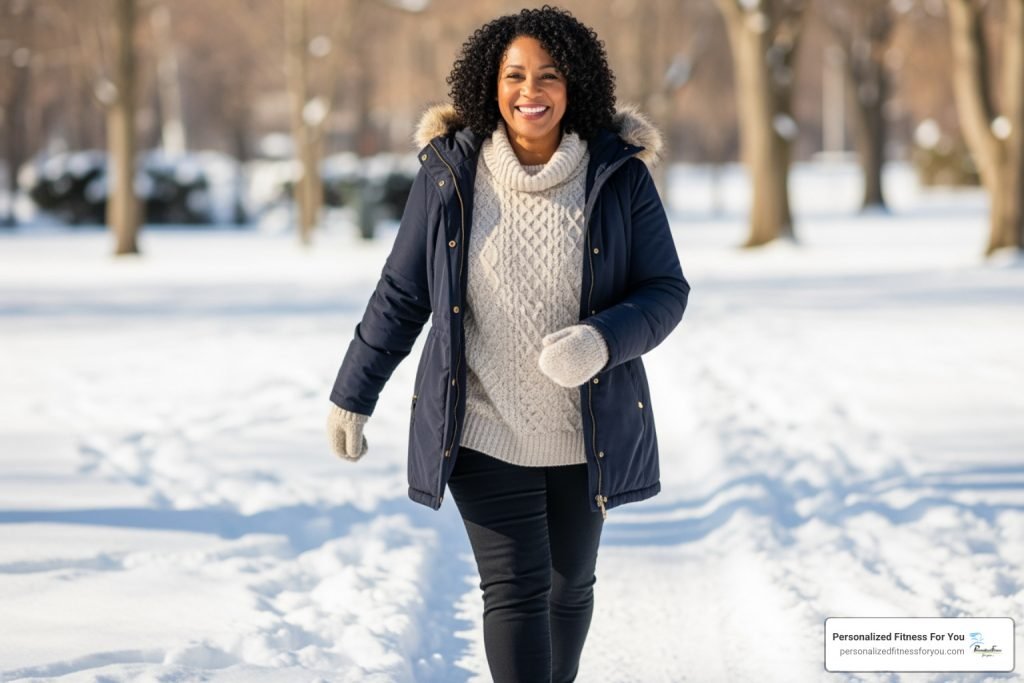
Cold Weather Gear: Master 3 Essential Layers
Embracing Winter Wellness with the Right Gear
Cold weather gear is your foundation for staying active, comfortable, and safe during winter months. The key to success is a system of layers that work together to keep you warm and dry. This includes a moisture-wicking base layer that sits next to your skin, an insulating middle layer like fleece or down to trap body heat, and a waterproof, windproof outer layer to protect you from the elements. To navigate cold weather confidently, you’ll also need insulated footwear with good traction, warm wool or synthetic socks, and protection for your extremities, such as an insulated hat, gloves, and a neck gaiter.
When the temperature drops in the Winona Lake and Warsaw area, many women feel the pull to move their fitness routines indoors exclusively, but winter doesn’t have to mean sacrificing your outdoor activities or wellness goals. The right cold weather gear transforms those chilly months from a barrier into an opportunity to continue building strength, supporting bone health, and enjoying the mental clarity that comes from moving your body in fresh air. Whether you’re maintaining your walking routine, heading out for errands, or simply wanting to feel comfortable during outdoor moments with family and friends, understanding how to dress for the cold makes all the difference.
The science behind staying warm isn’t complicated, but it does require a thoughtful approach that goes beyond simply adding bulk. Your body generates heat naturally during movement, yet it also loses that warmth quickly through moisture, wind, and exposure at your extremities. The most effective cold weather gear works as a system, with each layer serving a specific purpose to manage moisture, trap heat, and protect you from the elements. This whole-istic approach to winter dressing supports not just your physical comfort, but your ability to maintain the year-round fitness consistency that serves your long-term wellness, from cardiovascular health to cognitive function to bone density.
I’m Joy Grout, and over more than two decades of working with women in clinical and community-based settings here in Winona Lake, I’ve guided countless clients through safe, sustainable fitness routines in every season, helping them select the right cold weather gear that supports their active lifestyles without compromising comfort or safety. My experience as a Functional Aging Specialist and Certified Personal Trainer has shown me that the women who thrive year-round are those who approach winter with preparation and the right equipment, allowing them to honor their commitment to movement no matter what the thermometer reads.
Ready to discover a fitness plan that works with your unique needs? Book your complimentary Personalized Fitness Assessment today.
The Science of Staying Warm: Mastering the Layering System
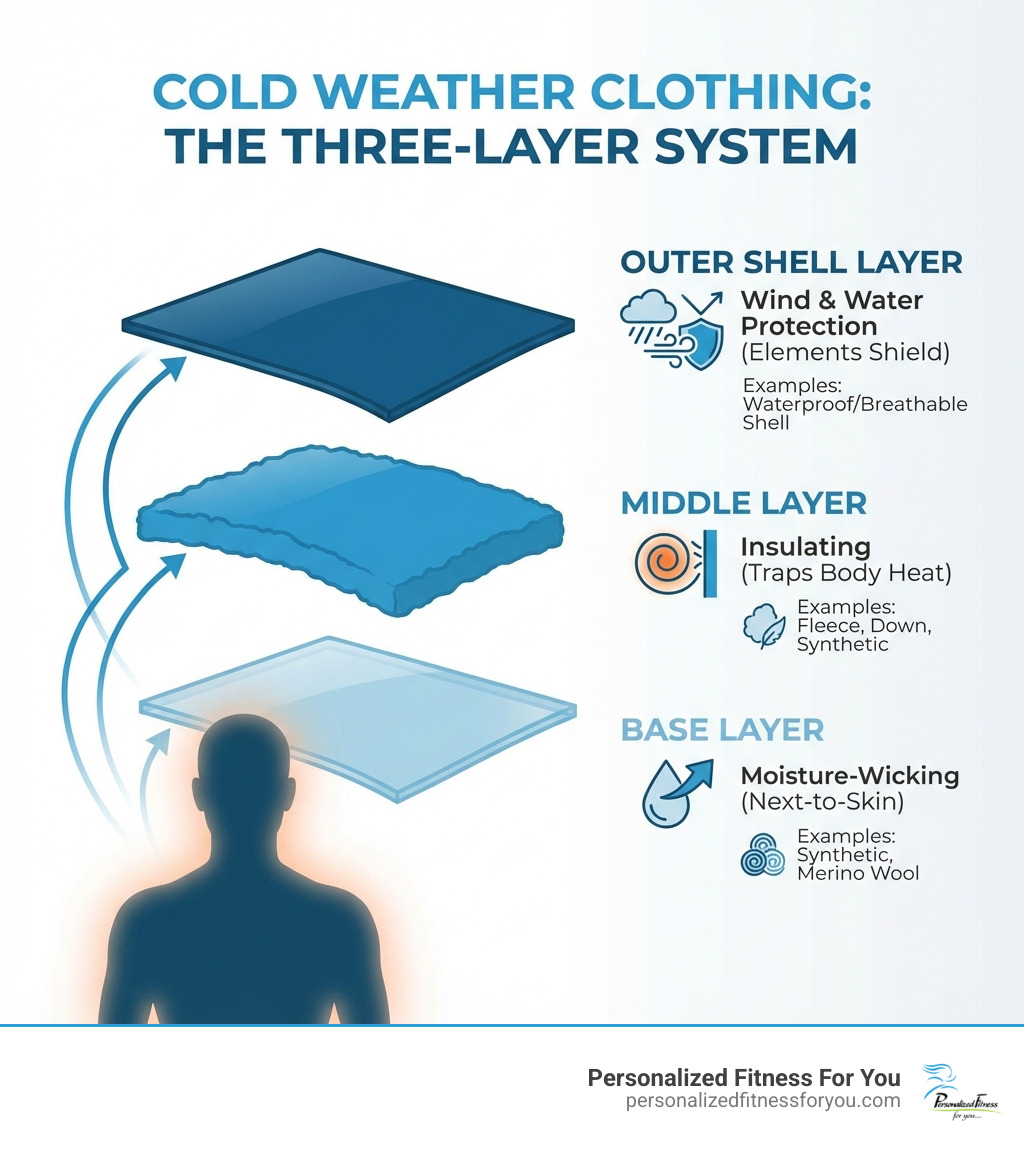
The cornerstone of staying warm and comfortable in cold conditions, especially in our Winona Lake and Warsaw area winters, is the art of layering. This strategy isn’t just about putting on more clothes; it’s about strategically combining different pieces of cold weather gear to manage your body temperature effectively. Layering allows us to adapt to changing activity levels and fluctuating temperatures, ensuring we stay dry and warm without overheating. When we exercise, our bodies generate heat, but also sweat. If that sweat remains on our skin, it cools rapidly, leading to a chilling effect that can be uncomfortable and even dangerous. The right layering system prevents this by wicking moisture away, trapping insulating air, and blocking external elements.
This system is so effective that it’s used by professionals in extreme environments. The principle is simple yet powerful: a base layer to manage moisture, a middle layer to insulate, and an outer layer to protect from wind and precipitation. By understanding and applying these principles, we can ensure our bodies maintain an optimal temperature, supporting our overall spirit, mind, and body wellness goals throughout the colder months.
The Foundation: Your Base Layer
The base layer is the first line of defense in your cold weather system, and it’s perhaps the most critical for staying dry and comfortable. Its primary job is to wick sweat away from your skin, transferring it to outer layers where it can evaporate. When selecting a base layer, we always look for materials that excel at moisture management.
Synthetics, such as polyester, are highly effective at wicking moisture and drying quickly. They are durable and often a great choice for high-exertion activities. Merino wool is another excellent option, offering superior warmth even when damp, natural odor resistance, and a soft feel against the skin. Unlike traditional wool, merino is fine enough to be comfortable and non-itchy. The material we absolutely want to avoid for any layer, especially the base, is cotton. Cotton absorbs moisture like a sponge and holds onto it, making you feel cold and damp, which can lead to rapid heat loss and discomfort.
For optimal performance, a base layer should fit snugly against your skin. This close contact allows it to efficiently wick away moisture. It shouldn’t be so tight that it restricts movement, but loose-fitting base layers won’t be as effective at drawing moisture away. The thickness or weight of your base layer can vary depending on the expected temperature and your activity level; lighter weights are suitable for milder cold or higher intensity, while heavier weights provide more warmth for extreme cold or lower intensity.
The Insulator: Your Middle Layer
Once your base layer is working to keep you dry, the middle layer steps in to provide the crucial insulation needed to trap your body heat. This layer is what truly keeps you warm by creating air pockets that slow down heat transfer away from your body. The choice of material for your middle layer depends on the conditions and your activity.
Fleece is a popular and versatile option, known for its excellent warmth-to-weight ratio, breathability, and quick-drying properties. It’s a great choice for many active women who want reliable warmth without excessive bulk. For more extreme cold, or when maximum warmth is needed with minimal weight, down insulation is often considered the gold standard. Down feathers are incredibly efficient at trapping air, but they lose their insulating power significantly when wet. Synthetic insulation, on the other hand, is designed to mimic down’s warmth while retaining its insulating properties even when damp, making it a more reliable choice in wet or humid cold conditions.
When choosing your middle layer, consider your planned activity level. A thicker, puffier layer will offer more warmth but might be too much for high-energy pursuits, while a lighter fleece could be perfect for a brisk walk. The goal is to provide enough warmth without causing you to overheat and sweat excessively, which would then negate the work of your base layer.
The Protector: Your Outer Layer (Shell)
The outermost layer, often called the shell, is your shield against the elements. Its primary functions are wind protection, rain protection, and snow protection. Even if your inner layers are incredibly warm, a strong wind can cut right through them, stealing your body heat through convection. A good outer layer blocks this wind, maintaining the warmth trapped by your middle layer.
Equally important is its ability to protect against precipitation. Whether it’s freezing rain, sleet, or heavy snow, your outer layer needs to be waterproof or highly water-resistant to keep you dry. Getting wet in cold weather is a sure path to discomfort and potential hypothermia. The distinction between waterproof and water-resistant is important: waterproof materials, often featuring membranes like Gore-Tex, offer complete protection against liquid water penetration, while water-resistant fabrics can repel light rain or snow but may eventually wet out in sustained conditions.
Crucially, this outer layer must also be breathable. While it needs to keep external moisture out, it also needs to allow the perspiration vapor from your inner layers to escape. If it doesn’t, that moisture will condense inside your jacket, making you damp and cold from the inside out. Look for features like pit zips or mesh-lined pockets that allow for ventilation. A high-quality shell jacket is an investment that contributes significantly to your comfort and safety during any outdoor activity in cold weather.
Building Your Essential Cold Weather Gear Wardrobe
Building a functional wardrobe of cold weather gear is about making informed choices that support your active lifestyle and overall well-being. This isn’t just about fashion; it’s about investing in pieces that offer protection, durability, and comfort for years to come. For women in their midlife and beyond, prioritizing gear that supports functional movement and offers reliable protection is key to maintaining consistency in our fitness journeys and enjoying the outdoors safely. High-quality gear may seem like a larger initial investment, but its longevity and superior performance mean it often outlasts and outperforms cheaper alternatives, proving to be more economical and reliable in the long run.
Choosing the Right Cold Weather Gear for Jackets and Pants
When it comes to jackets and pants, these are the workhorses of your outer and sometimes middle layers. For jackets, consider the type of insulation. Down offers exceptional warmth-to-weight and compressibility, making it great for very cold, dry conditions. Synthetic insulation, as we discussed, is better for damp environments as it retains warmth when wet. Many jackets combine these, or use synthetic insulation in areas prone to getting wet (like the shoulders) and down elsewhere.
Windproofing is a non-negotiable feature for an outer jacket, especially given the wind chill factors we often experience. Look for fabrics that explicitly state they are windproof or highly wind-resistant. Breathability is also vital to prevent sweat buildup during activity. Features like pit zips (zippers under the arms) are excellent for quickly venting excess heat without needing to remove the jacket entirely.
Adjustable features are a key to customization and comfort. A well-fitting hood that can be cinched down protects your head and face, while adjustable cuffs prevent cold air from sneaking up your sleeves. Pockets are not just for carrying essentials; they can also be a place to warm your hands. For pants, look for insulated options for sedentary activities or shell pants that can be worn over base and mid-layers for active pursuits. They should allow for a full range of motion, crucial for activities like walking or gentle hiking, and offer water resistance or waterproofing, especially around the seat and knees.
Footwear: The Key to Warm, Stable Steps
Our feet are often the first part of our body to feel the cold, and keeping them warm and dry is paramount, not just for comfort but for overall safety. For women in active aging, proper footwear is also a critical component of fall prevention, especially on icy or uneven winter surfaces. The best cold weather footwear for the Winona Lake and Warsaw area offers a combination of features to ensure warm, stable steps.
First, insulation is key. Boots designed for cold weather will have specific insulation ratings, often indicating the temperature they are designed for. Look for options with ample insulation to keep your feet cozy. Second, waterproofing is essential. Melting snow, slush, and puddles are common winter hazards, and wet feet quickly become cold feet, increasing the risk of frostbite and discomfort. Materials like waterproof leather, rubber, or waterproof membranes (such as Gore-Tex) are what you need.
Third, traction is a critical safety feature. Winter surfaces can be slippery, so look for outsoles with aggressive lug patterns and made from rubber compounds that remain flexible in cold temperatures. This provides the grip you need to confidently navigate icy patches and snowy trails. Ankle support is also beneficial, especially on uneven terrain, to prevent twists and sprains.
Complementing your boots, the right socks are equally important. Wool socks, particularly merino wool, or synthetic socks are excellent choices. They wick moisture away from your feet, provide insulation, and are far superior to cotton, which can lead to blisters and cold feet.
Find the right shoes for your workout
Extremities: Protecting Your Head, Hands, and Neck
While the core of your body is vital to keep warm, neglecting your extremities can quickly lead to discomfort and significant heat loss. Our heads, hands, and feet are highly susceptible to cold and can lose heat rapidly. Protecting them effectively is a simple yet powerful way to improve your overall warmth and safety.
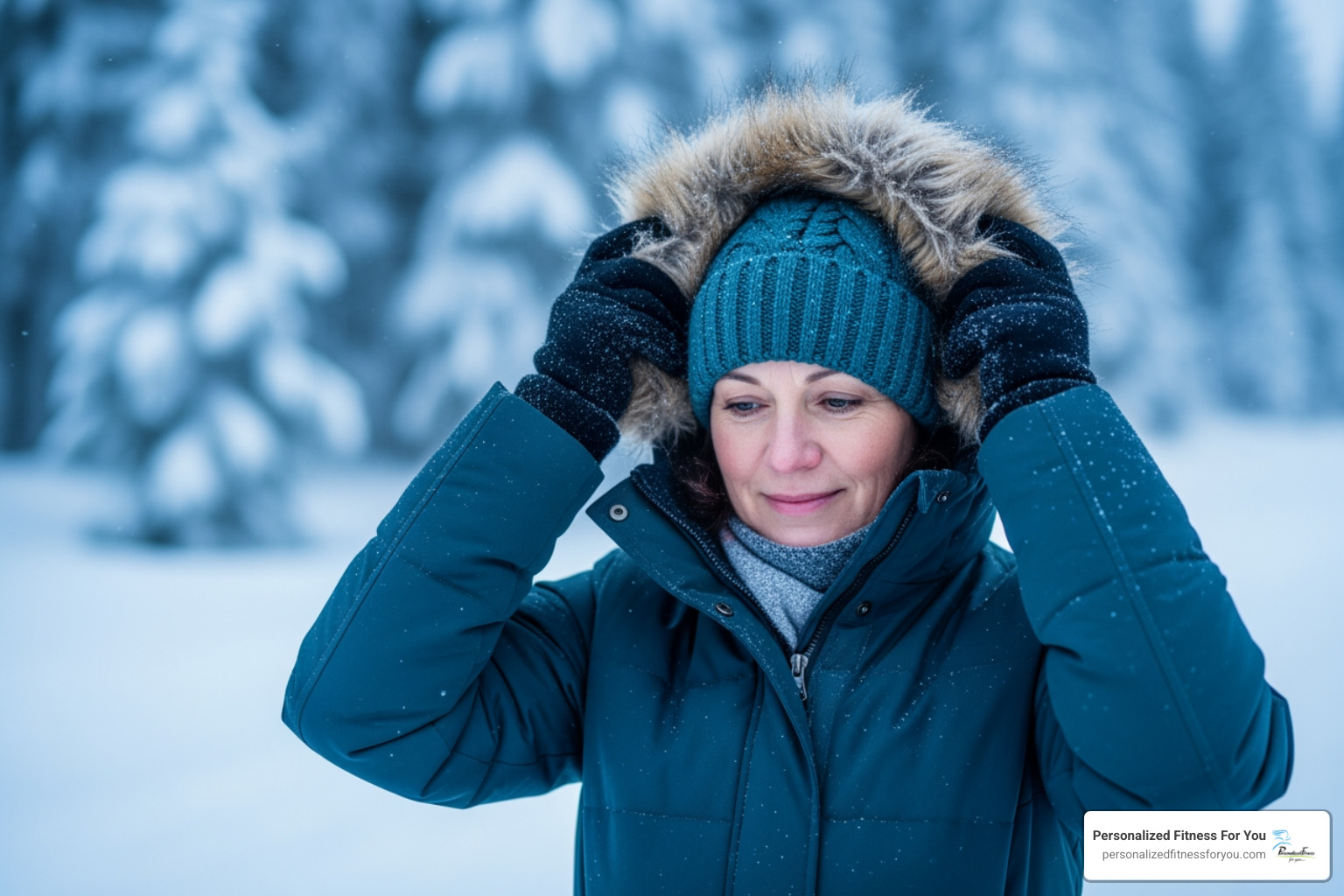
For your head, a significant amount of body heat can escape if uncovered. An insulated hat that covers your ears is essential. Options range from simple fleece beanies to more advanced winter hats with insulation and a shell material for wind protection. For milder conditions or high-exertion activities, a headband can keep your ears warm while allowing heat to escape from the top of your head, preventing overheating.
For your hands, the choice between gloves and mittens often comes down to dexterity versus warmth. Gloves offer individual finger articulation, which is useful for tasks requiring fine motor skills. However, mittens are generally warmer because they allow your fingers to share warmth, effectively creating a larger, warmer microclimate. Look for insulated options that are also water-resistant or waterproof, and consider those with touchscreen compatibility if you need to use a phone.
A neck gaiter or scarf is a simple yet incredibly effective piece of cold weather gear for protecting your neck and lower face. It prevents cold air from entering your jacket and can be pulled up over your nose and mouth to warm the air you breathe, reducing the risk of respiratory irritation in very cold, dry air. Covering these areas not only prevents discomfort but also significantly reduces the risk of frostbite, ensuring you can enjoy your winter activities safely and comfortably.
Adapting Your Gear for Your Favorite Winter Activities
When it comes to staying active in cold weather, one size does not fit all. The optimal cold weather gear setup changes depending on the intensity and duration of your activity. What you wear for a gentle walk will differ from what you need for a brisk run, and both will vary from simply running errands. This thoughtful adaptation of your gear is a key component of our whole-istic wellness philosophy, allowing you to balance warmth and breathability effectively. By tailoring your choices, you can ensure comfort, prevent overheating (and subsequent chilling), and maintain your commitment to outdoor activity, which offers significant benefits for your spirit, mind, and body.
Explore the benefits of outdoor exercise
The Best Cold Weather Gear for a Brisk Winter Walk
A brisk winter walk in the Winona Lake and Warsaw area is a wonderful way to stay active, support bone health, and enjoy the beauty of the season. For this moderate pace, our focus is on flexible layers that provide warmth without bulk and allow for comfortable movement.
We recommend a mid-weight base layer, perhaps a synthetic or merino wool top, followed by a light-to-mid-weight fleece as your middle layer. Your outer layer can be a breathable, wind-resistant softshell jacket, or a lightweight waterproof shell if precipitation is expected. For your lower body, insulated walking pants or shell pants over a thermal base layer are ideal. They should allow for full range of motion. Footwear is crucial for walks; waterproof boots with good traction are essential to prevent slips on potentially icy paths. Don’t forget an insulated hat, gloves or mittens, and a neck gaiter to protect your extremities. The goal is to feel comfortably warm, not overheated, and to be able to move freely and confidently.
Discover the top benefits of walking
For a Rejuvenating Winter Run
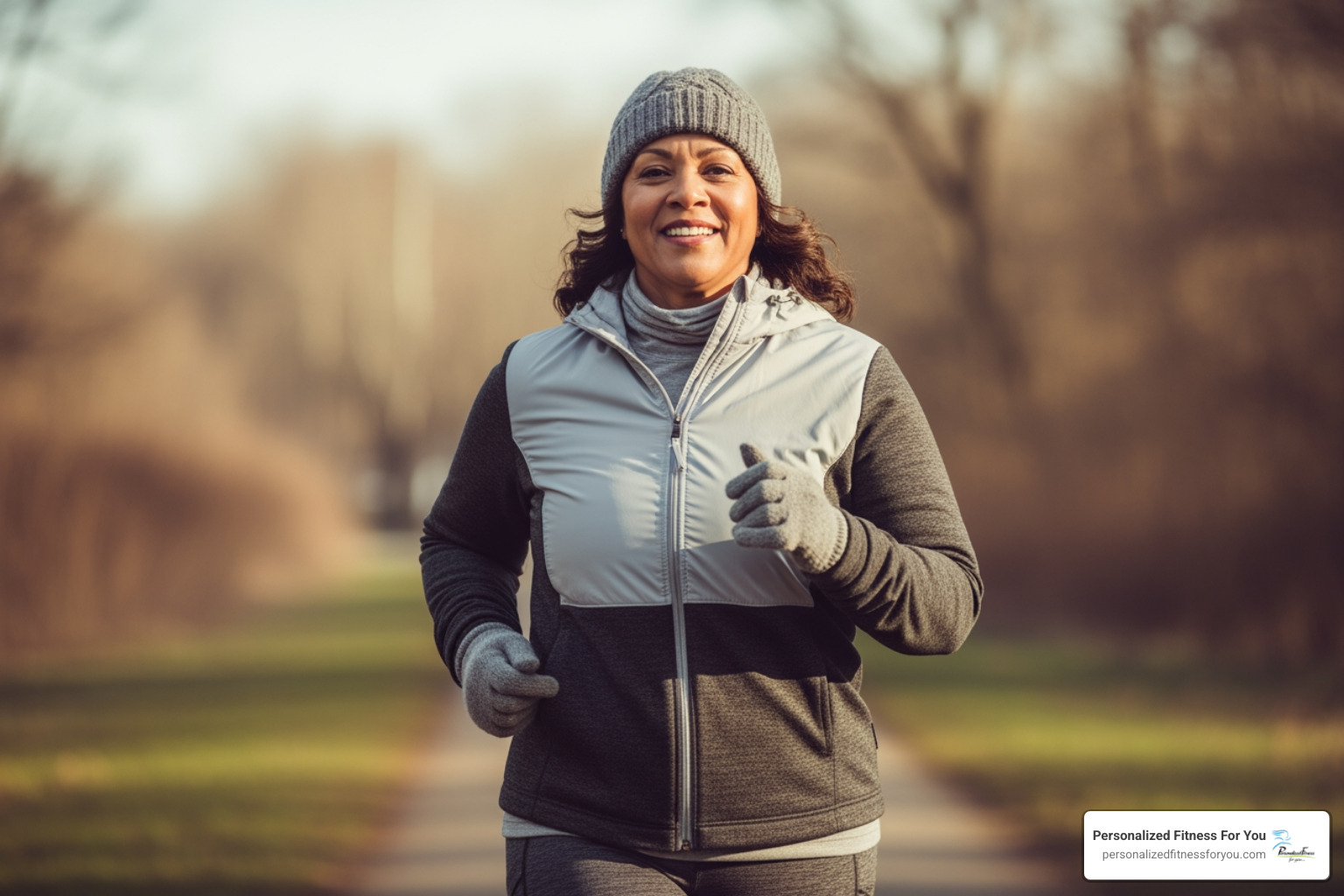
Running in cold weather offers unique benefits, helping to maintain endurance and stamina throughout the winter months. However, it requires a slightly different approach to cold weather gear due to the higher exertion level and increased sweat production. The key here is sweat management and avoiding overheating.
Start with a moisture-wicking base layer that fits snugly to efficiently pull sweat away from your skin. For your middle layer, a lightweight, breathable fleece or even just a heavier base layer might suffice, depending on the temperature, as your body will generate a lot of heat. The outer layer should be a wind-resistant and breathable running jacket, possibly with some water resistance for light snow. It’s often best to choose one that feels a little cool at the very start of your run, as you’ll quickly warm up.
For your lower body, insulated running tights or thermal pants are excellent. They offer warmth and flexibility without bulk. Reflective elements on your clothing and shoes are vital for visibility, especially during shorter daylight hours. Protect your head with a beanie or headband, and wear lightweight, moisture-wicking gloves. When temperatures drop below 30 degrees, our joints can become stiffer and muscles tighter, so a pre-run warm-up inside is always a good idea, starting with a walk and gradually moving into your run.
Learn about trail running workouts
How your body adapts to cold during exercise
For Everyday Errands and Outdoor Fun
Even for less strenuous activities like running errands, attending outdoor events, or enjoying a casual stroll, the right cold weather gear makes a significant difference in your comfort and ability to enjoy the winter months. Here, the emphasis shifts slightly towards consistent warmth for longer periods of lower activity.
An insulated parka or a longer-cut jacket with synthetic or down fill is an excellent choice for an outer layer, providing comprehensive coverage and warmth. These jackets often feature robust outer fabrics that offer good wind and water resistance. For your middle layer, a cozy fleece or a warm sweater will provide ample insulation. Your base layer can be a thermal long-sleeve top.
For your lower body, insulated pants or even jeans over a lightweight thermal base layer work well. Insulated boots with good traction are still crucial for safety and warmth, particularly if you’ll be standing for periods or walking on potentially slippery surfaces. Don’t forget a warm hat, substantial gloves or mittens, and a thick scarf or neck gaiter to ward off the chill. This gear ensures you can comfortably navigate your day, supporting your active lifestyle without feeling confined or cold.
Common Mistakes When Dressing for the Cold (and How to Avoid Them)
Even with the best intentions, it’s easy to make common mistakes when preparing for or dressing for cold weather. These missteps can quickly turn an enjoyable outdoor activity into an uncomfortable or even risky experience. For women focused on active aging and maintaining a consistent fitness routine, understanding these pitfalls is a key safety tip. By learning to avoid them, we can ensure our cold weather gear truly serves its purpose, keeping us safe, warm, and comfortable.
Wearing Cotton
This is perhaps the most significant mistake people make when dressing for cold weather. As we’ve discussed, cotton is a poor choice for any layer, especially the one closest to your skin. It absorbs moisture—whether from sweat or external sources—and holds onto it, staying wet for a long time. This creates a chilling effect as your body expends energy trying to warm the damp fabric against your skin. This can lead to rapid heat loss and discomfort, making you feel much colder than the air temperature suggests. “Cotton is rottten” when exercising in colder temperatures.
Solution: Always choose base layers and even middle layers made from moisture-wicking synthetics (like polyester) or natural fibers like merino wool. These materials are designed to pull moisture away from your skin and dry quickly, helping you stay warm and dry.
Overdressing or Underdressing
Finding the right balance of layers can be tricky, but both overdressing and underdressing present problems. Overdressing, especially at the start of an activity, can lead to excessive sweating. Once you stop or slow down, that sweat will cool, leading to the same chilling effect as wearing cotton. Underdressing, conversely, leaves you vulnerable to the cold, making it difficult for your body to maintain its core temperature, which can lead to discomfort, shivering, and in extreme cases, hypothermia.
Solution: Master the layering system we’ve outlined. Start your activity feeling slightly cool, knowing that your body will generate heat once you start moving. Be prepared to adjust your layers by adding or removing them as your activity level or the weather changes. Proactive adjustments are key.
Forgetting the Extremities
It’s a common misconception that most heat escapes from your head, but it is true that unprotected extremities—your head, hands, and feet—are highly susceptible to rapid heat loss. These areas have a large surface area relative to their mass and are often the first to feel the cold, leading to discomfort and, in severe cases, frostbite.
Solution: Always ensure you have appropriate cold weather gear for your head (insulated hat or beanie), hands (gloves or mittens), and feet (insulated, waterproof boots with warm, moisture-wicking socks). These items are not optional; they are crucial components of your cold weather defense.
Waiting Too Long to Adjust Layers
Many people wait until they are either uncomfortably hot and sweating profusely or shivering uncontrollably before they think about adjusting their layers. This reactive approach is often too late, as you’ve already compromised your comfort and warmth.
Solution: Be proactive with your temperature regulation. If you start to feel warm, vent your jacket (e.g., open zippers, pit zips) or remove a layer before you start sweating heavily. If you begin to feel a chill, add a layer before you become truly cold. Small, timely adjustments will keep you in that comfortable “sweet spot” where you are warm enough but not overheating, allowing you to sustain your activity longer and more comfortably.
Conclusion: Your Partner in Year-Round Wellness
Embracing the winter months in the Winona Lake and Warsaw area, or wherever your adventures take you, becomes an opportunity for sustained activity and joy when you are equipped with the right cold weather gear. This guide has illuminated how a thoughtful layering system, combined with strategic choices for jackets, pants, footwear, and extremity protection, forms an impenetrable defense against the cold. It’s an investment in your comfort, your safety, and ultimately, your consistent pursuit of whole-istic wellness – nurturing your spirit, mind, and body through every season.
For women navigating midlife and beyond, maintaining an active lifestyle is a powerful key to bone health, cognitive vitality, and overall well-being. The confidence that comes from knowing you’re prepared for the elements allows you to continue enjoying outdoor activities, connecting with nature, and reaping the immense benefits of physical movement. We believe that fitness should be a source of joy and empowerment, not a seasonal challenge.
If you’re ready to create a personalized fitness plan that helps you thrive through winter and beyond, I invite you to schedule your complimentary consultation with me, Joy, today. Let’s navigate your wellness journey together. Whether you prefer the direct engagement of in-person training or the flexibility of virtual training, we are here to support your goals and ensure you remain active, comfortable, and joyful year-round.