
Weight Bearing Activities for Osteoporosis: 3 Safe Steps
Introduction: Why Your Bones Need to Bear Weight
Weight bearing activities to help prevent osteoporosis are exercises where your feet and legs support your body’s weight, creating the mechanical stress your bones need to stay strong and resilient. Osteoporosis is a condition that causes bones to become porous and fragile, significantly increasing your risk of fractures from everyday activities like bending, lifting, or even a minor fall. When your bones lose density, they lose their structural integrity, making them more vulnerable to breaks—particularly in the spine, hips, and wrists.
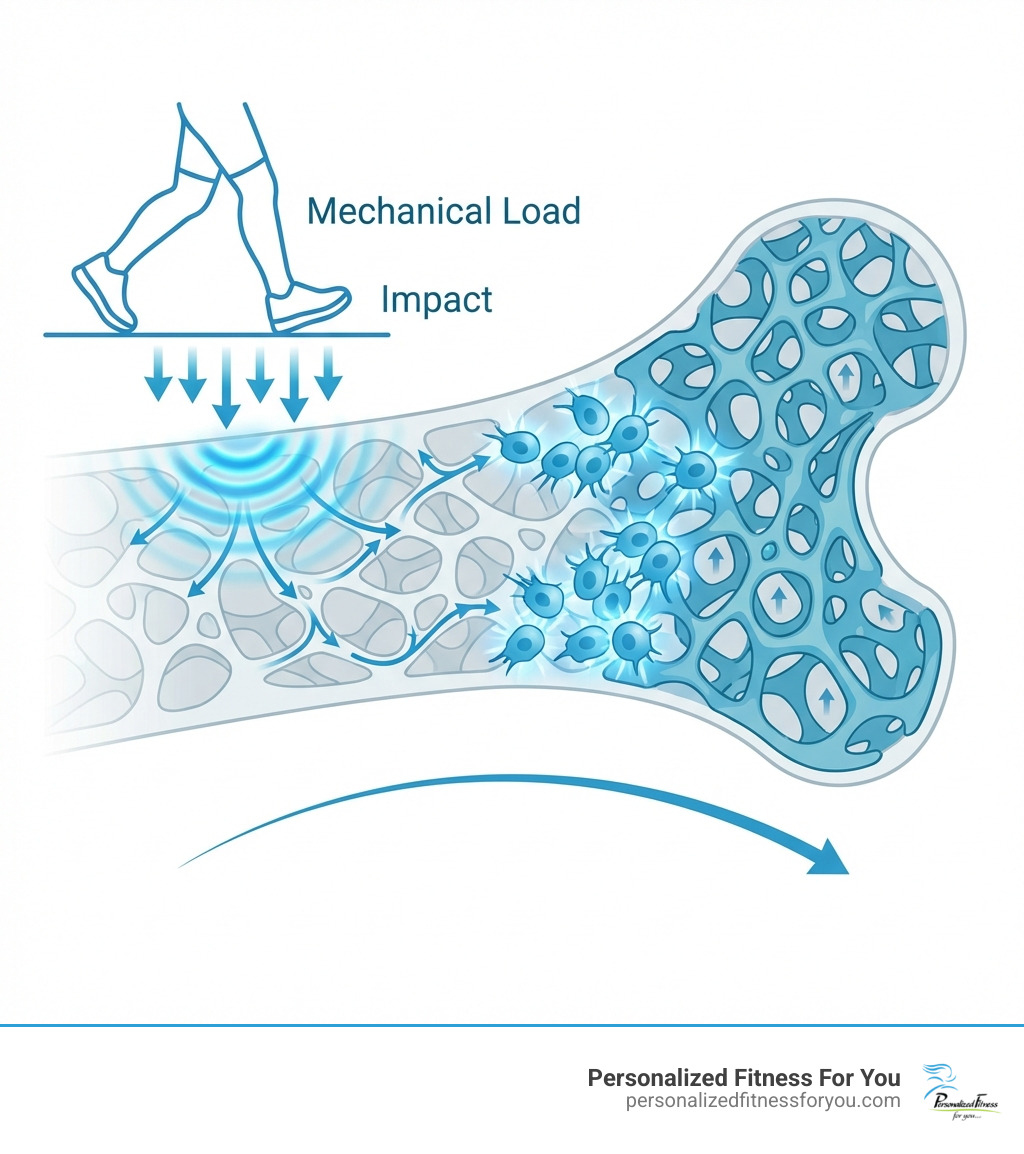
The good news? Your bones are living tissue that respond to the demands you place on them. When you engage in weight-bearing exercise, you’re working against gravity in a way that signals your body to build and maintain bone strength. Think of it as a “use it or lose it” principle: the mechanical load from activities like walking, dancing, or stair climbing tells your bones they need to stay strong to handle these demands. This is why weight-bearing activities are fundamentally different from exercises like swimming or cycling, where the water or bicycle supports your body weight. While those activities offer excellent cardiovascular and muscle benefits, they don’t provide the bone-building stimulus your skeleton needs.
For women navigating midlife changes in the Winona Lake and Warsaw area, a personalized approach to bone health is essential. As your body changes, your bones become more susceptible to loss of density, making it crucial to implement a strategic, sustainable fitness routine that addresses your unique needs and current bone health status.
I’m Joy Grout, and over the past 20 years, I’ve specialized in helping women develop effective fitness programs that include weight bearing activities for osteoporosis as a cornerstone of their wellness journey. As a Bone Health and Osteoporosis Instructor and Functional Aging Specialist, I’ve had the opportunity to train women in building stronger bones through personalized, progressive exercise plans-which honor where they are today while working toward where they want to be tomorrow.
The Two Types of Weight-Bearing Exercise: High-Impact vs. Low-Impact
Weight-bearing exercises are broadly categorized into two main types: high-impact and low-impact. The primary distinction is the mechanical load exerted on your skeletal system. High-impact activities involve both feet leaving the ground, creating a greater force, while low-impact activities ensure at least one foot remains in contact with the ground, resulting in less jarring. Both types are beneficial for bone health, but the choice between them, especially for women in the Winona Lake and Warsaw area who are navigating midlife changes, depends heavily on individual bone density, fracture risk, and overall fitness level. It is important to remember that all activities should be approached with careful consideration of your body’s current capabilities and always under the guidance of a qualified professional.
Ready to find a fitness plan that works with your unique needs? Book your complimentary Personalized Fitness Assessment today. This initial consultation allows us to understand your bone health, discuss any concerns, and begin charting a course toward a stronger, more resilient you. Book your complimentary Personalized Fitness Assessment today.
Building and maintaining strong bones is a journey, and understanding the nuances of how different exercises impact your skeletal system is a key step in our whole-istic approach to bone health.
High-Impact Weight-Bearing Activities for Osteoporosis
High-impact weight-bearing exercises are those where both feet momentarily leave the ground, creating a significant force when you land. This impact sends strong signals to your bones, stimulating the cells responsible for bone formation and leading to increased bone density. For individuals whose bone health allows, these activities can provide a potent stimulus for bone building. It is crucial, however, to approach high-impact activities with caution and only after consulting with a healthcare provider or a specialist in bone health. These activities are often a goal to progress towards safely, rather than a starting point, particularly for those with significant bone loss or a history of fractures.
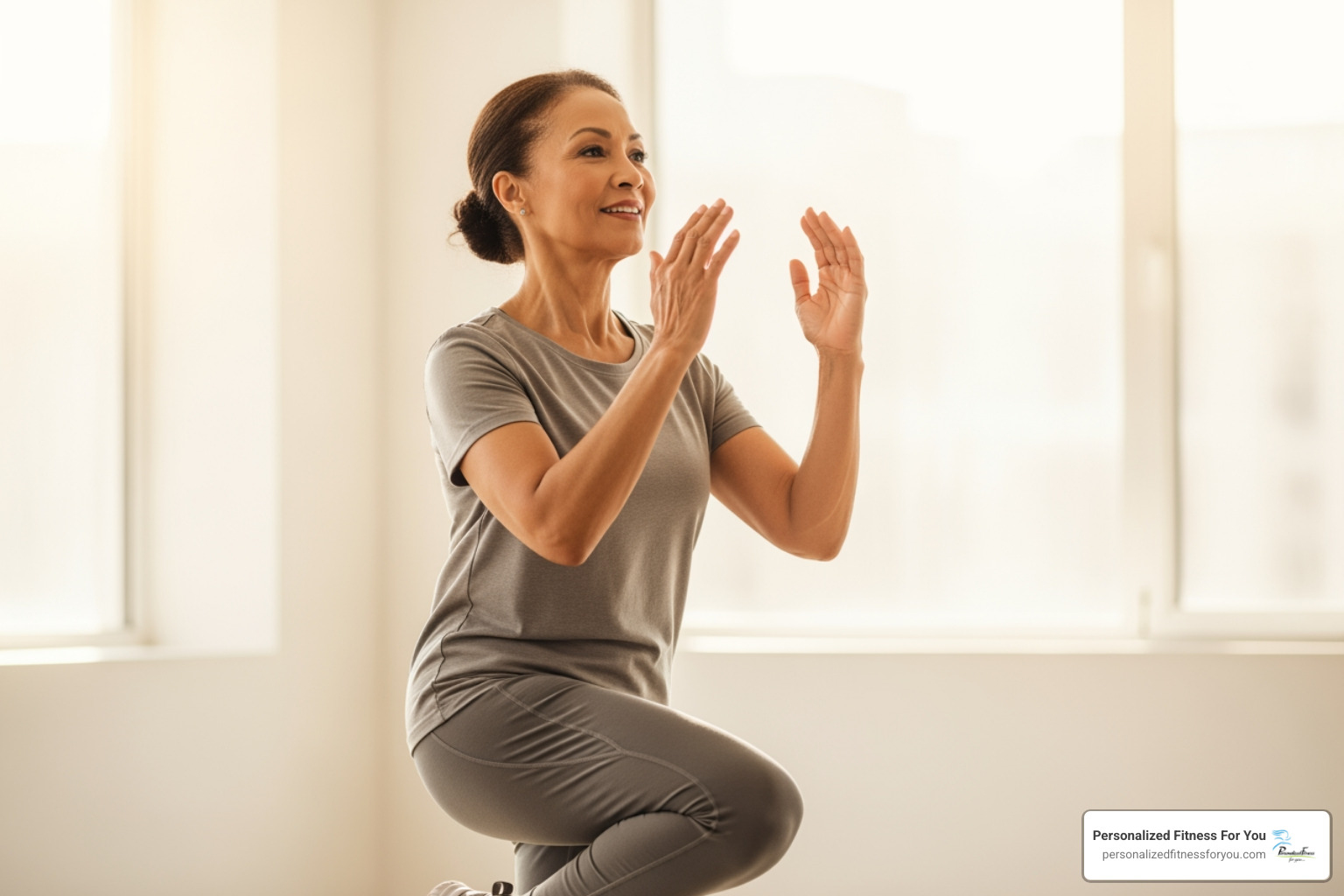
Examples of high-impact activities include dancing, which involves various jumps and movements; jogging, where each stride creates impact; stair climbing, which combines weight-bearing with vertical movement; tennis, with its quick stops, starts, and jumps; and jumping rope, a repetitive, high-impact exercise. While these activities offer substantial bone-building benefits, they must be introduced gradually and mindfully, ensuring proper form and listening to your body’s feedback. A gradual progression ensures that your bones and muscles adapt to the increased load without undue stress or risk.
Understanding how to effectively challenge your bones while minimizing risk is a cornerstone of our approach.
Low-Impact Weight-Bearing Activities for Osteoporosis
Low-impact weight-bearing exercises are characterized by maintaining at least one foot on the ground at all times, reducing the jarring force on your joints while still providing the gravitational pull necessary to stimulate bone growth. This makes them a safer and more accessible starting point for many individuals, especially those with osteoporosis, joint concerns, or those new to exercise. The reduced impact helps protect your joints from excessive stress while still delivering valuable bone-strengthening benefits.
These activities are foundational for building a resilient skeletal system. Brisk walking is an excellent example, offering a consistent, moderate load on your bones. Utilizing elliptical machines provides a smooth, continuous motion that supports bone health without harsh impact. Low-impact aerobics classes are designed to keep the intensity up while minimizing stress on joints, and stair-step machines mimic the beneficial vertical movement of stair climbing in a controlled environment. These exercises are not just safe alternatives; they are powerful tools for consistent bone stimulation and overall fitness. Walking 3 to 5 miles a week is a foundational weight-bearing activity for osteoporosis, and most experts recommend at least 30 minutes of weight-bearing activity daily, five to seven days a week, with 45 minutes to an hour being even better for overall health.
Incorporating regular walking into your routine is one of the simplest yet most effective ways to support your bone health.
Building Your Bone-Strengthening Routine with Weight-Bearing Activities for Osteoporosis
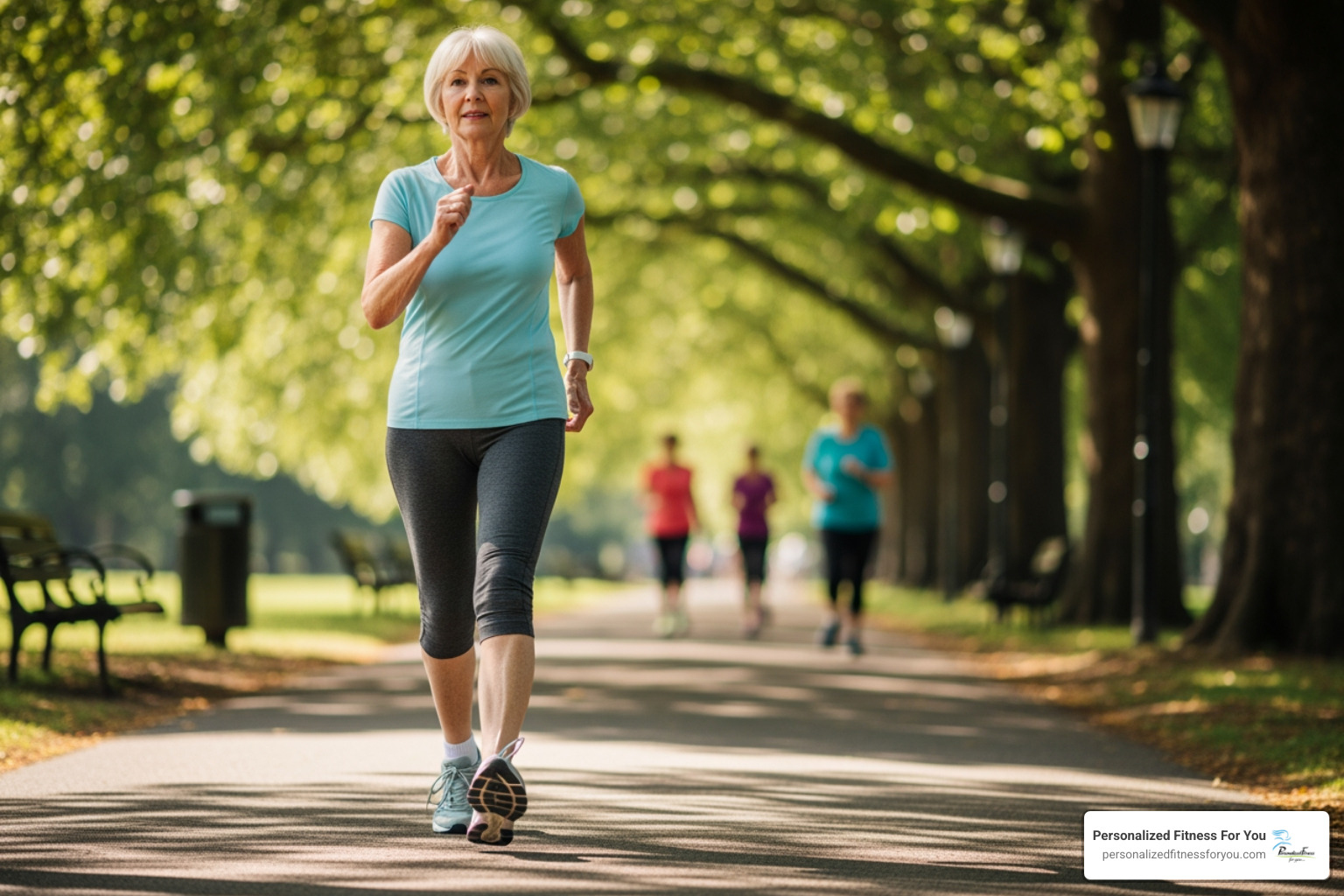
Creating a consistent and effective exercise routine that includes weight bearing activities for osteoporosis is a key step in supporting your bone health. The Canadian Osteoporosis Guidelines, developed by healthcare professionals, recommend participating in different types of physical activity, aiming for at least 150 minutes of moderate to vigorous physical activity weekly. This means that you don’t need to do all your exercise in one go; short bursts of activity throughout the day can add up significantly. For overall health and bone benefits, aiming for 30 to 45 minutes of weight-bearing activity most days of the week is an excellent target.
Beyond just the weight-bearing component, a comprehensive routine should integrate other crucial elements. Progressive resistance training, where you gradually increase the load your muscles work against, is highly recommended at least twice a week. This type of training, which can involve body weight, resistance bands, or light weights, helps strengthen muscles, which in turn pull on bones, stimulating them to become stronger. This powerful combination is a key part of managing osteoporosis with strength training.
Balance exercises are equally vital, especially as your body changes. They help strengthen leg muscles and challenge your balance, significantly decreasing your risk of falls—a major concern for those with osteoporosis. The Canadian Osteoporosis Guidelines suggest performing balance exercises at least twice a week. Activities like standing on one leg, marching in place, or even Tai Chi can be wonderfully effective. Flexibility work, while not directly weight-bearing, supports good posture and range of motion, which are crucial for safe and effective movement during all your activities.
The principle of progressive overload is your key to long-term success: gradually increase the duration, intensity, or resistance of your exercises over time as your body adapts. For instance, you might start with 15 minutes of walking and slowly build up to 30 or 45 minutes, or you might incorporate inclines. Variety is also important; changing your routine every couple of months can keep your body challenged and prevent plateaus.
Here is a sample weekly schedule to illustrate how you might combine these essential components:
| Day | Morning Activity (30-45 mins) | Afternoon/Evening Activity (15-30 mins) |
|---|---|---|
| Monday | Brisk Walking (low-impact WB) | Balance & Flexibility Work |
| Tuesday | Progressive Resistance Training | Light Walking |
| Wednesday | Elliptical Machine (low-impact WB) | Balance & Flexibility Work |
| Thursday | Progressive Resistance Training | Light Walking |
| Friday | Dancing (low-impact WB) | Balance & Flexibility Work |
| Saturday | Hiking on level ground (low-impact WB) | Rest or Gentle Stretching |
| Sunday | Active Rest (e.g., leisurely stroll) | Rest |
This balanced approach ensures your bones receive consistent stimulation, your muscles gain strength, and your balance improves, all contributing to a more resilient you.
Safety First: Essential Precautions and Modifications
When incorporating weight bearing activities for osteoporosis into your routine, safety is paramount. Our bones are precious, and protecting them while striving for strength requires mindful awareness and expert guidance. The most critical first step is always to consult with your healthcare provider before starting any new exercise program. This ensures that your activities align with your current bone density, any pre-existing conditions, and your overall health status. A specialist can then help you create a truly Personalized Fitness Program that is safe, effective, and customized to your unique body and goals.
Certain movements must be modified or avoided to prevent fractures, particularly in the spine. Movements that involve significant forward spine flexion, such as traditional sit-ups or touching your toes from a standing position, can place undue stress on the vertebrae. Similarly, excessive twisting of the spine should be approached with extreme caution or avoided altogether. Instead, focus on maintaining a proper, neutral spine during all movements, engaging your core muscles to support your back. This foundational stability is key to protecting your spine during everyday activities and exercise. The Mayo Clinic also highlights the importance of avoiding high-impact exercises, jumping, running, jogging, and jerky, rapid movements if you have osteoporosis, as these can increase fracture risk.
Learning to listen to your body is a skill we emphasize greatly. While some muscle soreness for a day or two after a new or more intense workout is normal—a sign your muscles are adapting and growing stronger—true pain is a different signal altogether. Exercise should never cause sharp, persistent pain, or discomfort that lasts longer than 1-2 days. If you experience such pain, it is crucial to stop the activity and consult with your healthcare provider or fitness specialist.
Furthermore, fall prevention is a cornerstone of any exercise plan for osteoporosis. Strengthening your leg muscles, improving your balance, and enhancing your spatial awareness are all vital components. These elements, combined with smart movement choices, significantly reduce your risk of falls and, consequently, fractures. The goal is to build strength and confidence, allowing you to move through life with greater ease and safety. The Mayo Clinic provides further insights into safely integrating exercise into your life with osteoporosis, emphasizing movements to embrace for a stronger body. Exercising with osteoporosis: Stay active the safe way. Our In-Person Training options provide hands-on guidance to ensure every movement is performed safely and effectively.
Frequently Asked Questions about Weight-Bearing Activities for Osteoporosis
How do I know which exercises are safe for my level of bone density?
Determining the safest and most appropriate exercises for your bone density level always begins with a professional assessment. Your healthcare provider can conduct a bone density scan, often called a DEXA scan, which measures the mineral content of your bones. This provides a clear picture of your current bone health. With this information, a qualified fitness specialist, like those at Personalized Fitness For You, can then create a safe starting point for your exercise program. We always recommend beginning with low-impact activities and progressing gradually based on your comfort, strength gains, and the continuous feedback your body provides. This personalized approach ensures you challenge your bones effectively without unnecessary risk.
Are activities like Pilates good for osteoporosis?
Pilates can be an excellent choice for individuals managing osteoporosis, offering significant benefits for improving strength, balance, and posture. It emphasizes core stability, proper alignment, and controlled movements, all of which are vital for bone health and fall prevention. However, modifications are absolutely key. Certain traditional Pilates movements that involve deep forward-bending or excessive twisting of the spine can be contraindicated for individuals with osteoporosis, as these actions may increase the risk of vertebral fractures. This is why working with an instructor who understands osteoporosis and can expertly modify exercises is crucial. They can ensure you gain all the benefits of Pilates in a safe and effective manner. Our In-Person Training offers specialized guidance to help you navigate these nuances with confidence.
How soon can I expect to see improvements in bone density?
It is important to understand that bone remodeling is a slow and gradual process. While consistent engagement in weight bearing activities for osteoporosis is highly effective, it can take 6 to 12 months or even longer to see measurable improvements in bone density through a DEXA scan. Our bones respond to consistent, appropriate loading over time, not overnight. However, while bone density changes may take time to appear, you will likely notice other significant benefits much sooner. You can expect to experience improved muscle strength, improved balance, increased energy levels, and a greater sense of confidence and well-being within weeks or a few months of starting a regular exercise program. These immediate improvements are incredibly motivating and contribute directly to your overall health and quality of life. Consistency, patience, and commitment are the key to long-term bone density management.
Take the Next Step Toward Stronger Bones
Embracing weight bearing activities for osteoporosis is not just about preventing fractures; it is about reclaiming your vitality, building resilience, and living a fuller, more active life. We have explored how these essential exercises, from brisk walking to carefully progressed high-impact movements, stimulate your bones to stay strong, and how a balanced routine incorporating strength and balance work creates a powerful shield against falls and fractures. The key message remains clear: exercise is a profound tool for bone health, and it is entirely achievable, regardless of where you are on your journey.
We understand that navigating the complexities of bone health and fitness can feel overwhelming, especially with the unique changes your body experiences. This is precisely why personalization is at the heart of what we do at Personalized Fitness For You. The right plan is not a generic one-size-fits-all solution; it is the one designed specifically for your body, your current health status, and your aspirations. Our whole-istic approach combines attention to your spirit, mind, and body, ensuring that your fitness journey supports every aspect of your well-being.
You do not have to navigate this journey alone. As your experienced mentor and guide, Joy is here to empower you with the knowledge, support, and customized strategies you need to build stronger bones and a more confident you. To create a safe and effective plan custom just for you, schedule your complimentary consultation with Joy today by visiting our Contact Us page. We also offer robust Virtual Training options for those seeking expert guidance on osteoporosis exercises from the comfort of their home, extending our specialized support beyond the Winona Lake and Warsaw area.