

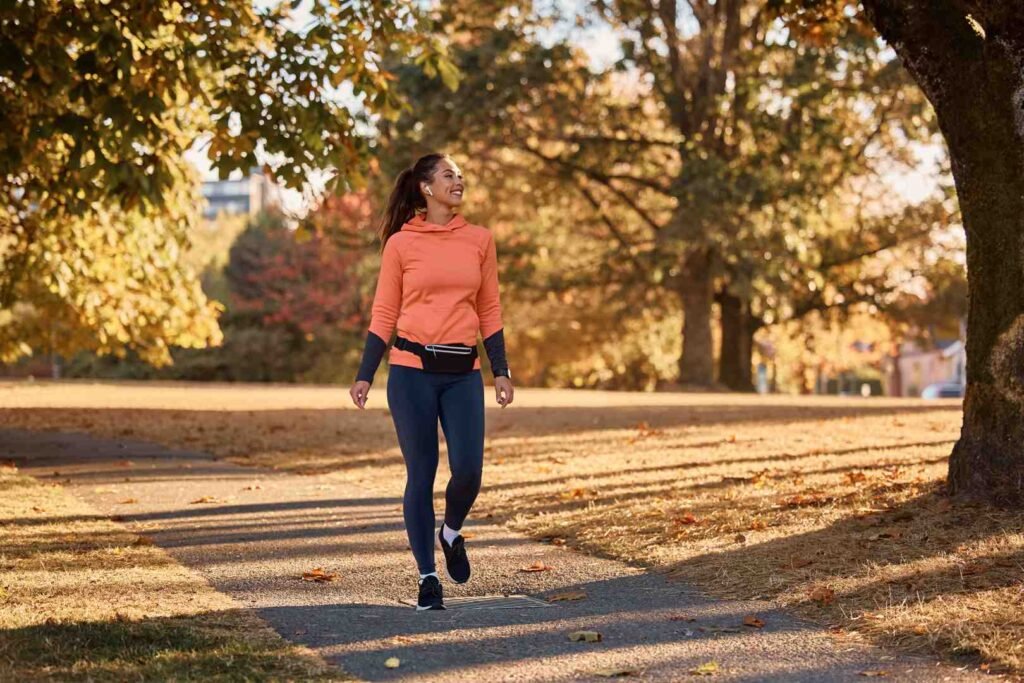
The Benefits of Walking Outdoors This Fall
Many women believe better cardiovascular health requires a gym, a treadmill, or a complicated setup, but a simple walk at home or outside can be a powerful place to begin. As a fitness specialist serving clients in Winona Lake, Indiana, and Warsaw, Indiana, I love the encouragement that you do not always need a gym or treadmill; you can walk at home when needed and step outside when the season invites you. Stepping outside for a walk gives you amazing benefits for your mind, heart, body, and soul.
As your body changes through each life stage, supporting functional strength and preserving mobility are essential. Walking outdoors delivers natural, low-impact aerobic exercise while gently challenging your balance, posture, and stabilizing muscles on varied terrain.
Consistent outdoor walking can support cardiovascular endurance, healthy blood sugar regulation, and a steadier mood through regular movement, natural light, and time outdoors. Mayo Clinic notes that regular walking can help support heart health, blood pressure, mood, memory, and sleep. Guidelines encourage adults to build moderate-intensity aerobic activity into the week, and brisk walking is one of the most practical ways to do that. Discover the Top 8 Benefits of Walking to understand how regular strides energize your whole body.
If you are dealing with joint stiffness or returning to movement after an injury, in-home personal training can help you progress with better pacing, form, and confidence. A Personalized Fitness Assessment can help identify your starting point, walking mechanics, and safest next steps for a routine tailored to your lifestyle.
Why Walking Outside Feels Different Than Treadmill Walking
Walking outside challenges your muscles, balance, and stride mechanics in ways that feel different from walking on a flat treadmill belt. When you walk outdoors, your hamstrings and glutes actively propel you forward across natural ground, engaging stabilizing muscles in your feet, ankles, and core with every stride.
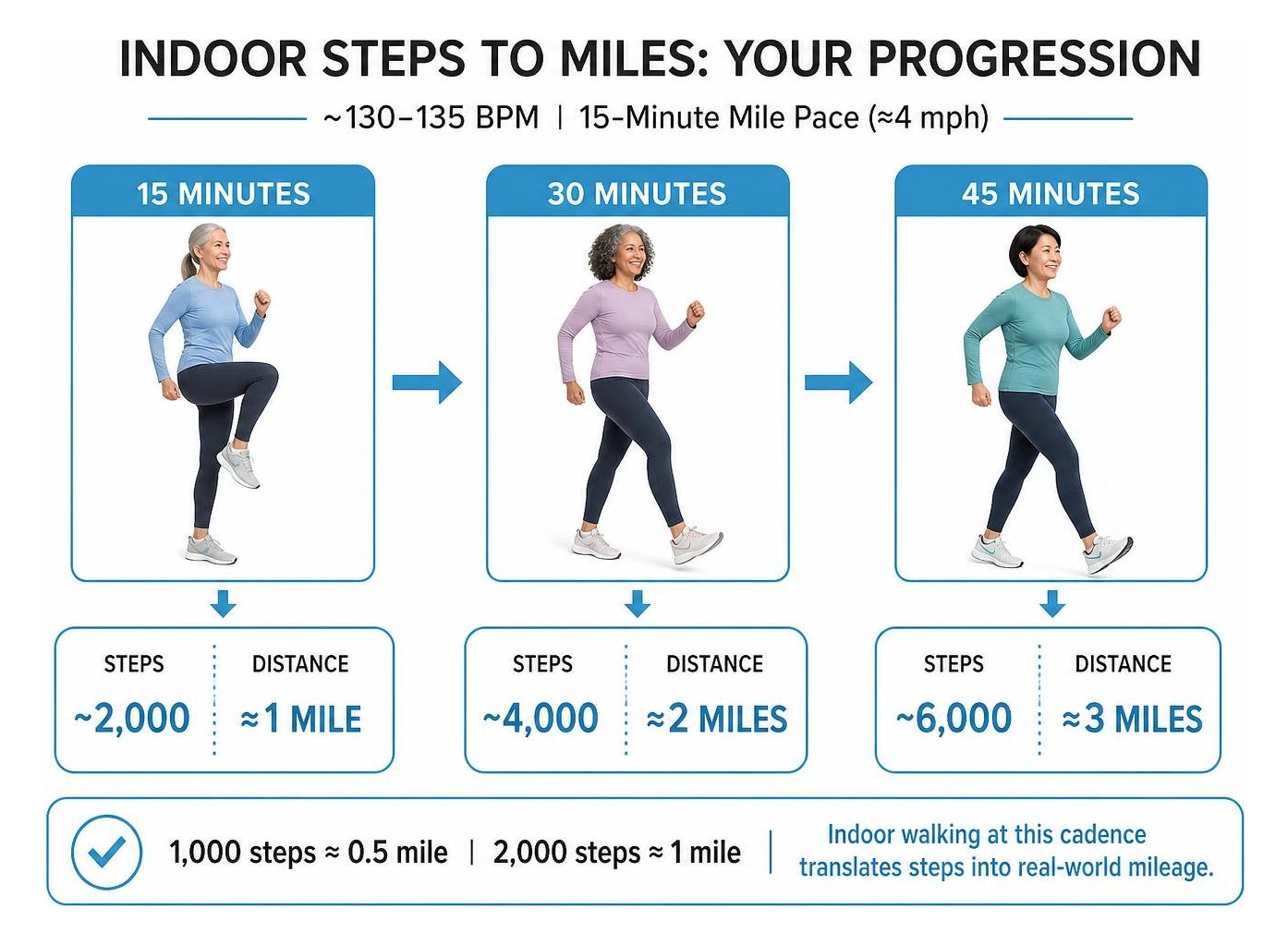
Outdoor walking naturally creates intervals through gentle hills, changing surfaces, curves, wind resistance, and pace adjustments. Gentle inclines, curving neighborhood paths, and varied surfaces naturally create an elevated heart rate without harsh impacts. To learn more about tracking your daily movement, review The Ultimate Guide To Daily Step Count For Health.
Gear You Need: Simple Outdoor Essentials
You do not need complicated gear to walk at home or outdoors with confidence. A simple setup is all it takes to enjoy a safe, invigorating walk right outside your door.
- Supportive Footwear: Choose athletic walking shoes with solid arch support and cushioning to protect your ankles and knees on pavement and packed trails.
- Layered Clothing: Wear breathable fabrics that allow comfortable movement and can be adjusted as your body warms up.
- Sun Protection & Hydration: Wear sunglasses or a visor to stay comfortable during longer active strolls. Hydrate adequately before you head out or carry a small water bottle.
For more accessible ways to build fitness without complex gym machines, check out our guide on No Gym No Problem Home Workouts For Beginners.
Simple Ways to Track Your Walk at Home or Outside
While stepping outside frees you from indoor machines, digital tools can help you track mileage, pace, and consistency. Try a watch that tracks your activity, a step counter, a wearable device, or keep a written walking journal to stay consistent with your walk at home or outdoors.
Using simple tracking tools alongside outdoor walking can help you stay accountable between in-home personal training sessions or personalized coaching check-ins:
- Route and Step Tracking: Wearable fitness devices and mobile apps monitor your distance, steps, and elevated heart rate in real time.
- Audio Prompts: Listening to timed intervals or guided walking tracks helps keep your cadence brisk and steady. Listen to a podcast or music to help keep your pace.
- Consistency Calendars: Scheduling your outdoor walks helps eliminate decision fatigue and establish a lasting routine. Schedule your walk, show up for yourself, and keep your promise to your health.
To discover how structured movement fits seamlessly into a busy schedule, explore A Basic Workout Program For Homebodies.
How to Transition From a Walk at Home Routine to Outdoor Walking
If you already walk at home, Fall is a natural time to bring that habit outdoors. The cooler air, softer sunlight, and changing scenery can make walking feel more refreshing and less repetitive. Instead of thinking of outdoor walking as a completely different workout, think of it as an extension of the movement routine you already know. You are still building endurance, supporting your joints, improving circulation, and creating a sustainable rhythm for your health.
A walk at home routine is especially helpful when your schedule is full, the weather is unpredictable, or you need a controlled environment. Outdoor walking adds another layer of benefit by introducing gentle changes in terrain, direction, pace, and visual focus. These small changes can help your body respond more naturally because you are adjusting to real-world movement instead of repeating the exact same pattern each time.
For women focused on active aging, this variety matters. Walking outside can support balance, posture, coordination, and confidence in everyday movement. Stepping over small cracks in the sidewalk, walking up a gentle hill, turning corners, or adjusting your stride on a leaf-covered path all require your body to stay alert and responsive. These subtle movements help reinforce functional strength for daily life.
The key is to transition gradually. If you normally walk at home for a set amount of time, begin with a similar outdoor walk on a smooth, familiar route. Choose a pace that allows you to breathe steadily and maintain good posture. As your confidence improves, you can add slightly longer routes, gentle inclines, or short intervals of brisk walking.
This is where in-home personal training can be especially valuable. A personalized coach can help you determine whether your walking posture, footwear, stride length, and pace support your current goals. Instead of guessing how far or how fast to walk, you can follow a plan that respects your body, your mobility, and your long-term health priorities.
Making Fall Walking Part of Your Weekly Wellness Plan
One of the best ways to stay consistent is to treat your Fall walking routine as part of your weekly wellness plan, not as an optional activity. A walk at home session may be ideal on busy mornings, while an outdoor walk may feel better in the afternoon when the air is crisp and energizing. Both options can work together to keep you moving regularly.
Start by choosing specific walking days and pairing them with something already in your routine. You might walk after breakfast, before lunch, after work, or before beginning your evening wind-down. This simple planning step reduces decision fatigue and makes walking feel like a natural part of your day.
You can also create a simple Fall walking goal based on consistency rather than intensity. For example, focus on walking several days per week, improving your posture, or completing a familiar route with more ease. These goals are supportive, sustainable, and easier to maintain than pushing too hard too soon.
If you notice discomfort, fatigue, or uncertainty about how to progress, in-home personal training can help you adjust your routine with expert guidance. With the right plan, walking outside can become more than seasonal exercise. It can become a steady foundation for strength, mobility, confidence, and lifelong wellness.
Why Fall Is the Perfect Season to Walk at Home Less and Step Outside More
Fall is one of the best seasons to shift from a walk at home routine to more outdoor walking because the cooler air, changing scenery, and comfortable pace can make consistency feel easier. The crisp autumn air can help you feel more comfortable during sustained movement compared with hotter summer conditions. Walking among changing leaves can create a calming sensory experience that supports stress relief, mood, and mental reset.

To build a consistent routine step by step, check out our Walk This Way Your Six Week Beginner Walking Workout Plan.
Progressing Your Outdoor Walking Routine
Once your daily outdoor walk feels easy, in-home personal training can help you safely increase challenge, build functional strength, and improve endurance. Higher-impact physical activities should always be framed as long-term goals to be progressed toward safely.
- Interval Cadence: Alternate between two minutes of moderate walking and one minute of brisk power walking to stimulate your cardiovascular system.
- Gentle Incline Walks: Incorporate slight neighborhood hills to strengthen your glutes, hamstrings, and calves without stressing your joints.
- Posture and Core Focus: Keep your shoulders relaxed and gently engage your core while walking to support your lower back.
To learn more about the therapeutic benefits of open-air movement, read about the 5 Benefits Of Outdoor Exercise and explore our tips on 7 Ways To Stay Motivated On Your Spring Journey to maintain your momentum year-round.
Frequently Asked Questions About Walking Outside
Can walking outside replace a treadmill workout or gym session?
Walking outside can be an excellent alternative to treadmill walking because it supports cardiovascular fitness while adding natural variety, balance challenges, and fresh-air benefits. You naturally engage your posterior chain, improve balance across uneven ground, and enjoy the mental boost of fresh air—all without needing a gym or treadmill at home.
Is outdoor walking safe for active aging and sensitive joints?
Outdoor walking is one of the most practical, joint-friendly forms of movement for many adults focused on active aging. You can choose smooth, level paths, wear well-cushioned shoes, and walk at a comfortable pace that protects your knees and hips while building joint stability.
When should I transition from independent walking to personalized fitness coaching?
If you experience persistent joint discomfort, want to progress safely, or feel stuck in your stamina, in-home personal training can help you adjust your walking routine with expert guidance. Read our guide on 5 Ways To Maintain Fitness Motivation to discover how specialized instruction can help you reach your goals.
Conclusion
Embracing outdoor walking is one of the most refreshing and sustainable habits you can build for your spirit, mind, and body. You do not need a gym or bulky home treadmill to stay active; a consistent walk at home or outside can support active aging, joint-friendly movement, and renewed daily energy.
At Personalized Fitness For You, I offer Whole-istic supportive guidance tailored to your goals as your body changes through different seasons of life. Whether you want to improve your walking stamina, rebuild strength, or strengthen after surgery or add functional movement to your routine, I am here to help. You can train with Joy at the studio in Winona Lake, Indiana, or connect through our live virtual wellness coaching available throughout the continental United States.
Ready to make walking safer, more consistent, and more effective this Fall? Contact Personalized Fitness For You today to schedule a personalized fitness assessment. Whether you are in Winona Lake, Warsaw, or training virtually from home, schedule a consultation with Personalized Fitness For You to build a walking routine that supports lifelong health.
Be encouraged today! Reach out-I am ready whenever you are!
Ecclesiastes 3:1: “For everything there is a season, and a time for every matter under heaven”