

Essential Nutritional Profile and Health Benefits of Pumpkin Seed
When exploring the health benefits of pumpkin seed, nutrition is the best place to start: a small serving provides plant-based protein, healthy fats, magnesium, zinc, and other important nutrients. Whole pumpkin seeds and shelled pepitas both provide protein, unsaturated fats, fiber, vitamins, and minerals, although their nutritional profiles differ. A standard 1-ounce serving (about 28 grams) of shell-free seeds delivers approximately 7 to 8.5 grams of high-quality plant protein. This makes pumpkin seeds a useful plant-based protein option that can contribute to overall protein intake as part of a balanced eating pattern.
Beyond protein, pumpkin seeds are loaded with healthy unsaturated fatty acids, primarily polyunsaturated and monounsaturated lipids such as linoleic and oleic acids. Pumpkin seeds also contain plant sterols and antioxidant compounds that may help protect cells from oxidative stress. To learn more about how dietary choices impact daily energy and longevity, read the Cleveland Clinic dietary guide on pumpkin seeds.
If translating nutrition information into consistent habits feels challenging, personalized health coaching can help connect food choices, movement, and realistic wellness goals.
Key Micronutrients Supporting Cellular Energy and Immunity
For active women navigating shifting hormonal landscapes and active aging, maintaining muscle strength, cellular energy, and robust immune defenses is a top daily priority. Pumpkin seeds excel as a magnesium powerhouse. One single ounce provides about 150 mg of magnesium, which accounts for roughly 37% of the recommended daily value. NIH data indicate that 48% of Americans consume less magnesium from foods and beverages than their Estimated Average Requirement.
Magnesium plays an indispensable role in over 300 biochemical reactions in the human body. It works directly to support energy production, muscle recovery, and nerve function, helping you stay active and comfortable through every season of life. Pumpkin seeds also provide zinc and iron, two minerals involved in normal immune function and oxygen transport. Use one consistent serving size—preferably 1 ounce—when comparing magnesium, zinc, iron, protein, and fiber throughout this article.
To read deeper scientific insights into these cellular mechanisms, explore the Medical News Today analysis of pumpkin seed benefits. You can also Learn how hydration supports whole-istic wellness to complement your nutrient intake with optimal fluid balance.
Shelled Pepitas vs Whole Seeds: Fiber and Digestion
When selecting seeds at your local market in Warsaw, Indiana, or Winona Lake, Indiana, you will likely choose between whole white pumpkin seeds with their outer shells intact and shell-free green pepitas. Both forms contribute to the health benefits of pumpkin seed, but their fiber content, texture, and culinary uses differ.
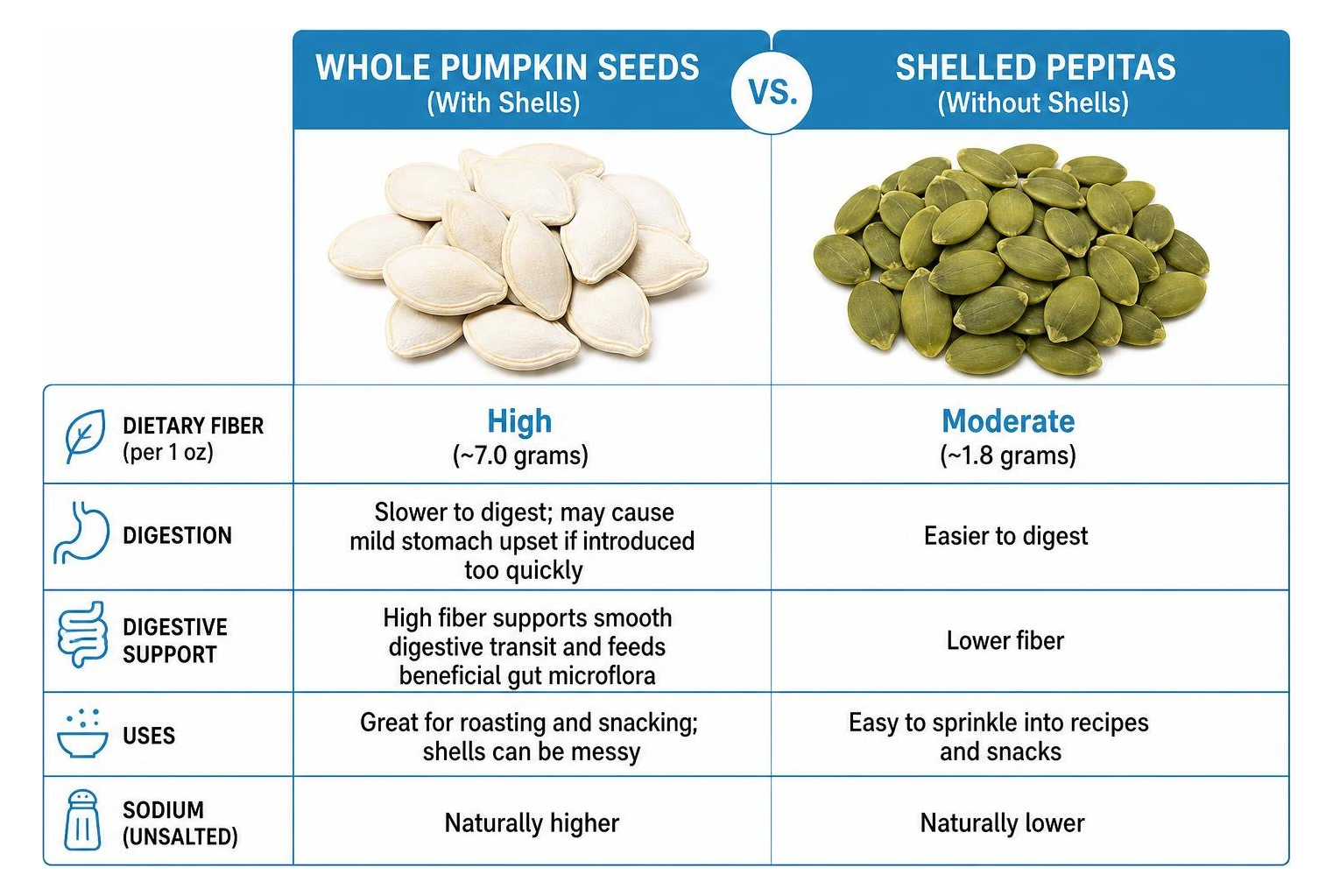
Whole pumpkin seeds retain the outer hull and generally provide more fiber than shelled pepitas; use a verified nutrition source for the exact amount listed here. This high fiber count supports smooth digestive transit and feeds beneficial gut microflora. However, whole shells can sometimes be tricky for sensitive digestive tracts or cause mild stomach upset if introduced too rapidly. Sodium varies primarily according to whether the seeds are salted or seasoned, so choose unsalted varieties when sodium intake is a consideration.
| Nutrient or Feature | Whole Pumpkin Seeds (With Shells) | Shelled Pepitas (Without Shells) |
|---|---|---|
| Dietary Fiber (per 1 oz) | High (~7.0 grams) | Moderate (~1.8 grams) |
| Plant Protein (per 1 oz) | ~5.0 to 7.0 grams | ~7.0 to 8.5 grams |
| Digestibility | Requires thorough chewing; can irritate sensitive guts | Easily digested and gentle on the stomach |
| Sodium Consideration | Commercially roasted shells are often heavily salted | Best bought raw or unsalted for sodium control |
| Best Culinary Use | Slow-roasted whole fall snacks | Smoothies, salads, oatmeal, and seed butters |
To discover additional whole-food snack ideas that fuel your body without triggering digestive stress, Explore clean eating snacks for sustained vitality.
Systemic Wellness: Heart, Blood Sugar, and Cellular Support
Understanding the broad systemic health benefits of pumpkin seed allows us to see how a simple daily handful supports long-term metabolic health. Their combination of magnesium, unsaturated fats, protein, fiber, and antioxidant compounds may support several aspects of cardiovascular and metabolic health.
Heart and Glycemic Health Support
Cardiovascular wellness depends heavily on maintaining smooth arterial blood flow, balanced blood pressure, and healthy cholesterol profiles. Pumpkin seeds contribute directly to these cardiovascular goals. Magnesium plays established roles in normal muscle, nerve, glucose, and blood-pressure regulation, and pumpkin seeds are a rich dietary source of magnesium. In a small 12-week randomized pilot study of postmenopausal women, 2 grams per day of pumpkin seed oil was associated with increased HDL cholesterol and lower diastolic blood pressure compared with baseline measurements.
For women watching their blood sugar and aiming to lower their glycemic response, pumpkin seeds offer outstanding support. Their rich combination of protein, healthy monounsaturated and polyunsaturated fats, and fiber helps slow down gastric emptying. Pairing carbohydrate-rich foods with sources of protein, fat, and fiber can create a more balanced meal; however, the evidence should not be presented as proof that pumpkin seeds themselves prevent blood-sugar spikes. Observational research has associated higher dietary magnesium intake with a lower risk of type 2 diabetes, but that finding should not be interpreted as evidence that pumpkin seeds alone prevent diabetes.
To explore additional expert perspectives on cardiovascular nutrition, review the Dartmouth Health cardiovascular insights on pumpkin seeds. You can also Discover how clean eating combats systemic inflammation to see how anti-inflammatory foods support your joint comfort and daily energy.
Bladder, Cellular, and Systemic Health Benefits of Pumpkin Seed
Beyond heart and blood sugar management, pumpkin seeds offer targeted cellular benefits. They contain specialized plant sterols alongside lignans and carotenoids. Pumpkin seeds contain plant compounds including lignans, phytosterols, and carotenoids that continue to be studied for their biological effects. Research has explored associations between lignan-containing foods and health outcomes, but current evidence does not justify presenting pumpkin seeds as protection against hormone-sensitive disease.
Small studies have investigated pumpkin seed oil extracts for symptoms of overactive bladder, but the evidence remains preliminary. Research on pumpkin seed extracts has reported possible improvements in overactive-bladder symptoms, but the mechanism and clinical significance require further study. To read more about the therapeutic applications of these bioactives, examine the Bentham Science research on pumpkin seed nutraceuticals.
Sleep, Joint Comfort, and Preparation Guidelines

Restorative sleep and comfortable joint mobility are essential components of active aging. Pumpkin seeds contain magnesium and tryptophan, nutrients involved in normal nervous-system and sleep-related biochemical pathways.
Sleep Quality and Mood Benefits of Pumpkin Seed
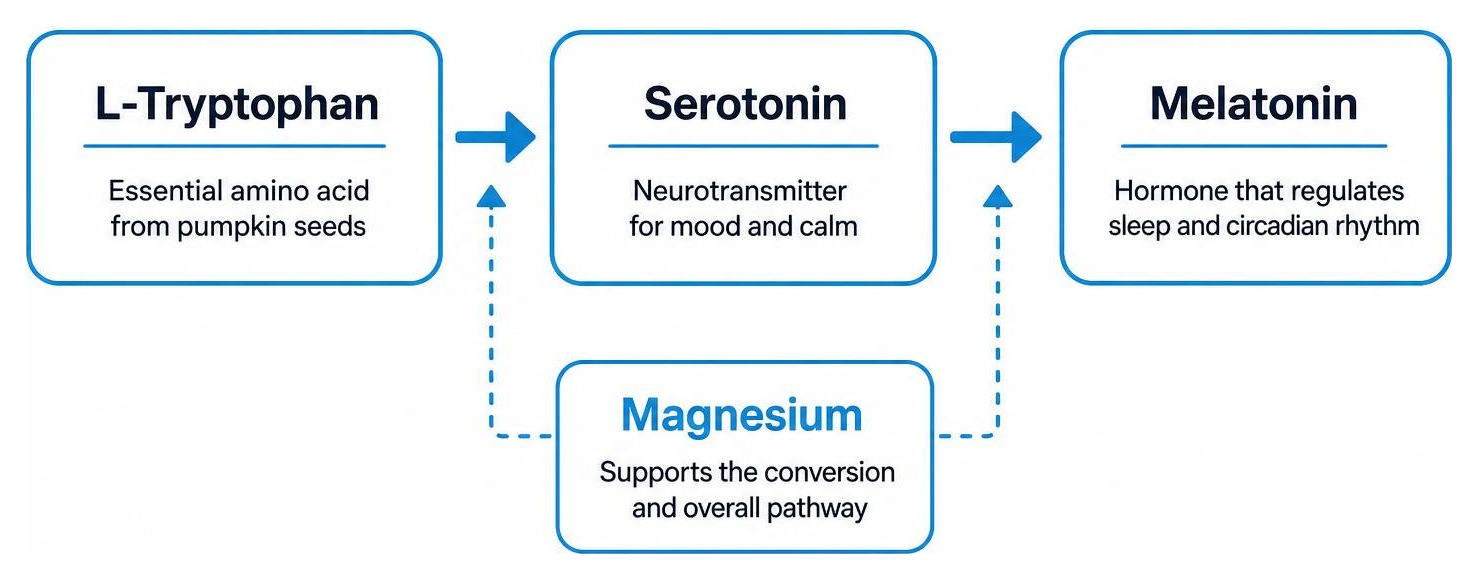
If you ever struggle to quiet your mind at night, pumpkin seeds might become your favorite evening snack. Pumpkin seeds contain tryptophan, an essential amino acid that serves as a precursor in serotonin and melatonin synthesis. Serotonin is a biochemical precursor used by the body in the production of melatonin.
A single 1-ounce serving of pumpkin seeds delivers roughly 0.16 grams of tryptophan. Pumpkin seeds can be included as part of a balanced evening snack, although evidence is not strong enough to describe an ordinary serving as a treatment for sleep problems. To build a balanced evening habit, try pairing a small handful of seeds with a small piece of fruit, such as tart cherries or half an apple. To deepen your overall stress management practices, Learn about stress management strategies and Read our beginner’s guide to chia seeds for more seed-based dietary inspiration.
Roasting Tips, Portion Sizes, and Side Effects
Preparing pumpkin seeds at home is simple and allows you to control salt, oil quality, and roasting temperatures. Gentle roasting can produce a crisp texture without requiring high heat; avoid claiming that one roasting temperature maximizes antioxidant availability unless a specific source supports it.
- Clean and Dry: Rinse fresh pumpkin seeds thoroughly in a colander to remove pulpy strings, then pat them completely dry with a towel.
- Season Gently: Toss 1 cup of dry seeds with 1 tablespoon of extra virgin olive oil or avocado oil. Add warm, anti-inflammatory spices like turmeric, ginger, black pepper, garlic powder, or cinnamon.
- Slow Roast: Spread the seeds in a single layer on a baking sheet lined with parchment paper. Roast in the oven at 250°F (121°C) for approximately 45 to 60 minutes, stirring occasionally until light golden brown and crisp.
Food preparation can alter phytate levels, but the effect varies by food and method; remove the claim that slow roasting specifically increases zinc and magnesium absorption unless supporting pumpkin-seed research is provided.
Although the health benefits of pumpkin seed make it a nutritious addition to many eating patterns, portion size and individual tolerance still matter. Pumpkin seeds are energy-dense, containing roughly 150 to 170 calories per ounce. Eating large amounts too quickly—especially unshelled varieties—can introduce too much fiber at once, leading to digestive discomfort, gas, or mild bloating. Aim for a daily serving size of about 1 ounce (roughly 1/4 cup or a small handful) to gain their total nutritional value while keeping portions comfortable and appropriate for your overall eating pattern. To discover refreshing ways to toss roasted pepitas onto vibrant meals, Discover refreshing summer salad recipes.
Frequently Asked Questions About Pumpkin Seeds
Are pumpkin seeds healthy to eat every day?
For most people, pumpkin seeds can be included regularly as part of a balanced eating pattern. A standard portion size of 1 ounce (about 1/4 cup) daily delivers consistent plant-based protein, healthy fats, magnesium, and zinc without overloading your daily intake with excess calories. Unsalted or lightly seasoned varieties can be useful when you want to limit added sodium.
What is the difference between pumpkin seeds and pepitas?
While the terms are often used interchangeably, there is a clear distinction. “Pumpkin seeds” generally refers to the whole white seeds harvested directly from standard carving pumpkins, complete with their tough outer shell. “Pepitas” (a Spanish phrase meaning “little seeds of squash”) are smooth, green, hull-less seeds that grow naturally without a hard white shell inside specific pumpkin varieties, such as Styrian pumpkins. Pepitas are tender, easily digestible, and perfect for quick kitchen preparation.
How do pumpkin seeds support sleep regulation?
Pumpkin seeds naturally support restful sleep routines through a powerful combination of L-tryptophan and magnesium. L-tryptophan is an amino acid that your body converts first into serotonin—the neurotransmitter responsible for mood stability and relaxation—and then into melatonin, which controls your sleep cycles. Magnesium contributes to normal nerve and muscle function, while tryptophan participates in pathways involved in serotonin and melatonin production.
Conclusion
The health benefits of pumpkin seed fit well within a whole-istic approach to nutrition: pumpkin seeds provide protein, unsaturated fats, magnesium, zinc, and other nutrients in a versatile food. From supporting muscle function and immunity with essential magnesium and zinc to encouraging heart health, steadier blood sugar, and restorative sleep, these nutrient-dense seeds demonstrate how powerful simple whole foods can be. As your body changes across different seasons of life, establishing gentle, nutrient-dense nutrition habits can make a profound difference in your strength, mobility, and daily vitality.
At Personalized Fitness For You, we believe that true wellness involves nourishing your spirit, mind, and body without shame, extreme diets, or overly aggressive fitness trends. Movement goals and lifestyle changes are more sustainable when they reflect your health history, abilities, preferences, and daily schedule.
Ready to turn healthy choices into habits that fit your life? Personalized Fitness For You combines individualized health coaching, movement support, and practical wellness strategies around your goals, abilities, and daily routine. Contact Joy today to start your personalized wellness plan.