
Understanding Exercise and Osteopenia: Your Path to Stronger Bones
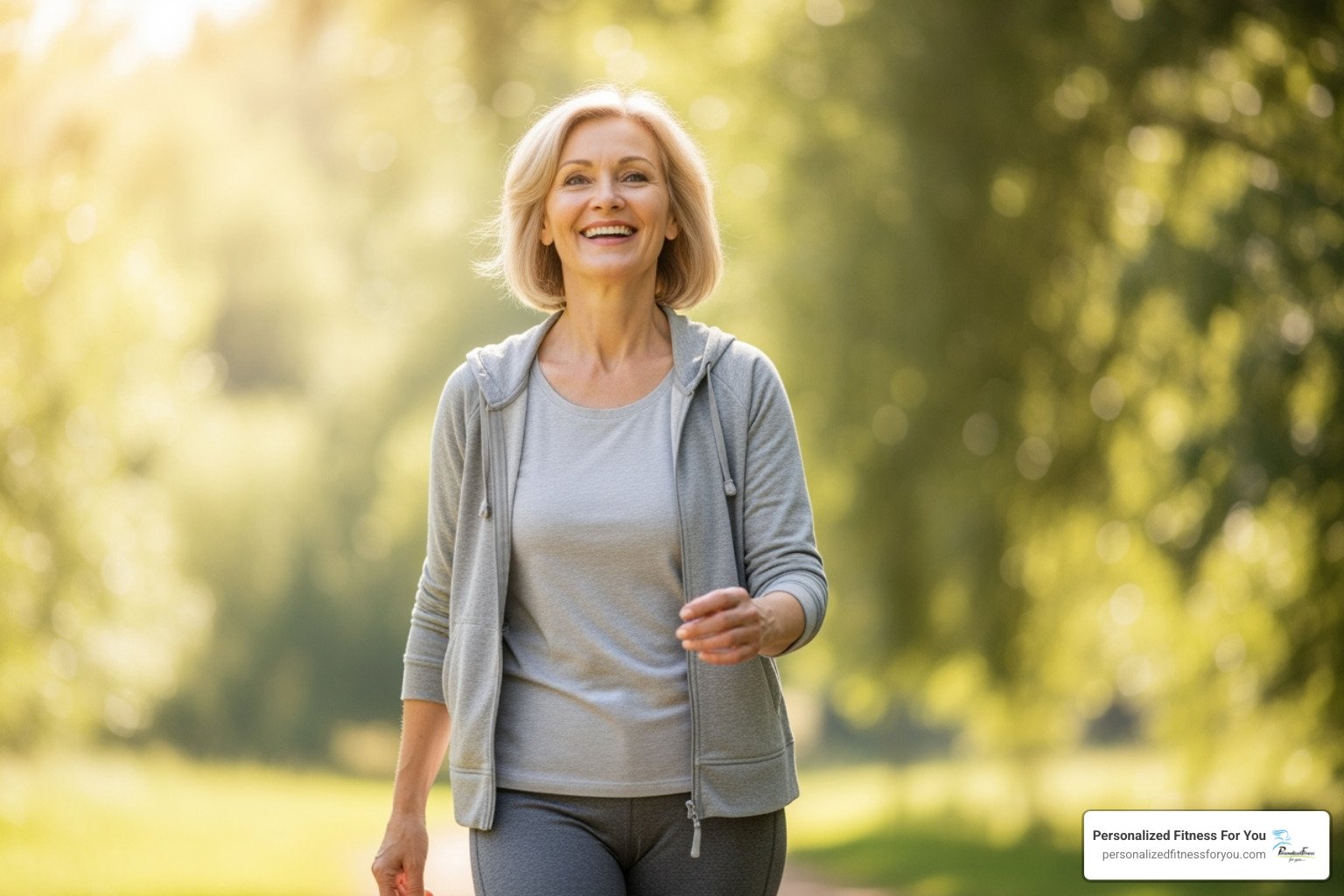
Exercise and osteopenia is a combination that can change your bone health trajectory. If you’ve received an osteopenia diagnosis, you’re not alone, and you have more control than you might think. Osteopenia means your bones have lower density than normal, but not low enough to be classified as osteoporosis. Think of it as an early warning signal and your opportunity to take action before bone loss progresses.
Your bones are living tissue that responds to the stress of movement. By performing weight-bearing activities, resistance training, and balance exercises, you stimulate the cells that build new bone. A consistent program combining these elements can reduce the odds of falls resulting in fractures by more than 60%. The key is choosing the right exercises, as not all movement benefits bone density equally. Activities like swimming and cycling, while great for cardio, don’t provide the bone-building stimulus your skeleton needs.
As your body changes through midlife and beyond, bone, muscle, and balance naturally decline. Without intervention, these changes accelerate. The solution is a consistent and correct approach to exercise.
I’m Joy Grout, and over my 20 years in fitness, I’ve helped countless women navigate exercise and osteopenia with personalized programs. My approach is whole-istic, combining evidence-based exercise with overall wellness to build strong bones through sustainable habits.
This guide will walk you through what you need to know to create an effective exercise program for osteopenia. You’ll learn which exercises build bone density, how often to do them, what to avoid, and how to start safely. You’ll find practical, actionable steps to take control of your bone health.
Understanding Osteopenia: The First Step to Stronger Bones
An osteopenia diagnosis is your body’s early warning system. It means your Bone Mineral Density (BMD)—the amount of mineral content packed into your bones—has dropped below normal, but you haven’t crossed into osteoporosis territory. While our bodies naturally break down bone faster than they rebuild it as we age, osteopenia indicates this process has progressed to a point where your bones are weaker than optimal.
Bone density is measured with a quick, painless DXA scan, which focuses on your spine, hip, and wrist. The result is a T-score, which compares your bone density to that of a healthy young adult. A T-score between -1.0 and -2.5 indicates osteopenia, while -2.5 or below is classified as osteoporosis.
For women, bone health is especially important as our bodies change through midlife. Hormonal shifts, including a natural decline in estrogen, can accelerate bone loss. However, with targeted exercise and osteopenia management, you can significantly improve your bone health trajectory.
Osteopenia vs. Osteoporosis
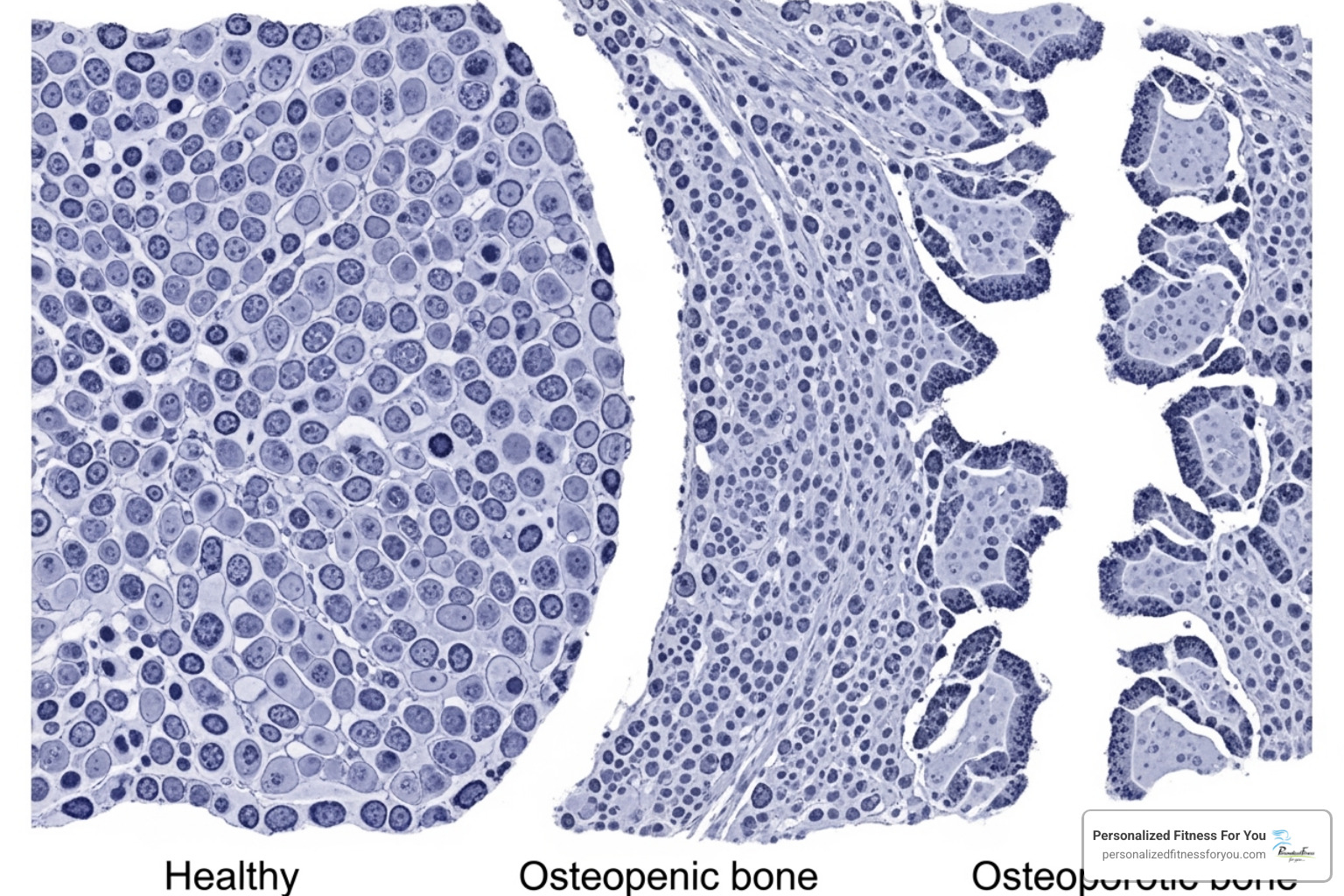
Knowing the difference between these two conditions helps you understand what your bones need. Both involve reduced bone density, but they represent different stages of bone loss.
| Condition | T-score Range | Characteristics | Fracture Risk |
|---|---|---|---|
| Normal Bone | -1.0 or above | Bone density is within the normal range. | Low risk. |
| Osteopenia | -1.0 to -2.5 | Bone density is lower than normal. This is your chance to prevent progression. | Increased risk. |
| Osteoporosis | -2.5 or below | Bone density is significantly low; bones are porous and fragile. | High risk, even from minor falls. |
With osteopenia, your primary goal is prevention. You have more flexibility in your exercise choices and can often include moderate-impact activities because your fracture risk is still manageable. With osteoporosis, the approach becomes more cautious. The focus shifts to safety, fall prevention, and maintaining existing bone density, as bones are much more fragile.
Acting on an osteopenia diagnosis is your opportunity to change course. By embracing exercise and osteopenia strategies now, you are actively working to prevent a future where fractures from events like hip fractures—which can lead to a loss of independence—become a major concern. This is your moment to take control.
Why Movement is the Key to Managing Bone Density
Your bones are living tissues that constantly adapt. By the principles of Wolff’s Law, bone remodels and strengthens in response to the forces you put through it. When you do weight-bearing and resistance exercise, you stimulate osteoblasts (the body’s bone-building cells) to lay down new tissue, increasing density and strength.
Movement also combats sarcopenia, the age-related loss of muscle mass. Strong muscles are crucial as they support your skeleton, improve posture, and act as shock absorbers, protecting your bones. Without intervention, you can lose a significant amount of muscle mass each year as your body changes.
Crucially, exercise is key for fall prevention. Balance can decline with age, but you can counteract this. Research shows that programs combining balance, strength, and resistance training can reduce the odds of falls resulting in fractures by more than 60%. This is vital when managing lower bone density.
Beyond the physical, regular movement boosts mood, reduces stress, and improves cognitive function. This whole-istic approach to wellness is what makes exercise such a powerful tool for managing osteopenia and maintaining your independence. You’re not just maintaining your skeleton; you’re building a foundation for a vibrant life.
The Three Pillars of a Bone-Building Exercise Program
An effective exercise and osteopenia program rests on three pillars: weight-bearing exercise, resistance training, and balance work. Together, they stimulate bone growth, strengthen supporting muscles, and reduce your fall risk, creating a powerful strategy for stronger bones.
Pillar 1: Weight-Bearing Exercises
These are activities where you work against gravity on your feet, which signals your bones to become denser. Focus on:
- Low-Impact Options: These are gentle on joints and safe for most. Examples include brisk walking (adding faster bursts), elliptical training, stair climbing, dancing, and even standing gardening activities.
- Moderate-Impact Options (with caution): Activities like jogging or jumping jacks create higher impact forces that can be beneficial, but they require professional guidance, especially if you have a history of fractures. They should only be considered if your bone density allows.
Pillar 2: Resistance Training
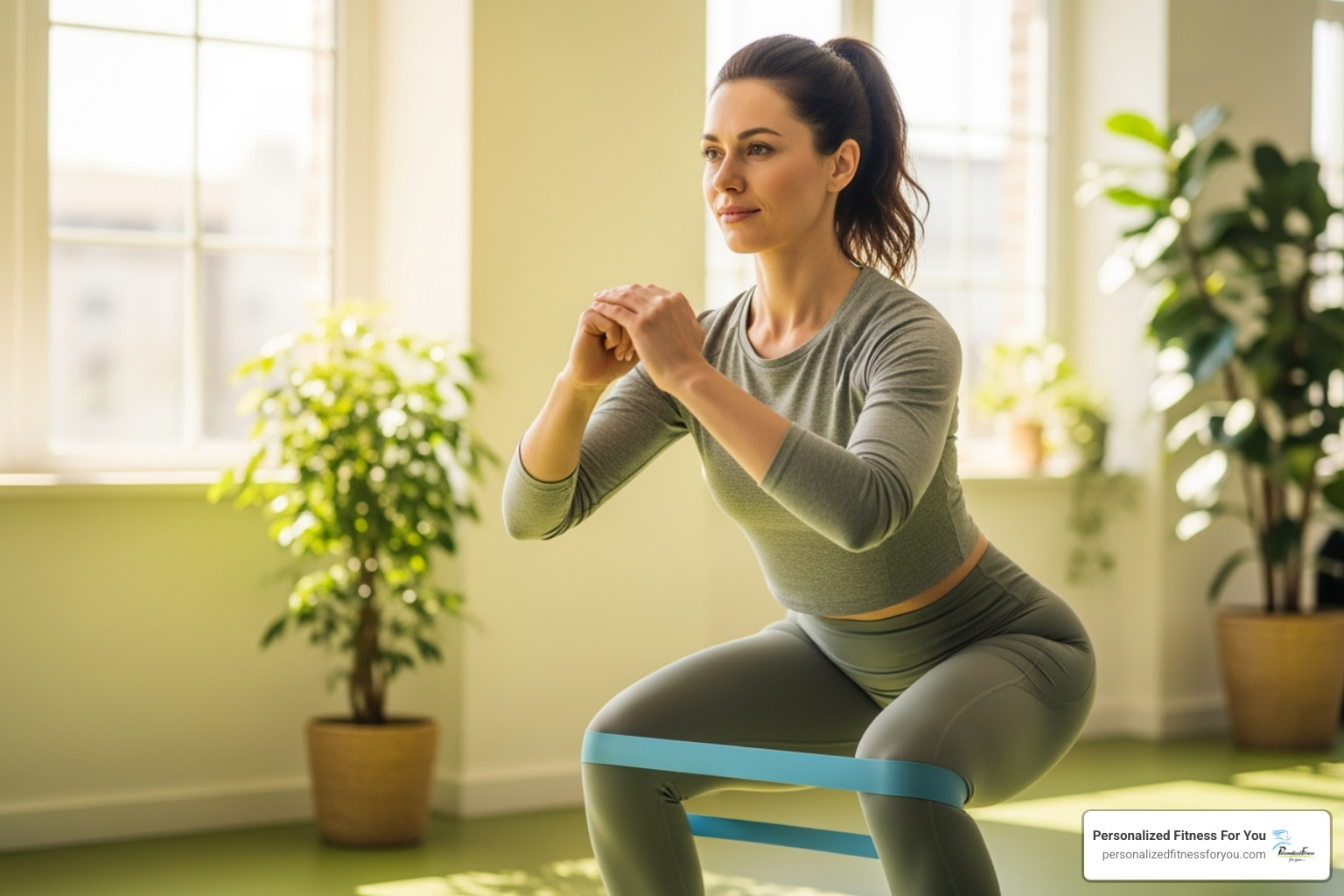
Strengthening muscles is essential, as they pull on bones and signal them to rebuild. This is guided by progressive overload—gradually increasing the challenge over time. You can use body weight, resistance bands, or free weights. Key exercises include:
- Chair Squats: Strengthens hips and legs. Sit on a chair’s edge, then stand up without using your hands, and slowly sit back down.
- Wall Push-ups: Builds strength in the chest, shoulders, and arms, and provides weight-bearing through the wrists.
- Lunges: Excellent for leg and hip strength.
- Dumbbell Rows: Strengthens upper back muscles to improve posture.
Aim for a weight that allows you to complete 8-12 repetitions with good form for 2-3 sets. Rest for a day between sessions for the same muscle group.
Pillar 3: Balance and Stability
Balance work is non-negotiable for fall prevention. A strong core, which is central to stability, prevents falls and helps you recover from a stumble. Practice daily with simple but effective exercises:
- Single-Leg Stands: Stand on one leg for 30 seconds, using a countertop for support if needed. Switch legs.
- Heel-to-Toe Walking: Walk in a straight line, placing the heel of one foot directly in front of the other’s toes.
- Modified Pilates Movements: Great for balance and core strengthening.
Even a few minutes of daily balance work can significantly improve your stability and confidence.
Your Weekly Blueprint for Exercise and Osteopenia
Having a clear plan makes managing exercise and osteopenia much simpler. A good framework uses the FITT principle: Frequency (how often), Intensity (how hard), Time (how long), and Type (what kind of exercise).
- Weight-Bearing Exercise: Aim for 30 minutes on most days of the week. You can break this into shorter 10-minute sessions. The goal is to be upright and moving against gravity regularly.
- Muscle-Strengthening: Perform 2-3 days per week, with at least one rest day between sessions for the same muscle groups. A 20-30 minute session focusing on major muscle groups is effective.
- Balance Exercises: Practice these daily. Even a few minutes while waiting for coffee can make a difference.
- Spinal sparing: Practicing throughout your day the hip hinge is important for your spine. For example, Learning how to pick up items off the floor with a proper hinge will protect your spine.
- Cardio-respiratory exercise is important for your heart, lungs and balance. 3-6x a week will help strengthen your body. A brisk walk can be a great way to include cardio in your day.
To gauge intensity, use the “talk test”: during moderate-intensity activity, you should be able to talk but not sing. Consistency matters more than perfection. Choose activities you enjoy to stay motivated for the long term.
Movements to Modify or Avoid
While exercise is key, some movements can increase fracture risk. The goal is to strengthen, not strain. Be mindful of the following:
- Spinal Flexion: Avoid forward-bending movements like traditional crunches or toe touches, which compress the vertebrae. Instead, bend from the hips with a straight, neutral spine (a hip hinge).
- Loaded Twisting: Rapid, forceful twisting at the waist, especially with weight, puts dangerous stress on the spine. Opt for controlled, deliberate rotational movements.
- High-Impact Jarring: Activities with hard, repetitive pounding may be too much for bones with lower density. Low-impact exercises are a safer foundation for your program.
Always listen to your body. Sharp pain is a signal to stop and reassess.
A Whole-istic Approach to Exercise and Osteopenia
Exercise is essential, but a whole-istic approach includes nutrition and lifestyle. Your bones need the right raw materials to rebuild.
- Nutrition: Ensure you get enough Calcium (from dairy, leafy greens, fortified foods) and Vitamin D (from sunlight and supplements) to help absorb calcium. Protein is also vital for both the muscle and bone matrix. A balanced diet provides other important micronutrients.
- Lifestyle Factors: Smoking significantly accelerates bone loss, so quitting is a powerful step. Excessive alcohol intake interferes with calcium absorption and should be avoided.
- Proper Footwear: Supportive, well-cushioned shoes are important for weight-bearing activities to reduce joint stress and help you maintain proper form.
Integrating these elements with your exercise and recent osteopenia diagnosis creates a multi-faceted strategy for lasting health.
Frequently Asked Questions about Exercise and Osteopenia
Let’s address some common questions about exercise and osteopenia to give you clarity and confidence.
How is exercise for osteopenia different from osteoporosis?
With osteopenia, your fracture risk is lower than with osteoporosis, allowing for more flexibility in your exercise choices. You can often include some moderate-impact activities (with guidance) to focus on prevention and building bone density. Exercise for osteoporosis is more cautious, prioritizing safety and fracture prevention with low-impact movements and strict avoidance of risky motions like spinal flexion. Osteopenia is your window of opportunity to build strength and prevent progression.
Can I reverse osteopenia with exercise?
Exercise can slow, stop, and in some cases, modestly improve bone density. While a complete reversal isn’t guaranteed for everyone, the true power of an exercise and osteopenia program is preventing further bone loss and reducing your risk of progressing to osteoporosis. By building strength and improving balance, you are creating a more resilient body and setting yourself up for an active, vibrant life, which is a powerful outcome.
When should I see a professional before starting an exercise program?
Always consult your healthcare provider after an osteopenia diagnosis before starting a new exercise program. We also highly recommend working with a physical therapist or a certified personal trainer experienced in bone health. This is especially important if you have other health conditions, a history of falls, are new to exercise, or are unsure about proper form. A qualified professional can design a safe, effective, and personalized program for your needs.
For expert guidance, explore our personalized in-person training at our Winona Lake studio or our convenient virtual training programs. We are here to support you on your bone health journey.
Conclusion: Taking Control of Your Bone Health Journey
By learning how exercise and osteopenia work together, you’ve taken a powerful step toward taking control of your bone health. This diagnosis is not a limitation; it’s an opportunity to make choices today that will strengthen your foundation for tomorrow. You have the tools—weight-bearing movement, resistance training, and balance work—to actively invest in your strength and independence.
Your bones are alive and responsive. Consistent, appropriate exercise helps you build a more resilient body and the confidence to live a vibrant life. But information alone isn’t enough. You need a plan that fits your unique life, body, and circumstances.
At Personalized Fitness For You, our whole-istic approach means we create sustainable fitness solutions that honor where you are now and guide you where you want to be. We understand how recent diangnosis can feel at first, remember you don’t have to figure this out alone or worry if you’re moving safely. We offer expert guidance and personalized programs, whether you prefer in-person training at our Winona Lake studio or the flexibility of virtual training.
Your osteopenia diagnosis is the beginning of taking charge. It’s your chance to build stronger bones and invest in your long-term wellness.
Ready to start building your stronger foundation? Contact Joy today and create your personalized plan for bone health. Your journey to stronger bones begins with one conversation. Let’s have it!


