

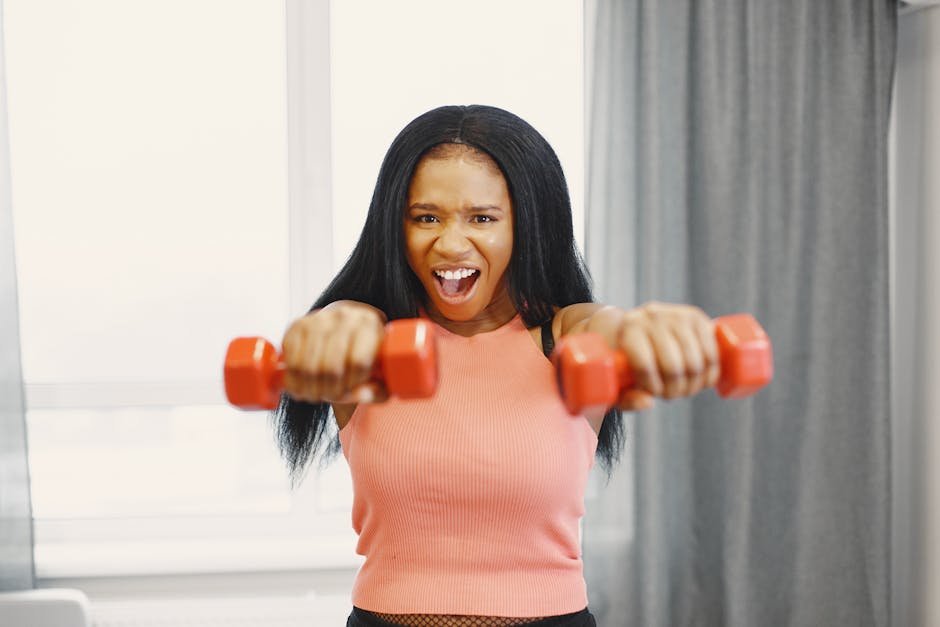
Why Your Bones Deserve Your Attention
Osteopenia strength training is resistance exercise designed to slow bone loss and improve bone mineral density by placing controlled stress on your bones. It’s essential for managing osteopenia—a condition where bone density is lower than normal but not yet at the level of osteoporosis. This type of training stimulates bone-building cells, strengthens muscles that support your skeleton, and improves balance to reduce fall risk.
Often called a “silent condition,” osteopenia may not be apparent until a bone density scan reveals a T-score between -1.0 and -2.5. This score is an early warning, signaling a crucial opportunity to take action. The good news is that your bones are living tissue. When you challenge your muscles with strength training, they pull on your bones, signaling them to become stronger and denser. This powerful process can help you maintain or even improve bone density as your body changes.
I’m Joy Grout, a certified personal trainer and Bone Health and Osteoporosis Instructor with over 20 years of experience. I am passionate about guiding women through safe, effective osteopenia strength training programs that build confidence and stronger bones. At Personalized Fitness For You, I create individualized routines to help you build resilience for tomorrow.
Understanding your bone health begins with a bone mineral density (BMD) scan, or DXA scan. The resulting T-score compares your bone density to that of a healthy young adult, with a score between -1.0 and -2.5 indicating osteopenia [NIAMS, 2023]. Knowing your score is the first step toward protecting your skeletal health. For more on this diagnostic tool, explore our guide on What is a Bone Density Scan?.
The Bone-Building Power of Strength Training
Your bones are alive, constantly breaking down and rebuilding in a process called bone remodeling. As your body changes, especially around midlife, this balance can shift, with bone breaking down faster than it rebuilds. This is where osteopenia strength training becomes a powerful tool to tip the scales back in your favor.
Strength training is uniquely effective due to a process called mechanotransduction. When your muscles contract during resistance exercises, they pull on your bones. This mechanical stress is detected by specialized bone cells, which then signal bone-building cells (osteoblasts) to create new bone tissue. Your bones get stronger when you give them work to do. Scientific research confirms that resistance training is one of the most potent stimuli for bone adaptation we have, as shown in a systematic review on the effects of resistance exercise on bone health.
But osteopenia strength training offers more than just building bone density. It creates a cascade of benefits that protect your skeletal health. Progressive resistance training can preserve and even increase bone mineral density in critical areas like the spine and hip. At the same time, it builds stronger muscles, which provide better support for your skeleton and improve posture. Many exercises also improve balance and proprioception—your body’s awareness in space. This combination of stronger bones, supportive muscles, and better balance is your best defense against falls and the fractures that can dramatically impact your independence.
For a deeper understanding of how different types of exercise specifically impact bone density, we invite you to explore our article on Exercise for Bone Density.
Your Guide to Osteopenia Strength Training
Starting an osteopenia strength training program is a commitment to your long-term health. It doesn’t require fancy equipment, but it does demand consistency and a willingness to listen to your body. The foundation is progressive resistance training—gradually increasing the work your muscles do over time in a controlled, consistent manner.
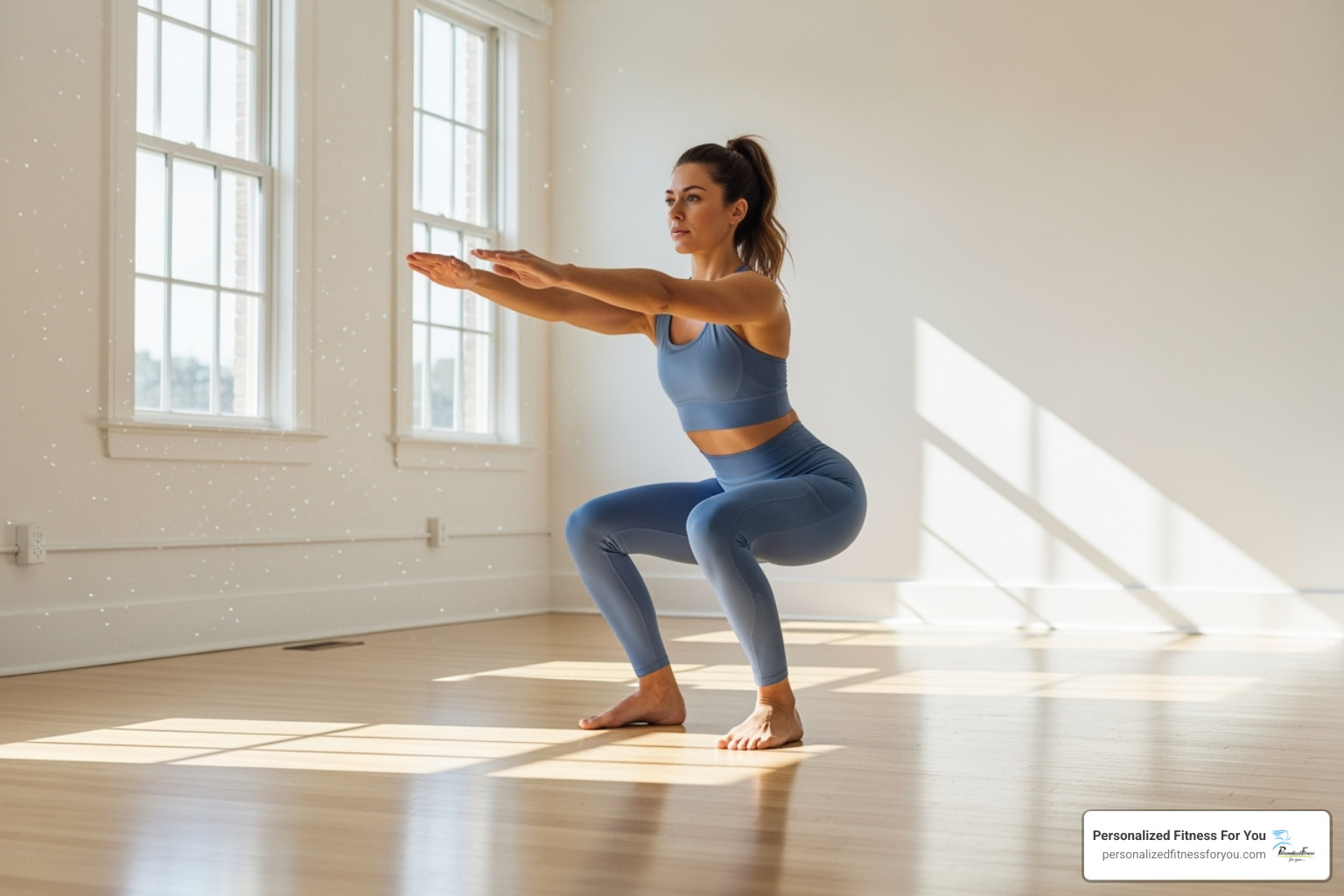
Starting safely is everything. Begin with movements you can perform with correct form. Some muscle soreness is normal, but sharp pain is a sign to stop. Proper form maximizes bone-building benefits while protecting your joints and spine, so always prioritize quality over quantity.
Recommended Types of Osteopenia Strength Training
You have many options for osteopenia strength training, and your program can evolve with you.
- Bodyweight exercises are a perfect starting point. They use your own body’s resistance to build functional strength. Try squats to a chair to strengthen your hips and thighs, wall push-ups for your upper body and wrists, and glute bridges to target your hips and hamstrings.
- Resistance bands offer a versatile and gentle way to build strength. They provide continuous tension and are great for exercises like standing rows, which improve posture by strengthening your back muscles.
- Free weights like dumbbells can be introduced as you build confidence. They engage stabilizing muscles that protect your bones. An overhead press (seated or standing) with light weights is excellent for your shoulders and arms.
For more movements, explore our Bone Density Exercises for Women Guide.
Progressing Your Osteopenia Strength Training Routine
Progressive overload is the key to effective osteopenia strength training. It means gradually increasing the challenge as your body adapts. This doesn’t mean jumping to the heaviest weight possible; it’s about small, consistent increases over time.
- Increase resistance: Once you can comfortably perform your target reps with good form, move to a slightly heavier weight or a stronger band.
- Increase volume: Add more repetitions or an extra set to your routine.
- Focus on control: Slowing down the movement, especially the lowering phase, increases time under tension and provides a stronger stimulus for bone and muscle growth.
Bone adaptation is a slow process, often taking six to eight months for detectable changes on scans. Be patient and celebrate small victories. Quality will always trump quantity, so it’s better to lift a lighter weight with perfect technique than a heavy weight with poor form.
Creating a Safe and Effective Routine
Before you begin, talk with your healthcare professional. They can review your bone density results and give you the green light for osteopenia strength training, ensuring your program is safe for your unique situation.
Once cleared, the goal is to create a program that fits you. At Personalized Fitness For You, we don’t use one-size-fits-all approaches. Joy Grout designs programs that honor where you are today while building toward your goals. If you’re ready for that personalized attention, our One on One Fitness Coaching can provide it.
Every workout should begin with a 5-10 minute warm-up (like marching in place or arm circles) and end with a cool-down to stretch the muscles you’ve worked. These bookends prepare your body, reduce soreness, and help prevent injury.
Frequency, Intensity, and Duration
For your osteopenia strength training routine, aim for two to three sessions per week on non-consecutive days. This rest is crucial, as it’s when your body does the important work of repairing and strengthening your bones and muscles. Each session should last 30-60 minutes, including your warm-up and cool-down. Your workouts should feel challenging but not overwhelming. A good goal is to perform 8-12 repetitions per set, working up to two or three sets of each exercise. Consistency is more important than intensity; regular, moderate workouts are far more effective than occasional grueling sessions.
Movements to Approach with Caution
While strength training is powerful, some movements require caution to protect vulnerable bones. It’s just as important to know what to avoid as what to do.
- High-impact activities like jumping or running may pose a fracture risk. If you include moderate-impact activities like brisk walking, listen to your body and stop if you feel pain.
- Loaded spinal flexion, or rounding your back while under load, should be avoided. This means skipping exercises like traditional sit-ups or crunches, which can compress your vertebrae. Instead, learn to hinge from your hips while keeping your back straight.
- Excessive or rapid twisting of the spine can also create shearing forces on your vertebrae. Avoid quick, forceful rotational movements.
Working with a professional who understands bone health ensures every exercise strengthens your bones without putting them in danger.
A Whole-istic Approach to Lifelong Bone Health
At Personalized Fitness For You, we believe in a whole-istic approach to wellness, recognizing that physical health is interconnected with nutrition and lifestyle. Osteopenia strength training is most effective when integrated into a broader strategy for lifelong bone health.

Our programs are designed to encompass spirit, mind, and body, fostering sustainable wellness. Strong bones are nurtured by how we move, what we eat, and the lifestyle choices we make.
Complementing with Other Forms of Exercise
While strength training is paramount, other movements play crucial supporting roles.
- Weight-bearing aerobic activities like brisk walking, dancing, or stair climbing strengthen bones by making them work against gravity. Aim for 30 minutes on most days. Learn more in our article on Weight-Bearing Exercise Can Help Prevent Osteoporosis.
- Balance exercises are vital for fall prevention. Practice daily with simple moves, such as single-leg stands (near a counter for support) or heel-to-toe walks.
- Flexibility and posture work, such as gentle stretching or Pilates, improves mobility and supports proper spinal alignment, reducing injury risk.
- Learning the proper way to hinge when executing your daily chores and routine is super important.
- Learning proper Bonefit exercises is important, and this can be shown to you by a certified fitness professional.
The Role of Nutrition and Lifestyle
Exercise alone isn’t enough; your bones need the right building blocks. Think of osteopenia strength training as the construction crew, and nutrition as the materials.
- Calcium and Vitamin D: Your diet should include calcium-rich foods like dairy, leafy greens, and fortified milks. Vitamin D, from sun exposure and certain foods, is essential for calcium absorption. Many people require a supplement; check with your doctor.
- Adequate Protein: Protein is a vital component of bone structure and supports the muscles that protect your bones. Include lean meats, fish, beans, and lentils in your diet.
- Lifestyle Choices: Support your bone health by limiting alcohol and avoiding smoking, both of which can interfere with bone formation and density. Maintaining a healthy weight and managing stress are also important factors. For more on physical activity guidelines, you can refer to resources like the UK consensus statement on physical activity and exercise for osteoporosis.
Frequently Asked Questions about Strength Training for Osteopenia
How does strength training for osteopenia differ from general fitness training?
While there is overlap, osteopenia strength training has a distinct purpose: to stimulate bone tissue, improve bone mineral density, and prevent fractures. This focus shapes the entire program. Exercises are chosen specifically for their bone-loading properties. Movements are slower and more controlled to maximize bone stimulus while ensuring safety. There is also a much greater emphasis on posture, core strength, and balance to reduce fall risk. Safety is the top priority, and movements that could compromise a weakened spine, like loaded forward bending, are avoided.
Can I reverse osteopenia with strength training?
Yes, it is possible to significantly improve your bone mineral density. You can’t get what you had, but you can certainly strengthen moving forward. Consistent, progressive osteopenia strength training can slow, halt, or in many cases, even reverse bone loss, leading to improved T-scores. Your bones are living tissue with a remarkable capacity to rebuild when given the right stimulus. However, results vary based on factors like genetics, nutrition, and consistency. The key is that the benefits are directly related to your ongoing commitment. Think of it as a long-term investment in your future mobility and independence. You can’t get back what you had but you can certainly strengthen moving forward!
Should I use heavy weights if I have osteopenia?
“Heavy” is relative. For osteopenia, it means a weight that challenges your muscles while allowing you to maintain excellent form for 8-12 repetitions. Groundbreaking research, such as the LIFTMOR trial, has shown that high-intensity resistance training can be safe and highly effective for improving bone density in women with osteopenia. We want to strengthen what we have in a safe manner, so what is effective for one person may not be for another. Looking at your 360 health prior to starting any strength program is key. Finding a fitness professional to guide you will help you determine the proper loading your body may need. This study demonstrated significant improvements under strict supervision.
The success of using heavier, challenging weights depends entirely on proper progression and expert guidance. At Personalized Fitness For You, we focus on finding the right resistance for you and gradually increasing the load as you get stronger. Proper form is always more important than lifting a heavier weight, which is why working with an experienced trainer is so valuable. Everyone is unique, so finding what works best for you is the best course of action.
Conclusion: Build a Stronger Future for Your Bones
Your bones are worth fighting for. Osteopenia strength training is a powerful pathway to building stronger bones, improving balance, and dramatically reducing your risk of falls and fractures. It’s about recognizing that you have real power to influence your bone health. When combined with weight-bearing activity, balance work, and proper nutrition, you create an environment where your bones can thrive. This whole-istic approach—addressing spirit, mind, and body—is what builds sustainable vitality.
At Personalized Fitness For You in Winona Lake, Indiana, this is our specialty. Joy Grout uses her 20+ years of experience as a certified personal trainer and Bone Health and Osteoporosis Instructor to create safe, effective, and shame-free programs for women. We provide expert guidance and a supportive community, whether you prefer the hands-on attention of in-person training or the flexibility of virtual training.
You don’t have to steer osteopenia alone. The time to take action is now, while you have the opportunity to make a real difference.
Ready to build a stronger future for your bones? Schedule a consultation with Joy today. Let’s create a personalized plan that empowers you to thrive.


