


Understanding Osteoporosis and How Your Bones Respond to Exercise
#
Did you know that weight bearing exercise can help prevent osteoporosis? This is critical because bone strength starts to decline by about 1% each year after age 40. Millions of Americans already live with weak, porous bones, but exercise is a powerful tool to keep them strong and healthy.
Here’s how weight-bearing exercise helps prevent osteoporosis:
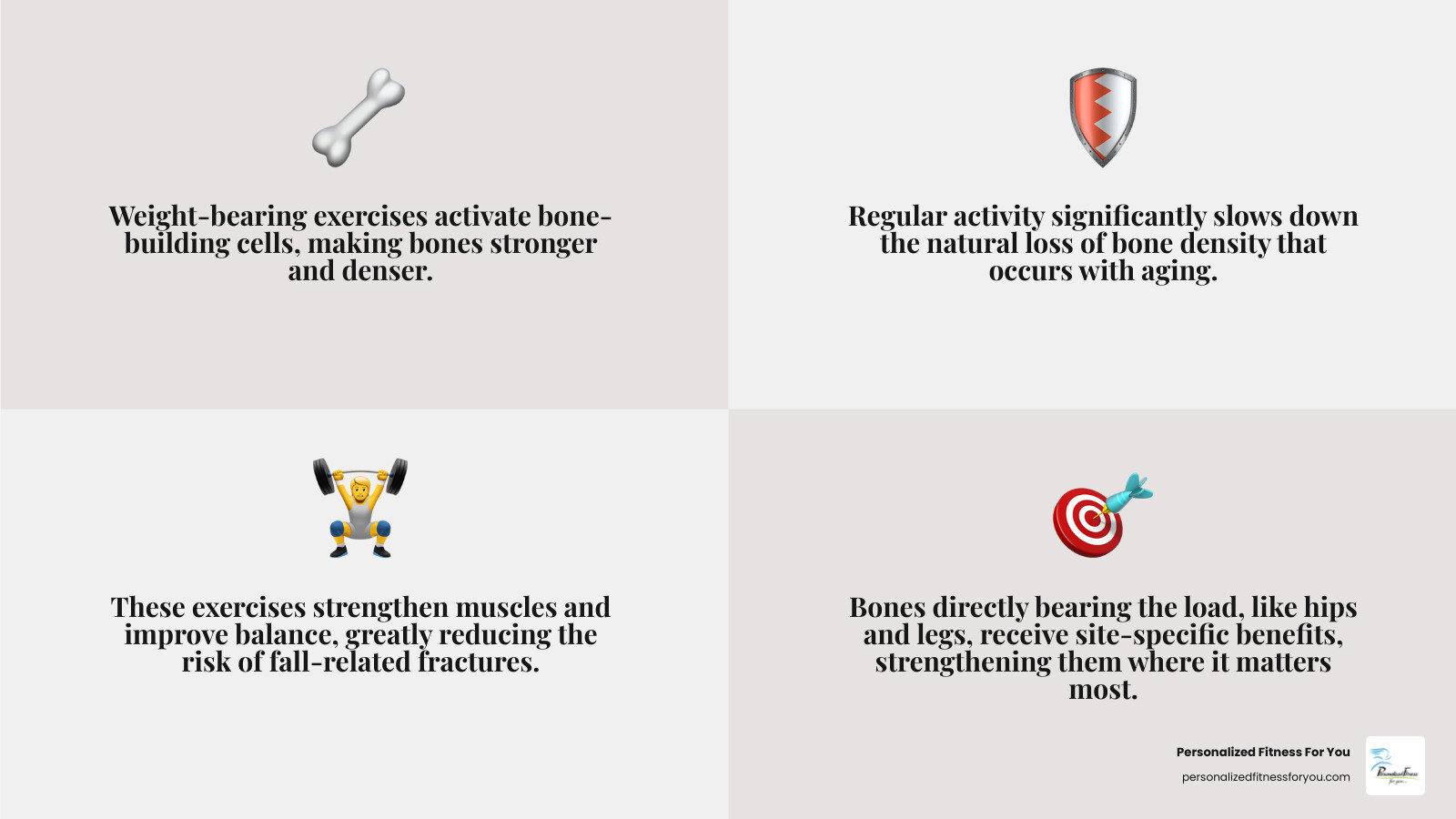
- Stimulates Bone Growth: Stress on your bones from movement activates bone-building cells, making your bones stronger and denser.
- Slows Bone Loss: Regular weight-bearing activity can slow the natural loss of bone density that happens with age.
- Improves Balance and Strength: These exercises strengthen muscles and improve balance, lowering your risk of falls—a major cause of fractures for people with osteoporosis.
- Site-Specific Benefits: The bones that bear the load during exercise, like in your hips and legs, get stronger where they need it most.
My name is Joy Grout, and with over 20 years of experience as a Bone Health and Osteoporosis Instructor, I’ve seen how weight bearing exercise can help prevent osteoporosis and improve overall wellness. I’m passionate about helping people like you find sustainable ways to stay strong and vital.
Osteoporosis is a condition that causes bones to become weak and porous, making them highly susceptible to fractures. Often called a silent disease, it may show no symptoms until a bone breaks. According to the Bone Health and Osteoporosis Foundation, over 10 million Americans have osteoporosis, and another 43 million are at risk. The most common fracture sites are the hips, spine, and wrists.
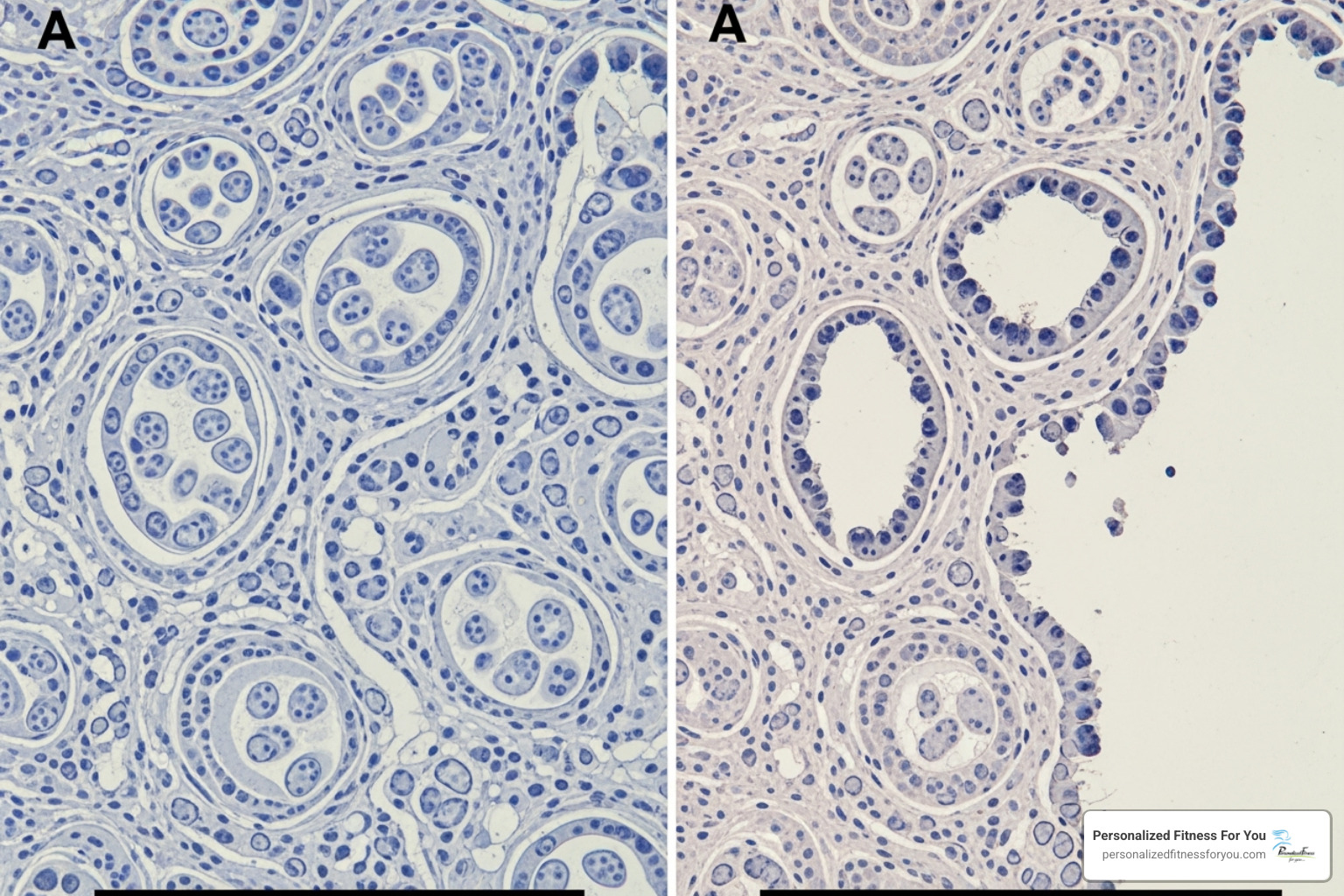
Our bones are living tissue, constantly remodeling themselves. This process allows them to adapt based on the demands placed upon them, a principle known as Wolff’s Law. Simply put, bones get stronger when they are given work to do!
When we engage in physical activity, the mechanical stress from gravity and muscle pull stimulates bone-forming cells (osteoblasts) into action. These cells deposit extra calcium, leading to stronger, denser bones. This is why weight bearing exercise can help prevent osteoporosis—it directly encourages bone growth and helps maintain existing bone density.
The Two Pillars of a Bone-Strong Fitness Plan
For optimal bone health, we focus on two primary types of exercise: weight-bearing and muscle-strengthening. Both are crucial for building and maintaining strong bones, reducing bone loss, and preventing fractures.
Weight-bearing exercises are activities where your feet and legs support your weight, making your bones work against gravity while upright. This direct impact signals your bones to strengthen themselves.
Muscle-strengthening (resistance) exercises involve moving your body or a weight against gravity. When muscles contract and pull on bones, they create the stress that prompts bones to renew and improve their strength.
A combined approach is essential. At Personalized Fitness For You, we understand your unique needs. We create safe, effective, and customized routines that integrate these two pillars, ensuring you get the most out of every session. Our holistic, shame-free approach encompasses spirit, mind, and body, helping you thrive.
What About Activities like Swimming and Cycling?
While swimming and cycling are excellent for cardiovascular health, they are not weight-bearing exercises. Your body is supported by water or a machine, so your bones aren’t working against gravity. Because they don’t provide the necessary gravitational load, they have a lower impact on bone density compared to weight-bearing exercises. While we encourage these activities for their overall health benefits, they are not a substitute for weight-bearing exercise when your primary goal is preventing osteoporosis. We recommend a variety of exercises for comprehensive health. However, if this exercise feels best, participating in this type of exercise is important, as you will reap a lot of health benefits
The Best Exercises for Building and Maintaining Strong Bones
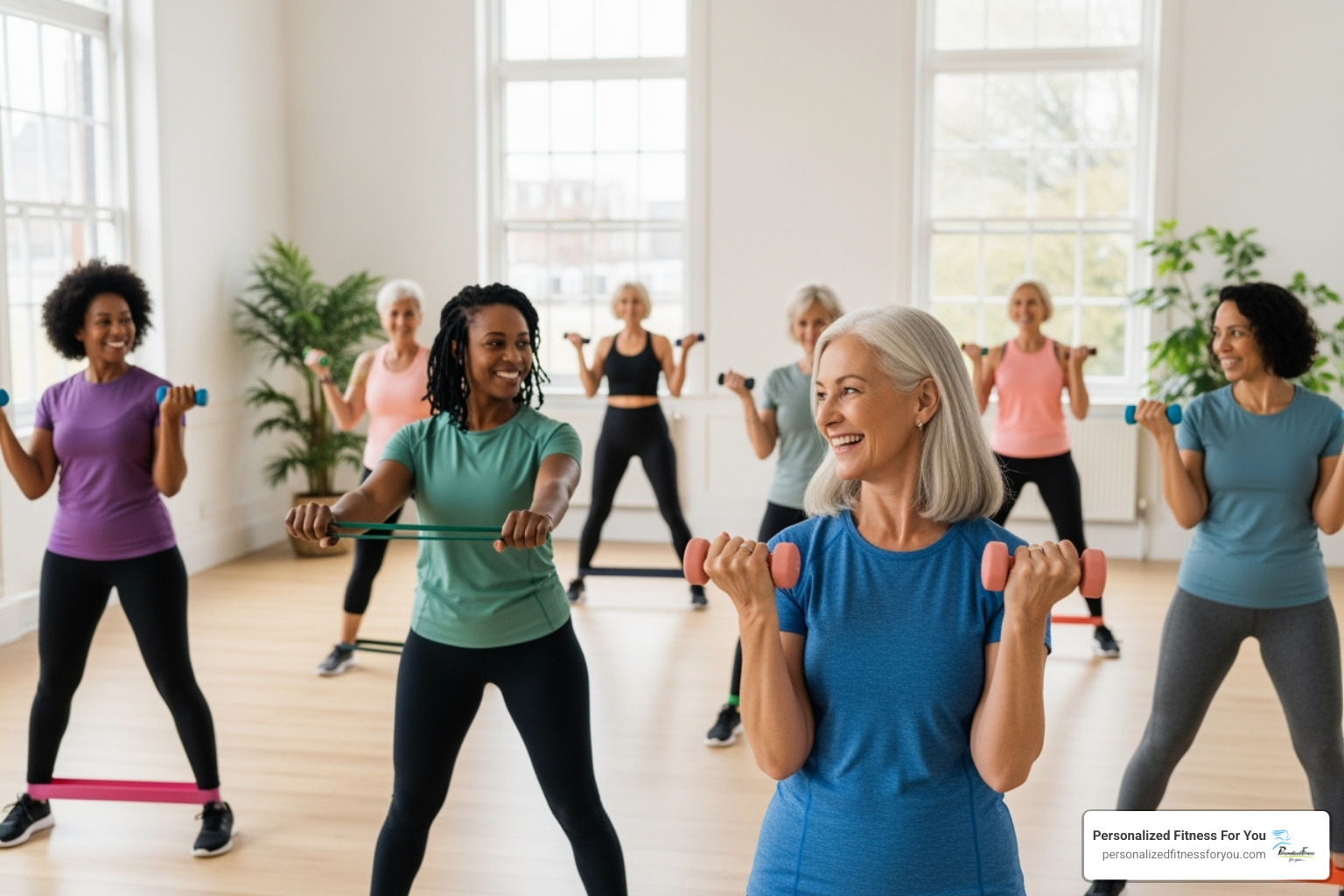
When it comes to bone health, not all exercises are created equal. Your bones respond to the demands you place on them—the more you safely challenge them, the stronger they become.
We divide weight-bearing exercises into two categories: high-impact and low-impact. High-impact exercises create more force, leading to greater bone-building benefits, but they aren’t right for everyone. Low-impact exercises are gentler on your joints while still providing the crucial gravitational load your bones need. Variety is key; challenging your bones with different movements, directions, and speeds keeps them growing stronger.
Safety always comes first. If you have significant bone loss or a history of fractures, we start with low-impact options and progress from there. The goal is to find activities you enjoy, because the best exercise is the one you do consistently.
High-Impact Weight-Bearing Exercises
High-impact exercises are powerhouses for bone building, involving movements where both feet leave the ground. The force of landing sends a strong signal to your bones to get stronger.
- Jogging and running: The repetitive impact stimulates bone formation in your hips and spine. Research shows participants in high-impact sports often have higher bone density.
- Jumping rope: This is incredibly effective. One study found that premenopausal women who performed 10 to 20 high-impact jumps twice daily significantly increased hip bone density in just four months.
- Tennis: The dynamic, multi-directional nature of tennis provides excellent bone-building benefits through varied stress patterns.
- Dancing: A joyful way to build bone, dance incorporates varied movements, speeds, and directions that challenge your bones in multiple ways.
- Hiking: Walking on varied terrain provides different types of impact and stress that flat-surface walking can’t match.
If your doctor has cleared you for high-impact activities, these exercises can provide significant benefits. We always prioritize your safety and comfort.
Low-Impact Weight-Bearing Exercises
Low-impact doesn’t mean low-benefit. These exercises keep at least one foot on the ground, reducing joint stress while providing the essential gravitational load.
- Brisk walking: This is the superstar of accessible bone health. Studies show that women who walk briskly several times a week have a lower risk of hip fractures. The key is “brisk”—a pace where you’re slightly breathless.
- Elliptical and stair-step machines: These are great alternatives that simulate walking or climbing with a smoother, more controlled movement.
- Low-impact aerobics: These classes focus on continuous movement without jumping, often incorporating arm movements for added variety.
These exercises are valuable if you’re over 60, new to fitness, or have joint concerns, providing a gentle yet effective way to support bone strength.
Muscle-Strengthening (Resistance) Exercises
Resistance training offers a powerful stimulus for bone building. When your muscles contract and pull on your bones, they create the mechanical stress that prompts bone formation. A well-designed strength program can benefit virtually every bone in your body.
- Weight lifting: This is the gold standard. We focus on progressive overload, gradually increasing the challenge. Aim for 8 to 12 repetitions until fatigued.
- Resistance bands: These are versatile, perfect for home workouts, and provide excellent muscle and bone stimulation while being gentle on joints.
- Bodyweight exercises: Squats and lunges strengthen leg and hip bones. Push-ups (full or modified) work arm and shoulder bones. Bridges target your glutes and core for spine health.
Even simple movements like sit-to-stands or rising on your toes contribute to bone health. At Personalized Fitness For You, we weave these exercises into programs that make sense for your life, ensuring proper form and safe progression. Stronger muscles also dramatically improve your balance, and research shows that combined training can reduce fall-related fractures by over 60%. We meet you where you are, creating a path that feels both challenging and achievable.
How Weight Bearing Exercise Can Help Prevent Osteoporosis: Your Action Plan
Building a robust exercise routine is an investment in your long-term health. It’s about creating a sustainable plan that fits your lifestyle and evolves with your needs.

A well-thought-out plan is crucial. We advocate for starting safely by consulting with healthcare providers, especially if you’re new to exercise or have health concerns. Once cleared, we focus on progressive overload—gradually increasing the challenge to continuously stimulate your bones and muscles.
Creating Your Weekly Routine to Help Prevent Osteoporosis
Consistency is key for bone health. Here are our recommendations for an effective weekly routine:
- Weight-Bearing Aerobic Activity: Aim for at least 30 minutes of moderate-intensity activity (brisk walking, dancing) 4 to 6 days a week.
- Muscle-Strengthening Exercises: Perform these 2 to 3 days a week, with a day’s rest between sessions. Aim for 20 to 30 minutes, working all major muscle groups.
- Balance and Flexibility: Incorporate exercises like standing on one leg, Tai Chi, or gentle stretching at least twice a week to prevent falls and improve mobility.
- Spinal Sparing is important to practice daily. Making sure to hinge during your daily activities helps to protect your spine.
Even small commitments make a difference. Research shows that just 15-20 minutes of weight-bearing exercise, three days a week, can be sufficient for building bone density. Consistency is key.
At Personalized Fitness For You, we help women over 40 build sustainable routines. Whether you’re in Winona Lake, Warsaw, or connecting virtually, we tailor programs that fit your life, combining effective exercises with our holistic approach to wellness and accountability.
Exercises to Modify or Avoid with Osteoporosis
While exercise is vital, certain movements can increase fracture risk for those with significant bone loss. If it causes pain, stop.
Here are movements to modify or avoid:
- High-Impact Twisting: Avoid significant spinal twisting found in some sit-ups, yoga poses, or golf swings (without proper form). This can put undue stress on the vertebrae.
- Forward Bending of the Spine (Flexion): Avoid exercises that round the spine, like toe touches or traditional crunches. These can compress vertebrae. Instead, bend from the hips, keeping a neutral spine. Hinge instead!
- Jerky or Rapid Movements: Emphasize smooth, controlled movements to avoid excessive strain on bones and joints.
- High-Risk Activities: Sports with a high risk of falling (downhill skiing, ice skating) or high-impact plyometrics (box jumps) may be too risky.
- Check with a Physical therapist or a Bonefit professional in your area to find out what is best for you!
We provide safe alternatives and modifications to ensure you can exercise effectively without increasing your risk of injury.
When to Consult a Healthcare Professional
Before starting a new exercise program, it is crucial to consult a healthcare provider, especially if you have or are concerned about osteoporosis.
Consult your doctor if you have:
- A diagnosis of osteoporosis or osteopenia: Your doctor can assess your bone health and provide specific recommendations or advisement on limitations.
- A history of fractures: Your doctor needs to evaluate bone stability and advise on safe movements.
- Other chronic health conditions: Heart disease, arthritis, or balance disorders can influence which exercises are safe for you.
Once you have medical clearance, working with a qualified fitness professional like Joy Grout at Personalized Fitness For You is invaluable. We translate your doctor’s recommendations into a practical, safe, and effective exercise program, guiding you in a supportive, shame-free environment.
Frequently Asked Questions about Exercise and Bone Health
Is it ever too late to start exercising to improve bone health?
It’s never too late! Starting an exercise program at any age—45, 65, or 85—can significantly improve your bone health and quality of life. Research shows that weight bearing exercise can help prevent osteoporosis at any stage. Even if you can’t dramatically increase bone density, you can slow down bone loss.
More importantly, exercise brings remarkable improvements in muscle strength, balance, and coordination. These changes are crucial for preventing falls, which often turn weakened bones into fractures. I’ve seen countless clients find newfound confidence and stability after believing it was “too late.” Your bones respond to the work you give them, regardless of your starting point.
How does weight bearing exercise help prevent osteoporosis in the spine and hips specifically?
Weight bearing exercise can help prevent osteoporosis through site-specific benefits: the bones that do the work get the strongest.
- For your hips and lower body, activities like walking, jogging, or dancing create impact that travels directly through your leg bones and into your hips. Research shows that jumping and progressive resistance training can significantly improve hip bone density.
- Your spine benefits from a well-rounded strength training program. Exercises like squats, overhead presses, and rowing movements create beneficial stress along your vertebrae. Studies have found that combining jumping with weight lifting can improve spine density.
This is why we emphasize varied movements and gradually increasing challenges. A brisk walk strengthens your hips, while carrying groceries upstairs benefits your spine.
Besides exercise, what else is crucial for preventing osteoporosis?
While weight bearing exercise can help prevent osteoporosis, it’s part of a bigger picture. Our holistic approach at Personalized Fitness For You recognizes that bones need support from multiple angles, including nutrition and lifestyle.

- Nutrition: Calcium is your bones’ primary building block (found in leafy greens, tofu, dairy). It needs Vitamin D for absorption (found in oily fish, egg yolks, fortified foods). Adults need about 700mg of calcium and 10 micrograms of Vitamin D daily.
- Safe Sun Exposure: A short time in the sun daily helps your body produce vital Vitamin D.
- Lifestyle Choices: Smoking dramatically increases osteoporosis risk, so quitting is a huge benefit. Excessive alcohol interferes with bone formation and increases fall risk.
- Fall Prevention: Simple changes to your environment, like removing tripping hazards and ensuring good lighting, can prevent fractures.
Our approach encompasses your whole life—spirit, mind, and body—to create lasting health benefits.
Conclusion
As we’ve explored, weight bearing exercise can help prevent osteoporosis by stimulating bone growth, slowing bone loss, and improving balance and strength to reduce fall risk. Combining weight-bearing and muscle-strengthening exercises offers a powerful, comprehensive approach to fortifying your skeleton.
Taking control of your bone health is empowering. Consistent, varied movements challenge your body and encourage your bones to thrive. Every effort contributes to a stronger, more resilient you.
At Personalized Fitness For You, we are dedicated to helping women aged 40 and over achieve their health goals with a sustainable, holistic approach. Joy Grout and our team provide expert guidance through custom programs in a supportive, shame-free environment. Whether you prefer in-person sessions in our Winona Lake studio or virtual options from locations like Columbia City, South Bend, or Elkhart, we’re here to help you build strength, vitality, and confidence for years to come.
Take control of your bone health with a personalized fitness plan!


