
Why Strong Bones Start with the Right Movement
Osteoporosis is a condition where bones become weak and brittle, making them prone to breaks. But here’s something empowering: your bones are living tissue that constantly rebuilds itself. The right exercises send powerful signals to your body to build new, stronger bone tissue, making movement a key part of any prevention strategy.
The statistics can be discouraging. Many women will experience a fracture caused by osteoporosis in their lifetime, and a hip fracture can significantly impact independence. But there’s genuinely good news: research shows that programs combining balance, strength, and resistance training can dramatically reduce the odds of falls resulting in fractures. The best exercises to prevent osteoporosis don’t just slow bone loss—they actively stimulate bone-building cells to create new, denser tissue.
Think of exercise as a conversation with your skeleton. Each weighted squat, brisk walk, or resistance band pull tells your bones they need to be stronger. This mechanical stress triggers a remarkable process called bone remodeling, where old bone is replaced with fresh, stronger bone. A combination of weight-bearing activities, resistance training, balance work, and flexibility exercises provides the most effective defense.
As I’ve worked with women navigating midlife and beyond for over 20 years, I’ve seen how the right movements transform not just bone density scans, but daily confidence. I’m Joy Grout, owner of Personalized Fitness For You and a Bone Health and Osteoporosis Instructor, and I’ve dedicated my career to helping women build strength sustainably. The right exercise program—custom to your body and fitness level—can make all the difference.
Why Exercise is Your Best Defense Against Bone Loss
Your bones are living tissue, constantly remodeling themselves. As your body changes, the natural process of bone breakdown can outpace bone building, leading to the porous, fragile bones that characterize osteoporosis. This is where exercise becomes your most powerful ally.
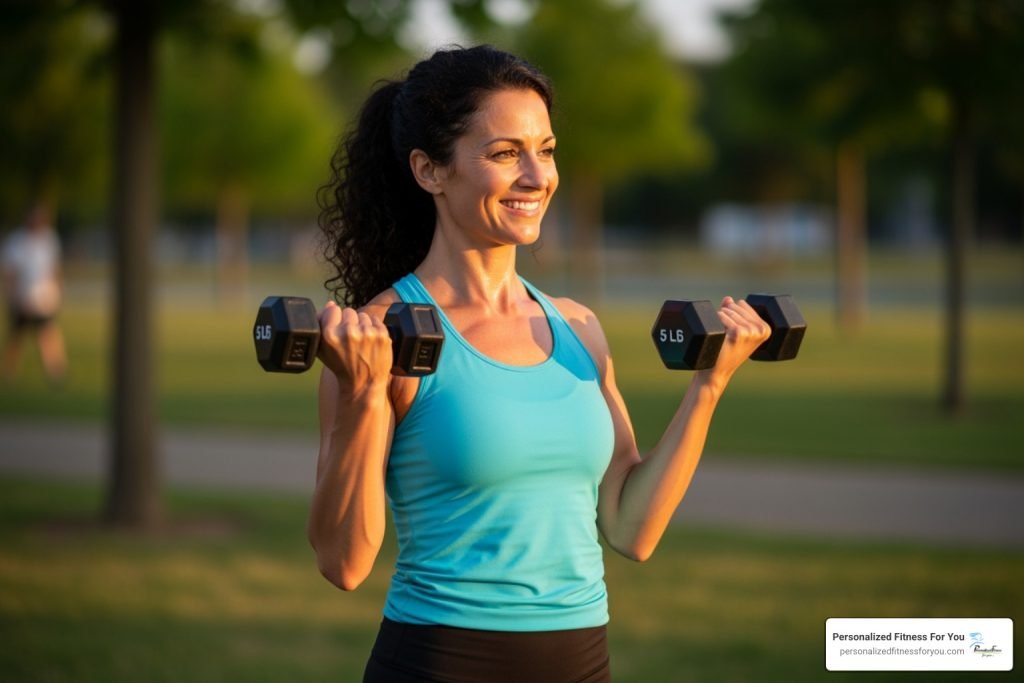
A principle in bone science called Wolff’s Law explains why the best exercises to prevent osteoporosis are so effective: bones adapt to the demands placed on them. When you engage in activities that put mechanical stress on your skeleton—like lifting weights or brisk walking—you’re signaling your body to build stronger bones.
This mechanical stress activates osteoblasts, the bone-building cells, to lay down new tissue. Every time your muscles pull on your bones during exercise, they trigger this rebuilding process. The benefits go far beyond what you see on a bone density scan. Regular physical activity increases bone mineral density (BMD), strengthens the muscles that support your skeleton, and improves your balance and coordination, which is crucial for preventing falls.
Even if you’ve already been diagnosed with osteoporosis or osteopenia, exercise remains essential. It’s not about avoiding movement; it’s about engaging in the right kind of activity to fortify your body and slow bone loss. The same exercises that help prevent osteoporosis can also help manage an existing diagnosis, as long as they are customized to your current bone health.
For a deeper understanding of how exercise protects your skeletal system, you can read more about the role of exercise in bone health from the National Institutes of Health. Exercise is a cornerstone of our whole-istic approach to wellness, and there are more ways to improve your bone health beyond just movement alone. Your bones are listening to what you do every day. Give them the right signals, and they’ll respond by growing stronger.
The Core Four: Types of Exercise for Optimal Bone Health
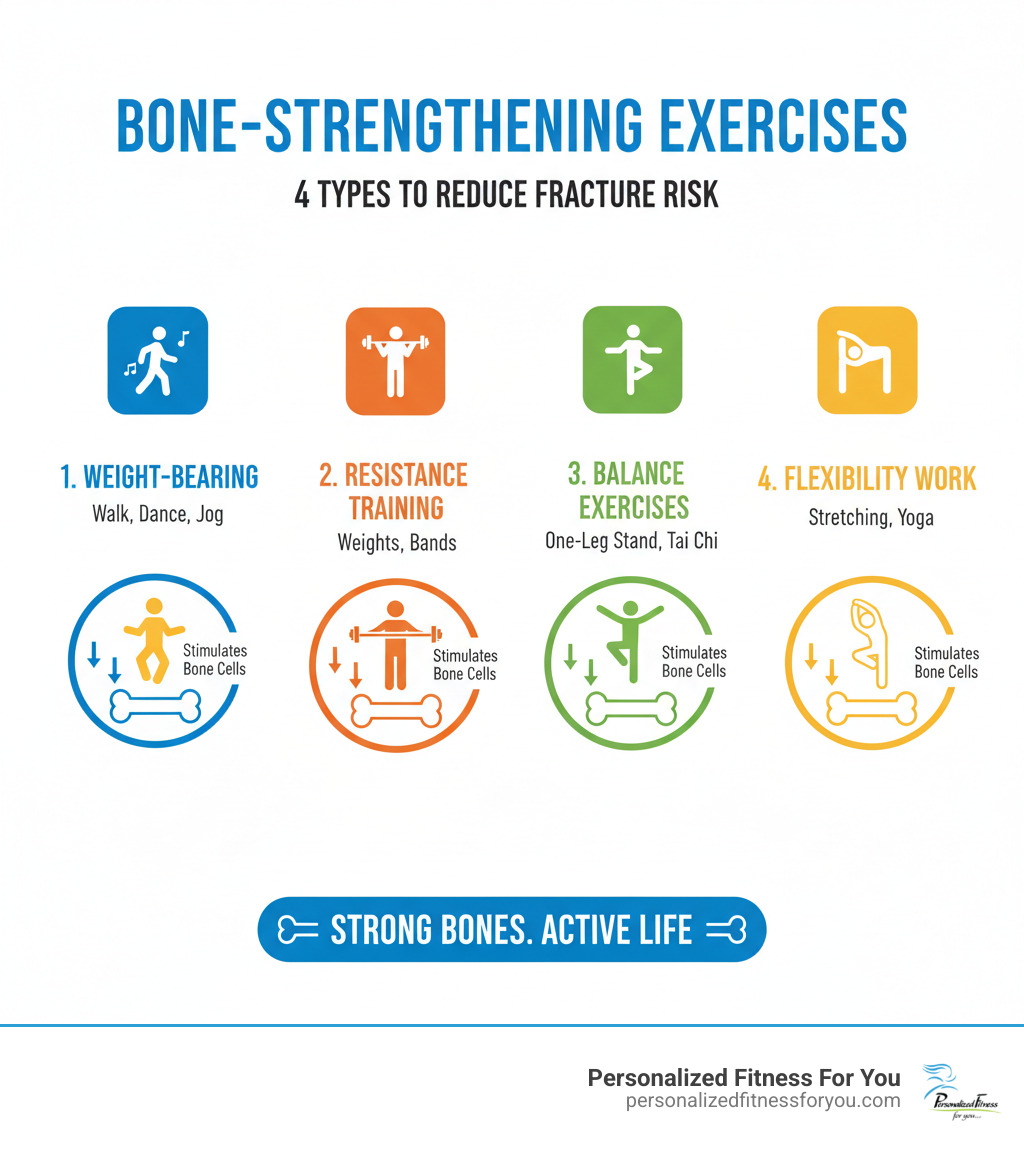
To protect your bones, a varied approach is best. A complete strategy for bone health includes four distinct types of exercise, which I call the “Core Four.”
-
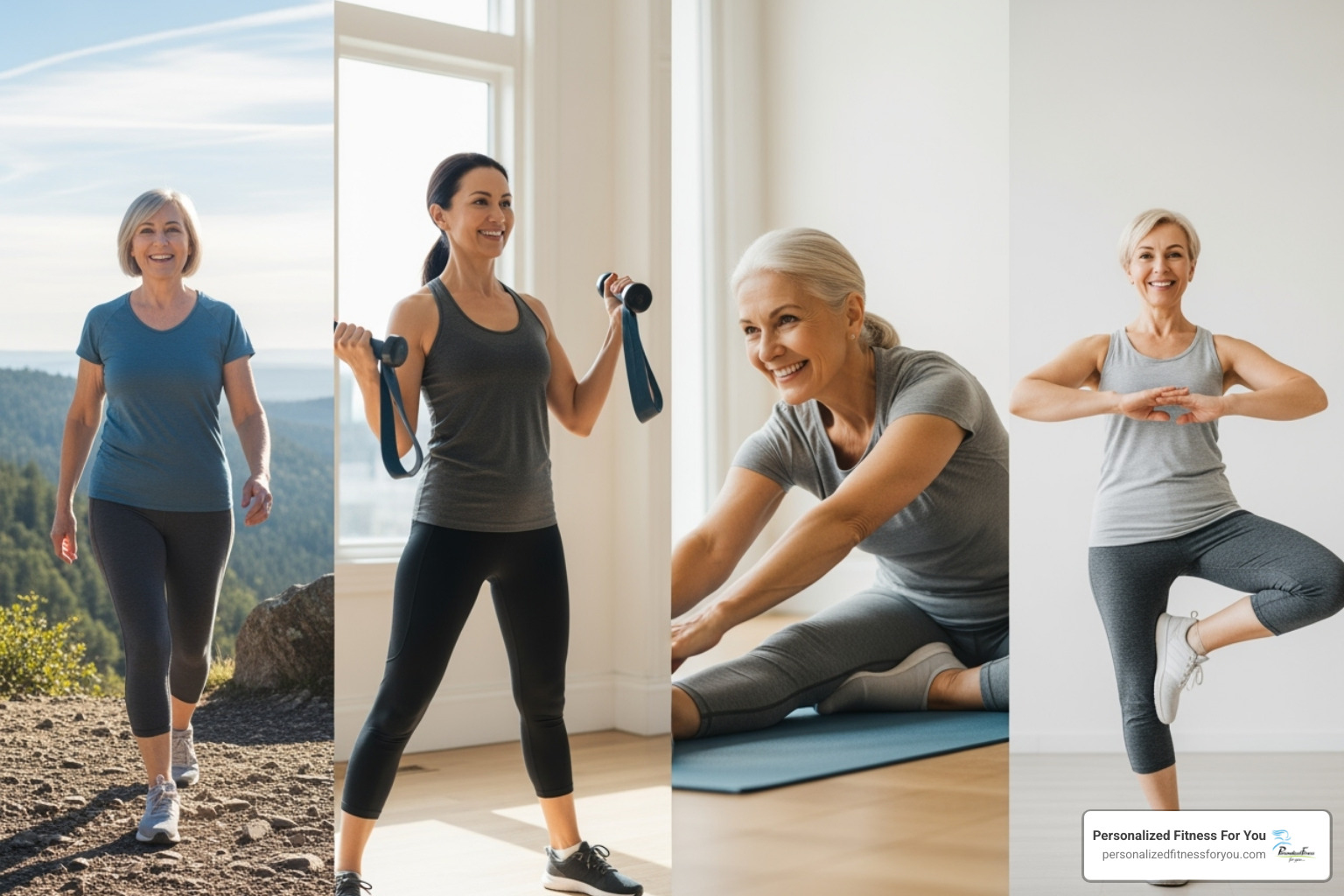
Weight-Bearing Exercise: These are activities where your feet and legs support your body’s weight, like brisk walking, dancing, or climbing stairs. The impact with gravity is a powerful bone-building trigger for your legs, hips, and lower spine.
-
Resistance Training: When you lift weights, use resistance bands, or do bodyweight exercises, your muscles pull on your bones. This creates the mechanical stress that stimulates bone-building cells and strengthens specific areas.
-
Flexibility Exercises: While stretching doesn’t directly build bone, it’s a crucial supporting player. Maintaining a full range of motion keeps joints healthy, improves posture, and reduces stiffness, allowing you to perform other exercises safely. Pilates is particularly effective for this.
-
Balance Exercises: Simple practices like standing on one leg or Tai Chi are vital. Strong bones can still break in a fall, so improving your stability and coordination builds a protective shield around your skeleton.
The best exercises to prevent osteoporosis combine all four categories. This approach addresses bone density, muscle strength, mobility, and fall prevention, keeping you strong, steady, and confident. Learning the proper ways to lift and reach is vital to protect your spine. Utilizing a proper “hinge” while lifting and reaching is key!
Your Bone-Building Workout Plan: The Best Exercises to Prevent Osteoporosis
Building a bone-strengthening routine is about consistency and smart progression. Start where you are, listen to your body, and gradually increase the challenge over time. This protects you from injury and builds confidence alongside strength.
Weight-Bearing Activities: The Foundation of the Best Exercises to Prevent Osteoporosis
These exercises make your skeleton work against gravity, sending direct signals to your hips, spine, and legs to build density.
Low-Impact Options: Brisk walking is a great starting point; aim for at least 20 minutes most days. You can learn more about why it’s so effective in our guide on the Top 8 Benefits of Walking. Other excellent choices include dancing, stair climbing, and even active gardening.
Moderate-Impact Activities: If your body is ready, jogging, tennis, or aerobics classes offer a stronger bone-building stimulus.
Jumping (with caution): Simple heel drops or gentle jumping jacks can be effective. However, if you have very low bone density or a history of fractures, always consult your healthcare provider first.
Postural exercises to help the spine strengthen are important to include in your daily routine and are easy to do!
The Hinge is important to learn. Practicing pushing your hips back like you are sitting in a chair is important to learn. This helps protect your spine while you are lifting things.
Aim for at least 20 minutes of low-impact exercise daily or around 50 moderate impacts (like jogs, heel strikes or jumps) on most days. A simple habit is to stand up for a few minutes every hour to break up long periods of sitting.
Resistance Training: Building Strength with the Best Exercises to Prevent Osteoporosis
Resistance training strengthens both muscles and bones. Use free weights, resistance bands, or your own bodyweight.
Focus on foundational movements like squats (strengthening legs and hips), Staggered stances (improving balance), push-ups (modified against a wall or on knees), and rows (for back and posture). The bridge exercise and practicing chair “sit to stand” without using your hands builds functional strength for daily life.
Incorporate these activities 2 to 3 days per week, with a day of rest between sessions. Aim for 1 to 3 sets of 8 to 12 repetitions, focusing on good form. For an innovative approach, TRX Training uses suspension straps for a full-body workout.
Balance and Stability Exercises
Improving balance is key to preventing falls. Practice daily or several times a week.
- Standing on one leg: Hold onto a sturdy surface and aim for 30-60 seconds per leg.
- Heel-to-toe walk: Walk in a straight line as if on a tightrope.
- Practice sit to stands with a chair: Learning how to hinge by practicing sitting in a chair and then back to a stand. You can practice barely sitting your buttocks down on a chair and then go to a stand to build more strength. This is considered a modified squat and is safe to practice.
- Practicing movement patterns with staggered stances. For example, practice performing a bicep curl while you have one foot in front and the other behind you (staggered stance).
Flexibility and Posture Exercises
Flexibility allows you to perform other exercises safely and effectively. Good posture reduces stress on your vertebrae.
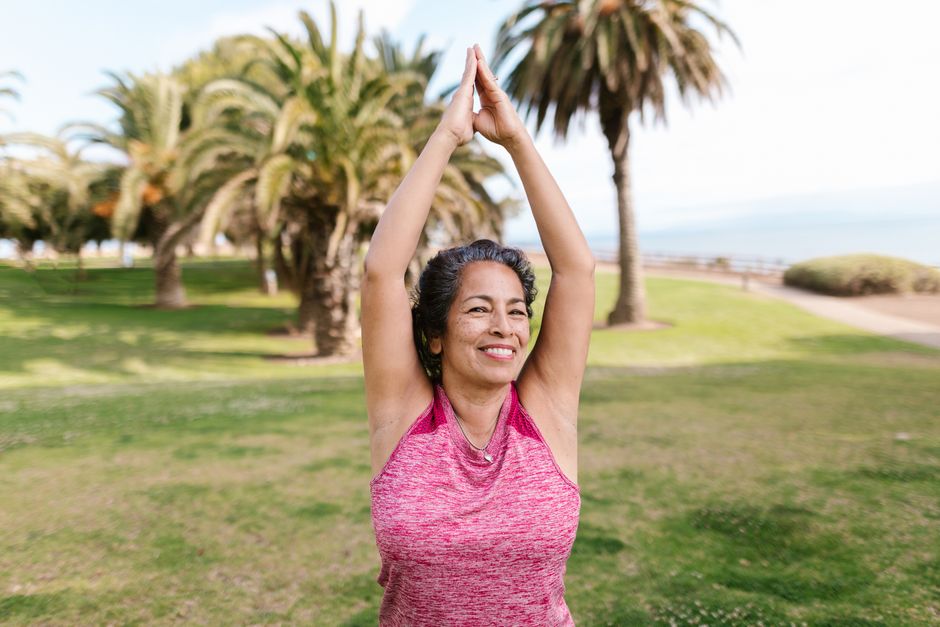
Focus on stretching major muscle groups after your workouts. Hold each stretch for 20-30 seconds without bouncing. The corner stretch is excellent for opening the chest and improving posture.
Pilates is an exceptional method for developing core strength, posture, and flexibility through controlled movements. We offer Pilates Reformer Training that integrates beautifully into a bone-health program.
Safety First: Exercising Smartly with Osteoporosis
Your safety is the top priority. If you have osteoporosis, low bone density, or a history of fractures, please consult your healthcare professional before starting a new exercise program. Working with a qualified trainer who understands bone health, like our certified Bone Health and Osteoporosis Instructor Joy Grout, ensures you use proper form and progress safely.
It is not only safe but essential to exercise with an osteoporosis diagnosis. The key isn’t avoiding movement—it’s choosing the right movements and performing them correctly to protect your bones and reduce fall risk. Start slowly with light resistance and gradually increase the intensity. Proper form is always more important than the amount of weight you lift. The Mayo Clinic provides excellent resources on exercising safely with osteoporosis that can help guide you.
Movements and Exercises to Avoid
If you have osteoporosis or are at high risk of fracture, be cautious with certain movements that can stress the spine:
- High-Impact Activities: Vigorous jumping or running may be too strenuous. Your doctor’s guidance is crucial here. Standing marches are a good alternative as well as heel strikes.
- Forward Spinal Flexion: Avoid exercises that involve bending forward from the waist, like traditional sit-ups, crunches, or deep toe touches. These can compress the vertebrae.
- Excessive Twisting of the Spine: Forceful trunk rotation, such as in some golf swings or deep stretches, can be risky. A qualified instructor can help you modify these movements.
- Lifting Heavy, Unsupported Weights: Always prioritize good technique with lighter weights to prevent strain on your spine. the proper way to hinge is important. Using a “hinge” while lifting, loading the dishwasher, etc, helps to protect your spine.
Beyond the Gym: A Whole-istic Strategy for Strong Bones
Exercise is a powerful tool, but it’s one piece of a larger puzzle. Our whole-istic approach recognizes that strong bones are built through a combination of movement, nutrition, and healthy lifestyle choices. Exercise signals the need to build bone, while nutrition provides the raw materials.

- Calcium and Vitamin D: Calcium is the primary building block of bone, found in dairy, leafy greens, and fortified foods. Vitamin D is the gatekeeper that helps your body absorb calcium. You can get it from sunlight, oily fish, and egg yolks. A supplement may be necessary, especially in winter. Consult your medical professional for advice.
- Lifestyle Choices: Limiting alcohol and quitting smoking are two of the most impactful changes you can make for your bones. Both can interfere with calcium absorption and bone formation.
- Awareness and Prevention: Regular check-ups and a Bone Density Scan can help you monitor your bone health. Additionally, simple fall prevention measures at home—like removing tripping hazards and ensuring good lighting—can dramatically reduce fracture risk.
- Practicing breath work or making time for mindful practices such as reading, devotions, listening to music, or even resting is important for your overall health.
By integrating the best exercises to prevent osteoporosis with a nutrient-rich diet and thoughtful habits, you create the optimal environment for your bones to thrive. This is about nourishing your body from the inside out for a strong, confident life.
Frequently Asked Questions about Osteoporosis and Exercise
Here are answers to some of the most common questions I hear from women who are working to build stronger bones.
Is walking enough to prevent osteoporosis?
Walking is a fantastic weight-bearing exercise and a great foundation for bone health. However, for a complete program, it’s not quite enough on its own. The best exercises to prevent osteoporosis involve variety. Combine your walks with resistance training to stimulate muscles and bones in different ways, and add balance exercises to help prevent falls. You can also boost walking’s power by picking up the pace or finding routes with hills. Learn how to properly lift weights and hinge throughout your day for better movement practice.
Can you reverse bone loss with exercise?
The answer is hopeful. While we may not fully reverse bone loss to the density of our younger years, exercise is powerful. It significantly slows the rate of bone loss, and some studies show high-intensity training can even increase bone mineral density. More importantly, exercise dramatically reduces fracture risk by strengthening bone and muscle while improving balance, creating a more resilient body. We can make the bone we have stronger!
How soon can I see results in my bone density from exercise?
Bone building is a slow process, and it can take several months to a year to see measurable changes on a bone density scan. However, the functional improvements happen much sooner. Within weeks, you’ll likely feel stronger, have better balance, and move with more confidence. These early wins are real evidence that your body is responding, and they are powerful motivators while your bones are quietly rebuilding.
Conclusion
We’ve explored how a combination of weight-bearing, resistance, balance, and flexibility exercises creates a powerful strategy for bone health. This isn’t a quick fix, but a lifelong commitment to your strength, confidence, and independence. Every movement is an investment in your future self—one who moves freely and feels capable in her own body.
As your body changes, the right exercise program becomes even more crucial. You don’t have to steer this journey alone. Expert guidance in a shame-free space can make all the difference between feeling overwhelmed and feeling encouraged.
At Personalized Fitness For You, we specialize in creating customized programs for women. Whether you prefer working with us in-person at our Winona Lake studio or through our virtual training programs, we’re here to help you build strength and protect your bones in a supportive environment. Our whole-istic approach addresses your spirit, mind, and body, because true wellness encompasses all of you.
You have the power to strengthen your bones. The question isn’t whether you can do it—it’s when you’ll begin. Take the first step and schedule a consultation with Joy today!