

Why Strong Bones Matter at Every Stage of Life
Building bone strength supports lifelong mobility, balance, and independence. Bones are living tissue that continually remodels breaking down and rebuilding and they respond to how you eat, move, and recover. Peak strength is reached in early adulthood, then density naturally declines. With a whole-istic plan that combines nutrient-dense foods and the right training, you can slow loss and even gain strength during active aging.
Muscles and bones work together: when you challenge muscles with resistance and weight-bearing activity, you send powerful signals that help bones become denser and more resilient. Beyond preventing osteoporosis, stronger bones mean fewer falls, better posture, and more confidence doing what you love.
I’m Joy Grout, a certified personal trainer, Bone Health and Osteoporosis Instructor, and Functional Aging Specialist. For over two decades, I’ve helped women build bone strength safely with personalized programs that meet you where you are and progress at a pace that fits your life.
The “How” and “Why” of Bone Health Through the Years
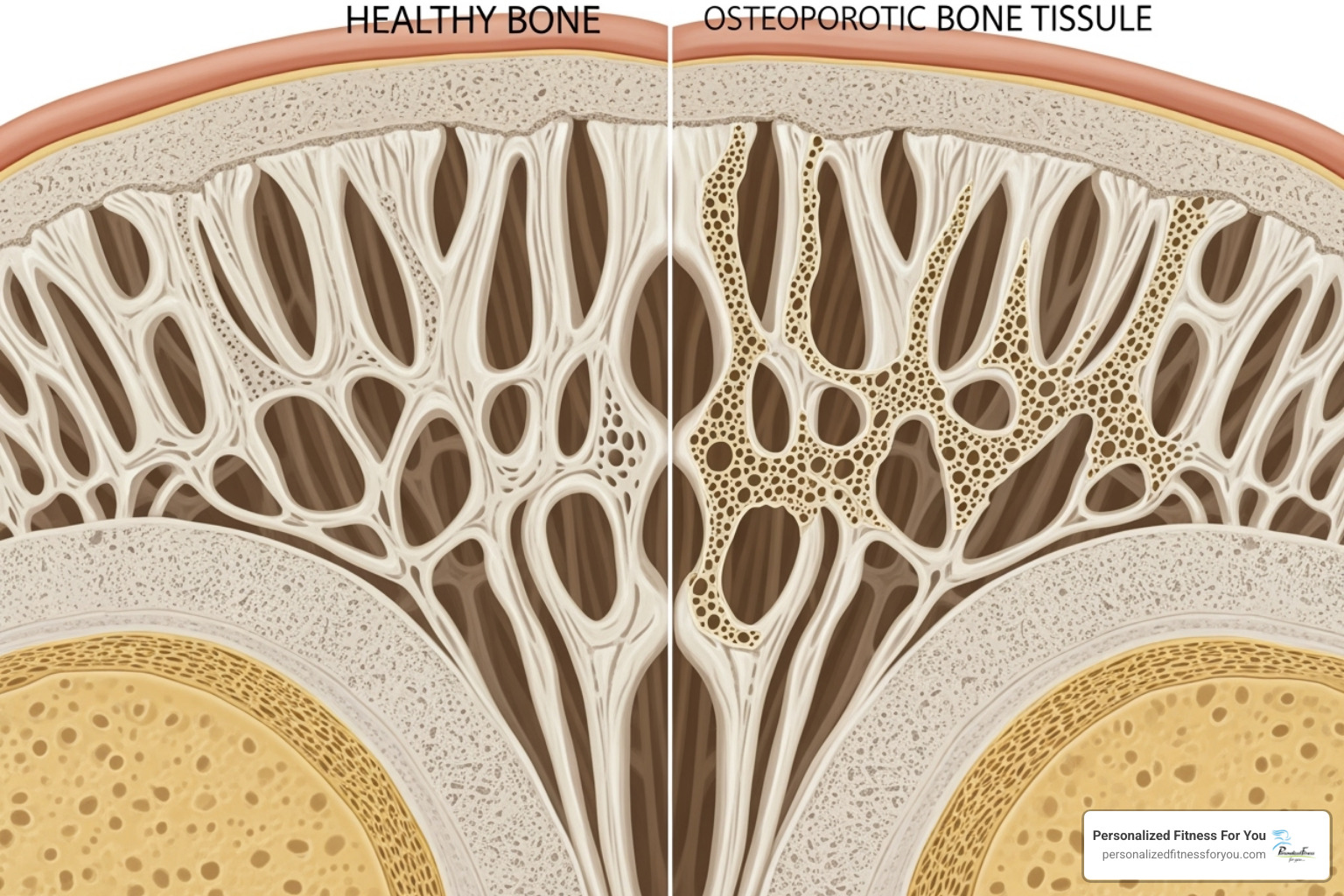
Your bones protect organs, anchor muscles, and store minerals, and they are always adapting. Bone density reflects how tightly minerals are packed in bone; denser bone is stronger and less likely to fracture. We build most of our reserves by early adulthood, then experience gradual loss that can accelerate in midlife as hormones shift.
When bone loss progresses, osteoporosis makes bones fragile, often without symptoms until a break occurs. Warning signs can include height loss, a stooped posture, or back pain. If you experience a fracture from a minor incident, ask your healthcare provider about a bone density scan. This quick, painless DEXA test helps you understand your starting point and guides a targeted plan.
The encouraging news: nutrition, impact activity, strength training, balance work, and supportive habits meaningfully influence bone remodeling at any stage.
Fueling Your Frame: Essential Nutrients for Strong Bones
Think of your bones as a construction site that never closes. A whole-istic, food-first approach, rich in colorful produce, quality protein, and whole foods, supplies the raw materials for building bone strength.

Calcium: The Cornerstone of Your Skeleton
There are different daily calcium requirements for age ranges. Calcium is absorbed best in smaller amounts spread throughout the day. Food sources include dairy, fortified plant milks, canned salmon or sardines with bones, calcium-set tofu, and leafy greens like kale and collards. When possible, prioritize foods over pills as the best way to get calcium is through your diet.
Vitamin D: The Key to Calcium Absorption
Vitamin D helps you absorb and use calcium. Many women are low without realizing it. Sunlight contributes, and foods like salmon, mackerel, tuna, egg yolks, and fortified products help too. Ask your provider about testing and individualized supplementation. Learn more in our article about why Vitamin D is crucial for bone health.
Beyond the Basics: Other Bone-Boosting Nutrients
- Protein supports half of bone volume; include eggs, lentils, poultry, dairy, soy, nuts, and seeds.
- Magnesium (nuts, seeds, legumes, whole grains) activates vitamin D.
- Zinc (beef, shrimp, pumpkin seeds, whole grains) supports bone formation.
- Vitamin K (leafy greens) helps minerals bind to bone.
- A variety of fruits and vegetables supplies antioxidants linked to lower fracture risk.
The Ultimate Guide to Exercise for Building Bone Strength
Exercise tells your bones to adapt. Consistent, progressive training slows natural loss and helps maintain density while improving balance and coordination. Explore more in our guide on Exercise for Bone Density.
Weight-Bearing Exercises: Using Gravity to Your Advantage
Activities that work against gravity signal bones to rebuild:
Weight-bearing exercises use gravity to strengthen your bones. Start with low-impact options like brisk walking, dancing, or climbing stairs. As you build fitness, progress to moderate-impact activities such as hiking or pickleball. High-impact movements like jumping or running can be added when ready, ideally with professional guidance. Aim for roughly 30 minutes most days.
Learn more: Weight Bearing Exercise Can Help Prevent Osteoporosis.
The Power of Strength Training for building bone strength
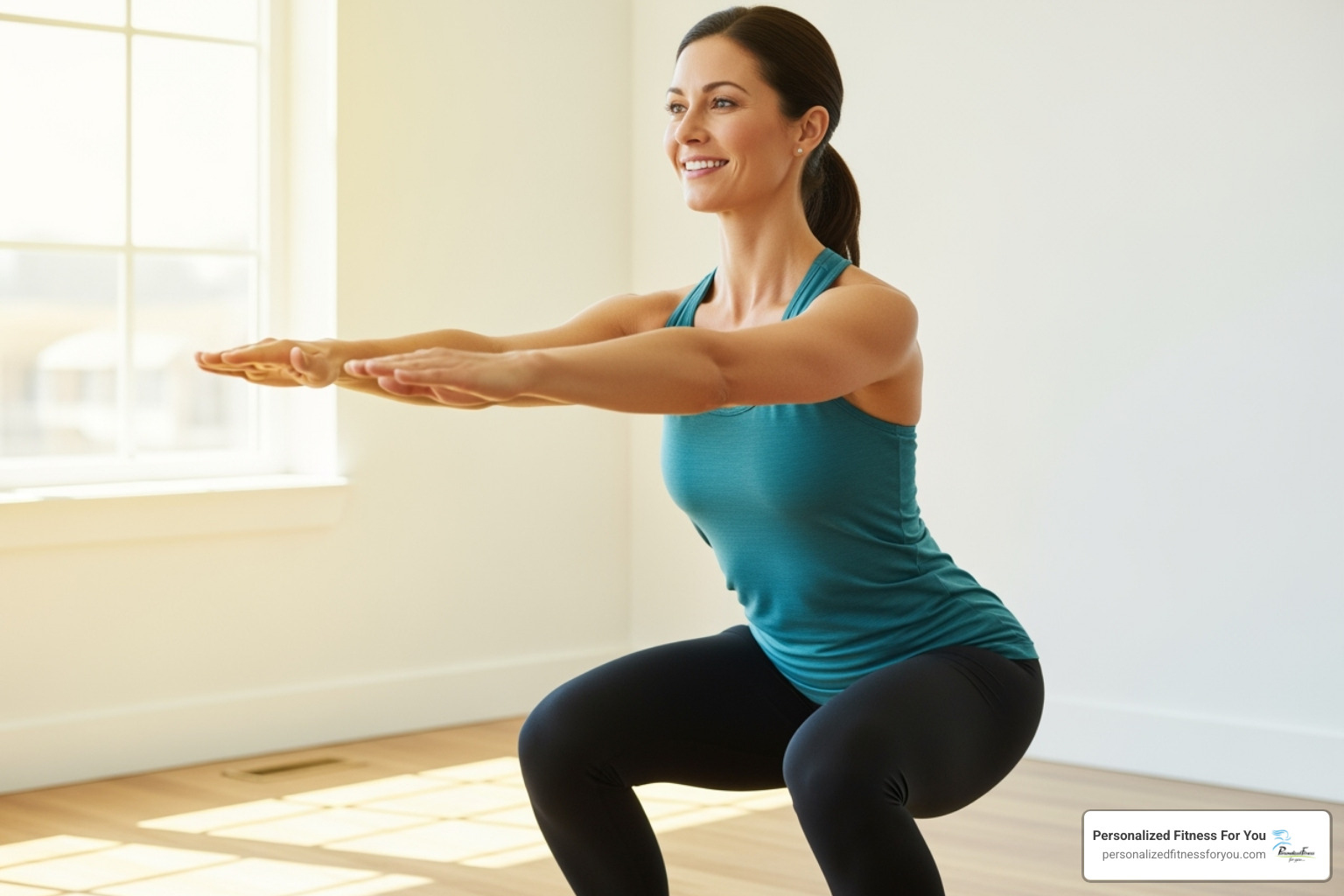
When muscles pull on bone, density improves at key sites (hips, spine, wrists). Benefits include higher bone mineral density, better balance, and fewer falls. You can create that stimulus with strength training—using free weights, resistance bands, machines, or bodyweight exercises—and by gradually increasing the resistance over time.
For more ideas, see our guide on Bone Density Exercises for Women.
How Much and How Often? Creating Your Bone-Building Routine
- Weight-bearing: most days (about 30 minutes).
- Strength training: 2 – 3 days weekly; build to 3 sets of 8 – 10 reps.
- Balance and flexibility: add Pilates, step-ups, and single-leg stances to reduce fall risk.
- Spinal sparing: Using a “hinge” when lifting or reaching for things. Learning to hinge back with the hips to protect your spine is important for bone health. This is beneficial if practiced daily.
- If you have been diagnosed with Osteopenia or Osteoporosis, it is essential to consult with a trained fitness professional or healthcare provider to learn proper form and methods for strengthening bones at these stages. The sample program below is a general guide for those without a diagnosis.
For personalized guidance, schedule a consultation with Joy for in-person or virtual training.
Lifestyle Factors That Shape Your Skeletal Health
A whole-istic plan looks beyond workouts and meals. Daily choices either support or undermine building bone strength. Learn more in Bone Health Osteoporosis Women.
Habits to Adopt and Avoid
- Maintain a steady, healthy weight; avoid under-fueling and rapid weight cycling, which can assist in better bone health.
- Fuel consistently with an adequate and balanced calorie intake to protect bone and energy.
- Quit smoking and keep alcohol moderate; both can interfere with calcium absorption and bone remodeling.
Other Influences: Genetics, Hormones, and Medications
Family history matters, and hormonal changes in midlife can accelerate loss. Some medications (like long-term corticosteroids) affect bone density. Partner with your healthcare provider to monitor bone health and create a preventative plan. Check with your medical professional to find out if any medications that you are taking affect your bone density.
Frequently Asked Questions about Building Strong Bones
Here, we address some of the most common inquiries about building bone strength with practical answers to empower you on your journey.
Can I strengthen the bone I have as I get older?
Yes, you can absolutely make meaningful improvements at any stage of life. While we build our peak bone mass in our younger years, you have the power to slow bone loss and even improve your bone density later on. Research shows that adults who commit to regular exercise, especially strength training, and a nutrient-dense diet can reduce bone loss and see improvements. The secret isn’t a magic pill—it’s making these habits a consistent part of your lifestyle. It is never too late to make changes that benefit your skeletal health. For more on this topic, see our article on Osteoporosis Improve Bone Health.
What are the signs of low bone density?
Low bone density is often a “silent condition” because it rarely has noticeable symptoms until a fracture occurs. This is why proactive prevention is so important. However, there are subtle hints to watch for: a gradual loss of height, developing a stooped posture, sudden back pain without an obvious injury, or a fracture from a minor incident (like a fall from standing height). If you notice any of these signs or have other risk factors, we strongly encourage you to consult a doctor.
Are some exercises better than others for bone health?
Yes, absolutely! For building bone strength, a combination approach is best. Weight-bearing impact exercises (like brisk walking, dancing, or hiking) put direct stress on your bones, signaling them to get stronger. Muscle-strengthening exercises (using weights, bands, or your body weight) cause muscles to pull on bones, which also stimulates an increase in density. Activities like swimming and cycling are fantastic for cardiovascular health, but are not primary bone-builders because they don’t involve the same impact. A well-rounded routine that includes both impact and resistance is key. Practicing balance exercises daily, as well as using spinal sparing techniques, is important for bone health, too!
Your Path to Stronger Bones and Lasting Vitality
At Personalized Fitness For You, we create specific, custom programs in a shame-free environment that blends fitness, faith, and accountability. With Joy Grout’s 20+ years of experience as a Bone Health and Osteoporosis Instructor and Functional Aging Specialist, you’ll get a plan that is specific to you. Meeting yourself where you are and building from there is the best way to improve your overall health.
You can take meaningful steps starting today to support your bones. Don’t wait for a fracture to start your prevention plan. Instead, be too fit to fracture!
A whole-istic foundation of nutrient-dense foods, weight-bearing activity, progressive strength training, mindful rest, social connections with your church and friends, as well as practicing balance exercises, helps preserve mobility, confidence, and functional fitness for life.
Ready to build your custom plan? Schedule your strategy session with Joy today! Get ready to fuel your frame with the exercises personalized for you!