


Understanding Why Bone Health Matters at Every Stage
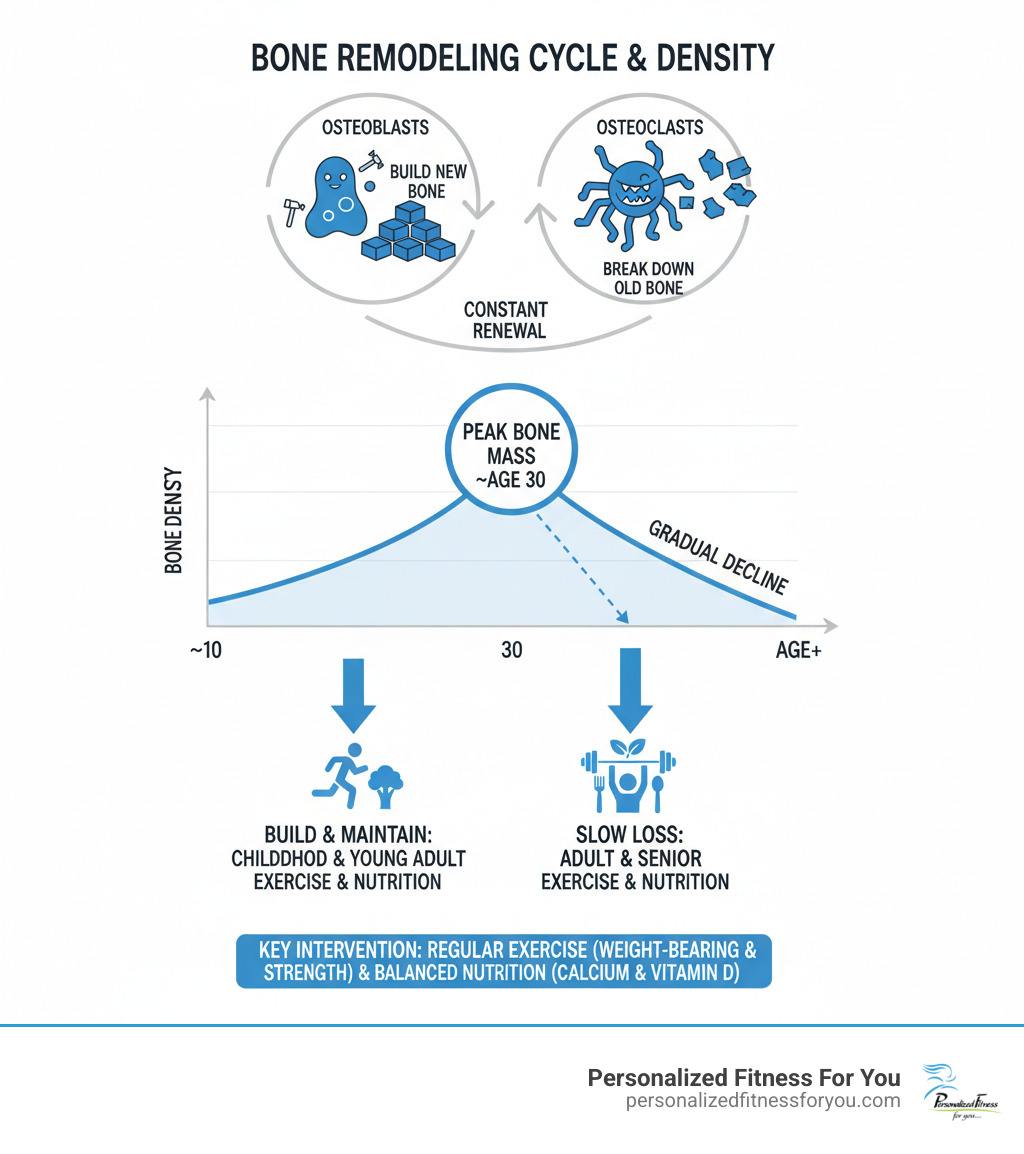
Bone density management is the process of maintaining and strengthening your bones to prevent fractures and osteoporosis as your body changes. Your bones are living tissue that constantly breaks down and rebuilds. The goal is to keep this process balanced for strong, resilient bones throughout your life by integrating key habits. This includes engaging in weight-bearing exercise like walking, incorporating strength training, and ensuring adequate intake of calcium and vitamin D. It also means including balance training to prevent falls, avoiding smoking, limiting alcohol, and working with a specialist to create a personalized plan.
Your bones reach their peak density around age 30, after which bone breakdown can outpace new bone formation. However, the right approach to bone density management can significantly slow this process, helping you maintain strength and reduce fracture risk. Osteoporosis is often called a “silent disease” because many don’t realize they’re at risk until a fracture occurs.
The good news is that you can take control through daily choices. A whole-istic approach that addresses your spirit, mind, and body can make a profound difference. In the Winona Lake and Warsaw area, women are finding that managing bone density doesn’t have to be overwhelming. With the right guidance, you can build stronger bones and greater confidence.
I’m Joy Grout, and with over 20 years of experience as a certified personal trainer and Bone Health and Osteoporosis Instructor, I specialize in helping women develop effective strategies for bone density management. My approach combines evidence-based exercise with personalized support to create plans that work with your body, not against it.
Ready to find a fitness plan that works with your unique needs? Book your complimentary Personalized Fitness Assessment today.
Assessing Your Risk: Key Factors in Bone Density
Understanding the factors influencing your bone health is the first step in effective bone density management. Some factors are beyond our control, while others are directly influenced by lifestyle choices.
Uncontrollable risk factors include age, as density naturally decreases after 30, and a genetic predisposition or family history of osteoporosis. Body type, such as having a small frame, and ethnicity can also play a role. Hormonal changes are particularly impactful; the decline in estrogen during midlife is a primary accelerator of bone loss.
Fortunately, many factors are within your control. A sedentary lifestyle contributes to weaker bones, while smoking and excessive alcohol consumption negatively impact bone formation. Insufficient dietary intake of calcium and vitamin D is another critical, modifiable risk factor. Certain medications, like long-term corticosteroids, and medical conditions, such as overactive thyroid or diseases that impair nutrient absorption, can also compromise bone density.
Assessing your personal risk is key. Tools like the FRAX tool can help predict your 10-year fracture risk by considering factors like age, bone mineral density (BMD), and lifestyle habits. A crucial diagnostic step is a bone density test, or DXA scan, which measures mineral content in your hips and spine. It’s often recommended for women over 65 or postmenopausal women with other risk factors. A broken bone after a minor injury is a strong indicator of underlying osteoporosis and warrants a discussion with your healthcare professional. In the Winona Lake and Warsaw area, we can help you understand these recommendations and guide you toward appropriate testing and expert consultations.
Nourishing Your Bones: A Whole-istic Approach to Diet
For bone density management, your daily nutrition is just as powerful as exercise. Your food choices directly influence whether your bones stay resilient or become more fragile.
Calcium is the cornerstone of bone health, giving bones their structure and strength. Most women need around 1,000 mg daily, increasing to 1,200 mg as their body changes to offset natural bone loss. While dairy is a well-known source, you can also find calcium in dark leafy greens, fortified plant milks, canned fish with bones, and almonds. Check with your healthcare professional to discuss the calcium needs that are appropriate for your age range.
However, calcium can’t do its job without vitamin D, which is essential for absorption. Most women need 600 international units (IUs) daily, increasing to 800 IUs as you navigate midlife and beyond. Since sun exposure can be limited, especially in the Winona Lake and Warsaw area, dietary sources like fatty fish, egg yolks, and fortified foods are important. A supplement may be necessary, which is something to discuss with your healthcare provider.
Protein also plays a crucial role, making up about half of your bone volume. It forms the matrix upon which minerals are deposited. Our approach emphasizes clean eating with lean proteins from sources like poultry, fish, and beans to support both muscle and bone structure. Other key nutrients include magnesium, found in nuts and seeds, and vitamin K from leafy greens, which both support the bone-building process. Focusing on whole, unprocessed foods and mindful eating with an awareness of the glycemic index naturally provides these nutrients.
It’s also important to limit foods that can harm bone health. Excessive sodium, caffeine, and phosphorus (found in processed foods and sodas) can interfere with calcium balance. Limiting processed foods and sugary drinks supports your bones and overall vitality. A nutrient-dense diet, combined with the right exercise, is an essential part of effective bone density management, creating sustainable habits that nourish your body from the inside out.

More info about building bone strength through lifestyle
The Best Exercises for Effective Bone Density Management
For bone density management, exercise is one of the most powerful tools available. When you place appropriate stress on your bones through movement, they respond by becoming stronger and denser. To stimulate this bone growth, activities must involve either weight-bearing impact or resistance. While exercises like swimming and cycling are excellent for cardiovascular health, they don’t provide the specific mechanical stress bones need to grow stronger.
The key to effective bone density management is a plan that is beneficial, safe, and custom to your current fitness level. A personalized plan is invaluable because it ensures the right exercises are chosen for your specific needs, progressing you safely toward your goals. We meet you where you are today and gradually build your strength and resilience, honoring your body’s unique needs.
Osteoporosis and Strength Training
The Power of Weight-Bearing Exercise
Weight-bearing exercises are movements where your body works against gravity. This is fundamental for bone density management because the impact signals your bones to rebuild and strengthen.
High-impact exercises like jogging, dancing, and stair climbing are highly effective for building density. These activities should be approached as goals to work toward gradually and safely with expert guidance, especially if you have low bone density. Low-impact options like brisk walking, hiking, or using an elliptical trainer offer excellent bone-stimulating benefits with less joint stress. These are often ideal starting points for women new to structured exercise.
Weight-Bearing Exercise Can Help Prevent Osteoporosis
The Importance of Strength Training for Bone Density Management
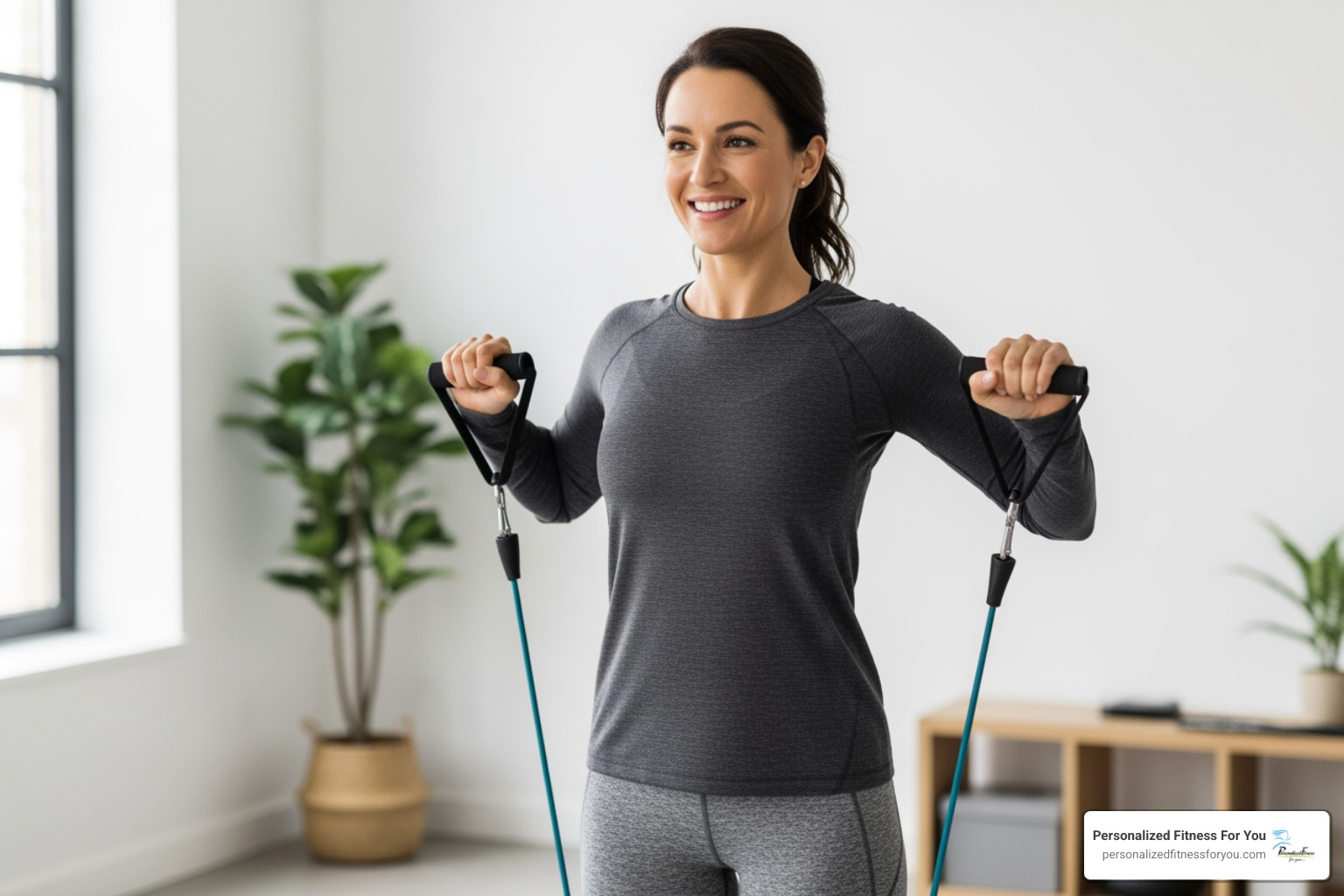
Strength training is a cornerstone of effective bone density management. When your muscles contract against a force—like a weight, resistance band, or your own body—they pull on the attached bones, stimulating them to become denser. Incorporating strength training at least twice a week is highly recommended for women navigating midlife and beyond.
Effective methods include free weights (dumbbells), versatile resistance bands, and accessible bodyweight exercises like squats and lunges. We focus on progressive resistance, gradually increasing the challenge as you get stronger. This continuous adaptation is key to long-term bone stimulation. Our programs are carefully designed to ensure proper form, minimizing risk while maximizing results.
How Do Bone Strengthening Activities Improve Your Physical Fitness?
Creating a Personalized Bone Density Management Plan
A generic, one-size-fits-all approach to bone density management doesn’t work. Your body, history, and goals are unique, which is why expert guidance is so valuable. Our approach centers on understanding your individual needs, health status, and preferences to create a plan that honors where your body is right now.
Balance exercises are also a critical component. While they don’t directly build bone, they significantly reduce your risk of falls, the leading cause of fractures. Targeted functional and balance training can reduce fall risk, and simple activities like standing on one leg can be easily integrated into your routine. Our programs incorporate balance work alongside strength training to create a robust defense against falls. This personalized approach, available to women in the Winona Lake and Warsaw area, makes all the difference in creating a fitness routine that enriches your life.
Best Exercises to Prevent Osteoporosis
Beyond Lifestyle: Partnering with Your Healthcare Team
While lifestyle strategies are powerful tools for bone density management, they work best in partnership with your healthcare team. This collaborative approach ensures you’re addressing bone health from every angle.
Your healthcare provider plays a vital role in monitoring your bone health, often recommending a DXA scan to measure bone mineral content if you have risk factors. The results provide a clear picture to guide your next steps.
When lifestyle measures aren’t enough, your doctor may discuss medication. These conversations are deeply personal, weighing your individual risks and preferences.
- Bisphosphonates are common drugs that slow bone breakdown to maintain density.
- Denosumab is an injection that blocks a protein essential for bone breakdown.
- Anabolic agents are bone-building medicines that stimulate new bone growth for those at very high risk.
Hormonal changes during midlife also profoundly impact bone density, and your doctor can help you weigh the benefits and risks of hormone-related therapies. It’s also crucial to discuss how other medications you’re taking for different conditions might affect your bones.
Fall prevention is another critical component of bone density management. At Personalized Fitness For You, we integrate balance work and strength training to help you move with confidence and stability. In the Winona Lake and Warsaw area, we complement your medical care with specialized fitness programming. When your doctor recommends lifestyle changes, we help you implement them with a safe, personalized exercise program. This team approach, combining medical expertise with specialized fitness guidance, gives you the tools to build a stronger, more resilient body.
Learn about our In-Person Training programs
Explore our Virtual Training options
Conclusion: Take Control of Your Bone Health Today
Your journey toward stronger bones is about claiming your independence and confidence. Bone density management is an empowering investment in your future, and you have more control than you might think.
We’ve covered the essentials: understanding your risks, the vital role of nutrition, the power of weight-bearing and strength exercises, and partnering with your healthcare team. The common thread is personalization. A generic program can’t address your unique needs as you navigate life’s changes. This is where expert guidance makes all the difference.
At Personalized Fitness For You, our whole-istic approach to bone density management considers your spirit, mind, and body. We create sustainable strategies that fit your real life, whether you’re in the Winona Lake and Warsaw area or joining us virtually. Your daily choices send signals to your bones to stay strong. Combining these habits with professional guidance creates a powerful foundation for long-term health.
The time to start is now. Taking action today means fewer limitations tomorrow. You deserve to move through life with confidence.
Ready to build a stronger, more resilient you? A personalized plan is the key to effective bone density management. Schedule your complimentary consultation with Joy today to create a strategy that honors your body’s unique needs. Together, we’ll design a path forward that strengthens not just your bones, but your entire sense of well-being.