

Have you heard of a bone density scan? Maybe you’ve heard the terms DXA or DEXA? If you’re a certain age or if there’s a family history of bone issues, these terms might have come up. But what exactly are they, and why are they so important for your health and fitness journey? Let’s break down this crucial diagnostic tool.
Your Bones: The Unsung Heroes of Your Body
Think about your bones. They’re more than just a framework! They’re constantly rebuilding themselves. They support you, let you move, protect your vital organs, and even store important minerals. Pretty amazing, right?
But sometimes, especially as we age, or due to other factors, our bones can start to lose density. This makes them more fragile and easier to fracture. We call this osteoporosis. It’s often a “silent” disease, meaning you might not even know you have it until a bone breaks. That’s where a bone density scan comes in.
The DEXA Scan: Your Bone’s “Report Card”
A bone density scan, often called a DXA (Dual-energy X-ray Absorptiometry) or DEXA scan, is a quick and painless test. It measures the mineral content in your bones. Think of it as getting a special “report card” on the health of your bones, specifically focusing on their density.
How Does Your DEXA Scan Work?
The process is super simple. You’ll lie comfortably on a padded table, and a special arm will gently pass over your body. This machine uses two different X-ray beams – one beam gets absorbed more by your soft tissues, and the other by your bones. By subtracting the soft tissue part, the machine can figure out exactly how much bone mineral density you have in specific areas, usually your hip and spine. Why these areas? Because fractures in the hips and spine are very common with osteoporosis, they can severely impact your life, leading to declines in mobility, chronic pain, deformity, reduced height, and severe functional limitations.
Why Is This Scan So Important for You?
The main reasons for getting a bone density scan are:
- Diagnose Osteoporosis: It can confirm if you have osteoporosis. Or catching it early with a diagnosis of Osteopenia. Osteopenia is a condition characterized by lower than normal bone density, but not as severe as osteoporosis. It is a precursor to Osteoporosis, meaning it increases the risk of developing more severe bone loss. Catching it early means we can make some changes and improve the strength of our bones.
- Assess Your Fracture Risk: The results help your doctor predict your risk of breaking a bone in the future.
- Monitor Your Progress: If you’re working on strengthening your bones, regular scans can show how well your efforts (and any treatments) are working.
- Guide Your Treatment: Your doctor will use these results, along with other factors, to decide the best plan for you. This might involve changes to your diet, supplements, exercise, or even medication.
Who Should Get a Bone Density Scan?
Your doctor knows best if you need a bone density scan. However, generally, women over 65 and men over 70 should consider one. Also, if you’re younger but have certain risk factors, your doctor might suggest it. These include:
- A history of unexpected fractures.
- Certain health conditions (like rheumatoid arthritis or thyroid issues).
- Long-term use of certain medications (like corticosteroids).
- Being underweight.
- A family history of osteoporosis.
Understanding Your Results
Your bone density scan results usually come with a T-score and a Z-score.
- T-score: This compares your bone density to a healthy young adult of the same gender.
- -1.0 and above: Your bone density is normal. Great job!
- -1.0 to -2.5: This is osteopenia. It means you have lower bone density, but it’s not yet osteoporosis.
- -2.5 and below: This indicates osteoporosis.
- Z-score: This compares your bone density to others of your same age, gender, and background. It’s often used for younger people to look for other reasons for bone loss.
Beyond the Scan: Your Path to Stronger Bones
A bone density scan is a powerful tool, but it’s just one piece of your bone health puzzle. Building and maintaining strong bones is a big part of your personalized fitness journey. Here are some key ways you can support your bones:
- Calcium and Vitamin D: Make sure you’re getting enough through your diet or with supplements. We can discuss personalized nutrition plans for this!
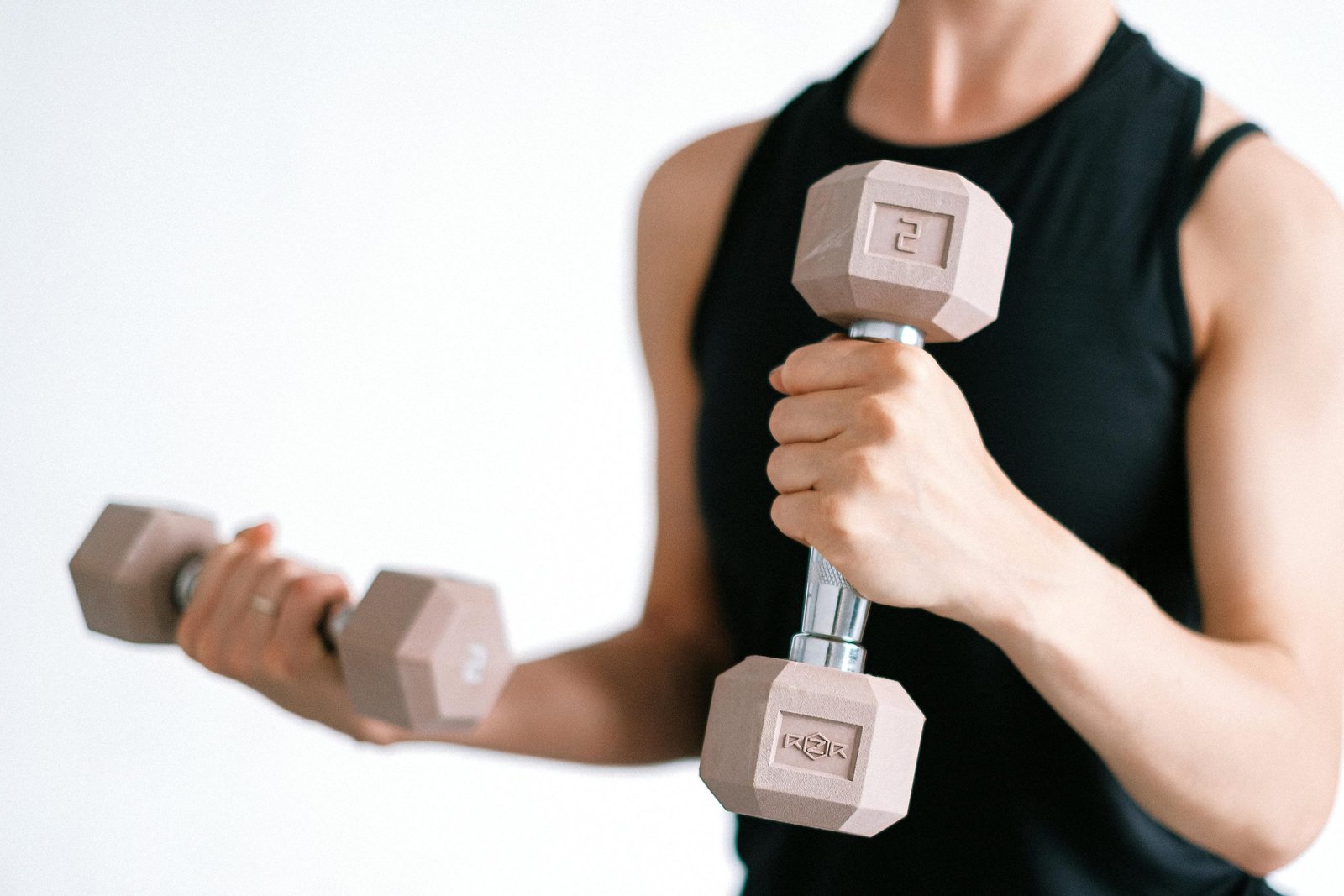
- Exercise: a combination of weight-bearing exercises like walking, jogging, and dancing, which gently stress your bones, and strength training, which goes beyond building muscle to directly increase bone density, is crucial. Learn more about how these activities can strengthen your bones on our blog: 5 Types of Exercise for Bone Density
- Healthy Habits: Avoid smoking and too much alcohol. These can hurt your bone health.
Ultimately, a bone density scan (DXA/DEXA) helps you understand your bone health and any potential risks. If you’re concerned, or if your doctor suggests it, go for it! Early detection and smart, proactive steps are key to keeping your bones strong and healthy for a lifetime of movement and activity.
Your Next Step to Stronger Bones
Understanding your bone density, thanks to a bone density scan, is a powerful first step. But remember, strong bones are built every day! By staying informed about your risks, embracing consistent, bone-friendly exercise, nourishing your body with the right diet, and making smart lifestyle choices, you truly can take charge of your bone health.
Think of it this way: the actions you take today are investments in a more active, vibrant future. Your journey to stronger, more resilient bones begins right now, and with the right guidance, you can build a solid foundation for years to come.
Ready to turn your bone density scan insights into a personalized action plan? At Personalized Fitness For You, we’re here to help you integrate bone health seamlessly into your overall wellness routine.
That’s where Joy comes in! As a certified Bone Health and Osteoporosis Foundation BoneFit Instructor, Joy specializes in creating safe and effective fitness programs specifically designed for individuals looking to strengthen their bones. She understands how to help you maximize your bone health, safely and effectively.
Don’t wait to prioritize your bones! Contact Joy today for personalized health coaching or fitness training. Whether you prefer to connect virtually or at the studio, Joy is excited to help you build and maintain exceptional bone health. Let’s make your bones strong enough for every adventure ahead!


Leave A Comment