


Why Movement is Your Brain’s Best Investment
Exercise for brain health is a powerful, science-backed strategy for maintaining mental clarity, improving memory, and protecting your cognitive function as you age. Regular physical activity improves thinking skills by strengthening neural connections, reduces the risk of cognitive decline by building cognitive reserve, and boosts mood through the release of endorphins. The connection between movement and brain health is about actively strengthening your mind at any stage of life. For women in midlife and through active aging, movement also supports bone strength and hormonal health, creating a foundation for steady energy, sharper focus, and long-term wellness.
Whether you’re just beginning your fitness journey or refining your routine, the benefits are profound. Cardiovascular exercise increases blood flow to the brain, strength training supports cognitive function, and skill-based activities like dance challenge your brain to form new connections. You can feel improvements in mood and focus after just one session, while long-term structural changes develop over months of consistent movement. A sustainable exercise habit is essential for the mental sharpness and emotional resilience needed to thrive through midlife and beyond.
As Joy Grout, a Certified Brain Health Trainer with over 20 years of experience, I’ve seen how a personalized approach to exercise transforms mental clarity and confidence. My work at Personalized Fitness For You focuses on creating sustainable, whole-istic programs that empower you to protect your cognitive wellness for the long term.
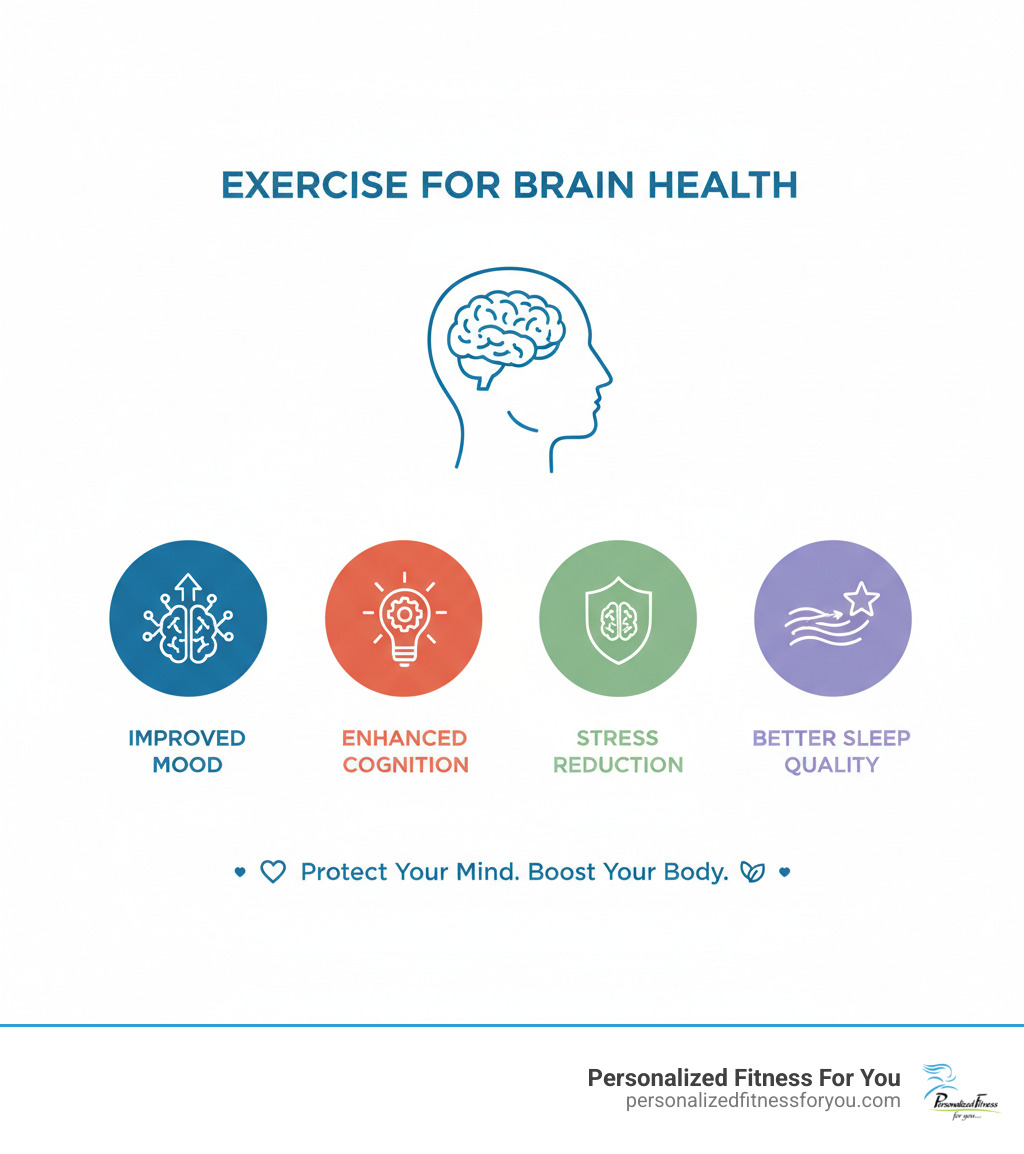
The Science Behind How Movement Sharpens Your Mind
Your brain is remarkably responsive to movement. Every time you exercise, you trigger powerful biological processes that protect and strengthen your cognitive abilities. When you engage in physical activity, your brain experiences a surge of increased blood flow, delivering vital oxygen and nutrients. This isn’t just a temporary boost; it’s the foundation for lasting structural changes that make your mind more resilient.
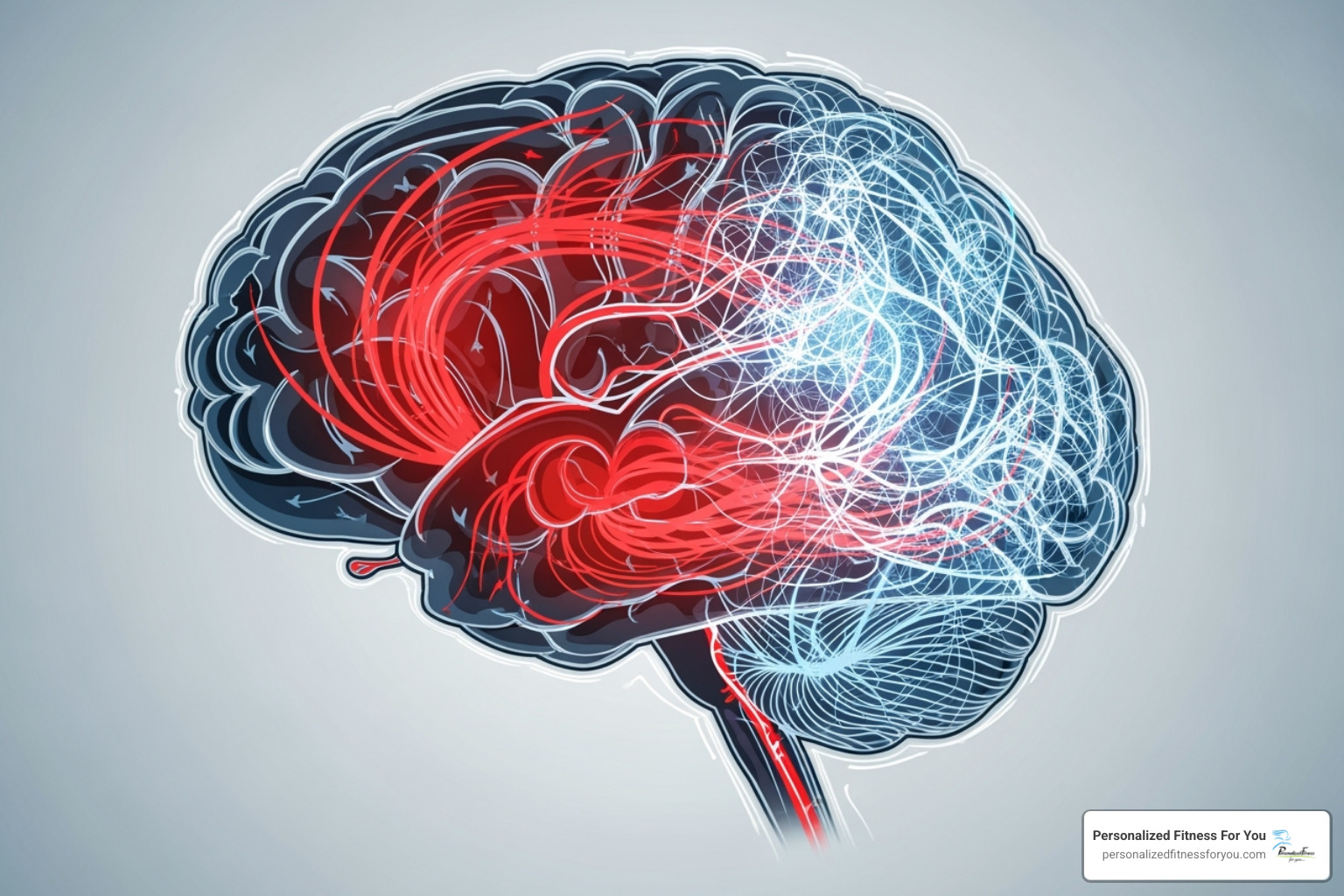
One of the most exciting findings is that exercise triggers the release of Brain-Derived Neurotrophic Factor (BDNF). Think of BDNF as fertilizer for your brain cells; it promotes the growth of neurons and strengthens their connections, which is crucial for learning and memory. Exercise also improves neuroplasticity, your brain’s ability to form new neural connections throughout life. This adaptability allows you to learn new skills and maintain mental sharpness through active aging.
Beyond these growth factors, regular movement reduces chronic inflammation, which is linked to cognitive decline. Consistent exercise can lead to increased brain volume in both gray and white matter. Even small improvements in cardiovascular fitness can lead to significant increases in myelin, the protective coating around nerve fibers that speeds up communication between brain cells. By building this cognitive reserve, you’re creating a buffer that protects your brain against the natural changes that come with aging.
How Exercise Rewires Your Brain for Better Function
Exercise doesn’t just maintain your cognitive abilities—it actively rewires your brain to work better. Physical activity stimulates the birth of new neurons (neurogenesis), particularly in the hippocampus, the brain region for learning and memory. These new cells integrate into your existing neural networks, forming fresh pathways through a process called synaptic plasticity. This allows your brain to strengthen important connections and prune away those you no longer need.
The practical result is what we call cognitive reserve—your brain’s ability to find alternate ways of completing tasks when faced with challenges. Research has shown that women who exercise regularly build stronger cognitive reserves, making them more resilient to stress and better at handling the mental demands of daily life. These neurophysiological changes are clear: consistent movement builds a more robust and flexible mind.
The Mood and Stress Connection: More Than Just a “Runner’s High”
The mental health benefits of exercise are profound. Regular physical activity is one of the most effective tools for managing stress and balancing emotions. When you exercise, your body reduces stress hormones like cortisol while increasing endorphins, your body’s natural mood elevators. This biochemical shift creates a noticeable improvement in how you feel, and research shows that even a single session can reduce anxiety symptoms. This is especially helpful as your body changes, when hormonal fluctuations can affect mood and sleep; consistent movement helps smooth those shifts.
For those managing depression, regular movement can be highly effective in improving mood. This is about giving your brain the biological support it needs to regulate emotions. Sleep quality also improves dramatically with consistent exercise, creating a positive cycle for brain health. Better sleep means better memory consolidation and emotional regulation. This interconnection between movement, mood, and stress is why we take a whole-istic approach to wellness, which you can explore further in our guide on Comprehensive Stress Management.
The Best Types of Exercise for Brain Health
When it comes to protecting your cognitive health, variety is key. A balanced approach that incorporates different types of movement will challenge your body and mind in complementary ways. This section explores the most effective types of movement for a sharper mind, helping you build a diverse and engaging fitness plan that supports long-term brain health.

Building a Stronger Brain with Cardiovascular Exercise
Cardiovascular activities that lift your heart rate are essential for pumping oxygen-rich blood to the brain, which fuels cell growth and function. You have many options to choose from, and finding activities you enjoy is the key to consistency. Brisk walking is an accessible and effective form of exercise for brain health. Swimming offers a low-impact option, while cycling can be adjusted to your fitness level. Dancing is a particularly powerful brain booster because it combines cardiovascular activity with the cognitive challenge of learning new patterns.
Research shows that even 25 minutes of moderate exercise per week can lead to larger brain volumes and improved thinking skills. For those looking to progress, incline walking is an excellent way to increase intensity without high impact, as we explore in our guide, Uphill Climb: Health & Incline Walking. To support your heart and brain, we also offer insights into 8 Exercises for Heart Health.
The Cognitive Power of Strength and Resistance Training
Building strength does more than tone your muscles—it plays a vital role in supporting brain health and hormonal balance. Incorporating muscle-strengthening activities two or more days a week is recommended. This can include lifting weights, using resistance bands, or bodyweight exercises like squats and push-ups. The cognitive benefits are impressive, with studies showing significant improvements in executive function—the critical skills that help us plan, focus, and juggle multiple tasks. Weight-bearing and resistance work are also key to maintaining bone density in midlife, which supports confident movement and long-term independence.
Strength training also improves neuroplasticity and overall brain volume. When you challenge your muscles, you send positive signals to your brain, fostering a more resilient cognitive landscape. To learn how to amplify these benefits, read our article on the Benefits of Compound Fitness. Progress gradually by increasing load and complexity over time, and consult with a qualified specialist for a personalized plan before beginning a new routine.
Enhancing Focus and Coordination with Skill-Based Activities
Activities that challenge your brain to learn new patterns can significantly improve processing speed, memory, and focus. These exercises demand mental engagement, creating new neural pathways. Learning new dance moves is a fantastic brain booster, combining physical movement with rhythm and memorization. Practices that require precise movements and balance, such as Pilates, also improve cognitive function by emphasizing controlled movements and mental concentration, as we explore in 5 Reasons Your Body Will Love the Pilates Reformer Method.
The broader principle is that learning new skills profoundly benefits memory and cognitive flexibility. These activities keep your brain agile and are invaluable for maintaining mental sharpness through active aging.
Your Personalized Plan: How Much, How Often, and How Soon?
You’re ready to commit to exercise for brain health, so let’s outline a realistic, sustainable plan. Understanding the recommended frequency, intensity, and timeline for results will help you create a routine that fits your life and delivers the cognitive benefits you’re seeking.

Finding Your Sweet Spot: Duration and Intensity for Optimal Results
Current guidelines suggest aiming for at least 150 minutes of moderate-intensity activity per week, which can be broken into smaller sessions. This might look like a brisk 30-minute walk five days a week. If you prefer more vigorous activity, 75 minutes per week can yield similar brain-boosting benefits. The key is to find activities that lift your heart rate enough that you’re breathing harder but can still hold a conversation.
We recommend starting with just a few minutes a day if you’re new to regular movement, then gradually increasing the duration. This progressive approach ensures your body adapts safely. Consult with a qualified specialist for a personalized plan before beginning a new routine. If higher-impact options are among your goals, progress toward them gradually and safely with professional guidance.
From First Steps to Lasting Change: The Timeline for Cognitive Gains
You may feel an immediate mood boost and improved focus after a single workout. However, the significant structural changes in the brain that protect cognitive function develop over time. Short-term interventions, lasting one to three months, often produce the greatest initial improvements in memory and executive function. You might notice you’re juggling tasks more easily during this period.
The most profound benefits, such as increased brain volume, tend to appear after about six months of consistent movement. This is when your brain truly begins to rewire itself, building greater resilience. The good news is that these cognitive improvements can be remarkably durable, lasting for years. Be patient with yourself and celebrate every step, knowing each workout is an investment in your future mental sharpness.
Making It Stick: How to Build a Sustainable Exercise Habit
The key to long-term brain health is consistency, which is best achieved by building habits you genuinely enjoy. Making exercise for brain health a non-negotiable part of your day is incredibly powerful. The secret is finding joy in movement, whether it’s walking with a friend or dancing in your living room.
Accountability also plays a significant role. This could come from a supportive community, a workout partner, or a personalized trainer. Having someone to share your journey with can make all the difference. For more strategies, we offer 5 Ways to Maintain Fitness Motivation. A lifelong commitment to physical activity is the ultimate strategy for maintaining cognitive vitality.
A Whole-istic Approach: Fueling Your Brain Beyond Exercise
While exercise for brain health is a cornerstone of our wellness philosophy, it’s not the whole story. Your brain thrives when you nourish it from multiple directions—through food, water, and rest. At Personalized Fitness For You, we advocate for a whole-istic approach because these elements work together to create a foundation of cognitive wellness.
Think of it this way: exercise builds the structure, but nutrition, hydration, and sleep provide the essential materials and maintenance your brain needs to function at its best. Integrating these supportive habits gives your mind every advantage to stay sharp, focused, and resilient.
Eating for a Sharper Mind: The Role of Nutrition
The foods you eat directly impact your cognitive function. Adopting a Mediterranean-style approach, rich in whole grains, colorful produce, lean proteins, and healthy fats, is strongly associated with promoting brain health. Blueberries, for example, are packed with antioxidants that protect brain cells, and we detail their benefits in The Power of Blueberries.
Healthy fats are also vital, as your brain is nearly 60% fat. Quality fats from avocados, nuts, and fatty fish support cell integrity and communication between neurons. Avocados, in particular, support healthy blood flow. On the flip side, limiting processed sugars is crucial. Excessive sugar can lead to inflammation and blood sugar swings that affect mood and focus. Understanding The Effects of Sugar on Your Body is an important step in protecting your cognitive wellness.
The Importance of Hydration and Rest for Cognitive Function
Proper hydration and restorative sleep are non-negotiable for optimal brain performance. Your brain is approximately 73% water, and even mild dehydration can impair concentration, memory, and mood. Ensuring you drink enough water is a simple yet effective strategy for maintaining mental clarity, as we explore in Hydration for Health.
Equally important is quality sleep. During sleep, your brain consolidates memories and clears out metabolic waste. This nightly “cleaning cycle” is essential for maintaining cognitive function. Poor sleep can undermine your ability to focus, learn, and regulate emotions. Creating a restful sleep environment and consistent sleep hygiene are key to supporting your brain’s nightly rejuvenation. When you combine regular exercise for brain health with smart nutrition, hydration, and rest, you create a powerful wellness plan.
Frequently Asked Questions about Exercise for Brain Health
You’ve likely got questions about how physical activity truly impacts your cognitive wellness. We’re here to provide clear, evidence-based answers to guide your journey toward a sharper, more resilient mind.
Can exercise help prevent or slow cognitive decline?
Yes, absolutely. Consistent physical activity is one of the most effective strategies for reducing the risk of cognitive decline. When you engage in regular exercise for brain health, you activate multiple protective mechanisms. It can increase brain volume, particularly in areas crucial for thinking and memory, and builds what scientists call cognitive reserve—your brain’s ability to cope with challenges. Regular movement also improves vascular health and reduces inflammation, both of which are critical for brain function. Even if you’re starting later in life, you can still experience significant benefits.
Are there specific benefits of exercise for brain health in conditions like ADHD?
Research shows that exercise can provide remarkable benefits for individuals managing ADHD, particularly in improving executive functions like planning, focus, and working memory. Cardiovascular exercise, in particular, has been shown to positively impact concentration and reduce impulsivity. For younger individuals with ADHD, regular exercise for brain health can be a powerful non-pharmacological approach to support cognitive performance. This highlights how movement can offer targeted support for various neurological conditions.
Is it ever too late to start exercising for brain health?
Absolutely not. It is never too late to start exercising for your cognitive wellness. While beginning early builds a robust cognitive reserve, studies consistently show that starting an exercise program at any stage of life can yield significant cognitive benefits. Even individuals who have been sedentary, including those with mild cognitive impairment, have shown marked improvements after beginning a regular routine. Your brain is remarkably adaptable at any age, and positive changes can begin to manifest within just a few months of consistent effort. Every workout is a valuable investment in your long-term mental vitality.
Conclusion
Your journey to protecting your brain’s vitality starts with a single choice: to move your body consistently. We’ve explored the science behind how exercise for brain health transforms your mind by building new neural pathways, strengthening cognitive reserve, and lifting your mood. We’ve seen how cardiovascular activities, strength training, and skill-based movements work together to keep your brain agile and adaptable.
When you combine regular exercise with brain-nourishing foods, proper hydration, and restorative sleep, you create a whole-istic wellness plan that supports every aspect of your cognitive health. This integrated approach is about progress and consistency as you steer active aging.
At Personalized Fitness For You, we specialize in creating custom programs that honor where you are while guiding you toward the vibrant, mentally sharp future you deserve. Whether you prefer in-person training at our Winona Lake studio or the flexibility of virtual training, we provide the personalized guidance and shame-free environment to empower you.
With over 20 years of experience and as a Certified Brain Health Trainer, Joy Grout brings expertise and heart to every client. We believe protecting your cognitive wellness is about adding life to your years. Ready to create a personalized wellness plan that protects your body and mind? Schedule your complimentary consultation with Joy today to get started on your journey to active, vibrant aging. Your future self will thank you!