

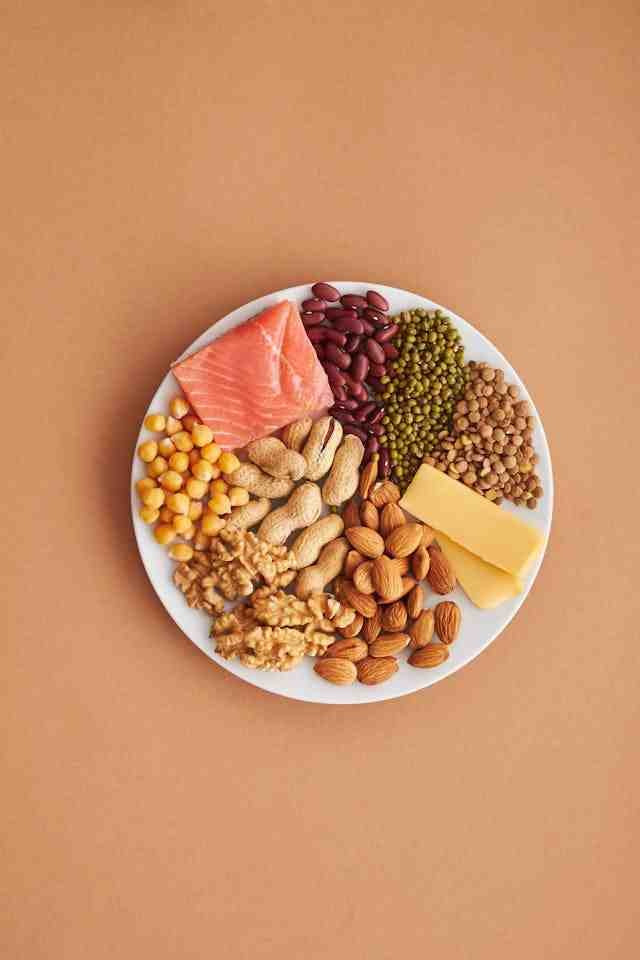
Why Nutrition and Wellness Matter for Everyday Energy
Nutrition and wellness work together to support steady energy, stronger muscles and bones, clearer thinking, and long-term health. Start by building most meals around vegetables or fruit, protein-rich foods, high-fiber carbohydrates, and unsaturated fats; drink water regularly; and pair eating habits with movement, sleep, and stress care. This whole-istic approach is more sustainable than a restrictive diet, especially as your body changes through different seasons of life.
For women balancing full schedules, joint pain, work, family, and fitness goals. Ultra-processed foods are not simple fuel sources. Nutrient-dense meals can help support concentration, mood, mobility, heart health, and the energy needed to stay connected to the people and activities you love. The National Institutes of Health also emphasizes that healthy eating and regular physical activity work together to support health over time.
I am Joy Grout, founder of Personalized Fitness For You, and I bring more than 20 years of clinical and community-based health experience to nutrition and wellness coaching for spirit, mind, and body. My work helps women build practical habits that support strength, mobility, cognitive health, and lasting well-being, whether we work at the studio in Winona Lake, Indiana, or through virtual coaching throughout the continental United States.
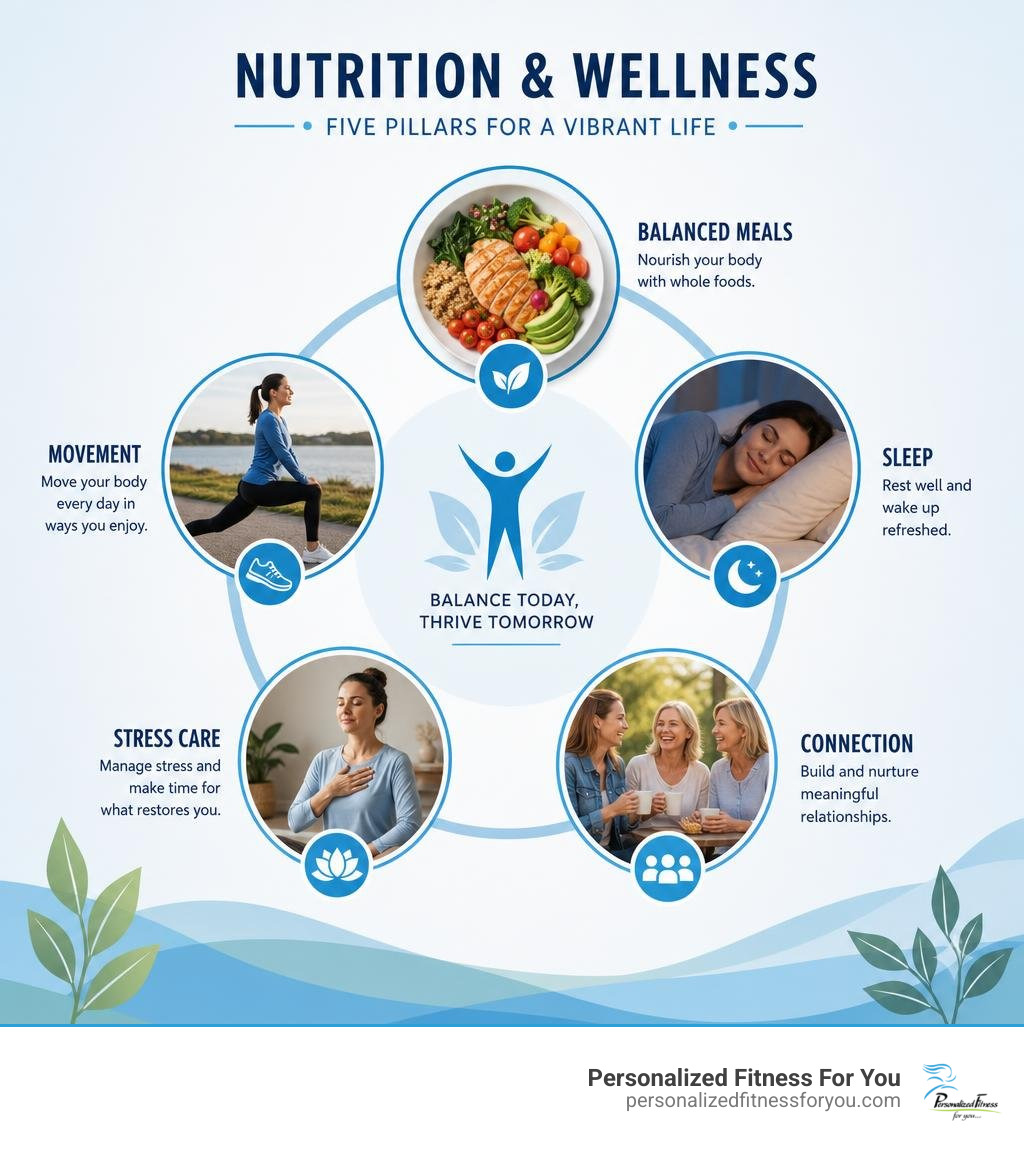
Understanding the Core Connection Between Nutrition and Wellness
True wellness is never about strict deprivation, unrealistic calorie counting, or punishing workouts. Instead, it represents a harmonious balance between what we feed our bodies, how we move, how we manage stress, and how we care for our mental and spiritual outlook. When we focus on whole-person health, we supply our bodies with the raw materials required for continuous cellular repair, balanced metabolic function, robust immune defenses, and steady daily vitality.
Nutrition and wellness can be affected when eating patterns consistently lack essential nutrients or rely heavily on foods high in added sugars, sodium, saturated fat, or extensive processing. Over time, less balanced eating patterns may affect energy, metabolic health, sleep quality, and overall well-being, although individual responses vary. Choosing nutrient-dense, minimally processed foods can support normal metabolic function and provide the nutrients your muscles, brain, bones, and other tissues need. According to the World Health Organization global nutrition guidelines, maintaining high-quality nutrition protects against chronic metabolic challenges and provides the physical foundation for active aging.
If you want personalized support turning nutrition information into sustainable habits, health coaching can help you build a plan around your lifestyle and goals.
The Core Macronutrients, Micronutrients, and Hydration Fundamentals
To understand how nutrition and wellness work together in everyday life, it helps to look at three fundamentals: macronutrients, micronutrients, and hydration. Each element plays an indispensable role in maintaining our energy balance, protecting joint integrity, and supporting cognitive clarity.
- Proteins: Protein provides amino acids your body uses to maintain and repair muscle, produce enzymes, and support many other normal body functions. Discovering the power of dietary protein helps women preserve functional strength and prevent natural age-related muscle loss.
- Complex Carbohydrates: Unrefined carbohydrates such as oats, sweet potatoes, legumes, and ancient grains supply slow-burning glucose for our brain cells and working muscles. They also deliver essential dietary fiber, which nurtures beneficial gut bacteria and supports balanced digestion.
- Healthy Fats: Unsaturated fats from foods such as avocados, olive oil, nuts, seeds, and fish support normal cell function and help the body absorb fat-soluble vitamins.
- Micronutrients: Essential vitamins and minerals support processes involved in energy metabolism, bone health, muscle function, and nervous-system function.
- Hydration: Water makes up the majority of our cellular volume and lubricates our joints, transports nutrients, and regulates body temperature. The essential benefits of drinking water include sustained mental focus, improved tissue elasticity, and reduced physical fatigue.
Integrating Nutrition and Wellness into Daily Habits for Longevity

A sustainable approach to nutrition and wellness does not require changing everything you eat overnight. Instead, long-term vitality is built through small, repeatable actions known as habit stacking. By attaching a new, nourishing behavior to an established daily routine, healthy choices become second nature rather than exhausting chores.
For instance, you might pair your morning coffee with drinking a tall glass of fresh water, or add a handful of leafy greens to your lunchtime soup. Over time, consistent habits can support a more stable routine around hydration, meals, movement, sleep, and daily energy. As our bodies navigate the natural hormonal transitions that occur across each life stage, these stabilizing routines offer a reliable anchor for physical resilience. Incorporating small steps can add up to a realistic habit that becomes a lifestyle change.
Evidence-Based Meal Patterns and Chronic Disease Prevention
Research on nutrition and wellness consistently emphasizes the importance of overall dietary patterns rather than relying on a single food or nutrient. Dietary patterns centered on vegetables, fruits, whole grains, legumes, nuts, and other nutrient-dense foods are associated with better cardiovascular and metabolic health. Making intentional heart-healthy food swaps—such as replacing refined white flour with whole grains or choosing rich plant oils over hydrogenated spreads—these substitutions can support a heart-healthy overall eating pattern.
The comprehensive Harvard Health nutritional guidance demonstrates that consistent adherence to plant-forward, nutrient-dense eating patterns promotes cardiovascular longevity, protects bone mass, and nurtures a diverse gut microbiome that enhances our immune health.
Mediterranean, DASH, and Diabetes Plate Frameworks
Three of the most thoroughly validated eating frameworks in modern preventive medicine are the Mediterranean Diet, the Dietary Approaches to Stop Hypertension (DASH) Diet, and the American Diabetes Association’s Diabetes Plate Method. Each offers a clear, visual strategy for balancing your plate without restrictive calorie calculations.
| Nutrition Framework | Primary Food Focus | Key Health Benefits | Practical Daily Application |
|---|---|---|---|
| Mediterranean Pattern | Vegetables, berries, extra virgin olive oil, nuts, seeds, legumes, and wild-caught fish. | Lowers cardiovascular disease risk, supports brain health, and reduces joint inflammation. | Use extra virgin olive oil as your main cooking oil and eat fatty fish twice weekly. |
| DASH Framework | Leafy greens, fruits, whole grains, low-fat dairy, lean poultry, and minimal added salt. | Lowers resting blood pressure and reduces strain on arteries and kidneys. | Keep daily sodium below 2,300 mg by flavoring dishes with fresh herbs, garlic, and citrus. |
| Diabetes Plate Method | Half-plate non-starchy vegetables, quarter lean proteins, quarter high-fiber carbohydrates. | Stabilizes blood glucose, enhances insulin sensitivity, and prevents energy crashes. | Fill half your plate with broccoli, asparagus, or salad greens at lunch and dinner. |
Within a nutrition and wellness plan, understanding the glycemic index can provide additional context for how carbohydrate-containing foods may affect blood glucose.
Managing Inflammation, Blood Sugar, and Bone Density Across Life Stages
As we move through different seasons of life, natural shifts in estrogen and progesterone can alter how our bodies process glucose, manage systemic inflammation, and maintain bone minerals. Focusing on reducing chronic inflammation through food becomes essential for soothing achy joints and maintaining ease of movement.
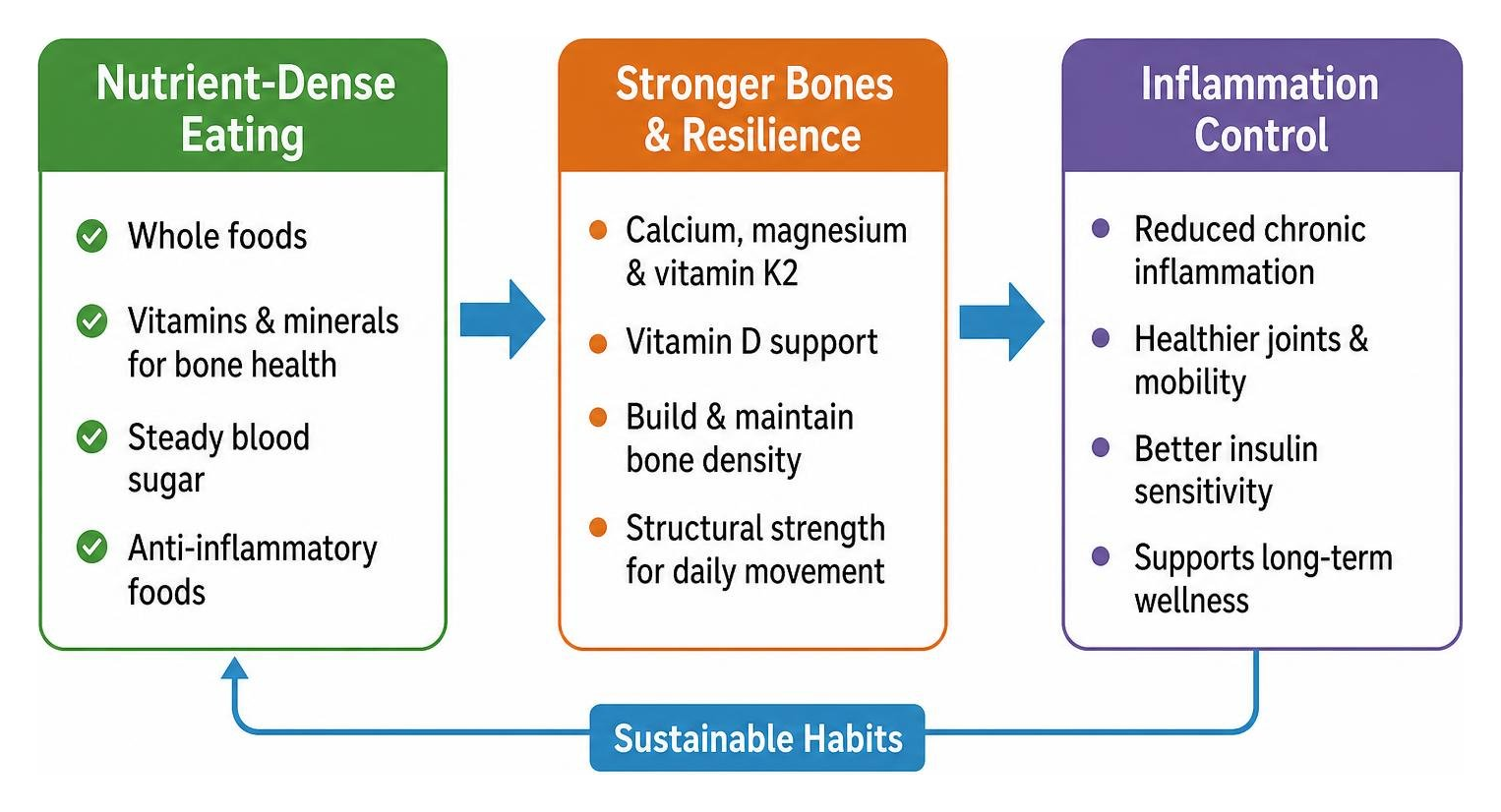
Nutrition and wellness strategies that support bone health include adequate calcium and vitamin D, sufficient protein, and appropriate weight-bearing or resistance activity. Individual needs should be discussed with a qualified health professional. When we combine these targeted bone-building nutrients with steady blood sugar regulation, our bodies retain the structural strength needed to support restorative daily movement and active aging.
Practical Strategies for Everyday Meal Planning and Label Literacy
Practical nutrition and wellness habits can begin with a well-organized kitchen, basic meal planning, and the ability to read food labels confidently. With basic organization, clear label-reading skills, and a well-stocked pantry, you can prepare nourishing, delicious meals in less time than it takes to order takeout. You can explore seasonal recipes and practical nutrition resources through USDA Nutrition.gov.

Deciphering Nutrition Facts Panels and Avoiding Hidden Sugars
Understanding how to read food labels is one of the most empowering skills you can develop for your personal wellness journey. Front-of-package terms such as “natural” or “wholesome” do not necessarily describe a product’s complete nutrition profile.
When evaluating a packaged food item, review the Nutrition Facts panel with these straightforward steps:
- Check the Serving Size: Verify how many individual servings are included in the package so you know the exact amount of energy and nutrients you are consuming.
- Evaluate Added Sugars: Look specifically at the “Added Sugars” line beneath total carbohydrates; review the Added Sugars line and use the % Daily Value to compare similar products and make choices that fit your overall eating pattern.
- Inspect the Sodium Content: The average adult consumes over 3,400 mg of sodium daily, far exceeding the recommended limit of 2,300 mg. Choosing lower-sodium versions helps keep blood pressure in a healthy range.
- Read the First Three Ingredients: Ingredients are listed in descending order by weight; review the ingredient list alongside the Nutrition Facts panel to better understand what the product contains and compare similar options. Reading the first three ingredients can inform you about what you are about to fuel your body with. If you can’t pronounce it, don’t eat it! Choosing whole foods to fuel your body is best.
Applying practical nutrition and wellness principles can simplify grocery decisions by emphasizing nutrient-dense foods and balanced meals.
Simple Batch Cooking and Stress-Free Meal Prep
When you are managing a full schedule, having pre-cooked, wholesome components ready in your refrigerator prevents the temptation to skip meals or turn to fast food when you are tired. Adopting simple meal prep strategies allows you to cook once and eat multiple times throughout the week.
- Roast a Double Tray of Seasonal Vegetables: Prepare sweet potatoes, zucchini, bell peppers, and broccoli tossed in olive oil and seasonings to pair with lunches and dinners.
- Batch-Cook Lean Proteins: Grill several chicken breasts, bake a tray of salmon fillets, or simmer a pot of lentil chili to portion into glass storage containers.
- Prepare Wholesome Grains: Cook a pot of quinoa or brown rice to serve as a high-fiber foundation for quick lunchtime nourish bowls.
Community Frameworks, Education, and Whole-Person Support
Nutrition and wellness do not happen in isolation. Our eating patterns, stress levels, and daily movement habits are deeply shaped by the environments in which we live, work, and learn. When communities, schools, and workplaces align to prioritize wholesome nutrition and supportive physical environments, everyone benefits.
Community-Based Nutrition and Wellness Programs and Educational Resources
In Winona Lake, Warsaw, and surrounding northern Indiana communities, local food and wellness resources can help women put healthy habits into practice close to home. Engaging in these community spaces reinforces the spirit, mind, and body connection that makes and contributes to a healthful lifestyle.
For women who want individualized support, nutrition and wellness habits can be easier to put into practice through personalized health coaching focused on realistic goals, accountability, and sustainable behavior change. Developing a customized wellness plan with an expert specialist provides step-by-step guidance tailored directly to your physical history and health goals. When considering your options, choosing a dedicated health coach who understands the physical nuances of joint comfort, bone density, and active aging ensures that you receive compassionate, shame-free guidance every step of the way.
Overcoming Modern Dietary Misinformation and Food Insecurity
With endless conflicting diet trends circulating on social media, it is easy to feel overwhelmed or confused about what to eat. Highly restrictive diet trends can be difficult to sustain and may encourage an all-or-nothing relationship with food rather than consistent, individualized habits.
A practical nutrition and wellness approach begins with evidence-based fundamentals: balanced meals, minimally processed foods, hydration, regular movement, and habits you can sustain. Frozen vegetables, canned legumes, eggs, and whole grains can also provide convenient, nutrient-dense options for building balanced meals.
Frequently Asked Questions About Nutrition and Wellness
How does balanced nutrition directly support cognitive function and brain health as your body changes?
Nutrition supports brain function by supplying essential fatty acids, vitamins, minerals, protein, and other nutrients involved in normal neurological processes. Eating patterns rich in vegetables, fruit, whole grains, healthy fats, and quality protein can support overall brain and cardiovascular health as part of a healthy lifestyle.
What is the simplest way to transition to clean eating without feeling restricted?
One simple nutrition and wellness strategy is to begin by adding supportive habits instead of immediately focusing on restriction. Instead of eliminating your favorite foods, focus on adding one serving of colorful vegetables to your dinner plate, drinking an extra glass of pure water before your morning meal, or swapping refined grains for whole-grain options. This positive, additive mindset creates sustainable habits without triggering feelings of deprivation or guilt.
When should active aging women consider targeted dietary supplementation?
Supplement needs can change with age, health history, medications, eating patterns, and laboratory findings. Because vitamin D status varies widely, discuss testing or supplementation with an appropriate healthcare professional when there is a specific concern. It is always wise to review comprehensive blood work with your primary healthcare physician to identify specific nutritional gaps before introducing targeted, high-quality supplements into your daily routine.
Conclusion
Nutrition and wellness are lifelong practices built through consistent choices that support your energy, strength, movement, and overall well-being. By providing your cells with balanced macronutrients, vibrant plant phytonutrients, and intentional hydration, you build the physical energy and resilience needed to enjoy every season of life to its fullest. When you pair wholesome nutrition with regular functional movement, restorative sleep, and a peaceful mindset, you create a sustainable foundation for lasting vitality.
At Personalized Fitness For You, we believe in supporting your whole-istic wellness journey through compassionate, expert-led guidance tailored to your body’s evolving needs. Whether you are seeking to preserve bone density, manage joint discomfort, or rebuild steady energy, we are here to walk alongside you with encouragement and specialized care.
Ready to turn nutrition and wellness information into sustainable habits designed around your life? Personalized Fitness For You provides individualized health coaching and fitness guidance for women in Winona Lake and Warsaw, Indiana, along with virtual support throughout the continental United States. If you don’t live in the area, consider live virtual sessions from the comfort of your home.
Your trainer will meet you where you are and let you know what you need! Schedule your Personalized Fitness Assessment to begin building a practical, whole-person plan around your goals, health history, and season of life.